Remodeling Warranty Coverage for Southwest Florida Homes
When a new shower leaks or cabinet doors begin to shift, your first question is simple: will the warranty cover it? Remodeling warranty coverage depends on several facts, including the written contract, workmanship, product terms, permits, and what caused the damage.
A coastal home adds more variables. Hurricane wind, floodwater, salt air, heavy rain, normal settling, and deferred maintenance can create symptoms that look similar to a construction defect. Before you request repairs, learn how to separate those causes and preserve the records that support your claim.
What remodeling warranty coverage usually means in Florida
A remodeling warranty is not one universal promise. It is usually a set of contract terms that explain what the contractor will correct, how long the coverage lasts, and what the homeowner must do after finding a problem.
The contract may include separate terms for labor, cabinetry, tile, plumbing, electrical work, paint, windows, roofing, or structural changes. Manufacturer warranties can apply at the same time, but they usually cover the product itself rather than installation quality.
Start with the signed contract
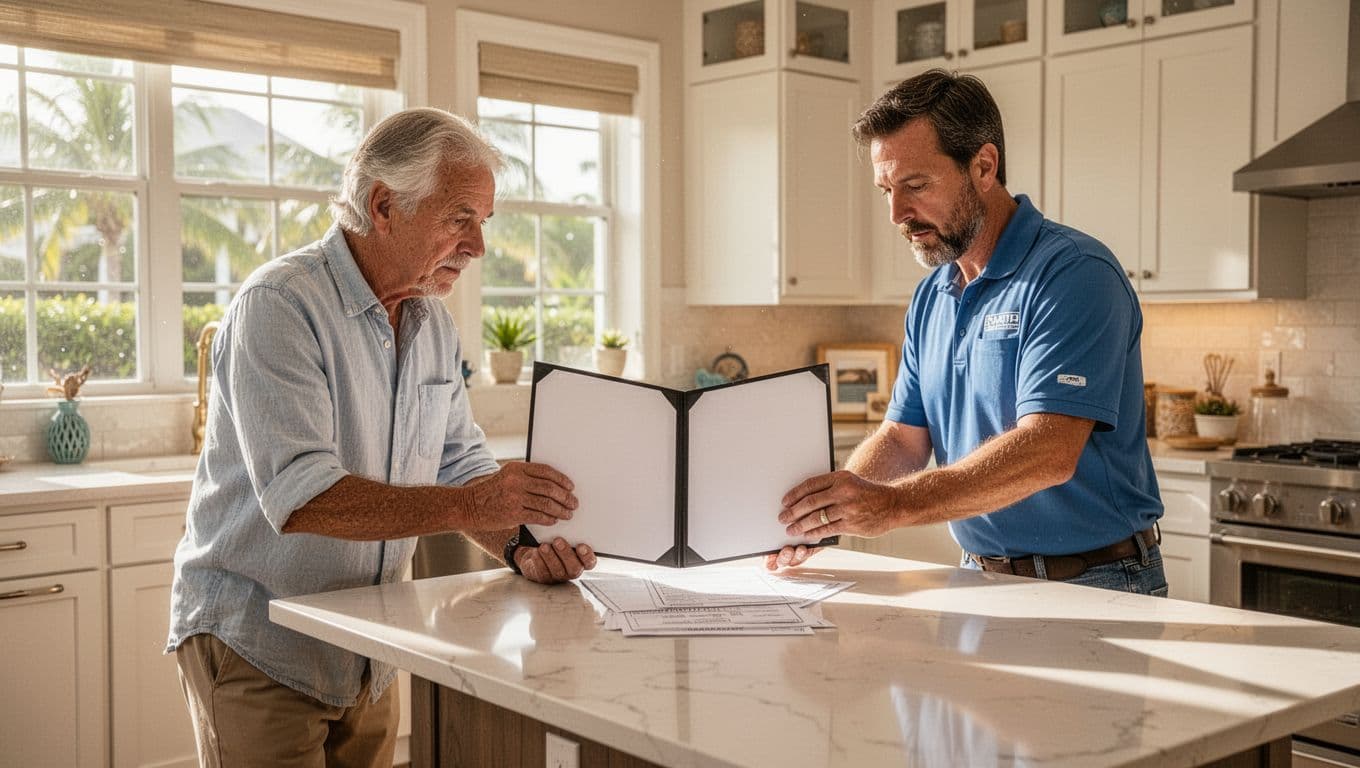
Your contract should identify the project scope, materials, responsible trades, warranty period, start date, exclusions, and repair procedure. It should also explain how you must report a problem.
Some agreements require written notice before the contractor investigates. Others give the contractor a reasonable chance to inspect and repair the issue before you hire another company. Review these terms before authorizing outside work.
A useful guide to reading a remodeling contract can help you identify missing details about permits, insurance, allowances, change orders, and warranty responsibilities.
Coverage is separate from insurance
A workmanship warranty usually addresses work that failed because of an installation or construction problem. Homeowners insurance may address sudden damage caused by a covered event. Flood insurance is a separate policy in many cases.
One policy does not automatically replace the other. A hurricane-related loss can involve the contractor, a product manufacturer, your homeowners insurer, and your flood insurer, depending on the cause.
What a contractor workmanship warranty may cover
A workmanship warranty may apply when the contractor failed to install, finish, seal, connect, or build an item according to the contract and applicable code. Coverage still depends on the agreement and the facts.
The contractor may inspect the work before accepting responsibility. That inspection helps determine whether the problem came from installation, a defective product, later damage, or normal use.
Examples that may support a workmanship claim
A shower that leaks because the waterproofing system was installed incorrectly may involve workmanship. The same can apply to a plumbing connection that was not properly installed, tile that loosens because of poor substrate preparation, or a window that leaks because the opening was incorrectly flashed.
Other examples can include:
- Cabinets that pull away because the installer used improper anchoring.
- Electrical fixtures that fail because of an installation error.
- A door that binds because the frame was installed out of square.
- An addition with water intrusion caused by incorrect roof or wall flashing.
- HVAC ductwork that performs poorly because the installation does not match the approved design.
These examples are not automatic approvals. The contract, inspection records, product instructions, and timing all matter.
Common exclusions
Warranty terms often exclude damage caused by misuse, unauthorized alterations, accidents, pets, lack of maintenance, normal wear, normal settling, and work performed by the homeowner or another contractor.
A warranty may also exclude appliances or equipment covered by their own manufacturer warranties. Paint fading, caulk discoloration, minor grout changes, hardware wear, and finish damage can fall outside coverage, especially in a humid coastal environment.
Read the exclusions before a problem occurs. If the contract requires routine caulk replacement, filter changes, cleaning, or storm preparation, skipping those tasks can weaken a later claim.
Manufacturer warranties and builder workmanship are different
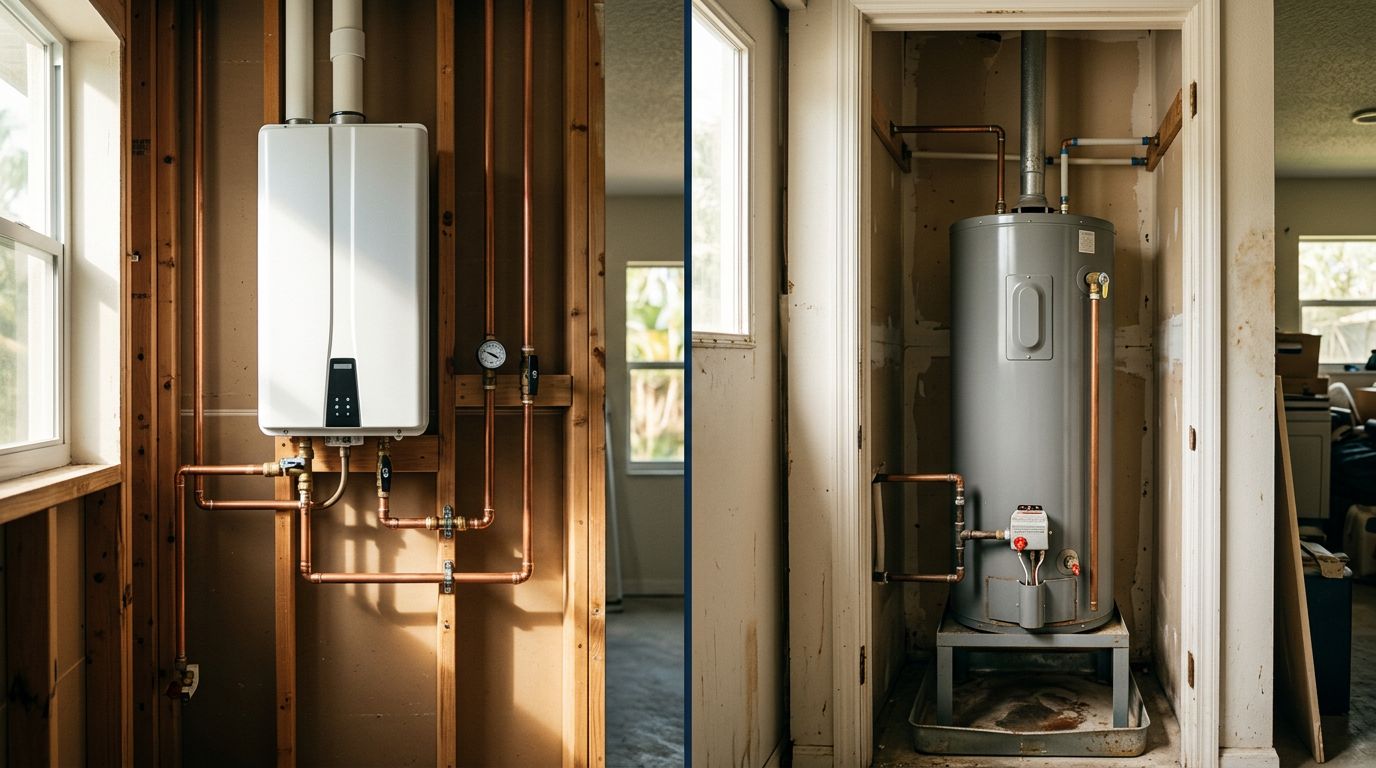
A remodeled kitchen or bath can contain products from several manufacturers. An appliance, faucet, water heater, window, roofing material, cabinet hinge, and HVAC component may each have separate warranty terms.
The product warranty may cover a manufacturing defect. It may not cover poor installation, improper maintenance, unauthorized modification, or damage caused by a storm.
| Problem | Likely first contact | Records to preserve |
|---|---|---|
| An appliance will not operate | Manufacturer or authorized service provider | Model, serial number, purchase date, and service report |
| A shower leaks at a connection | Remodeling contractor and plumbing trade | Photos, leak location, repair notes, and product information |
| Window hardware fails | Window manufacturer and installer | Product label, installation date, and inspection notes |
| Roofing material fails | Roofing contractor and manufacturer | Invoice, product details, roof photos, and weather history |
Ask who registered the product warranty and whether the contractor handled that step. Keep the original manuals, invoices, serial numbers, care instructions, and service contacts in your project file.
When the issue concerns both a product and its installation, notify both parties. A manufacturer may deny a claim if the installation was incorrect, while a contractor may need the manufacturer's inspection before replacing the item.
Permits, inspections, and the Florida Building Code
Permits are more than administrative paperwork. They show what work the local building department reviewed and which inspections occurred.
Lee County states that permits are required for many types of construction, enlargement, alteration, repair, demolition, and changes to a building or structure. Cape Coral, Fort Myers, and Sanibel homeowners should confirm current requirements with the appropriate Lee County or municipal department. Naples falls under Collier County, while Punta Gorda falls under Charlotte County.
Florida Statutes Section 553.79 ties permit approval to review under the Florida Building Code or applicable local amendments. That connection matters when a dispute involves structural work, electrical changes, plumbing, roof assemblies, windows, additions, or storm-related protection.
Keep the permit file
Ask for copies of the permit, approved plans, inspection results, correction notices, and final approval documents when applicable. Do not rely on a contractor's statement that the work passed inspection.
Unpermitted work can complicate warranty discussions, insurance claims, resale disclosures, and future repairs. It can also make it harder to determine whether the finished work met the approved code requirements.
Custom homes and additions need extra records
A custom home or room addition usually involves more systems and more inspection points than a cosmetic kitchen update. Keep the certificate of occupancy or completion documents, engineering information, truss or roof records, product approvals, and change orders.
For a custom build, ask how the builder handles the closeout package and which warranties transfer to you. A Southwest Florida custom home builder should be prepared to explain the process in plain language.
Florida's statutory warranty rules for certain newly constructed homes are separate from a project-specific remodeling warranty. Current legal summaries describe a newer statutory warranty effective July 1, 2025, with its own eligibility, timing, code-related standards, and exclusions. Custom home buyers should confirm the current rules with a Florida construction attorney rather than assuming those protections apply to a remodel.
Storm, flood, and water damage need a causation review
Southwest Florida homeowners in Cape Coral, Fort Myers, Naples, Punta Gorda, and Sanibel face weather conditions that can affect nearly every exterior system. A damaged roof, wet drywall, stained ceiling, or failed window seal does not identify the cause by itself.
Ordinary workmanship warranties commonly exclude losses caused by hurricanes, wind-borne debris, floodwater, lightning, natural disasters, and other events outside the contractor's control. That does not prevent a separate workmanship claim if the evidence shows that faulty installation made the damage worse.
Clues that may point to a construction defect
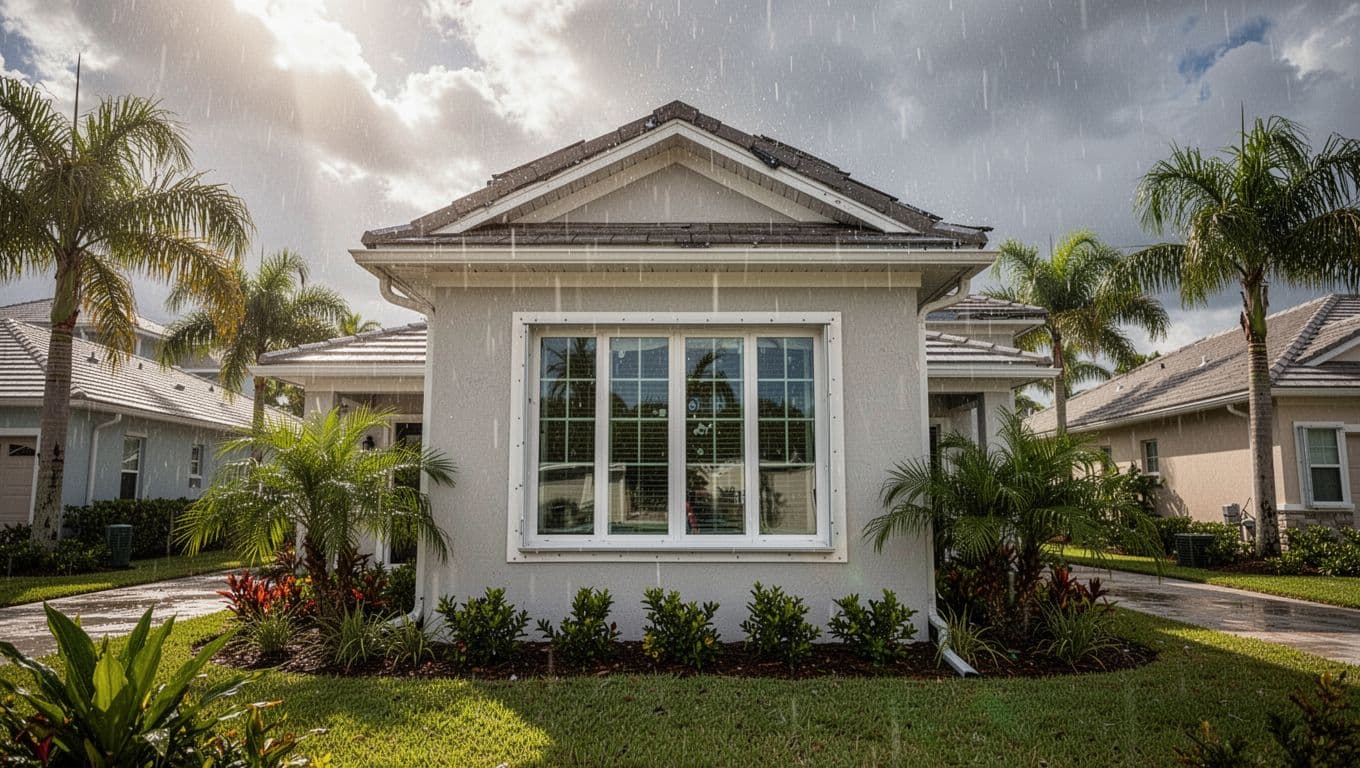
A leak that begins during ordinary rain soon after a remodel may point toward flashing, sealant, waterproofing, grading, or installation work. Repeated moisture at the same joint can also support a closer inspection.
Other useful clues include:
- Water enters through one window during normal rainfall.
- A shower leaks even when there is no exterior storm.
- An addition has a recurring roof or wall leak at a construction seam.
- A new drainage feature sends water toward the home because of incorrect slope.
- The same installation problem appears in several rooms.
Photographs, moisture readings, inspection reports, and repair records can help establish whether the issue began with the original work.
Clues that may point to storm, flood, or maintenance damage
Wind-driven rain during a hurricane, storm surge, rising floodwater, and debris impact can cause damage that falls outside a workmanship warranty. A roof puncture after a major storm is different from a roof flashing defect that leaks during normal weather.
Maintenance can also affect coverage. Clogged gutters, unsealed exterior joints, neglected HVAC filters, standing water, untreated corrosion, and delayed repairs may contribute to damage. Normal aging, fading, loose caulk, surface wear, and ordinary settling usually receive different treatment than a construction defect.
Do not discard damaged materials before documenting them. Your insurer, contractor, product manufacturer, or an independent inspector may need to examine the condition.
What to do when a remodel problem appears
Act promptly, but avoid making the problem harder to evaluate. A quick repair can stop additional damage, yet removing the failed material before taking photos may eliminate useful evidence.
Document the condition first
Use a simple record that includes:
- The date and time you noticed the issue.
- Photos and video of the affected area, nearby rooms, and exterior conditions.
- Weather conditions, especially any recent tropical storm or heavy rain.
- Copies of invoices, permits, inspection documents, warranties, and change orders.
- Temporary steps you took to prevent further damage.
- Every call, email, inspection, estimate, and repair proposal.
Notify the contractor in writing using the method required by the contract. Describe the location and symptoms without claiming a cause you cannot prove. Ask when the contractor can inspect the work and whether emergency repairs are approved.
Understand Florida defect procedures
Florida's Chapter 558 construction defect process generally requires written notice before filing a construction defect lawsuit. The statute generally calls for at least 60 days' notice, giving the contractor an opportunity to inspect and respond. Contract notice requirements may apply separately.
Florida also has limitation and repose periods that can affect construction defect claims. Current legal summaries commonly discuss a four-year period for many claims and a seven-year repose period for certain latent defects, measured from events such as completion or occupancy documents. Exceptions and triggering dates can change the analysis.
A later repair attempt does not necessarily restart the legal clock. If the dispute involves substantial water intrusion, structural work, code compliance, or a refused warranty claim, speak with a Florida construction attorney promptly.
Protect your warranty before and after the work
Good records begin before demolition. They also make routine maintenance easier after the renovation is complete.
Before signing, confirm these points
- The contract states the labor warranty period and its start date.
- Each major product has a manufacturer, model, and warranty contact.
- The agreement identifies who pulls permits and schedules inspections.
- The contractor explains the written notice and repair process.
- Change orders show how revised work affects price, schedule, and warranty terms.
- The contract states whether warranties transfer to a future owner.
- The contractor provides current license and insurance information.
You can also review how to verify a Florida contractor's license and insurance before signing.
After completion, maintain the closeout file
Store the contract, final invoice, warranties, manuals, permits, inspection records, approved plans, paint colors, tile details, appliance serial numbers, and photos in one physical or digital folder.
Schedule routine checks for roof penetrations, exterior caulk, window seals, plumbing connections, grout, drains, gutters, and HVAC equipment. Follow each product's care instructions, and record professional service.
A remodeling final walkthrough checklist can help you confirm that the contractor has addressed incomplete work and delivered the documents you may need later.
If you are planning a kitchen, bathroom, addition, or custom home project, Get a Free Estimate to discuss the scope, permit responsibilities, closeout documents, and warranty process before work begins.
Conclusion
Remodeling warranty coverage depends on the written agreement, the quality of the installation, manufacturer terms, permits, inspections, and the actual cause of damage. In Southwest Florida, storm and flood conditions make that cause especially important.
Keep your documents, report problems promptly, maintain the home, and avoid disturbing damaged materials before they are documented. A clear contract and complete project file give you the strongest starting point when a renovation problem appears.