Fixed Price vs Cost Plus Contracts in Florida
A remodeling budget can change quickly when walls open, material selections shift, or permits require extra work. Understanding fixed price vs cost plus contracts helps Florida homeowners choose a pricing structure that matches the project and their comfort with financial uncertainty.
The right contract depends on how clearly you can define the work before construction starts. A kitchen with finalized cabinets and finishes often suits a fixed price. A custom home or major addition may need cost-plus pricing because many decisions and site conditions develop during construction.
Fixed price vs cost plus contracts: the basic difference
The biggest difference is who carries the risk of changing costs.
With a fixed-price contract, the contractor agrees to complete a defined scope for a set amount. The price can increase or decrease when both parties approve a change order, but the contractor generally carries the risk of ordinary labor and material cost changes within the original scope.
With a cost-plus agreement, you pay the project's actual allowable costs, then add an agreed profit or fee. The final price changes as the project's cost changes. This structure gives you more flexibility, but it requires clear records and regular budget reviews.
Florida consumer guidance from The Florida Bar recommends stating the pricing method clearly in the written construction contract. A vague phrase such as "estimated cost" doesn't tell you enough about who pays when the budget moves.
How a fixed-price remodeling contract works
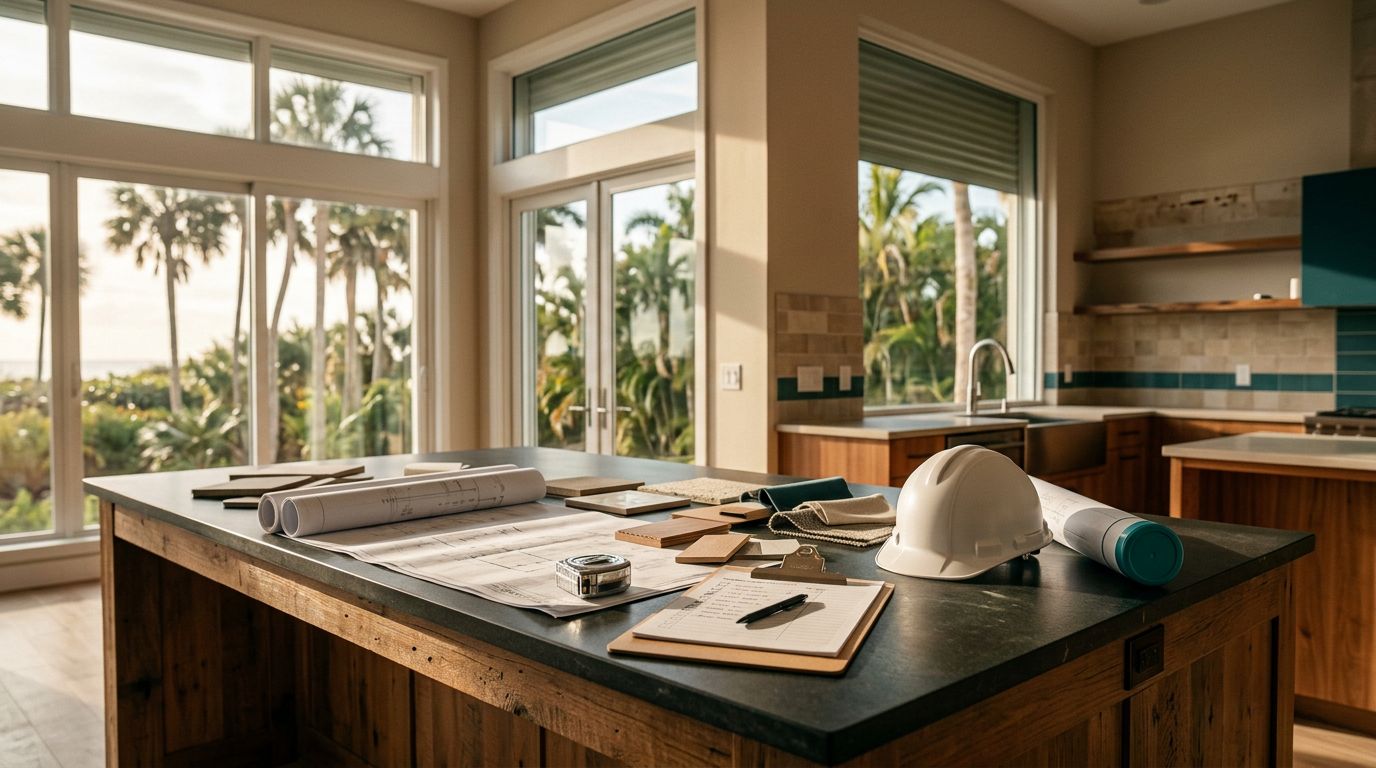
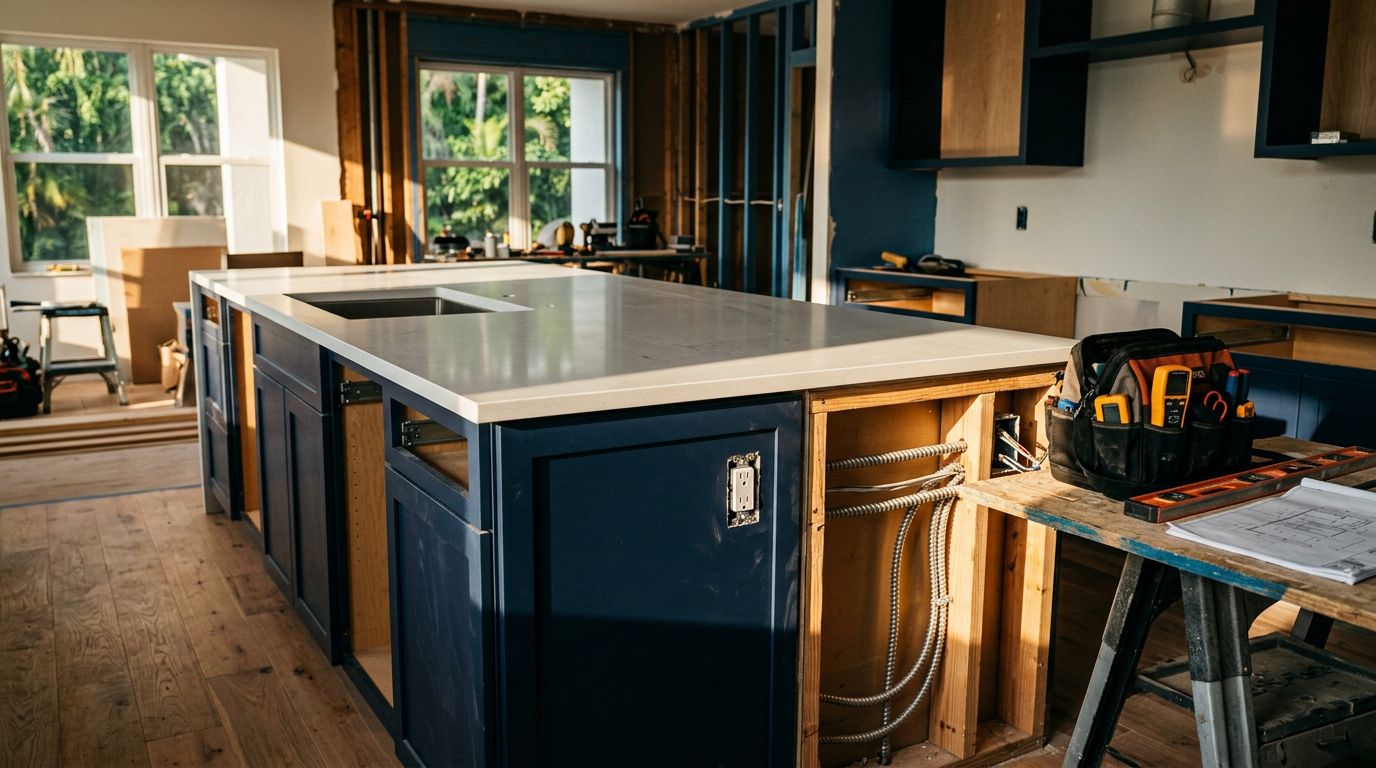
A fixed-price contract works best when the drawings, specifications, product selections, and project scope are complete. For a kitchen remodel, the contract might include demolition, cabinet installation, countertops, electrical work, plumbing changes, flooring, paint, permits, and cleanup.
If the agreed price is $95,000, that amount generally remains the contract price unless the scope changes. Choosing a more expensive countertop after signing, adding under-cabinet lighting, or moving a wall can create a price adjustment.
The strength of this structure is predictability. Its weakness is that the original scope must be precise. Exclusions and allowances can leave room for additional charges if the contract doesn't describe them clearly.
How a cost-plus remodeling contract works
A cost-plus contract reimburses the contractor for covered project costs, then adds a pre-agreed profit percentage or fee. The contract should define what counts as a reimbursable cost.
Those costs may include subcontractor invoices, materials, labor, equipment rental, permit fees, delivery charges, and applicable taxes. However, the agreement should state whether overhead, supervision, insurance, or subcontractor markups are included in the calculation.
The Florida Bar's consumer material identifies 20% to 25% as a typical cost-plus profit range. That percentage isn't a universal requirement or a guarantee of a final price. It is one term that homeowners and contractors negotiate before work begins.

What cost-plus-with-a-fee means
Cost-plus-with-a-fee is a cost-plus structure, but the contractor's compensation uses a clearly stated fee instead of, or in addition to, a percentage markup.
For example, suppose the allowable direct costs for a bathroom remodel total $60,000. A contract with a 20% fee could produce a $72,000 total before items outside the defined cost base. A contract with a fixed $15,000 construction fee would produce a $75,000 total at the same cost level.
Both methods can work. The contract must state the formula.
Percentage-based fees
A percentage fee rises as the underlying project cost rises. If the reimbursable cost base increases because the owner selects higher-end cabinets or adds a room, the contractor's fee may increase too, depending on the contract language.
Ask whether the percentage applies to direct costs only or also covers subcontractor markups, permits, equipment, design services, and approved change orders. Those details can produce a large difference on a custom home.
Fixed construction fees
A fixed fee gives the contractor a set amount for management, supervision, and profit. The reimbursable project costs can still change, but the fee doesn't rise unless the contract allows an adjustment.
This arrangement can make budget reviews easier. Still, the agreement should explain what happens when the scope expands substantially. Adding a new bathroom to a room addition may require a separate fee or a written modification.
Cost-plus-with-a-fee can offer useful flexibility, but it doesn't remove the need for a detailed scope, cost records, and written approvals.
Which contract fits your Florida remodeling project?
The best choice depends on the project's design status, existing conditions, and number of decisions still open.
Fixed price often fits defined kitchens and bathrooms
A fixed price may suit a kitchen remodel when the layout is complete and the major selections are known. Cabinet style, appliance locations, countertop material, flooring, lighting, plumbing fixtures, and paint colors can all be documented before construction.
The same applies to a bathroom with a settled shower layout, vanity, tile package, plumbing fixtures, and lighting plan. A clear allowance can cover a selection that hasn't been made yet, but the contract should explain how the allowance affects the final price.
Homeowners who need a firm financing target may prefer this structure. A fixed price also makes it easier to compare bids, provided every contractor priced the same scope.
Before comparing numbers, use tips for comparing contractor estimates to check whether demolition, permits, waterproofing, electrical upgrades, debris removal, and finish work appear in each proposal.
Cost-plus can fit custom homes and complex additions
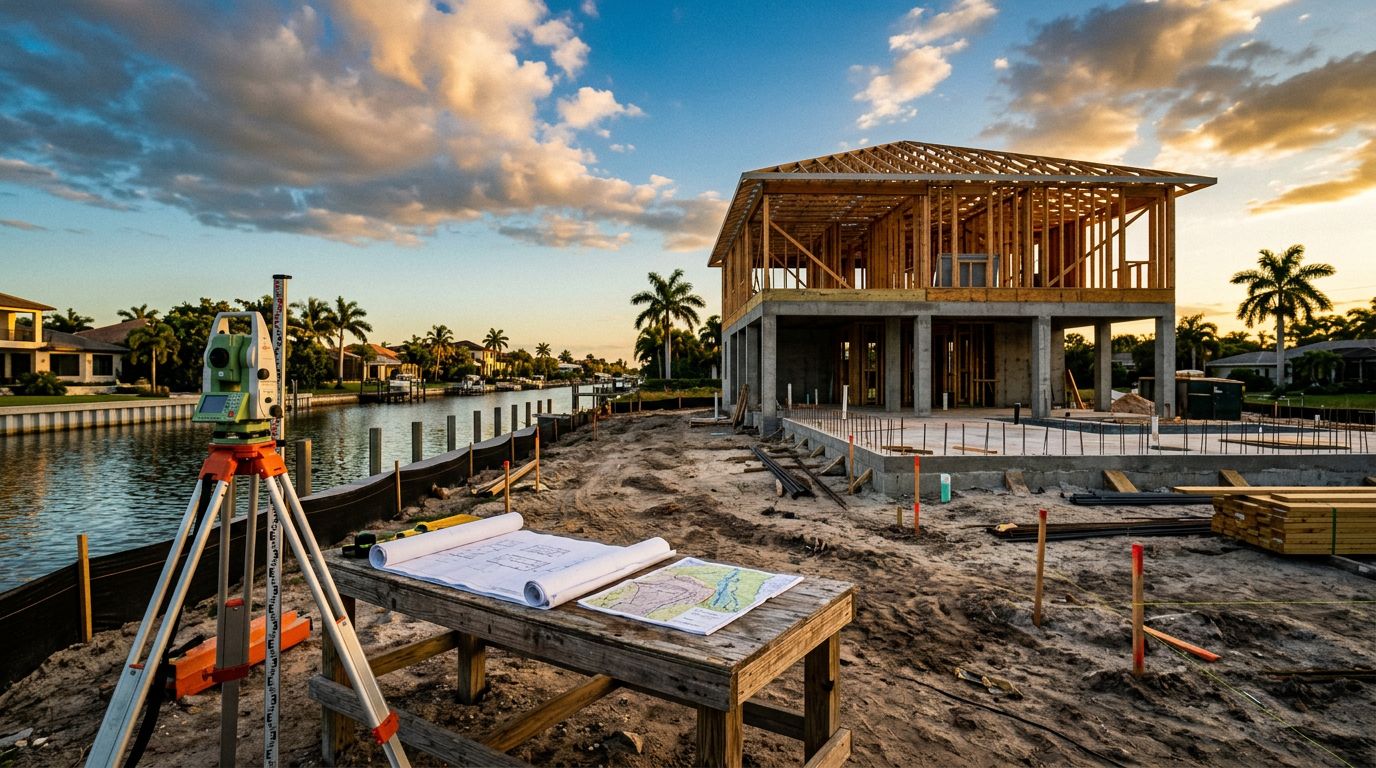
Cost-plus may fit custom home construction or a major addition when plans are still developing. Site work, structural details, long-lead products, engineering decisions, and owner selections can affect the budget over time.
A room addition tied into an older Florida home may also reveal conditions behind walls or below floors. A cost-plus structure can accommodate approved changes without forcing a contractor to price every unknown into the original bid.
The tradeoff is budget control. You'll need to review cost reports, approve selections promptly, and understand how each change affects the remaining budget. A guaranteed maximum price, if offered, can add another layer of protection. It should state what the maximum includes and which owner-requested changes or excluded conditions fall outside it.
What your Florida remodeling contract should document
A contract protects the working relationship by replacing assumptions with written terms. The price structure should appear near the beginning, followed by the information that supports it.
Scope, plans, allowances, and exclusions
The scope should identify the work room by room. For a kitchen, that may include cabinet quantities, countertop square footage, appliance installation, plumbing fixture changes, electrical circuits, lighting, flooring, drywall repair, trim, painting, and cleanup.
Attach plans, finish schedules, and specifications when they exist. Then list exclusions, such as owner-purchased appliances, furniture moving, mold remediation, structural engineering, or repairs outside the work area.
Allowances need equal attention. An allowance is a budget placeholder for an item that hasn't been selected. If the contract includes a $4,000 plumbing fixture allowance and the final selections cost $5,200, the agreement should state whether the $1,200 difference includes a markup or fee.
Price, payments, licenses, and notices
The contract should state the total fixed price or the cost-plus formula. It should also identify the payment schedule, deposit, progress draws, retainage if any, final payment conditions, and the records provided with cost-plus invoices.
Confirm the contractor's legal business name and Florida license information. Chapter 489 of the Florida Statutes covers construction contracting and includes the residential contractor category for covered one-family, two-family, and three-family residences.
Florida's construction lien laws also affect residential remodeling. Chapter 713 addresses the Notice of Commencement, Notices to Owner, lien rights, and the definition of contract price. Ask how the contractor handles lien-related notices and what documentation you should keep.
Section 520.73 contains form and content requirements for certain home-improvement contracts. Because application depends on the project and contract, ask a Florida construction attorney to review the agreement when you have legal concerns.

How unexpected conditions and change orders affect price
Hidden conditions are common sources of remodeling disputes. A contractor can't see every pipe, wire, framing connection, slab condition, or area of water damage before demolition.
Florida homes also face conditions tied to humidity, storm exposure, moisture intrusion, and prior repairs. However, those possibilities don't automatically justify an unlimited price increase. The contract should explain how concealed conditions are handled.
Hidden work should have a written path
If demolition reveals damaged subflooring beneath a bathroom or corroded plumbing inside a wall, the contractor should document the condition with photos and a written description. The proposed repair should identify labor, materials, subcontractor costs, overhead, fee, and added time.
The homeowner can then approve the work, reject it when practical, or request another solution. Work that affects safety, code compliance, waterproofing, or structural integrity may require prompt attention, but the price and schedule should still be recorded.
Florida Statutes section 713.01 treats extras and change orders as additions or deletions to the original contract work. The contract price can rise or fall based on those approved changes.
Owner changes also affect the schedule
A change order isn't limited to hidden damage. It can cover a new tile pattern, upgraded appliances, relocated plumbing, added lighting, a larger island, or a revised room layout.
Every change order should state:
- The exact work being added or removed.
- The price increase or credit.
- The effect on the completion date.
- The products, drawings, or specifications involved.
- The signatures or written approvals required before work starts.
Florida Administrative Code Rule 60D-5.0092 describes adjustments to changed work using actual or estimated out-of-pocket costs, including labor, materials, equipment, overhead, and profit. That approach supports a clear written record for both fixed-price and cost-plus projects.
How the final price is tracked under each structure
The same kitchen can produce different budgeting experiences under fixed price and cost-plus terms.
| Pricing structure | How the homeowner pays | Main budget concern |
|---|---|---|
| Fixed price | A set contract amount, adjusted by approved changes | Gaps in scope, allowances, and change orders |
| Cost-plus percentage | Actual covered costs plus a stated percentage | Rising project costs also increase the fee |
| Cost-plus fixed fee | Actual covered costs plus a set fee | The cost base must be defined and documented |
With fixed price, progress payments usually follow milestones such as demolition, cabinet delivery, installation, countertops, and completion. A change order should alter the contract amount only after written approval.
With cost-plus, the contractor should provide invoices, receipts, payroll records, or other agreed support for reimbursable expenses. Monthly cost reports can show the original budget, approved changes, amount spent, unpaid commitments, and projected balance.
Florida Statutes section 489.126 addresses situations where a residential contractor receives money in excess of the value of work performed and then fails or refuses to perform for a stated period. That rule doesn't replace a well-planned draw schedule. Payments should still relate to documented progress and the contract terms.
For either structure, retain copies of the contract, selections, invoices, permits, inspections, change orders, payment records, and final releases. These records can help resolve a disagreement and support lien-related administration.
Questions to ask before you sign
A good pricing conversation should produce direct answers, not general promises. Ask the contractor:
- Which items are included in the base scope, and which are excluded?
- Is the price fixed, cost-plus, or cost-plus-with-a-fee?
- What does the term "cost" include?
- Does the fee apply to subcontractors, materials, permits, equipment, and change orders?
- How are allowances calculated when the final selection costs more or less?
- Will you receive invoices or cost reports for reimbursable expenses?
- Who can approve a change order, and does approval need to happen before work begins?
- How will concealed damage, permit corrections, and code-required work affect the price?
- What payment schedule matches the expected progress?
- How are lien notices, final releases, warranties, and closeout documents handled?
You should also compare the contractor's process with the project's size. A simple bathroom renovation may not need the same reporting system as a custom home, but every agreement needs clear pricing rules.
Homeowners planning a kitchen, bathroom, addition, or custom residence can Get a Free Estimate to discuss the scope and budget before choosing a contract structure.
Conclusion
Fixed-price contracts offer stronger cost predictability when the design and selections are complete. Cost-plus and cost-plus-with-a-fee contracts offer flexibility when a custom home or major addition includes open decisions and difficult-to-price conditions.
The contract matters more than the label. Define the scope, explain allowances, identify every reimbursable cost, set a written change-order process, and connect payments to documented progress. When you compare fixed price vs cost plus contracts in Florida, choose the structure that matches how much of the project is known before construction starts.