How to Build a Finish Selection Schedule in Florida
Every late cabinet decision can push a countertop template, plumbing rough-in, and installation date. A clear finish selection schedule keeps those choices visible, priced, assigned, and tied to the construction calendar.
Florida remodels need extra care because humidity, salt air, intense sun, storms, and supply delays affect both product performance and timing. Use the schedule below for a kitchen, bathroom, room addition, or custom home, then confirm project requirements with your contractor, designer, suppliers, and local building department.
Build a finish selection schedule before choosing finishes
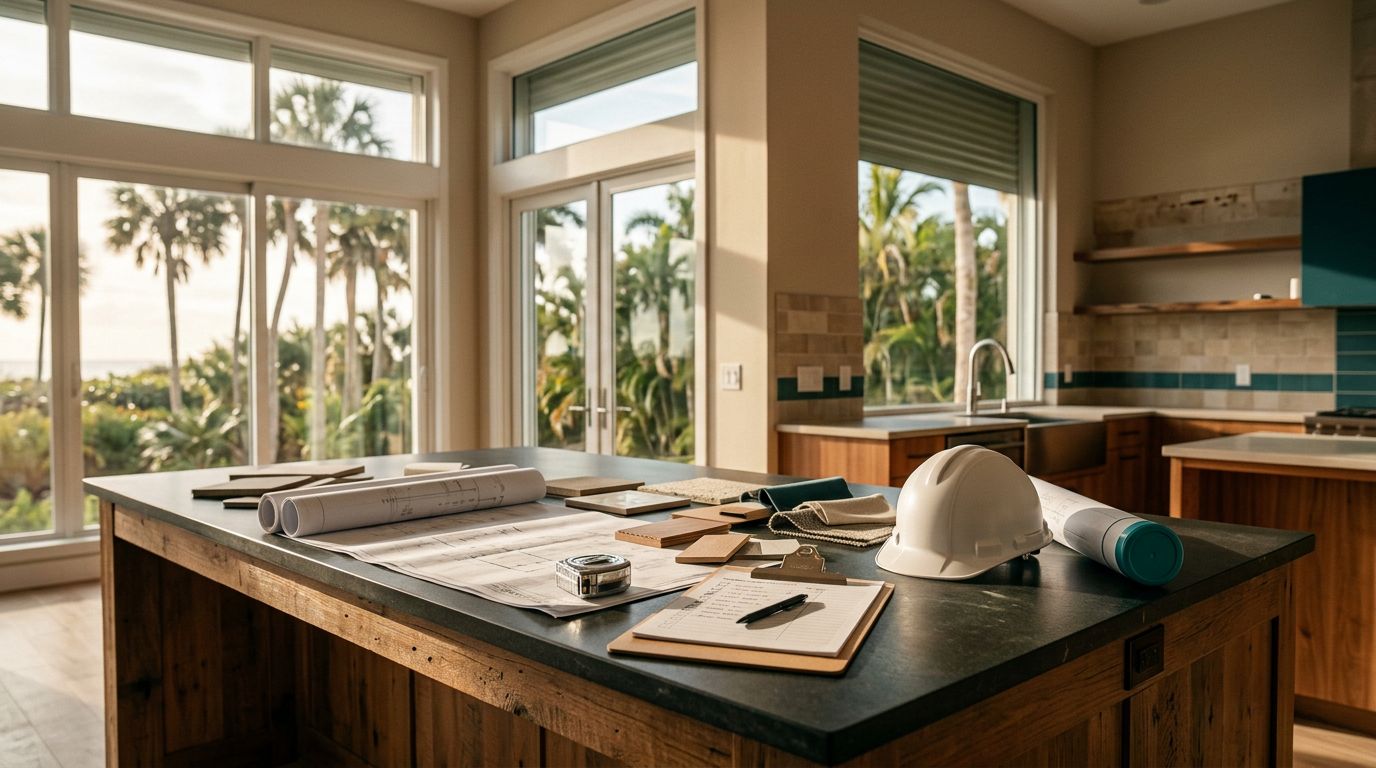
A finish schedule works best when you create it before visiting showrooms. Start with the approved scope, floor plans, elevations, and construction sequence. Then divide the project into rooms and finish categories.
The schedule can live in a shared spreadsheet, project management platform, or printed binder. Use one current version so homeowners, designers, contractors, and subcontractors don't work from conflicting information. A useful Southwest Florida preconstruction meeting checklist can help identify decisions that need attention before demolition or ordering.
Start with the project scope
List every room affected by the work, including spaces that may seem minor. A kitchen remodel may include a pantry, hallway flooring, laundry area, powder room, and exterior door. A custom home needs additional categories for porches, garages, pool areas, utility spaces, and exterior elevations.
Next, list the trade connected to each decision. Cabinetry may involve the designer, cabinet supplier, electrician, plumber, and countertop fabricator. A bathroom shower finish may affect the tile installer, waterproofing details, glass company, plumber, and framing crew.
Keep product information together
Each selection should include the manufacturer, model or style name, color, size, finish, quantity, and installation notes. Add a photo or product data sheet when possible. This record reduces mistakes when a product has several similar colors or when a supplier changes availability.
A sample becomes a finished selection after the product, quantity, price, installation requirement, and approval are recorded.
Organize selections by room and trade
Room-by-room organization helps homeowners picture the completed space. Trade-by-trade organization helps the construction team order materials and coordinate rough-ins. Your schedule should use both views.
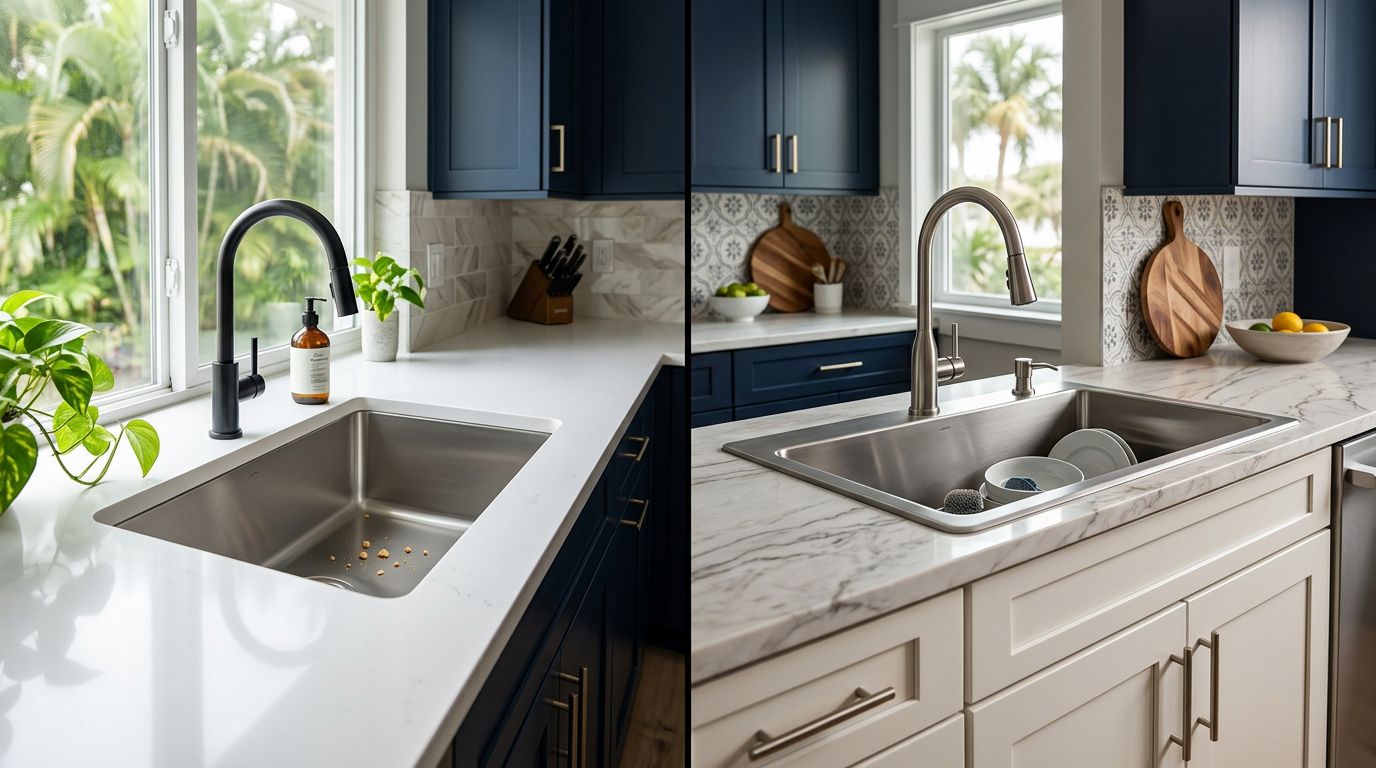
For example, a kitchen faucet belongs to the kitchen, but it also belongs to plumbing. Its mounting style may affect the countertop, cabinet clearance, water lines, and backsplash layout. Tracking only the room can hide those connections.
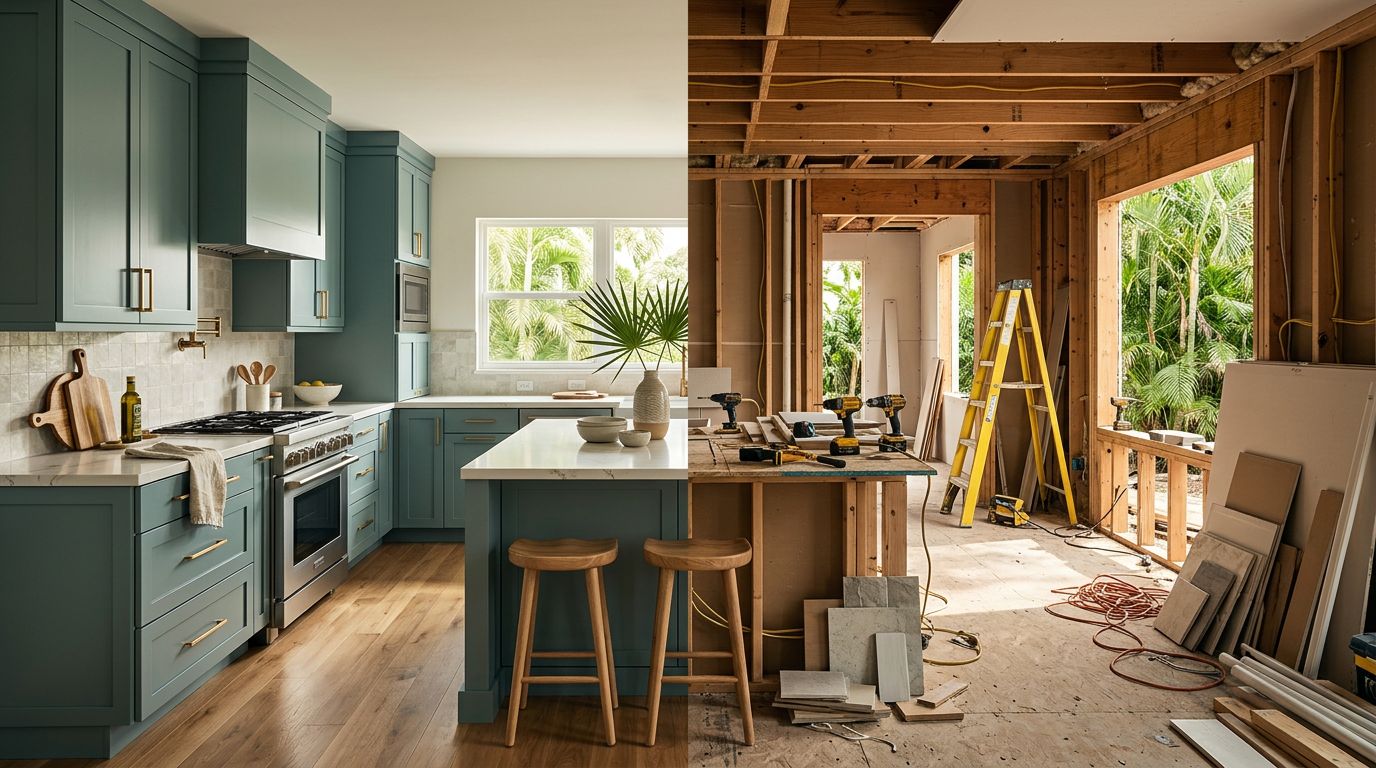
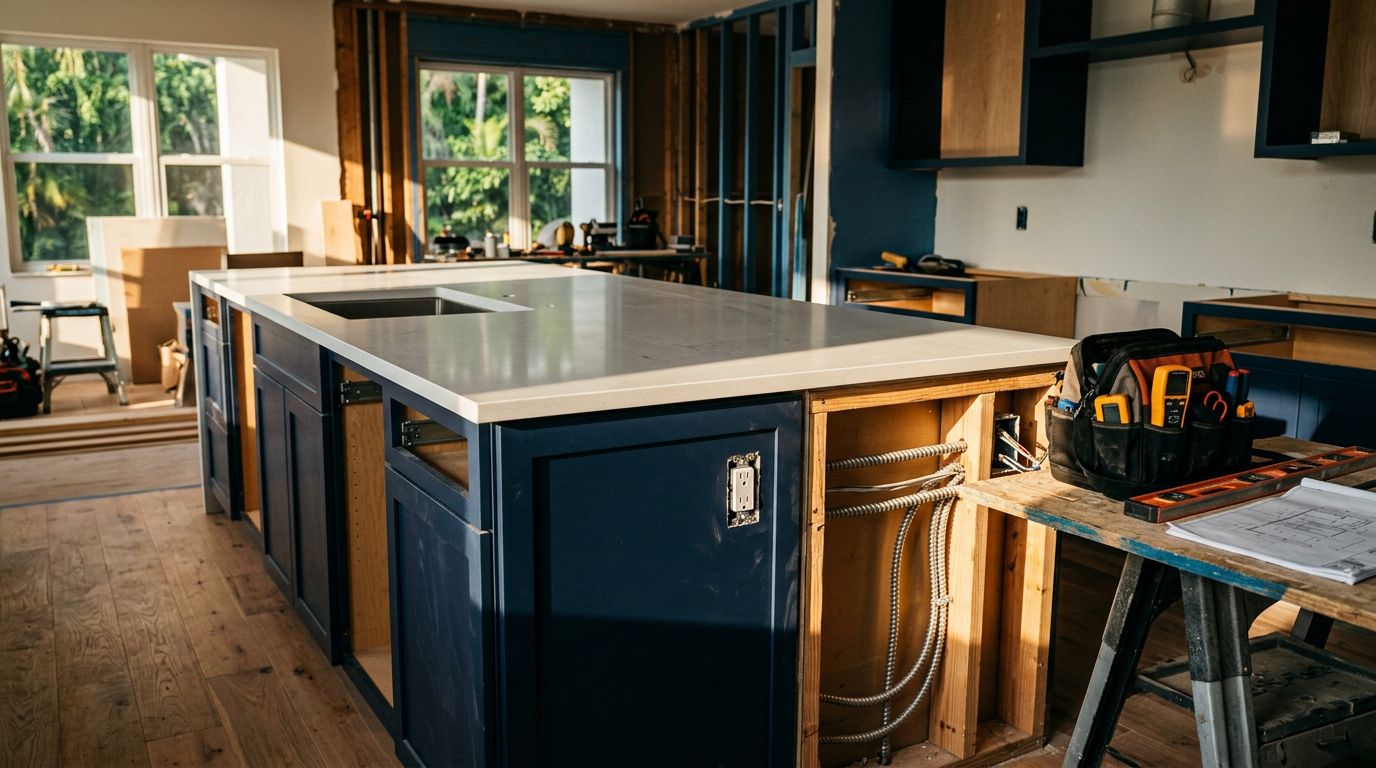
Group kitchen selections around installation order
Kitchen decisions often need to happen in a set sequence:
- Cabinet layout and finish come before countertop measurements.
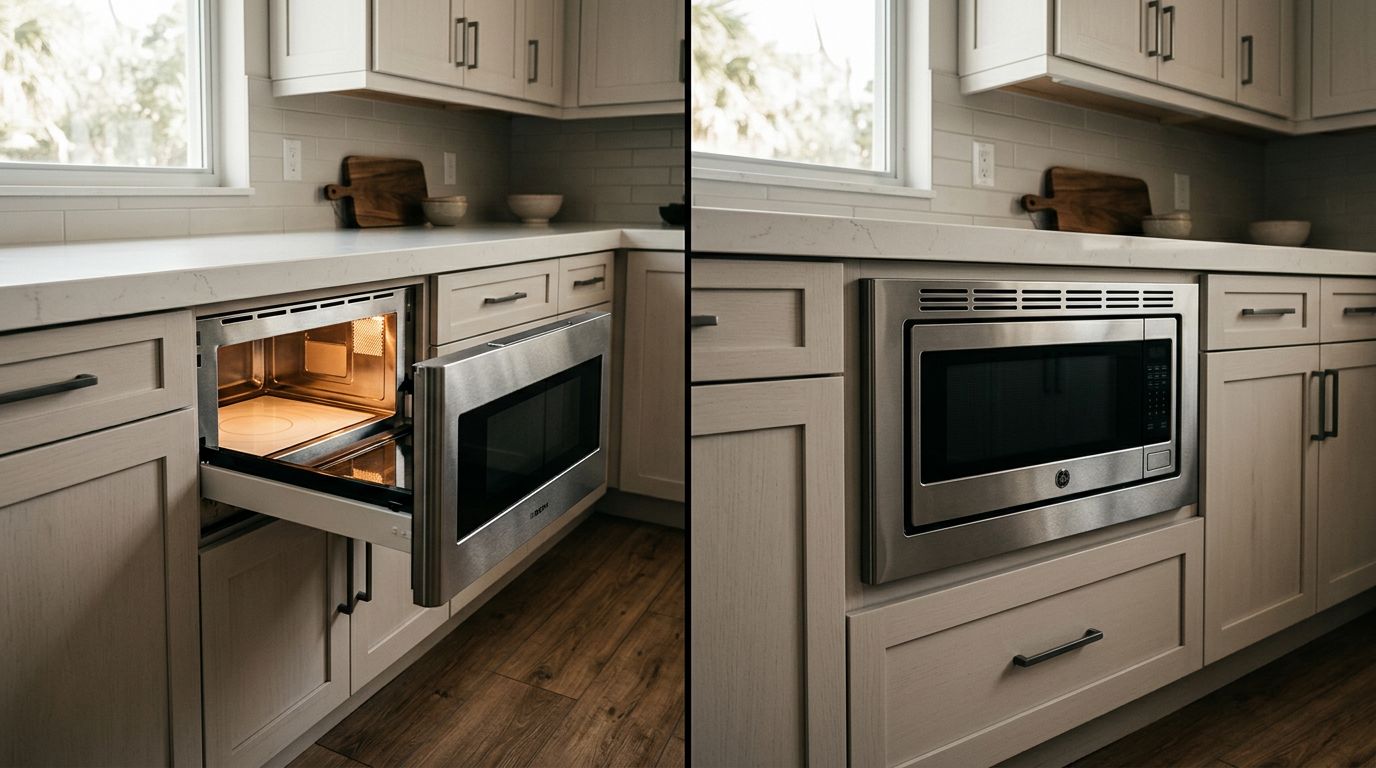
- Appliance dimensions come before cabinet fabrication and electrical rough-in.
- Sink, faucet, and soap dispenser locations affect the countertop template.
- Backsplash tile depends on cabinet height, countertop thickness, and outlet placement.
- Pendant lights depend on the island size, ceiling height, and electrical plan.
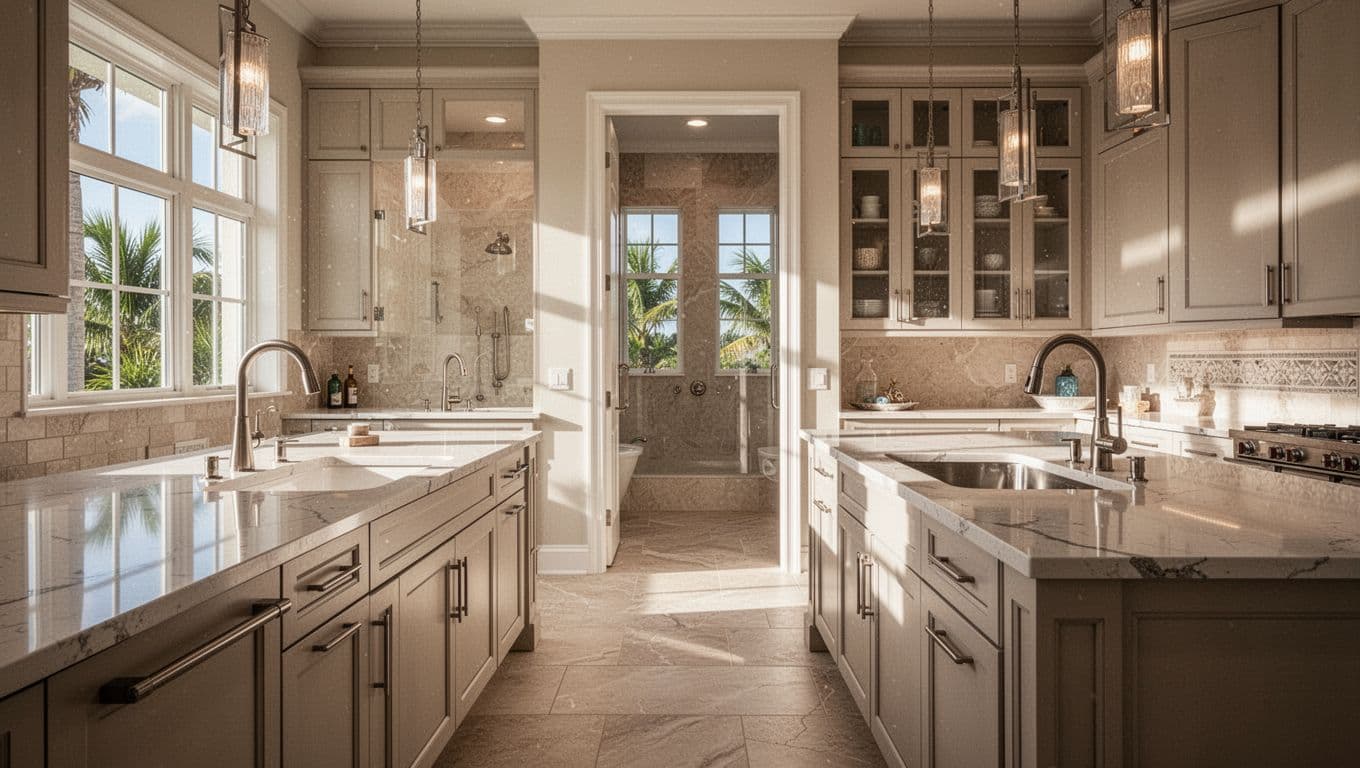
Record flooring, cabinetry, countertops, plumbing fixtures, lighting, appliances, paint, backsplash tile, and hardware in the kitchen portion of the schedule. Include details such as cabinet door style, paint or stain color, countertop edge, tile grout color, appliance panel requirements, and cabinet pull dimensions.
Separate bathroom finishes by surface and system
Bathrooms need more than a tile color. List floor tile, shower wall tile, accent tile, grout, waterproofing system, shower pan, niche finish, vanity, countertop, sink, faucet, shower trim, tub, toilet, mirrors, lighting, exhaust fan, shower glass, towel bars, and paint.
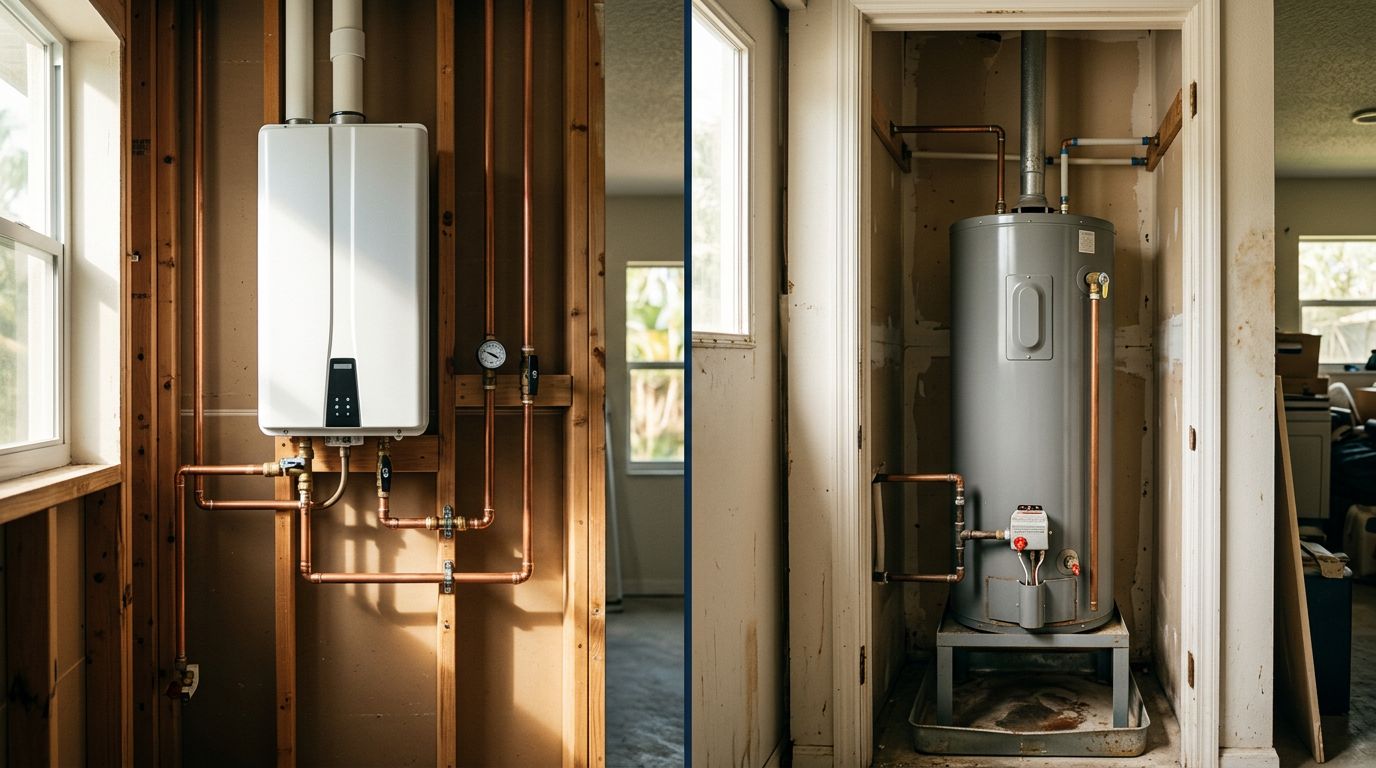
A tile choice can affect several trades. Large-format tile may require a flatter substrate and a different layout than small mosaic tile. A wall-mounted faucet needs the correct valve depth before the wall closes. Shower glass measurements happen after finished tile, so that item needs a place on the schedule even when it gets ordered later.
For a custom home, repeat this process for each bathroom rather than using one general "bath fixtures" line. Primary, guest, pool, and cabana bathrooms often have different budgets and installation dates.
Add deadlines, lead times, allowances, and owners
A useful schedule answers four practical questions: What is being selected? When is it needed? Who approves it? What happens if the choice changes?
Add a decision deadline based on the installation date, not the day you hope to visit a showroom. If cabinets install in October, the cabinet order deadline may fall months earlier. Countertops usually require cabinets to be installed and leveled before fabrication, so the countertop decision still needs approval before cabinet installation.
Work backward from the site milestone
Use this sequence for each item:
- Identify the installation date or rough-in date.
- Confirm the supplier's current production and shipping time.
- Add time for design revisions, homeowner approval, freight, and inspection issues.
- Set the internal decision deadline.
- Mark the date when the order must be placed.
Lead times vary by supplier and product. As a 2026 planning reference, stock cabinets may take about one to three weeks, semi-custom cabinets about four to eight weeks, and custom cabinets about eight to twelve weeks in Southwest Florida. Custom bathroom vanities often take six to eight weeks. Confirm current availability before relying on any range, and review Florida remodel material lead times for 2026 when building the calendar.
Track allowances separately from final prices
An allowance is a budget amount carried in the contract before the final product is chosen. It isn't the same as a confirmed price. Your schedule should show the allowance, selected product price, tax, freight, installation impact, and approved difference.
For example, a plumbing allowance may cover a standard faucet, while a specialty faucet costs more and requires a different rough-in valve. A tile allowance may cover the material but not additional layout work, trim pieces, waterproofing, or extra labor.
Assign each selection to a responsible party. The homeowner may approve color and style, while the designer confirms coordination, the contractor checks installation requirements, and the supplier confirms stock. Use simple status terms such as Open , In review , Approved , Ordered , Received , and Installed .
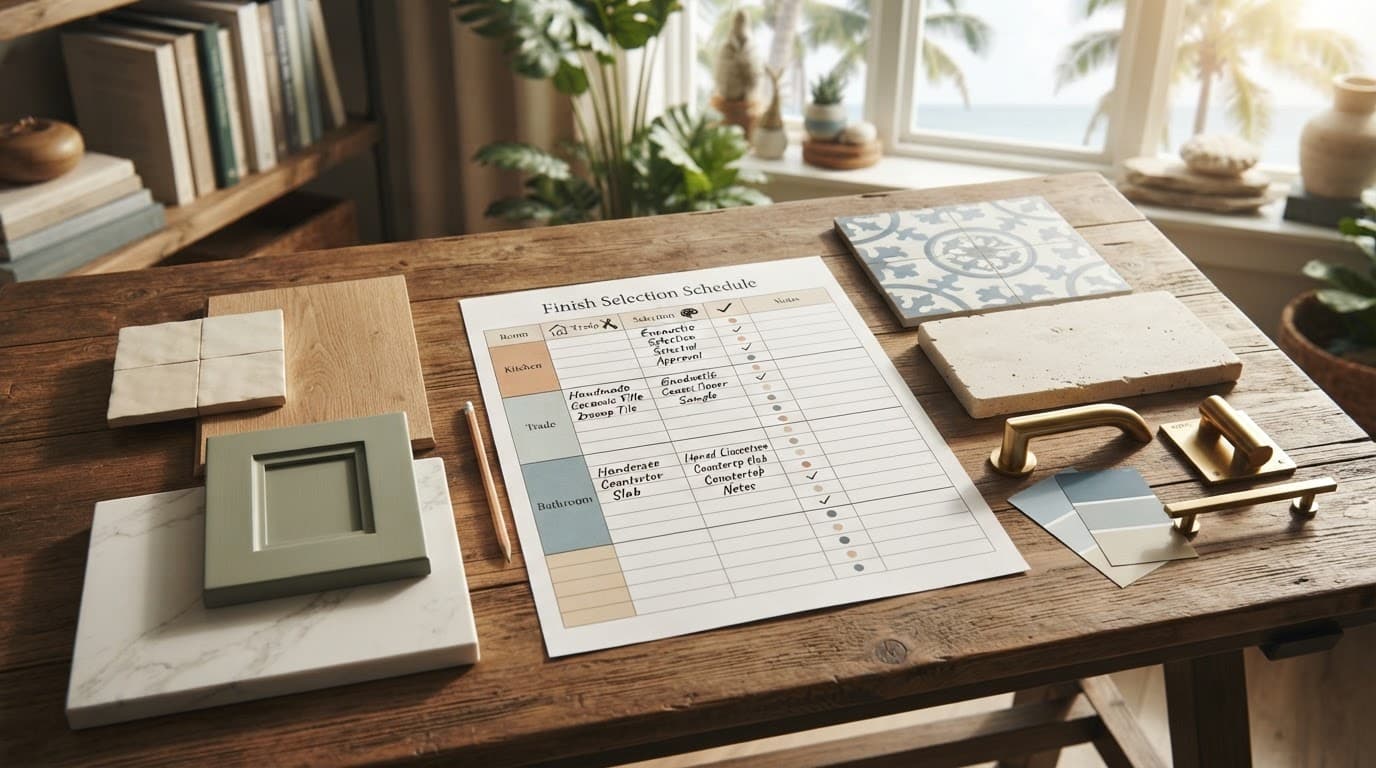
Use this sample finish selection schedule
Adapt the columns to your project and add rows for every room. The responsible party column prevents decisions from sitting between the homeowner, designer, contractor, and supplier.
| Room or area | Trade | Selection | Decision deadline | Lead time | Allowance | Responsible party | Status |
|---|---|---|---|---|---|---|---|
| Kitchen | Cabinetry | Door style, color, hardware | 14 weeks before install | 8 to 12 weeks | $_____ | Homeowner and designer | Open |
| Kitchen | Countertops | Quartz, color, edge profile | Before cabinet order | 2 to 4 weeks after template | $_____ | Homeowner and fabricator | In review |
| Kitchen | Plumbing | Sink and faucet | Before rough-in | 1 to 6 weeks | $_____ | Homeowner and plumber | Open |
| Kitchen | Electrical | Pendants and recessed lights | Before electrical rough-in | 1 to 6 weeks | $_____ | Homeowner and electrician | Open |
| Kitchen | Appliances | Models, sizes, panels | Before cabinet fabrication | 2 to 12 weeks | $_____ | Homeowner and contractor | Approved |
| Primary bath | Tile | Floor, shower, grout, trim | Before waterproofing | 1 to 8 weeks | $_____ | Homeowner and tile installer | Open |
| Primary bath | Glass | Shower enclosure style | Before tile completion | 2 to 6 weeks | $_____ | Contractor and glass supplier | Open |
| Whole home | Flooring | Tile, wood-look, or other material | Before flooring installation | 1 to 8 weeks | $_____ | Homeowner and flooring supplier | Open |
| Exterior | Openings | Windows and exterior doors | Before permit order milestone | Confirm with supplier | $_____ | Contractor and design team | In review |
The schedule should show the difference between a decision deadline and a delivery date. An item can be approved but still unreceived, or delivered but not ready for installation. That distinction helps the project team spot problems early.
Check Florida conditions before approving materials
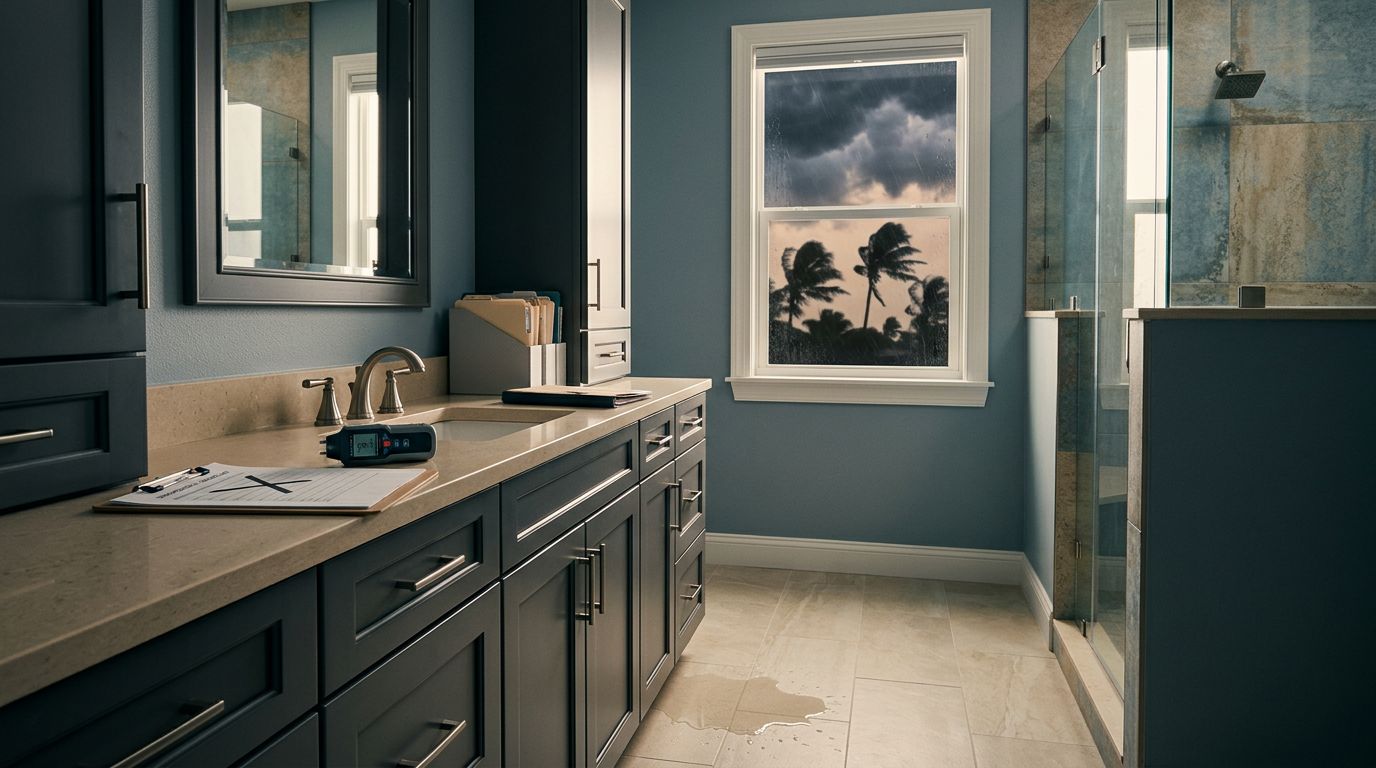
Florida conditions should influence selections before a product reaches the order stage. A finish that looks good in a showroom may need different maintenance or installation details near the Gulf, on a screened lanai, or in a humid bathroom.
Plan for humidity and moisture exposure
Use moisture-tolerant materials in kitchens, bathrooms, laundry rooms, pool areas, and other damp spaces. Porcelain tile is common for wet-area floors and walls, but the schedule should also identify grout, waterproofing, substrate requirements, transitions, and sealers.
Cabinetry needs adequate ventilation and protection from recurring moisture. Record the finish, construction details supplied by the manufacturer, and any care instructions. For paint, note whether the product is approved for the room's conditions and whether the surface needs a primer or special preparation.
Ventilation belongs in the schedule too. Confirm kitchen exhaust, bathroom exhaust, makeup air where required, HVAC layout, and whole-house moisture management before closing walls or ordering moisture-sensitive finishes.
Account for salt air and UV exposure
Homes near Naples, Sanibel, Fort Myers, Cape Coral, and other coastal areas may need corrosion-resistant exterior lighting, fasteners, door hardware, and plumbing-related metal components. Confirm material compatibility instead of assuming that every stainless or plated finish performs the same way in salt air.
Florida sun can fade paint, flooring, fabrics, exterior doors, and finishes. Ask suppliers about UV exposure, color stability, warranty limits, and maintenance. Exterior coatings, trim, cladding, and roof materials need a separate exterior review rather than a quick color approval.
Verify storm and permit requirements
Florida's statewide baseline is the 8th Edition (2023) Florida Building Code , effective December 31, 2023. Before ordering windows, exterior doors, or other envelope products, confirm the applicable requirements with the building department that will review the project.
Local procedures, amendments, flood-zone conditions, wind exposure, and product approval documents can affect the specification. A hurricane-rated or impact-rated product still needs to match the approved opening, installation method, and project location. Keep manufacturer approvals and installation instructions with the schedule.
Use this short Florida review before marking exterior selections approved:
- Confirm the permit path and code edition with the local building department.
- Check impact, wind, flood, and installation requirements for exterior openings.
- Review corrosion resistance for coastal hardware, lights, fasteners, and trim.
- Confirm UV and mildew resistance for exterior paint and coatings.
- Verify ventilation and moisture-control plans before ordering interior finishes.
- Check current stock, shipping, and replacement availability with each supplier.
Close approvals before materials are ordered
Set a clear approval process at the beginning of the project. A homeowner may choose a finish, but the contractor should still verify dimensions, rough-in compatibility, lead time, and installation requirements. A selection isn't ready for ordering until those questions have answers.
Save approval dates and written confirmations in the same file as the schedule. Include revised drawings when a selection changes an outlet, plumbing location, cabinet dimension, tile layout, or door swing.
When a product becomes unavailable, record the replacement as a new selection. Compare its size, performance, finish, price, warranty, and installation needs with the original. Don't allow a field substitution without written approval.
Your contract should also explain allowances, change orders, delivery responsibility, storage, damage checks, and what happens when an owner decision misses its deadline. This guide to reading a remodeling contract in Southwest Florida covers the terms that connect finish decisions with project cost and schedule.
If you're planning a kitchen, bath, addition, or custom home, Get a Free Estimate before finalizing the selection calendar. A site review can connect your finish choices to the existing structure, permit path, and construction sequence.
Conclusion
A finish selection schedule gives every product a place, deadline, price, owner, and approval status. Organize it by room and trade, work backward from installation dates, and separate allowances from confirmed selections.
Florida projects also need checks for humidity, salt air, UV exposure, ventilation, storm requirements, local approvals, and current material availability. When those details are confirmed before ordering, your choices support the construction plan instead of delaying it.