Solid Surface vs Tile Shower Walls in Florida Bathrooms
Florida bathrooms deal with heat, humidity, frequent showers, and moisture that can expose weak materials or poor installation. When comparing solid surface vs tile shower walls , the right choice depends on maintenance, design, budget, and the condition of the wall system behind the finish.
Solid surface panels offer fewer joints and easier cleaning. Tile offers broader design options and flexible pricing. Neither material can compensate for missing waterproofing, an unstable substrate, or careless installation. Start with the performance needs of your bathroom, then choose the finish that supports them.
Key Takeaways
- Solid surface panels have fewer grout joints and usually require less daily cleaning.
- Tile provides more choices for color, pattern, size, texture, and layout.
- Florida moisture makes waterproofing, ventilation, slope, and sealing important for either material.
- Solid surface can reduce grout maintenance, while tile may offer more flexibility for a tighter material budget.
- Installation quality often matters more than the wall finish alone.
How Solid Surface and Tile Shower Walls Compare
Solid surface shower walls are large panels made from engineered materials, often a blend of resins and mineral fillers. Products may be sold under different brand names and can vary in thickness, finish, color, and repairability. These panels are different from fiberglass or acrylic surrounds, which are typically molded units with a lighter, more plastic-like construction.
Tile shower walls use individual ceramic, porcelain, glass, stone, or other approved tile pieces installed over a suitable waterproofed surface. Grout fills the joints between tiles, while movement joints and flexible sealants help manage changes at corners and transitions.
The basic comparison looks like this:
| Feature | Solid surface panels | Tile walls |
|---|---|---|
| Joints | Few, often limited to panel seams and corners | Many grout joints, depending on tile size |
| Cleaning | Usually easier because there is less grout | Requires regular attention to grout and caulk |
| Design | Broad colors and stone-inspired patterns | Extensive sizes, patterns, borders, and textures |
| Repairs | Minor damage may be repairable, depending on product | Individual tiles can often be replaced |
| Installation | Requires accurate measuring and careful panel fitting | Requires layout, cutting, setting, grouting, and sealing |
| Cost range | Material cost may be higher, with less installation labor | Material and labor costs vary widely |
| Best fit | Low-maintenance, clean-lined bathrooms | Detailed designs and customized layouts |
Neither surface is automatically waterproof by itself. The wall assembly behind the finish must direct water toward the drain and prevent moisture from entering framing or adjacent rooms.
Why Solid Surface Panels Appeal to Florida Homeowners
The main advantage of solid surface shower panels is the reduced number of joints. A typical panel system may have long vertical seams and sealed corners instead of grout lines covering the entire wall. That leaves fewer areas for soap residue, mineral deposits, and mildew staining to collect.
This matters in Southwest Florida, where warm, damp conditions can make bathroom cleaning more demanding. A squeegee, mild cleaner, and soft cloth may handle routine care, although the manufacturer's instructions should always guide product selection.
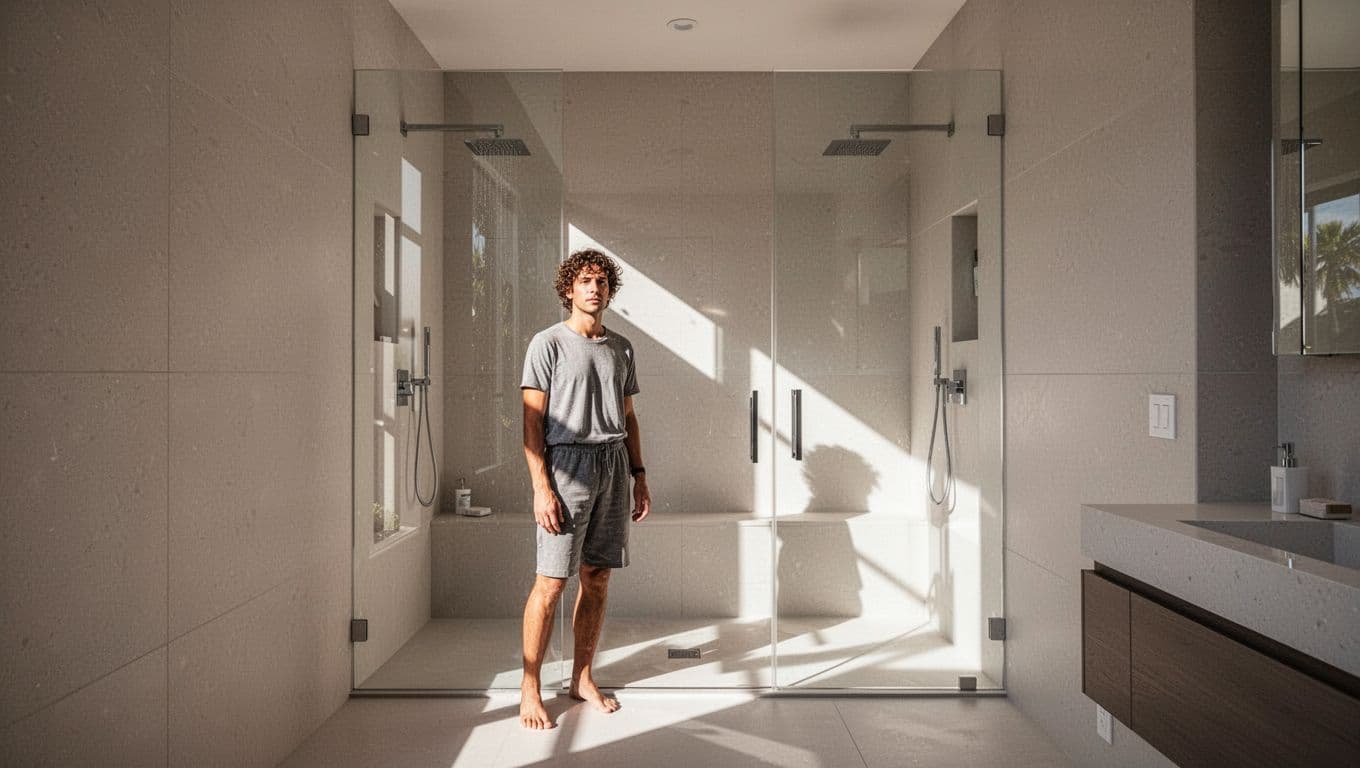
Large panels also create a calm appearance in a contemporary bathroom. Many products resemble marble, quartz, concrete, or other stone patterns without requiring dozens of separate pieces. A homeowner can pair the walls with a contrasting shower floor, niche trim, or glass enclosure for a custom look.
Solid surface can work well in a remodel where reducing demolition time matters. Installers still need to remove damaged materials, check the framing, prepare the substrate, and build a proper waterproofing system. However, the wall finish itself may require fewer individual installation steps than a tile layout.
There are tradeoffs. Panel seams must be measured and sealed carefully. A poor cut around a valve, niche, or bench can affect both appearance and water protection. Some surfaces can scratch or discolor from harsh cleaners, so abrasive powders and unapproved chemicals should stay out of the shower.
Solid surface reduces grout maintenance, but it doesn't eliminate seams, corner sealant, or the need for a waterproof wall system.
Where Tile Still Makes More Sense
Tile gives you greater freedom when the shower design depends on detailed patterns or exact proportions. You can combine field tile with mosaics, accent bands, textured pieces, trim profiles, and multiple colors. Porcelain and ceramic are common choices, but they don't perform identically.
For a closer look at water absorption, durability, and design considerations, review these ceramic and porcelain tile options for Florida bathroom walls.
Large-format porcelain can create a more continuous appearance with fewer joints than small tile. Smaller tile may work better on curved walls, benches, or areas that require more adjustment. Mosaic tile is often practical for shower floors because its many joints help follow the sloped surface, although grout maintenance increases.
Tile also provides a practical repair advantage. If one tile cracks or becomes damaged, a qualified installer may remove and replace that piece without replacing an entire wall panel. Matching older tile can be difficult, especially if the product has been discontinued. Still, individual replacement is often more targeted than repairing a large panel.
Grout is the central maintenance issue. Cement-based grout can absorb moisture unless it is properly installed and maintained. Sealing helps protect some grout products, but it doesn't make them maintenance-free. Epoxy grout resists staining and water absorption better than traditional cement grout, yet it costs more and requires experienced installation.
Tile can fit budget-conscious projects because product prices range from basic ceramic to premium porcelain, glass, stone, and handmade tile. Labor can rise with complex patterns, many cuts, small pieces, niches, benches, and careful alignment.
Florida-Specific Factors That Should Guide the Decision
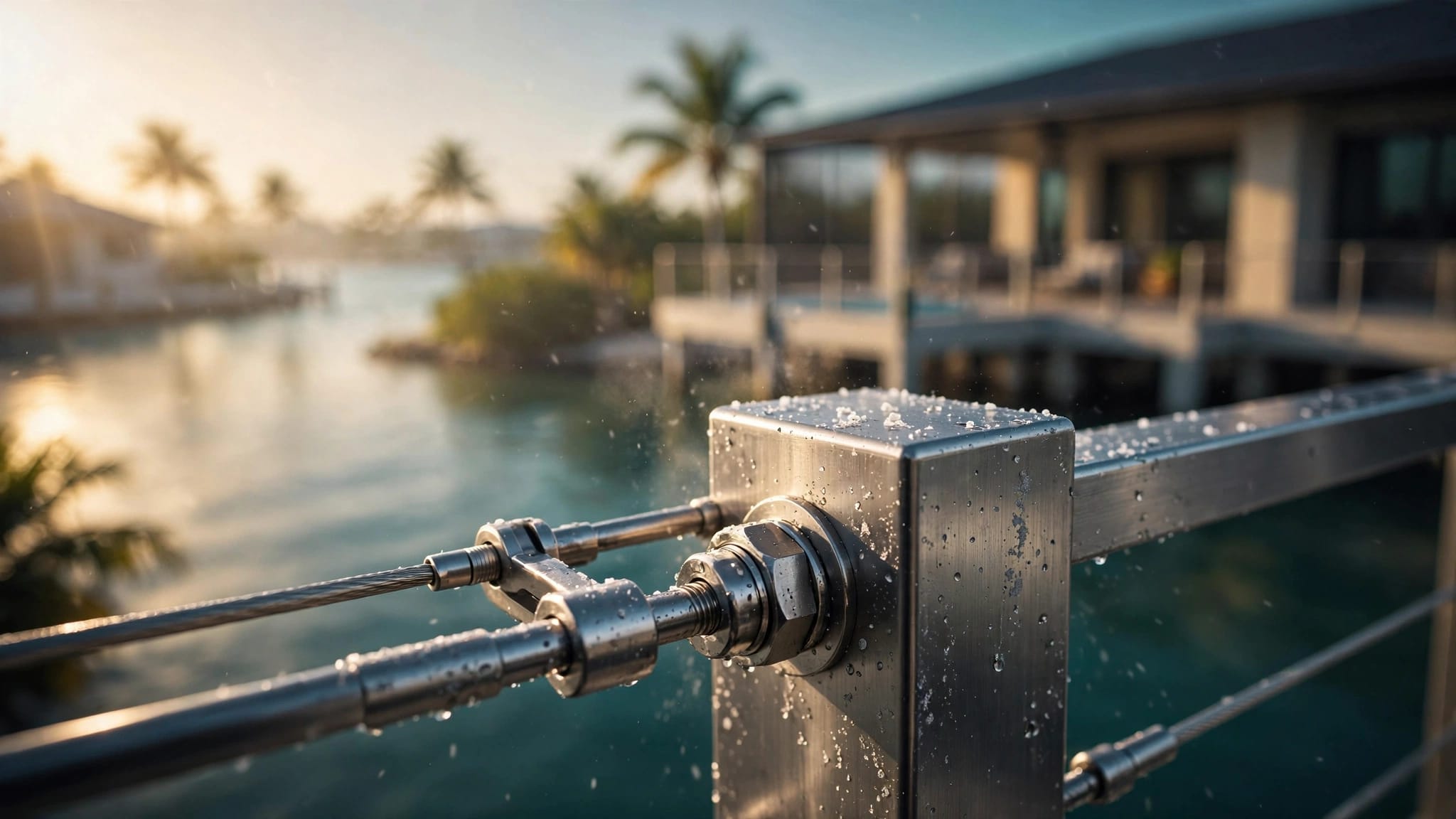
Humidity is only one part of the Florida bathroom equation. Your shower also faces repeated wetting, temperature changes, cleaning chemicals, and sometimes hard-water deposits. In coastal communities, salt-laden air can affect metal fixtures and hardware, so the entire bathroom specification should work together.
The waterproofing system deserves more attention than the surface color. Depending on the design, a contractor may use a sheet membrane, liquid-applied membrane, or a manufactured backer-board system with approved waterproofing components. The system must follow the product requirements and local building practices.
Important details include:
- A stable, properly prepared substrate behind the finish
- Waterproofing at walls, corners, niches, benches, and plumbing penetrations
- Correct shower-floor slope toward the drain
- Properly sealed transitions around the shower pan or floor
- Flexible sealant at changes of plane instead of rigid grout where required
- Adequate bathroom ventilation to reduce lingering humidity
The drain design can affect your wall and floor layout. A wide walk-in shower with large-format tile may benefit from a linear drain, while an existing center drain can make a conventional remodel more practical. Compare shower drainage options for custom bathrooms before finalizing the floor plan.
Existing conditions also matter. A slab home may require more work to move plumbing. An older bathroom may have hidden water damage, uneven framing, or a shower pan that needs replacement. These conditions can change the project cost regardless of whether you select panels or tile.
Cost, Maintenance, and Installation Quality
A solid surface shower may cost more in materials, but fewer joints can reduce installation time and routine cleaning. Tile offers a wider material price range, yet labor rises when the design includes intricate layouts or extensive waterproofing details.
A useful comparison includes the full installed system, not only the visible wall finish. Ask whether the estimate includes demolition, substrate repair, waterproofing, niches, benches, trim, sealants, grout, shower doors, and disposal. A low material price can lose its advantage when the installation requires many custom cuts.
Maintenance costs also deserve a place in the decision. Solid surface usually reduces grout cleaning and periodic sealing. Tile can remain attractive for decades, but grout and caulk may need cleaning, resealing, or replacement over time. Neither choice is maintenance-free, especially in a frequently used shower.
Installation quality determines whether either material performs properly. Panels need accurate templating and sealed penetrations. Tile needs a flat substrate, correct mortar coverage, aligned joints, suitable grout, and protected movement areas. In both cases, the contractor should explain the waterproofing products and the sequence of work before installation begins.
For a bathroom remodel in Cape Coral, Fort Myers, Naples, Punta Gorda, or Sanibel, a local project review can also account for the home's age, plumbing layout, ventilation, and existing moisture damage. A detailed onsite evaluation is more useful than comparing material prices in isolation. Homeowners planning a custom bathroom can Get a Free Estimate for a closer look at the space and the work involved.
Which Shower Wall Material Fits Your Remodeling Goals?
Solid surface may be the better fit when easy cleaning, fewer grout joints, and a simple contemporary appearance are your priorities. It can also suit homeowners who want a stone-inspired look without a highly detailed tile layout.
Tile may fit better when design flexibility matters most. It gives you more control over pattern, scale, trim, color, and texture. Tile is also worth considering when you want to replace individual damaged pieces in the future or coordinate the shower with a more detailed bathroom floor.
For a budget-conscious remodel, compare complete installed costs. Basic tile may cost less than premium panels, but a complex tile design can exceed the price of a straightforward solid surface installation. Ask for matching scopes of work so you aren't comparing a finished waterproofed shower with a material-only allowance.
Long-term remodeling plans deserve attention too. If you expect to stay in the home for many years, choose the system that fits your cleaning habits and design preferences. If resale matters, neutral colors, sound waterproofing, and professional workmanship usually matter more than a trend-driven finish.
The best decision may combine both materials. For example, solid surface walls can pair with a tile shower floor, or tile walls can coordinate with a solid surface bench or niche shelf. The details must be compatible, properly supported, and sealed at every transition.
Conclusion
The choice between solid surface and tile shower walls comes down to how you use the bathroom and how much maintenance you want. Solid surface is a strong option for low-maintenance, clean-lined designs. Tile remains the better choice for detailed layouts, broad style options, and flexible material pricing.
Florida's moisture makes the installation system the deciding factor for long-term performance. Whichever finish you choose, invest in proper waterproofing, careful detailing, and a contractor who will inspect the conditions behind the old shower. A beautiful wall is valuable, but a dry, properly built shower is what protects the remodel.