Homeowners Insurance During a Florida Remodel: What to Check
A beautiful new kitchen or bath can raise your home's value, but it can also expose gaps in your policy. A homeowners insurance remodel review should happen before demolition, not after a storm, leak, or theft claim puts the details under a microscope.
In Florida, a renovation can affect your replacement-cost limit, hurricane deductible, underwriting eligibility, and coverage for materials waiting on-site. Start the conversation early, keep records throughout the job, and update the policy again when the work is finished.
Review homeowners insurance before demolition starts
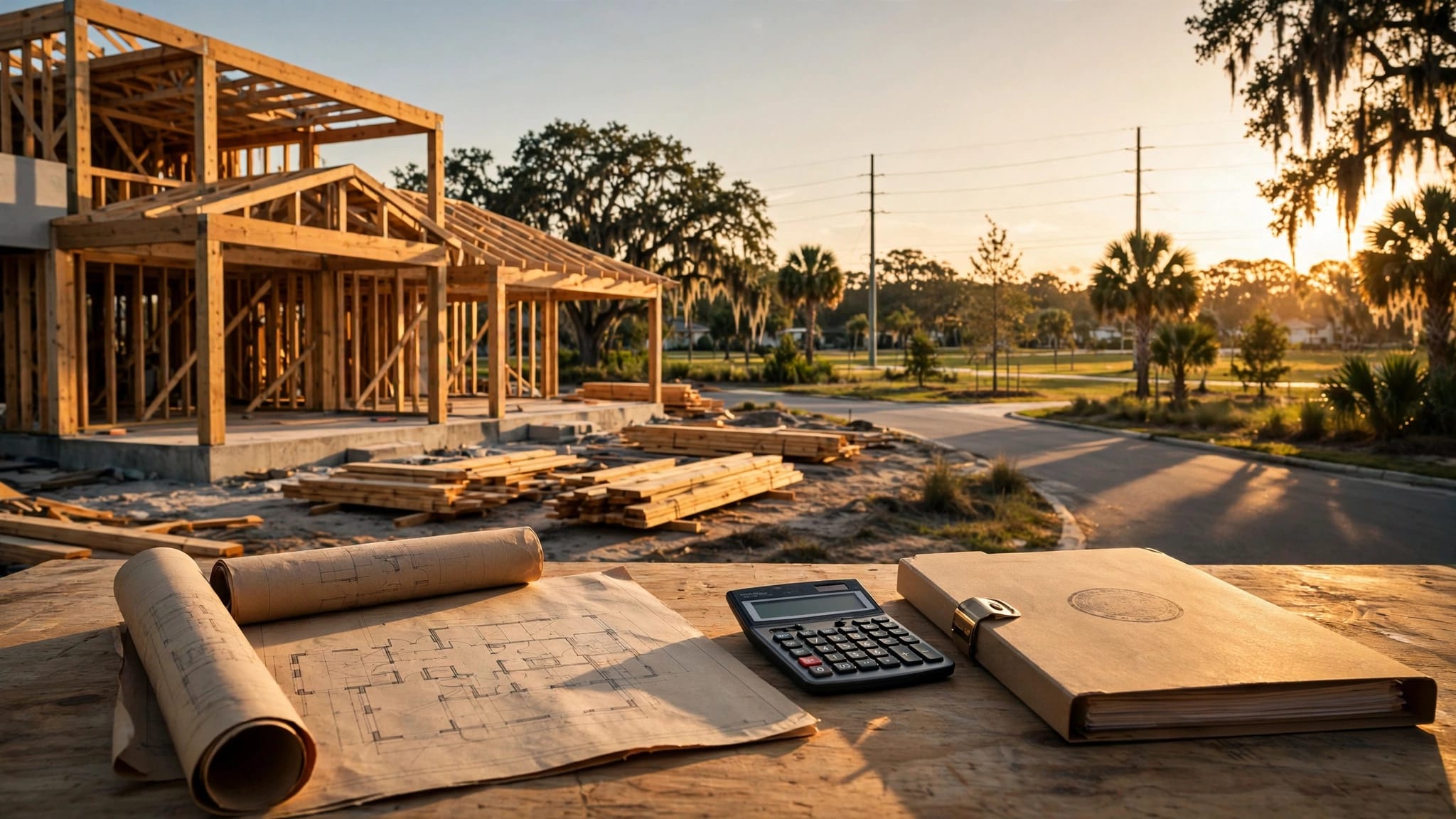
Call your insurer as soon as the project scope is clear. Describe the work in writing, including major layout changes, plumbing or electrical replacement, a roof project, impact-rated windows, structural work, and any room addition.
Ask whether the company requires notice before construction begins. A carrier may view a large kitchen renovation, whole-home gut job, or addition as a material change in risk. It may request an updated inspection, confirmation of permits, or a higher Coverage A limit.

Photo by Mikhail Nilov
Update the replacement-cost estimate
Market value and replacement cost are different numbers. Your insurer uses replacement cost to estimate what it would take to rebuild the house, not what it could sell for.
Custom cabinetry, stone countertops, tile, upgraded plumbing, premium appliances, and a new addition can all raise that figure. Ask the insurer to run a revised replacement-cost estimate based on completed plans and selected finishes. Keep your plans, specifications, and signed contract available.
Florida law requires homeowners insurers to offer replacement-cost coverage for dwelling losses up to the policy limit, along with law-and-ordinance coverage options. Review both before construction begins.
Confirm coverage for code upgrades
A covered loss can force work beyond the damaged area. Current building codes, local permit rules, floodplain requirements, or wind-resistance standards may require upgrades to undamaged portions of the home.
Law-and-ordinance coverage can help pay eligible code-related costs, but limits vary by policy. Ask how much coverage you have for demolition, debris removal, and required upgrades. Those limits matter most in older homes receiving a major renovation.
Florida risks that change a homeowners insurance remodel
Florida weather and water exposure make policy details more important during an open-wall or open-roof project. Read the declarations page and endorsements instead of relying on a general description of "full coverage."
Check wind and hurricane deductibles in dollars
Many Florida policies use a separate hurricane deductible. It is often a percentage of Coverage A, rather than a flat dollar amount.
If a renovation raises your dwelling limit from $500,000 to $650,000, a 2% hurricane deductible rises from $10,000 to $13,000. Ask the insurer to state the deductible percentage and the actual dollar amount at both your current and planned coverage limits.
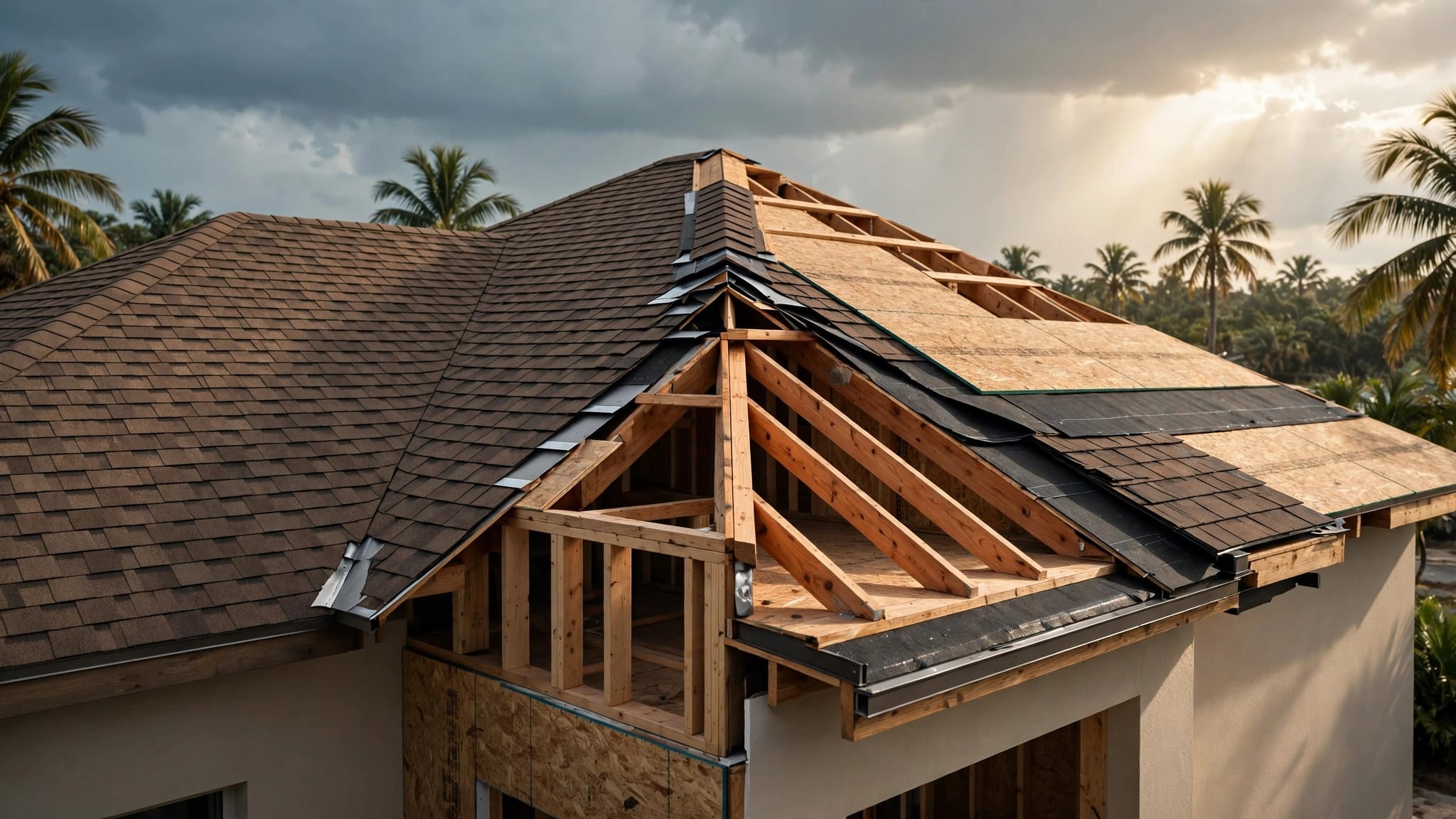
Also ask how the policy treats temporary roof coverings, partially installed doors or windows, and water intrusion after wind damage. Those details can matter when a hurricane approaches during construction.
A higher dwelling limit can improve your rebuilding protection while also increasing a percentage-based hurricane deductible.
Flood, water damage, and theft need separate questions
Standard homeowners insurance generally does not cover flood damage. Check whether you need an NFIP or private flood policy, especially near the coast, canals, rivers, or low-lying areas.
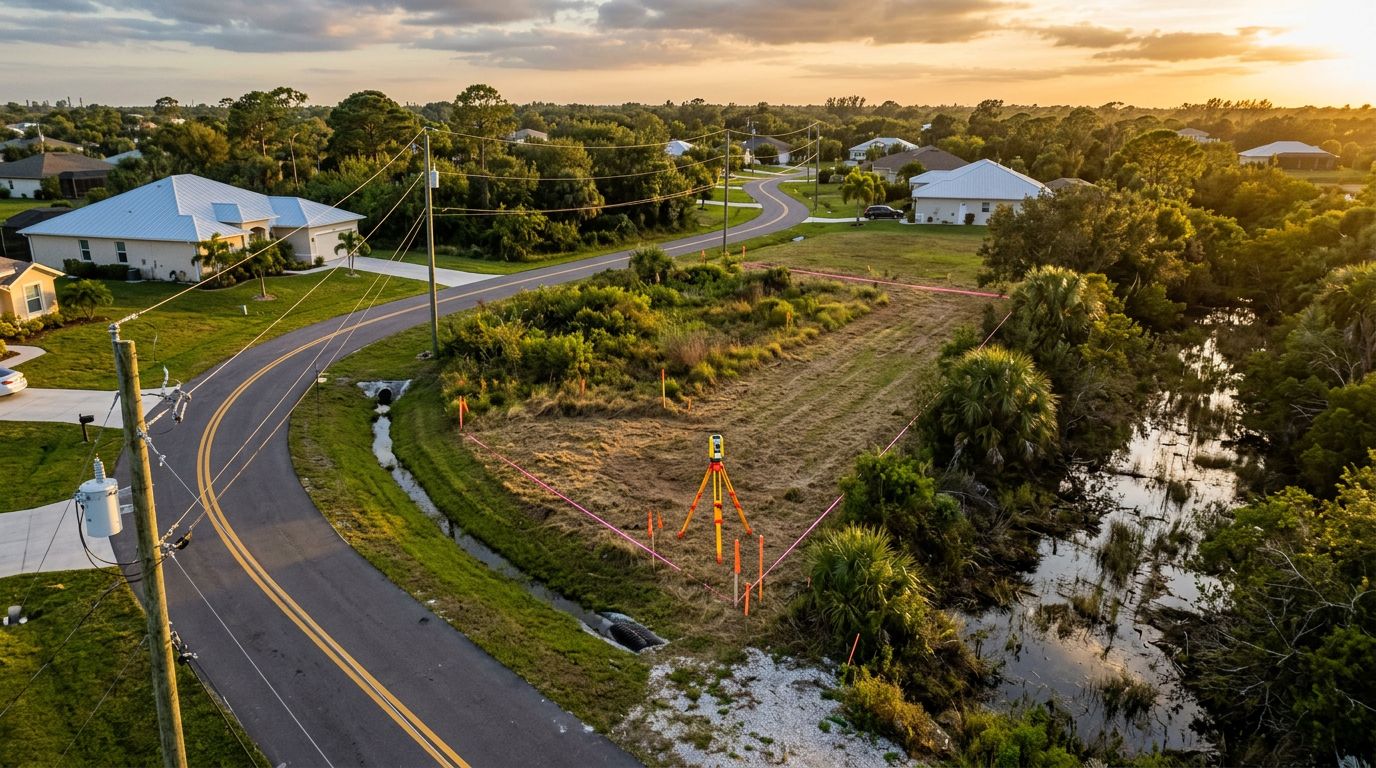
A substantial improvement may also trigger floodplain rules. Many communities use the 50% threshold, measured against the structure's pre-work market value, to determine whether a project must meet current flood standards. Confirm the local rule with the building department and a licensed professional.
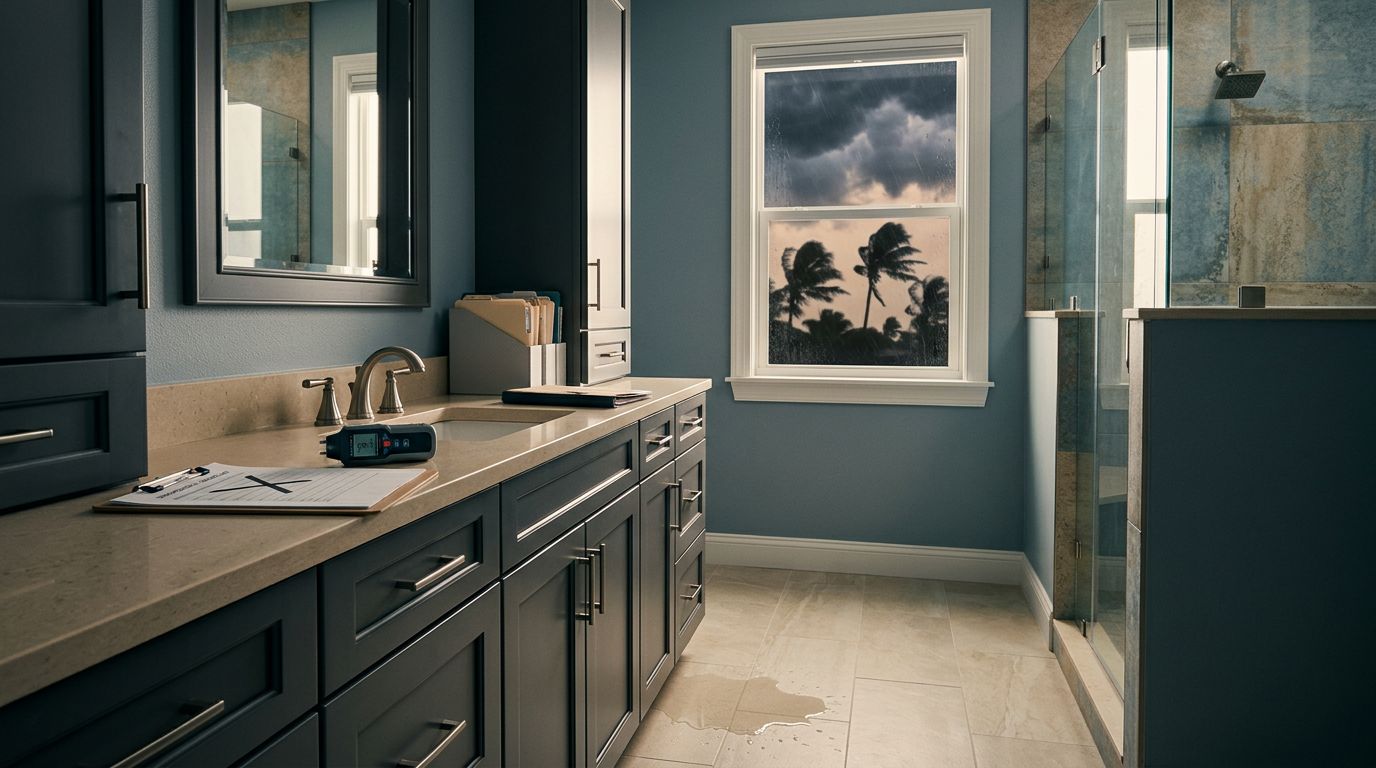
Water damage has its own fine print. Ask how the policy handles a sudden plumbing failure during the remodel versus repeated leakage, seepage, mold, or defective work. Also confirm whether cabinets, fixtures, appliances, and stored materials are protected before installation.
Theft coverage may not extend to a contractor's tools. Your contractor should carry coverage for its own equipment and jobsite property.
Use licensed, insured contractors and documented permits
A contractor's insurance does not replace your homeowners policy, and your homeowners policy does not replace the contractor's responsibility. Both need to be in place before work starts.
Request current certificates for general liability and workers' compensation. If subcontractors will work on the property, ask who verifies their coverage. A contractor should also have the proper Florida license for the work being performed.
For a larger project, review the construction agreement alongside your insurance questions. The difference between allowances, change orders, and the party responsible for damage should be clear. This guide to fixed-price and cost-plus contracts can help you compare how project costs are handled.
Keep the permit trail complete
Confirm which permits the contractor will pull, which inspections the project requires, and who closes each permit. Keep copies of permits, inspection approvals, plans, engineering documents, and final certificates.
Unpermitted work can complicate underwriting and claims because an insurer may question the condition, value, or code compliance of the altered area. A clean permit file also supports the new replacement-cost estimate when the project ends.
Before demolition, review a Southwest Florida preconstruction checklist with the contractor. Include storm preparation, shutoff locations, site access, material storage, and the homeowner's insurance contact information.
Protect the property while construction is underway
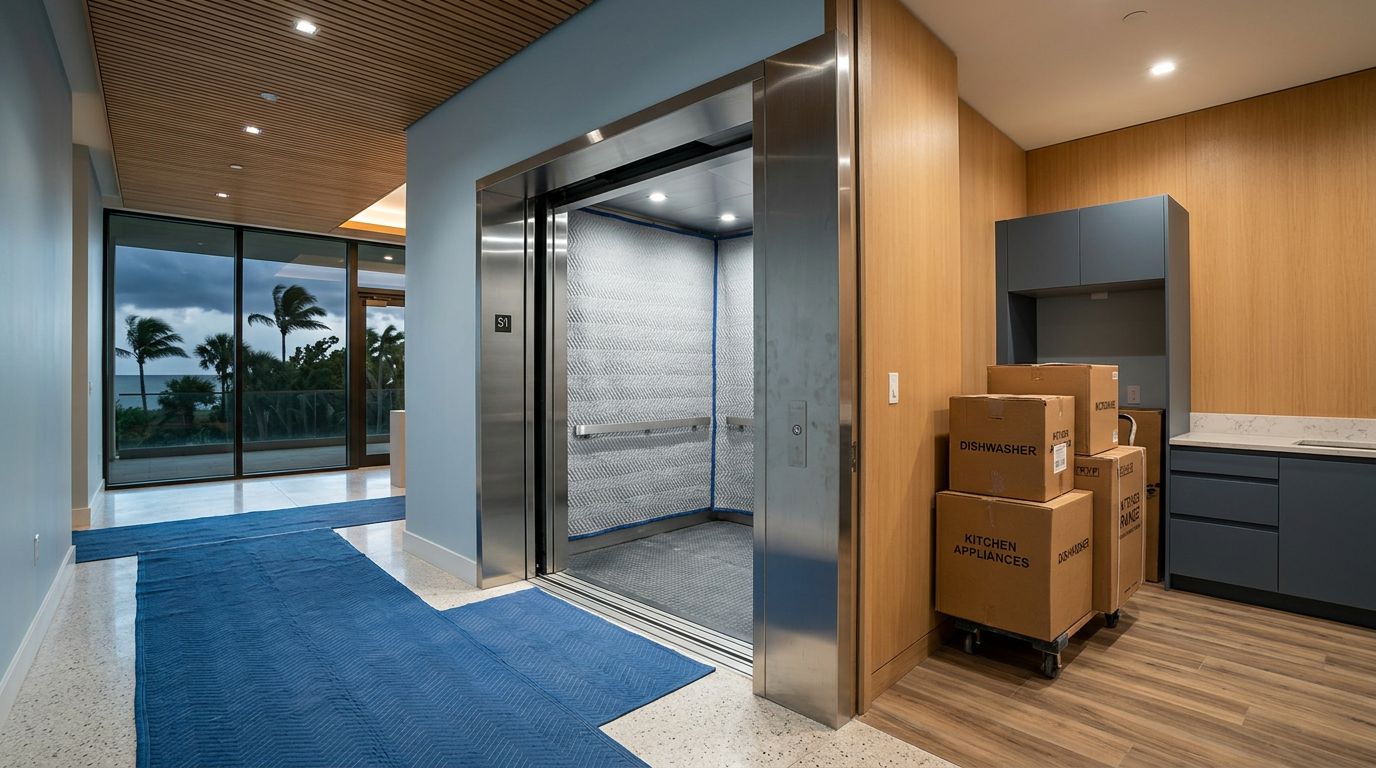
Construction creates temporary weak points. Exterior openings may be exposed, plumbing may be disconnected, and expensive materials may sit in a garage or container. Give the insurer accurate information if the home will be vacant, partially occupied, or temporarily unlivable.
Control water, weather, and jobsite access
Ask the contractor how the crew will secure doors, windows, roof openings, and stored materials at the end of each day. During hurricane season, confirm the plan for securing loose materials and protecting unfinished work if a storm watch is issued.
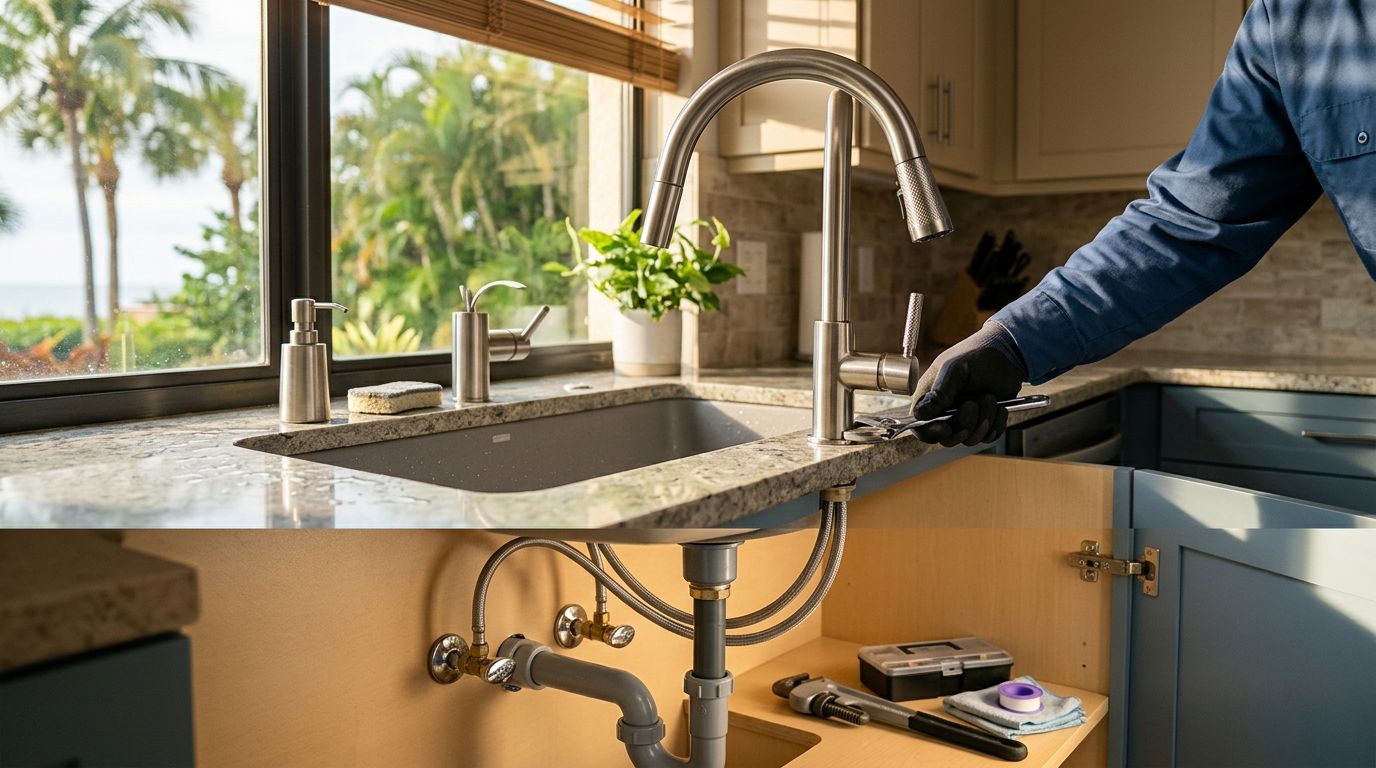
For kitchen, bath, and laundry projects, document the main water shutoff and any branch shutoffs. A plumbing pressure test, monitored connections, and clear responsibility for closing valves reduce the chance of a small leak becoming a large claim.
Take date-stamped photos before demolition. Photograph every room, exterior elevation, roof condition, existing finishes, furniture, and valuable items near the work zone. Back up the images off-site or in cloud storage.
Report a loss promptly and preserve evidence
If wind, water, fire, theft, or vandalism occurs, contact the insurer through its claim channel right away. Take photos and video, protect the property from further damage when safe, and save receipts for emergency mitigation.
Do not throw away damaged materials until the insurer confirms they may be discarded. The adjuster may need to inspect them. Keep the construction contract, change orders, invoices, permits, and photos with the claim file.
A policy won't usually pay to correct poor workmanship by itself. However, a covered event can still damage other property. The insurer may separate the faulty work from resulting covered damage, so detailed records matter.
Review premiums, eligibility, and discounts after completion
When final inspections are approved, notify the insurer again. Send photos, the final permit record, invoices, and a concise description of improvements. Ask for a new declarations page showing the updated dwelling limit, endorsements, and deductibles.
The completed work may raise your premium because the home costs more to rebuild. Yet some upgrades can lower wind exposure. A wind mitigation inspection may document qualifying features such as roof deck attachment, roof shape, secondary water resistance, and opening protection.
Ask about new inspections and underwriting
A carrier may require a four-point inspection after major updates to roofing, electrical, plumbing, or HVAC. This inspection gives the insurer a current picture of the home's main systems.
If Citizens insures your home, ask whether the new replacement-cost estimate affects eligibility or private-market options. Citizens is Florida's insurer of last resort, so its eligibility rules can change based on property value and available private coverage.
Check the final policy for water backup, mold limitations, sinkhole exclusions, matching provisions, and additional living expense coverage. If a covered loss makes the home unlivable, additional living expense coverage may help with temporary housing, subject to your policy limit.

Photo by Monstera Production
A practical homeowners insurance remodel checklist
Use this list before signing off on the final scope:
- Tell your insurer about the project, its expected cost, timeline, and any period when the home will be vacant or unlivable.
- Request an updated replacement-cost estimate and ask whether Coverage A needs to increase.
- Confirm the hurricane or wind deductible in both percentage and dollar terms.
- Review law-and-ordinance coverage, debris removal, matching, water damage limits, theft, and additional living expenses.
- Verify separate flood insurance and check local floodplain requirements before starting major improvements.
- Collect the contractor's active general liability and workers' compensation certificates.
- Confirm permits, required inspections, and responsibility for closing permits.
- Photograph the home's existing condition, then save all plans, change orders, receipts, invoices, and final approvals.
- Ask whether unfinished work and uninstalled materials need builder's risk coverage or another endorsement.
- Request a wind mitigation inspection after eligible roof, opening, or structural upgrades are complete.
For projects that involve custom finishes, new rooms, or structural changes, a detailed scope is also useful when comparing bids. Review what to look for in a remodeling estimate before choosing a contractor.
A better protected Florida remodel
A Florida remodel deserves more than a quick call to an insurance agent. Your policy should match the home's new replacement cost, the jobsite's temporary risks, and the storm exposure that comes with living near the coast.
Confirm every coverage detail with your insurer and licensed construction professionals before work begins. If you are planning a kitchen, bath, addition, or custom home project, Get a Free Estimate and discuss the construction plan before the first wall comes down.