Coastal Corrosion-Resistant Materials for Southwest Florida Remodels
Salt air can damage a remodel long before a homeowner sees a stain, loose fixture, or failing screw. In Cape Coral, Fort Myers, Naples, Punta Gorda, and Sanibel, corrosion resistant materials protect the parts of a home that weather, water, and humidity work on every day.
A beautiful kitchen, bath, lanai, or room addition needs more than attractive finishes. The hardware behind the finish, the fasteners at each connection, and the coatings on exposed metals all affect how well the work holds up.
Start with the local conditions, then choose materials and installation details that fit them.
Southwest Florida's Coast Changes the Material List
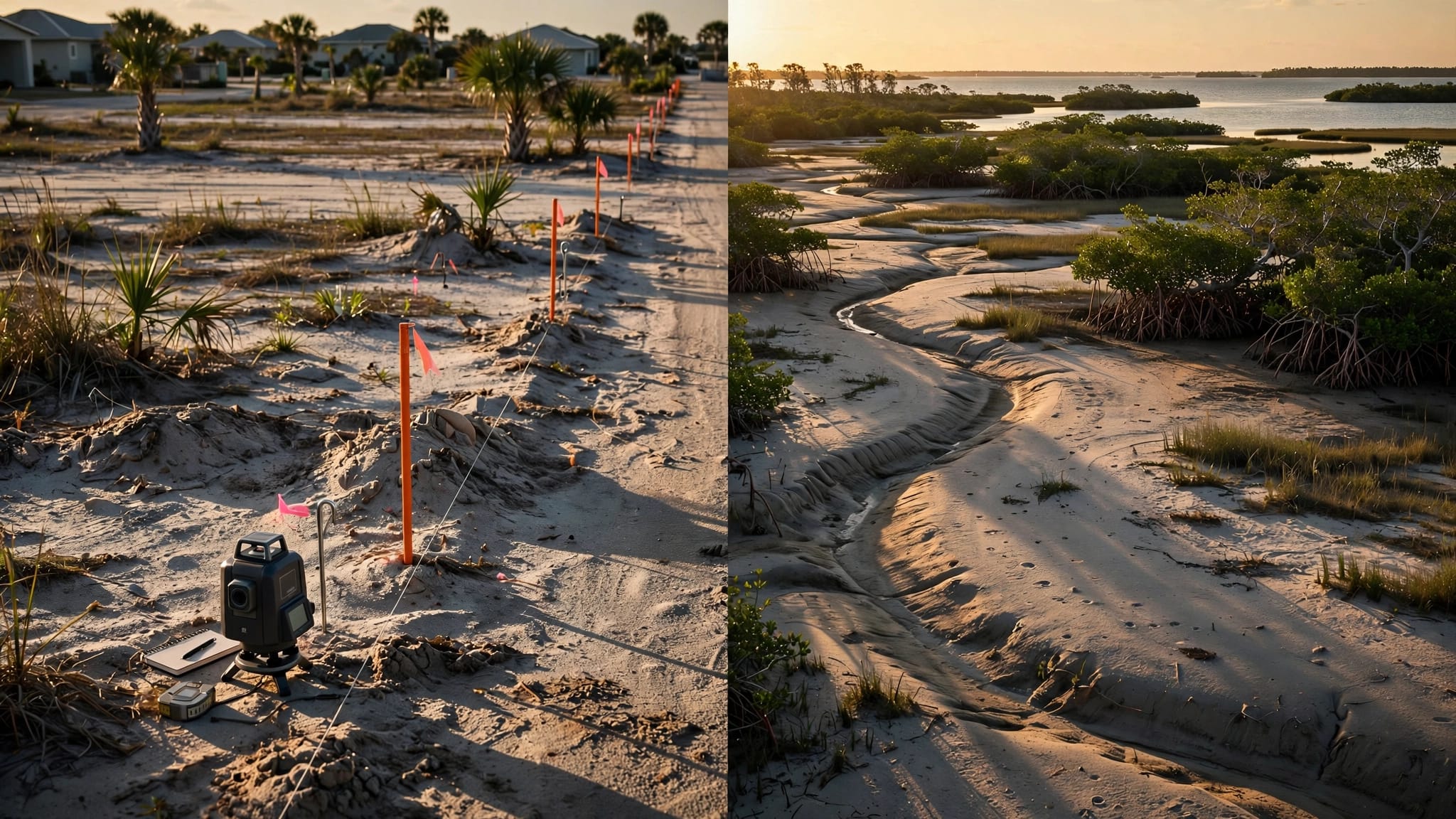
Gulf moisture, airborne chlorides, wind-driven rain, and intense sun create a demanding mix. Homes closest to open water, canals, mangroves, and bays usually face the greatest salt exposure. Yet inland neighborhoods can also receive salt-laden air during storms.
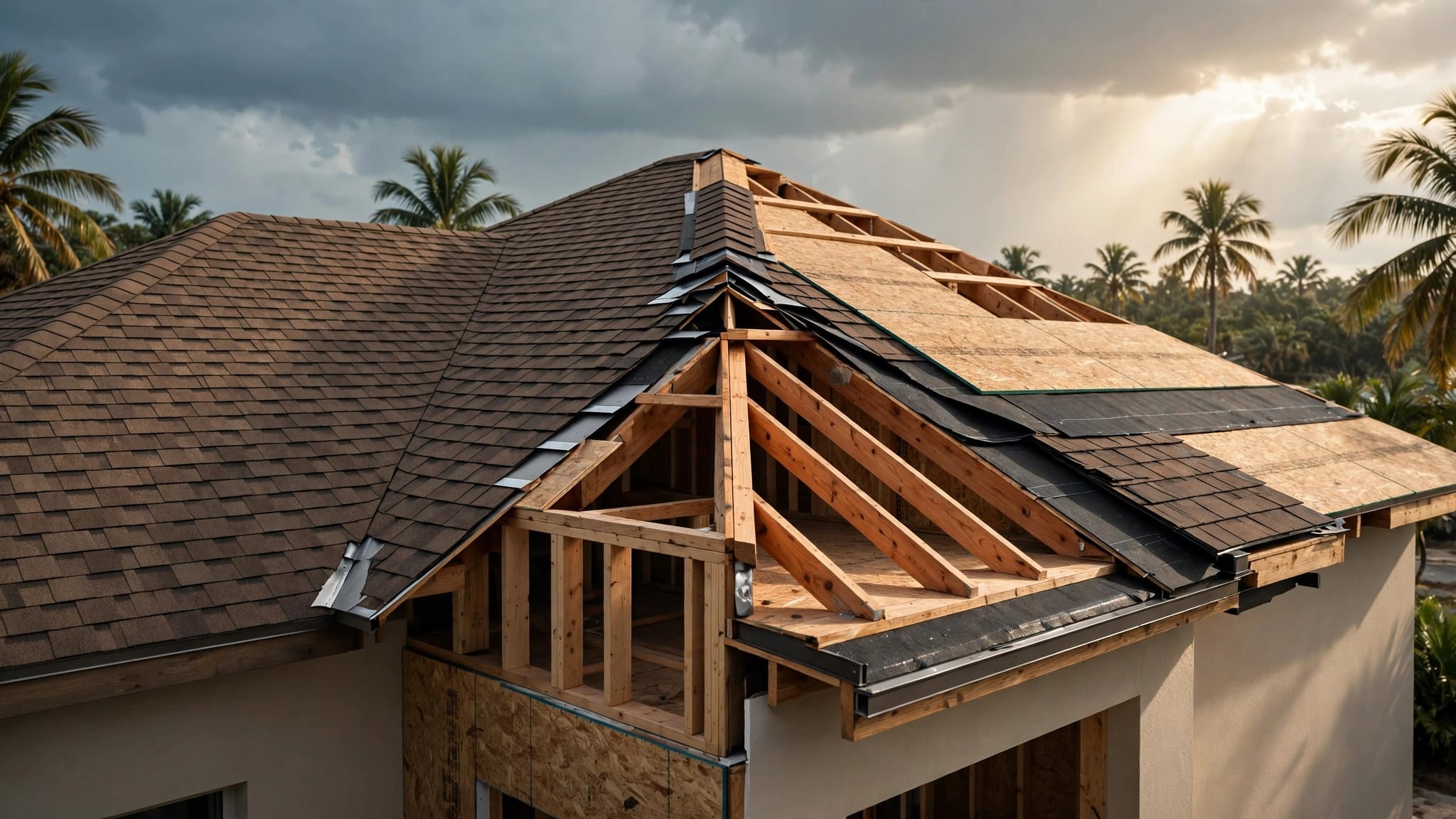
Corrosion rarely starts with a dramatic failure. It often begins in a concealed screw head, a cut edge of aluminum trim, or a bracket tucked behind siding. Once moisture remains trapped in that spot, the repair can require removing finished surfaces to reach it.
Focus on the parts you cannot easily replace
A polished exterior fixture is easy to swap later. Flashing, structural connectors, siding fasteners, window anchors, and shower-wall backing are not. Therefore, material decisions should put the strongest protection in concealed and hard-to-reach locations first.
Coastal projects also need to consider flood exposure. Sanibel's local standards recognize flood damage-resistant materials as products that can tolerate prolonged floodwater contact with limited damage beyond cosmetic repair. That matters for lower-level walls, exterior trim, garages, utility areas, and ground-level additions.
A finish can look perfect while its hidden fasteners are already weakening. Coastal durability depends on the complete assembly, not the visible surface alone.
How Corrosion Resistant Materials Protect a Remodel
The best corrosion resistant materials are not one product category. They are a coordinated group of metals, coatings, cladding, sealants, and connectors selected for the home's actual exposure.
For a canal-front remodel, that might mean 316 stainless fasteners, factory-finished aluminum, fiber-cement siding, impact-rated openings, and compatible flashing. A sheltered inland kitchen addition may need fewer marine-grade components, but exterior attachments still deserve close attention.
Match material quality to exposure
Salt mist has a longer reach than most homeowners expect. Hardware under a covered lanai may stay dry during normal rain but still collect moisture overnight. Similarly, fasteners in shaded areas dry slowly and can corrode faster than exposed pieces that receive direct sun.
Ask the contractor to identify areas with:
- Direct salt spray or frequent wind-driven rain.
- Persistent shade, poor drainage, or trapped moisture.
- Metal-to-metal connections behind cladding or trim.
- Pool-side exposure to chlorinated splash and humid air.
- Flood risk near grade, garages, or lower exterior walls.
That review keeps the specification practical. You don't need the same material in every room, but every exterior connection needs a reasoned choice.
Choose the Right Stainless-Steel Grade
"Stainless steel" describes a family of alloys, not a single level of protection. In Southwest Florida, the grade matters.
Type 304 stainless steel is common and performs well in dry interiors and protected locations. However, it has less resistance to chlorides than Type 316. For exterior locations with salt exposure, Type 316 is usually the stronger choice because its alloy makeup better resists pitting and surface corrosion.
Where 316 stainless makes sense
Specify 316 stainless steel for exposed screws, anchors, railing hardware, exterior door hardware, coastal trim attachments, and damp concealed locations. It is also a sound choice for fasteners near pools, outdoor kitchens, and waterfront lanais.
Type 304 can still fit sheltered interior uses, including many kitchen appliances, cabinet hardware, and indoor fixtures. The key is not to treat 304 and 316 as interchangeable when the material will face salt air.
Stainless steel still needs care. Tea staining, discoloration, and corrosion can occur when salt residue sits on its surface. Periodic fresh-water rinsing and gentle cleaning help preserve exterior hardware. Avoid harsh cleaners or steel wool, which can damage the protective surface.
Do not mix fastener quality
A high-quality hinge or window frame can fail early if the installer uses a lesser screw. Request that the written scope names fastener material and grade where exterior or wet-area conditions apply.
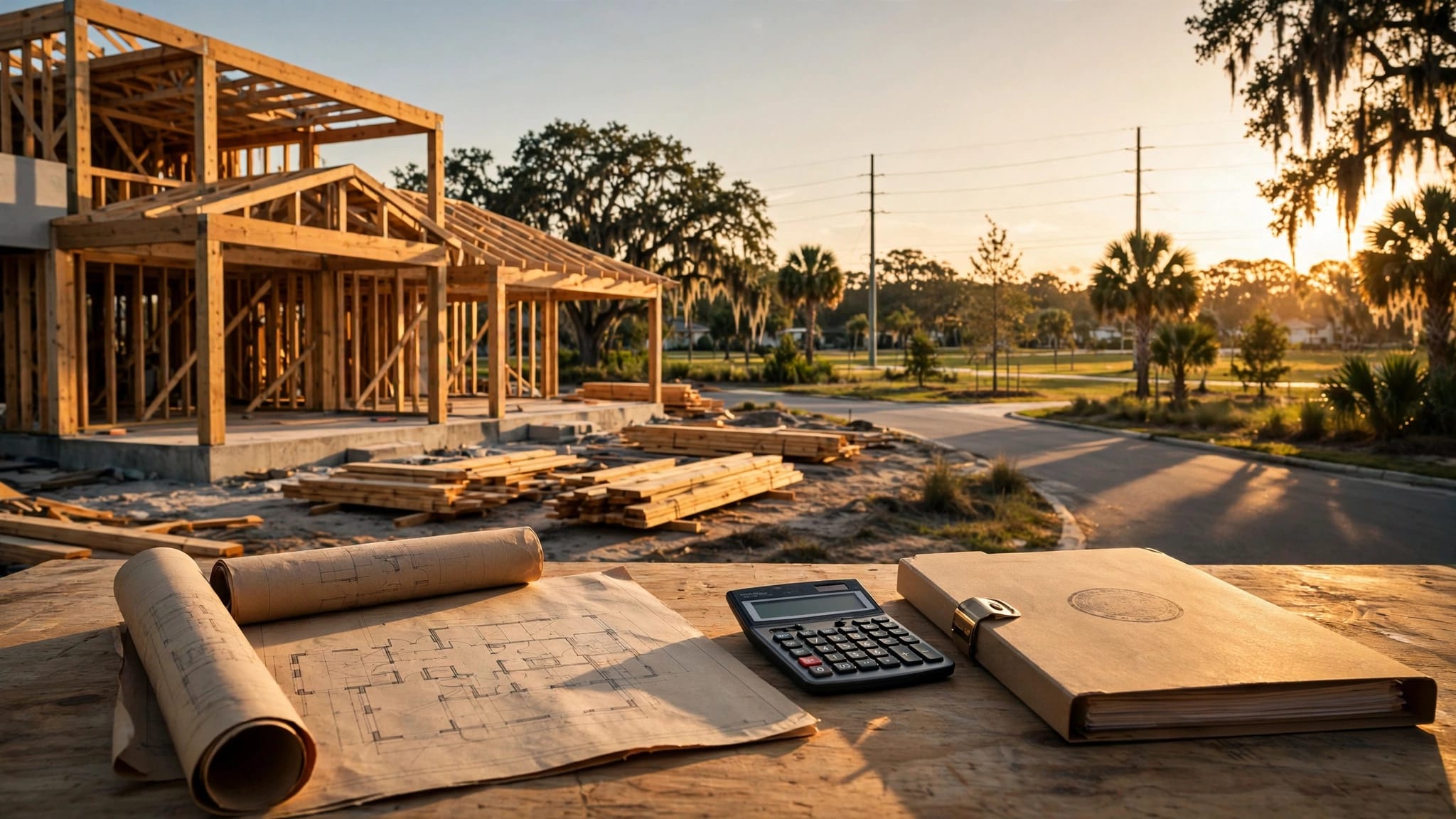
For new construction or a major addition, this same attention should appear in the early plans. A Southwest Florida custom home builder can coordinate the exterior material schedule with framing, openings, roofing, and drainage details before finishes conceal the work.
Prevent Galvanic Corrosion Between Metals
Galvanic corrosion occurs when dissimilar metals touch in the presence of an electrolyte, often salt water or persistent moisture. One metal can corrode faster because the connection creates a small electrical reaction.
This is a common issue around window frames, flashing, soffits, brackets, railings, fasteners, outdoor showers, and pool enclosures. It can also hide behind a finished wall for years.
Aluminum needs compatible companions
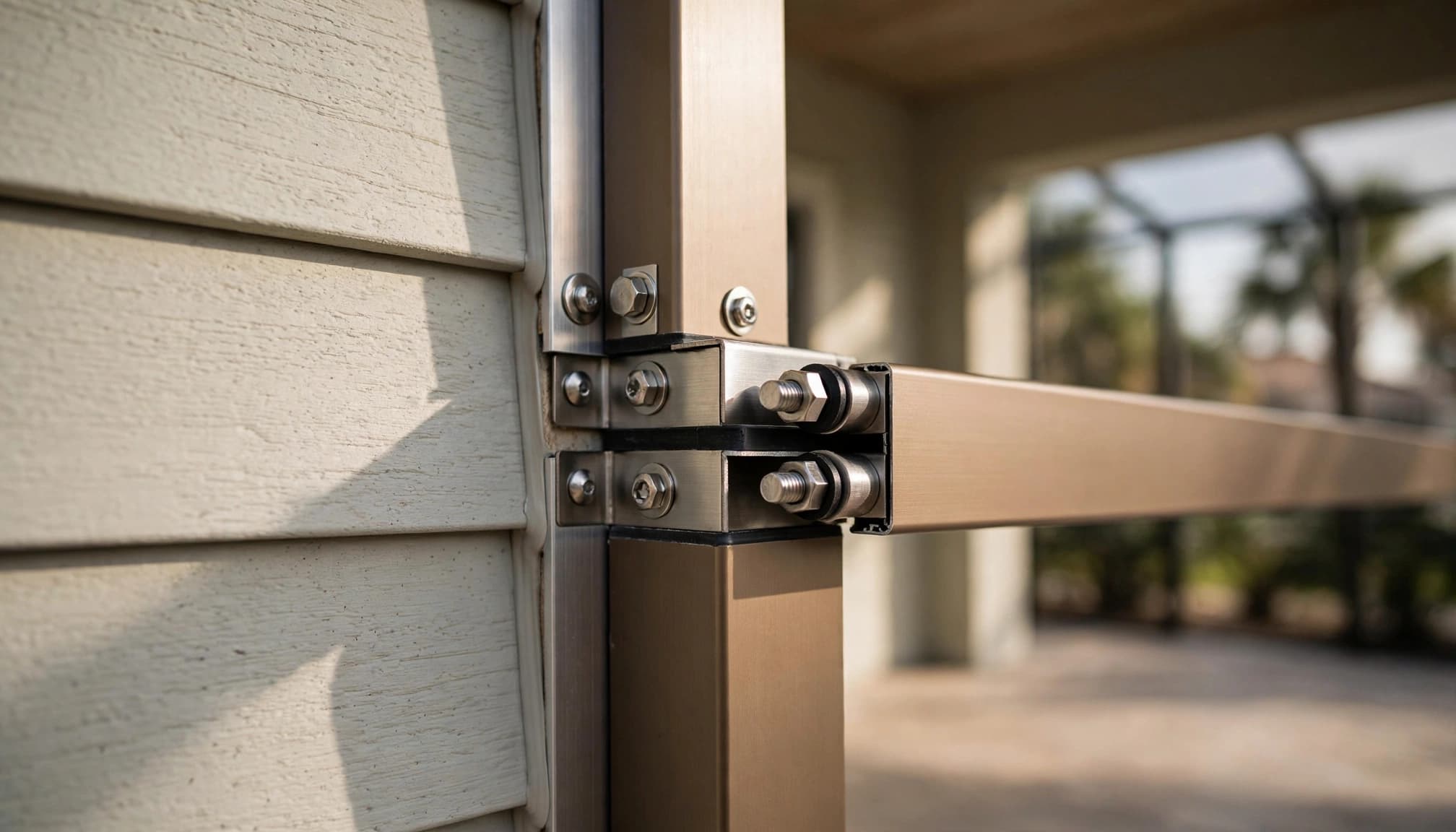
Aluminum is light, durable, and popular for window frames, lanai structures, soffits, and trim. However, bare aluminum should not sit directly against copper, untreated steel, or other more noble metals in a wet coastal connection.
A contractor can separate incompatible materials with nonconductive washers, membranes, sealants, tapes, or purpose-made isolators. Coated aluminum also needs protection at cut edges, drilled holes, seams, and fastener penetrations.
Stainless steel fasteners can work with aluminum when the assembly accounts for compatibility. Still, the details matter. A fastener that scratches through a finish or traps wet debris against the frame can create a weak point.
Flashing and roof transitions deserve extra review
Roof-to-wall connections and window flashing often combine several materials. Those layers must direct water outward while avoiding metal contact that accelerates corrosion.
Ask what flashing metal, sealant, fasteners, and transition membranes the project will use. That question is especially important when a room addition ties into an existing roof or exterior wall.
Protective Coatings Are Part of the System
A protective coating creates a barrier between metal and moisture. It does not make the product maintenance-free, but it can slow corrosion when the finish remains intact and the assembly drains properly.
Common choices include hot-dip galvanized steel, powder-coated aluminum, factory-applied paint systems, and epoxy-coated components. Each suits different uses, so an exterior screw, structural connector, and decorative fixture may need different protection.
Use coatings where replacements would be disruptive
Hidden anchors, clips, straps, and connectors deserve corrosion protection because replacing them may require demolition. Hot-dip galvanizing is often used for steel connectors and structural hardware. It coats the steel with zinc, which helps protect the base metal.
Powder coating is common on aluminum railings, frames, outdoor fixtures, and enclosure components. Factory finishes usually outperform field-applied touchups, although cuts and scratches still need treatment during installation.
Painted steel can work in sheltered locations, but chipped areas need prompt repair. Coastal conditions find small breaks in a finish quickly.
Drainage protects coatings
Even a premium coating struggles when water cannot escape. Sloped surfaces, vented cavities, properly lapped flashing, weep paths, and sealed penetrations all limit standing moisture.
Check outdoor furniture, lighting, hose bibs, grills, and shower fixtures at least twice a year. Rinse salt residue, remove trapped leaves, and look for bubbling paint, white powder on aluminum, orange staining, or loose hardware.
Fiber-Cement Siding Handles Coastal Conditions Well
Fiber-cement siding combines Portland cement, sand, water, and cellulose fibers. It is not metal, so it does not rust or suffer galvanic corrosion. It also resists insects and handles humidity better than many wood-based exterior products.
For Southwest Florida homes, fiber cement is a strong option for additions, exterior renovations, accent walls, soffits, and full re-cladding projects. It must be installed as a complete system, however.
Fasteners and water management still matter
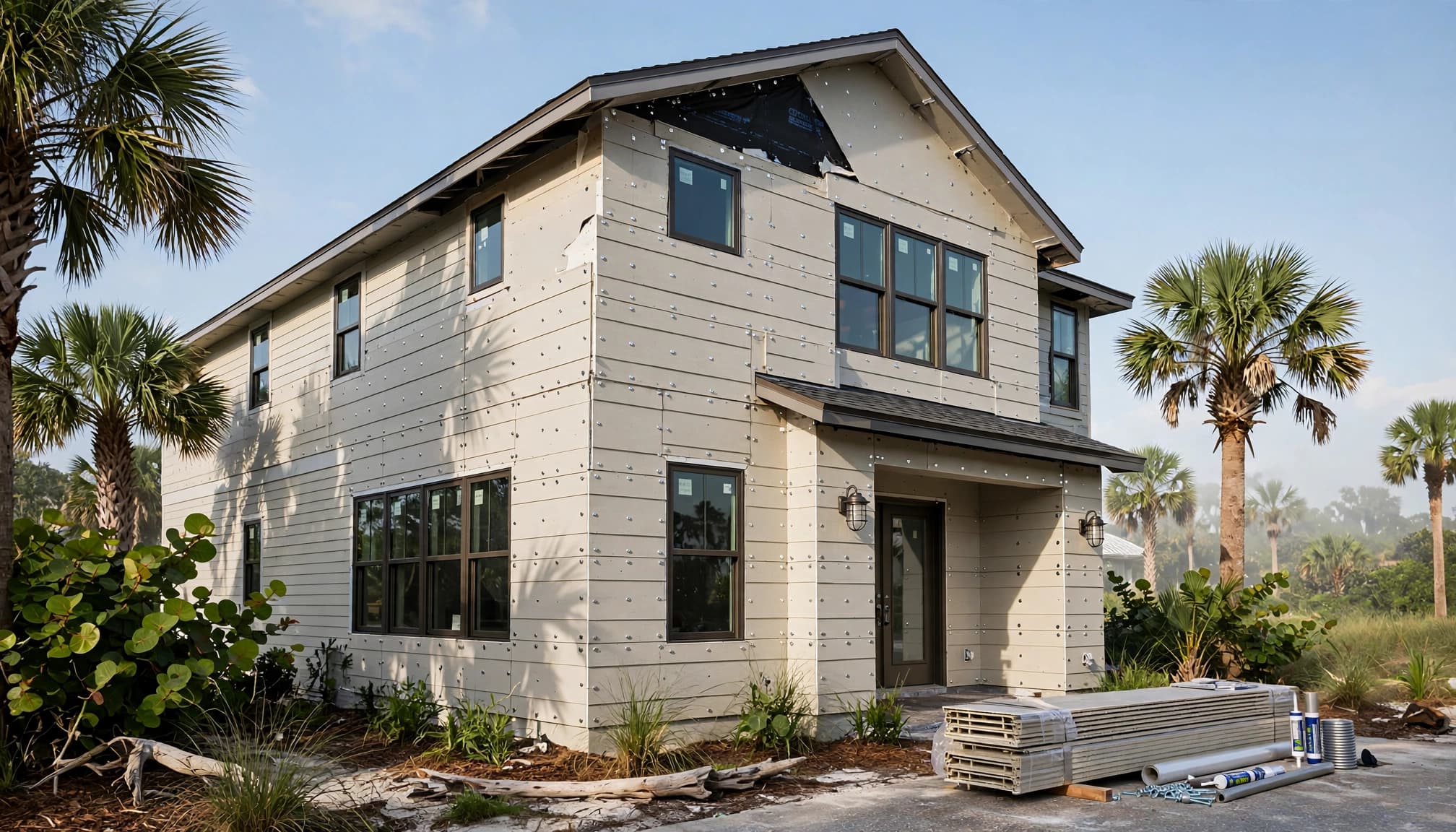
Fiber-cement boards need the correct fastening schedule, approved fasteners, clearances, flashing, joint treatment, and paint or factory finish. Using ordinary fasteners can stain the face of the siding or weaken the attachment over time.
Cape Coral requires product approval worksheets or equivalent documentation for siding and other exterior components on applicable projects. Confirm the product approval, wind rating, attachment pattern, and installation instructions before materials arrive.
A rainscreen gap or drainage plane behind the siding can help the wall dry after wind-driven rain. The exact wall design depends on the home, existing structure, and product requirements.
Avoid treating fiber cement as maintenance-free
Painted fiber cement needs inspection and periodic repainting. Caulked joints also need review because failed sealant can allow water behind the cladding. Keep landscaping trimmed back so sprinklers, vines, and wet leaves do not hold moisture against exterior walls.
For additions that enlarge a kitchen, bath, or primary suite, the exterior wall package should be part of the design conversation from the beginning. The footprint, setbacks, drainage, wind loads, and cladding all connect.
Windows and Doors Need Wind and Corrosion Protection
Impact-rated windows and doors are a core part of coastal remodeling. Their frames, glazing, anchors, hardware, and installation details work together to resist wind pressure and wind-borne debris.
Florida's current statewide baseline is the 2023 Florida Building Code, Eighth Edition. Local requirements can add project-specific documentation, review steps, or floodplain conditions.
Plan opening protection before ordering
In Cape Coral, replacement exterior windows and doors require either impact-resistant glazing or code-compliant opening protection. The city also requires products to meet applicable design wind pressures and calls for product approval documentation.
Impact products are tested under standards that may include ASTM E1886 and ASTM E1996, along with Florida testing protocols. Large-missile testing applies to many openings close to grade, while upper-level conditions may have different testing requirements.
Older homes can trigger additional review when a project replaces a substantial portion of glazed openings. Cape Coral guidance includes a 25 percent glazing-area threshold for certain homes permitted before Florida Building Code adoption. Do not assume that rule applies in every city.
Inspect installation details, not only the glass
A window is only as good as its approved installation. Fasteners, buck conditions, flashing, sealants, sill pans, frame material, and water drainage all matter. Aluminum frames need intact finishes and compatible hardware. Vinyl, fiberglass, and composite frames also require approved attachment methods.
Before ordering, confirm current requirements with the qualified contractor and the building official for the property's exact address. Fort Myers, Naples, Punta Gorda, Sanibel, and Cape Coral can have different submittal needs, inspection timing, floodplain rules, and local procedures.
Kitchens, Baths, and Lanais Need Coastal-Smart Details
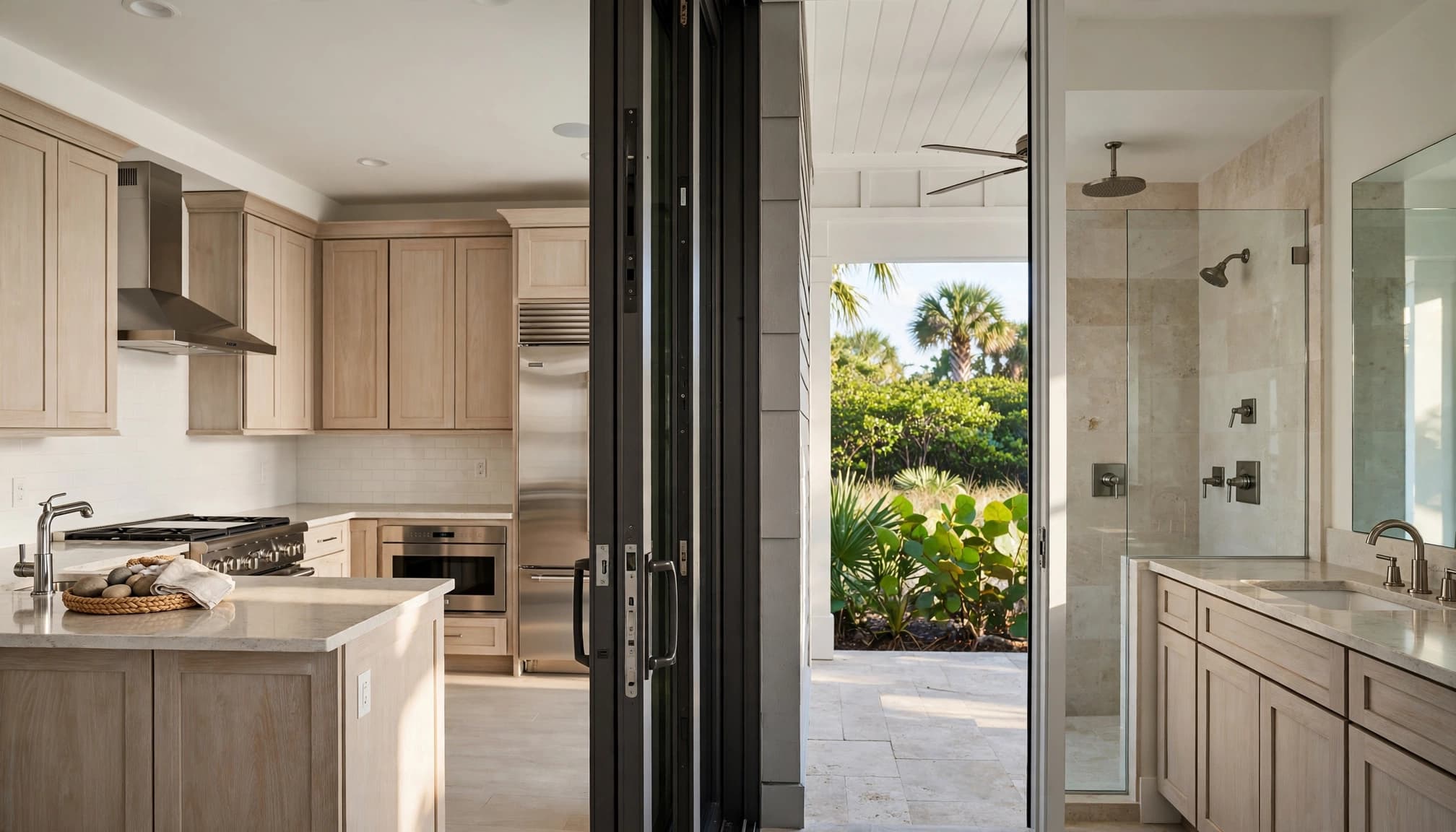
Salt air affects more than exterior siding. Kitchen and bathroom remodels often open toward lanais, pools, docks, or patios. Moisture moves through these spaces daily, especially when large doors stay open during cooler months.
Start with moisture behind finished surfaces
Bathrooms need proper waterproofing behind tile, well-sealed shower penetrations, corrosion-resistant screws where required, and effective exhaust ventilation. A bath fan that merely runs is not enough. Its duct, exterior termination, and airflow need proper installation.
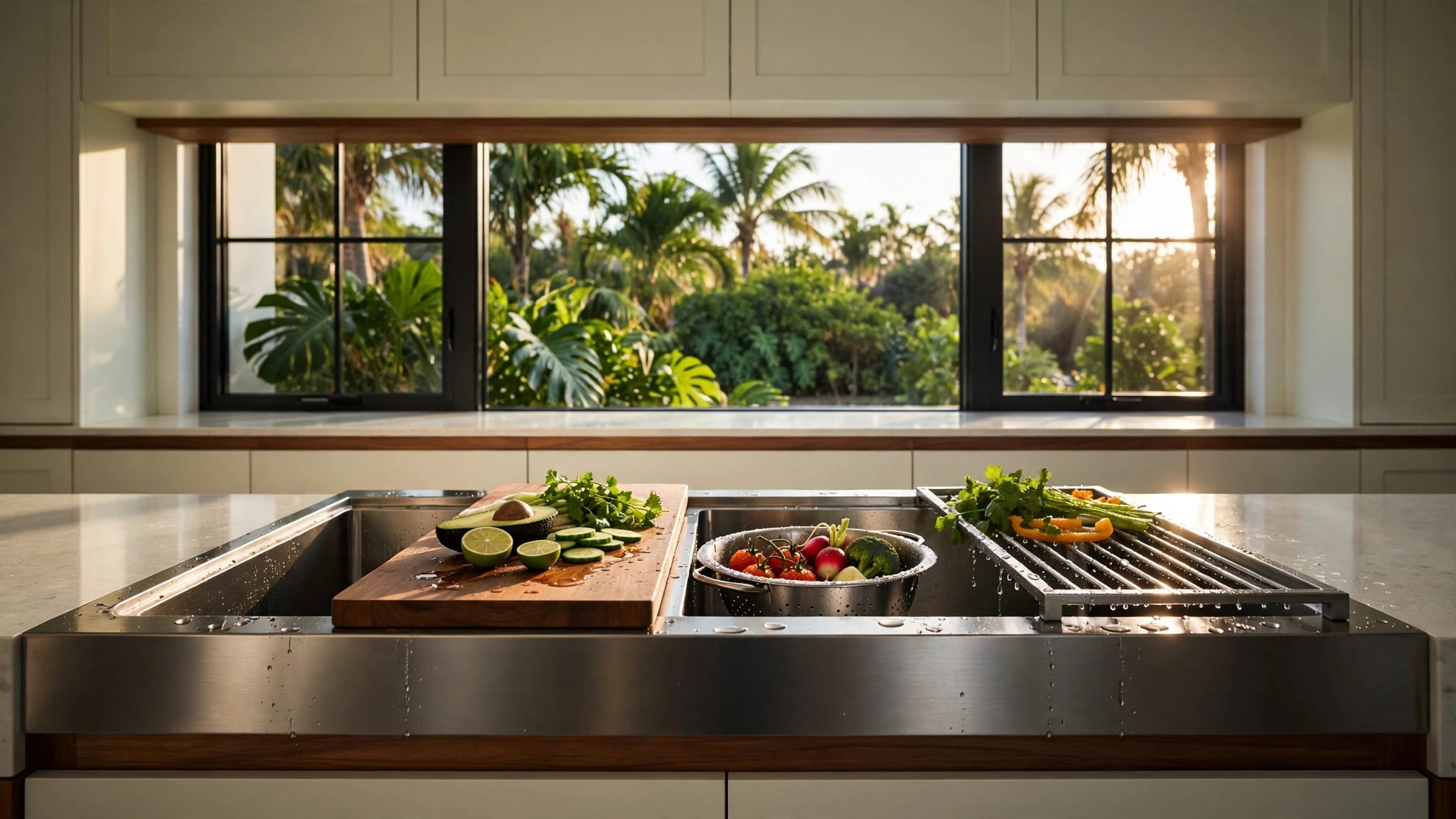
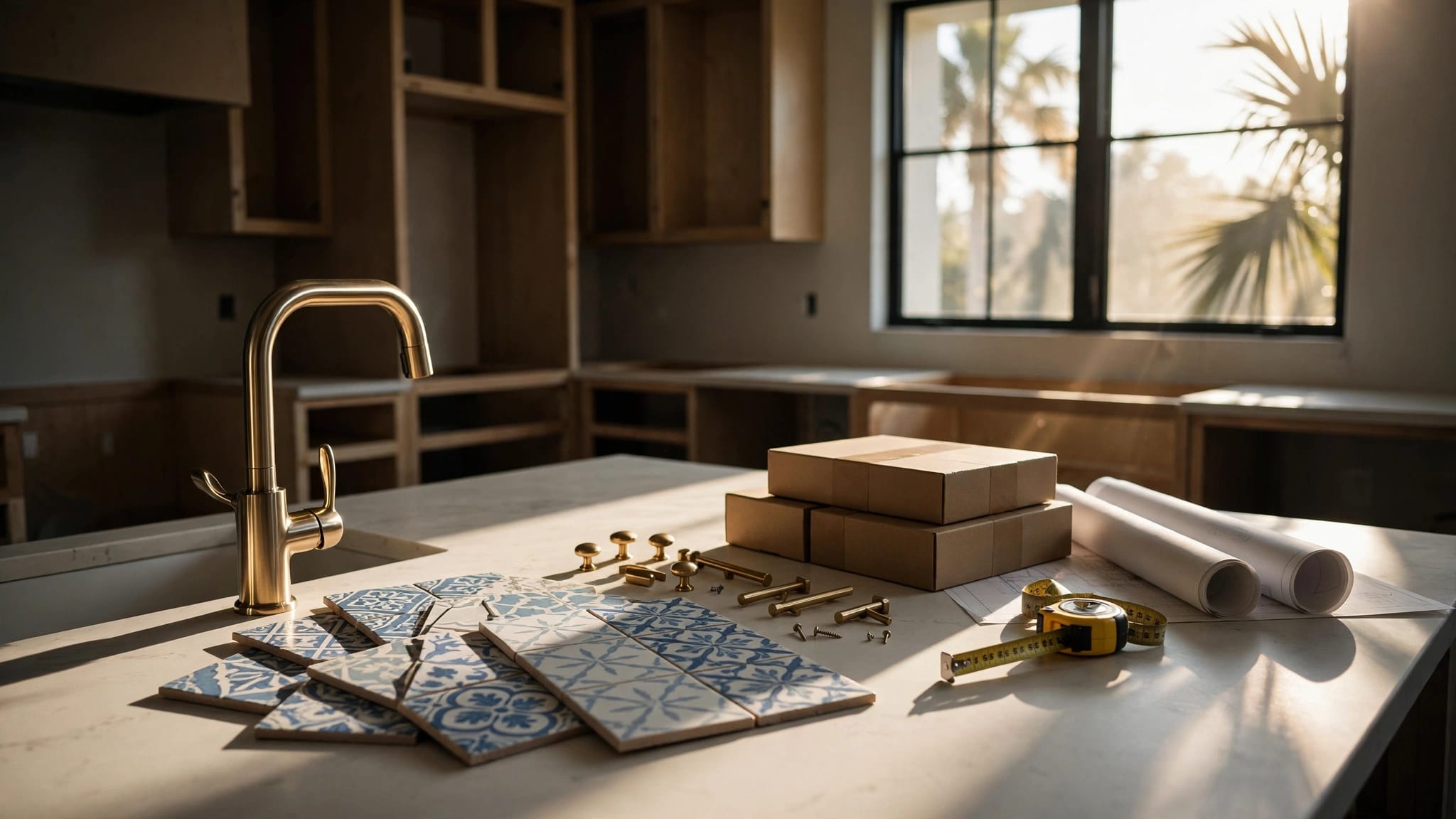
For kitchen remodels, select hardware and fixtures that fit the room's humidity and connection to outdoor spaces. Stainless appliances may suit the look, but exterior-adjacent cabinet hardware, door tracks, and patio fixtures need a closer look at grade and finish.
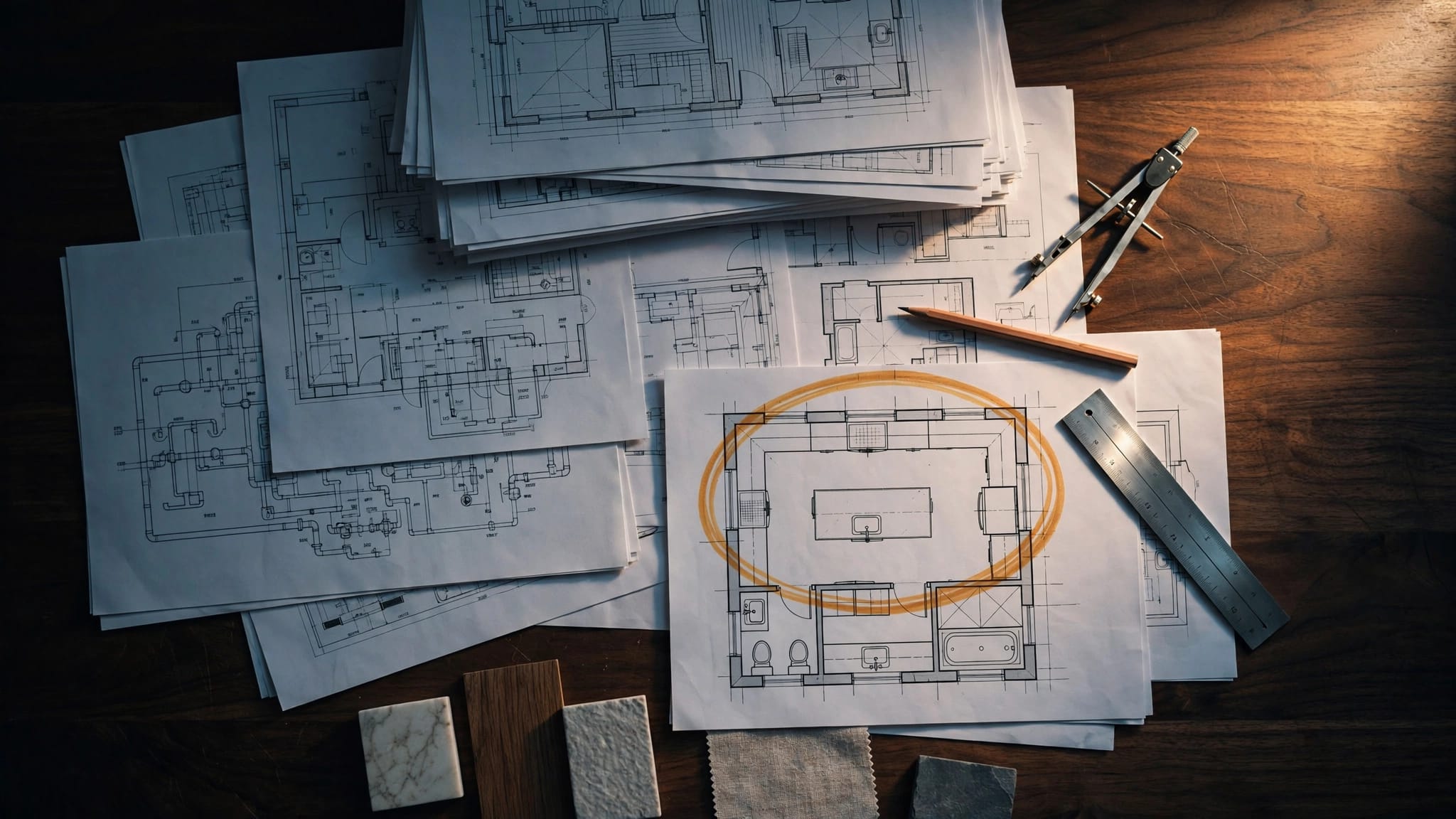
A custom kitchen remodeling plan can account for appliance placement, ventilation, plumbing, exterior doors, and coastal hardware before cabinetry is ordered.
Build a lanai for regular care
Outdoor kitchens and pool baths face salt, humidity, rain, sunscreen, chlorine, and cooking residue. Use stainless hardware suited to exposure, coated aluminum where appropriate, and surfaces that drain rather than trap water.
Screen enclosures and patio structures also rely on strong connections. Their aluminum finish, anchors, fasteners, screen type, wind rating, and gate hardware should fit the project conditions. No-see-um screening can be useful near water and mangroves, though its tighter mesh needs regular cleaning.
For a coastal bathroom remodel, moisture control should shape the shower system, ventilation plan, hardware choice, and transition to any adjacent outdoor space.
Put Material Requirements in the Written Scope
A proposal that says "stainless fasteners" leaves room for confusion. The scope should identify where the material will go and what grade, coating, or approved system applies.
Written details also make bids easier to compare. One price may include 316 exterior fasteners, flashing membranes, factory-finished trim, and permit documents. Another may cover only the visible finish.
Questions to ask before work begins
Bring these questions to the estimate meeting:
- Which stainless-steel grade will be used for exterior hardware and fasteners?
- Where will aluminum meet another metal, and how will the installer isolate those materials?
- Are siding, windows, doors, soffits, shutters, and roofing components backed by current product approvals?
- Which coatings protect structural connectors, anchors, trim, and exterior fixtures?
- Who handles permits, inspections, and corrections if local reviewers request more information?
- How will the crew protect finished surfaces while replacing corroded components?
Keep the contract, permits, product approvals, inspection records, material invoices, change orders, and warranty documents in one project file. Final inspection records can also help with insurance updates and future home sales.
Budget for hidden conditions
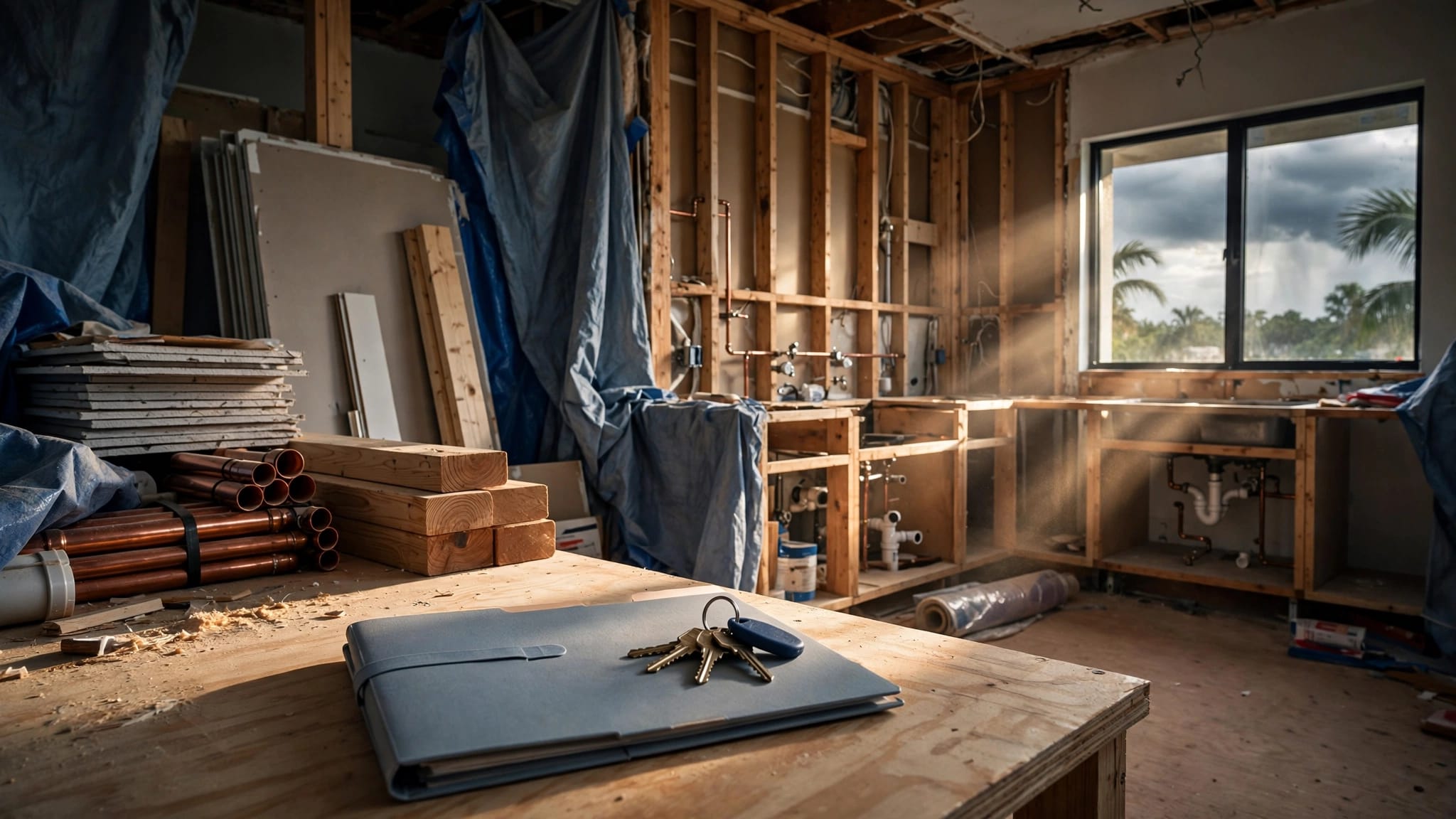
Corroded fasteners can reveal water intrusion, deteriorated sheathing, damaged framing, or failed flashing. Older homes may also contain materials that require testing before demolition. Hold a realistic contingency rather than spending every dollar on finishes.
A clear estimate should name demolition, disposal, structural repairs, waterproofing, finish repairs, permit fees, and cleanup. If a change affects cost or schedule, put it in a written change order before work continues.
For an address-specific review of materials, exposure, and permit needs, Get a Free Estimate before finalizing selections.
Final Thoughts on Coastal Material Choices
Southwest Florida remodels last longer when every exposed and concealed connection suits salt, moisture, wind, and flood conditions. The strongest result combines corrosion resistant materials with proper drainage, compatible metals, approved installation, and regular care.
Start with the assemblies that are hardest to reach later, including fasteners, flashing, anchors, window attachments, and waterproofing. Then confirm product specifications, exposure conditions, permits, and current local building requirements with a qualified contractor or building official before construction begins.