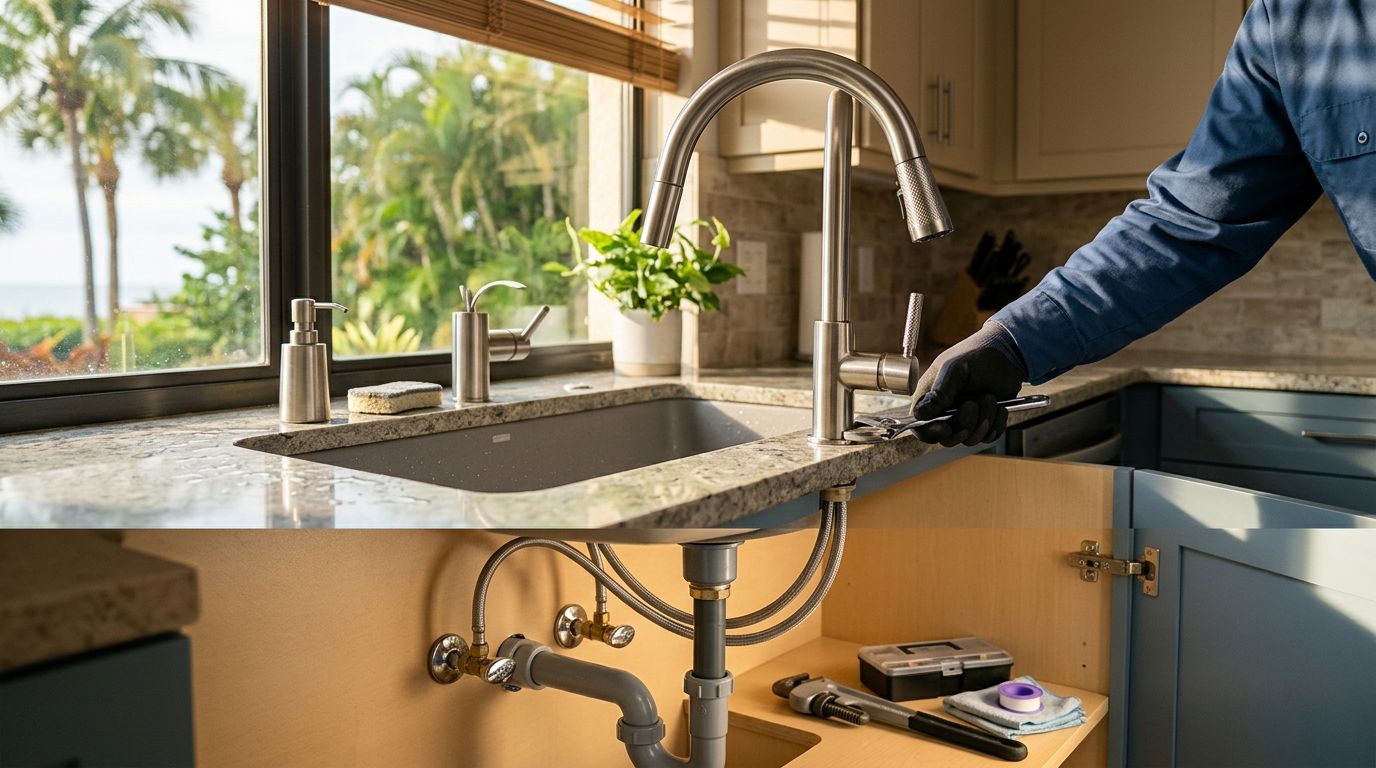
Florida Notice to Owner Rules for Homeowners
A beautiful kitchen, bath, addition, or custom home can involve more companies than you ever meet. That is why a Florida Notice to Owner can arrive even when you have already paid your contractor on schedule.
The notice does not mean someone has filed a lien, and it is not automatically a demand that you pay twice. Still, it changes how you should handle future payments because an unpaid subcontractor or supplier may have lien rights.
Knowing what the notice means before demolition or material deliveries begin can protect both your project and your budget.
What a Florida Notice to Owner Actually Means
A Notice to Owner, often called an NTO, is a written notice from a party that does not have a direct contract with you. It commonly comes from a subcontractor, material supplier, rental company, or design professional hired through your general contractor.
Under Florida Statutes section 713.06, most lienors who are not in direct contract with the owner must serve this notice to preserve potential lien rights. A laborer is an important exception.
An NTO is not a construction lien . It does not place a lien on your property, require an immediate payment to the sender, or prove that your contractor failed to pay anyone. However, it puts you on notice that the sender may seek payment from the money still owed under your prime contract.

The practical message is simple: do not ignore the notice. Match it to your job records, tell your contractor promptly, and make later payments with documentation in hand.
Which Project Parties May Send an NTO
Many homeowners assume their general contractor is the only company with payment rights. On a permitted remodel or new home, several businesses may supply labor or materials behind the scenes.
Parties with a direct contract with you
A contractor you hire directly is in "privity" with you. Because you have a direct contract, that contractor generally does not need to send a Notice to Owner before pursuing a lien claim.
For example, if you directly hire a cabinet installer, a pool builder, or a roofer under a separate agreement, that company is not usually an NTO sender for its own direct-contract work. The contract itself establishes the relationship.
Parties hired by your contractor
A tile subcontractor, plumber, drywall crew, cabinet supplier, window supplier, or concrete company may have a contract with your general contractor instead. Those parties often have no direct agreement with you.
If they want to preserve lien rights, they generally must provide timely notice. That is why a homeowner may receive notices from companies whose names never appeared in the original proposal.
Keep a project contact list that includes your contractor, subcontractors, suppliers, lender, architect, and any payment administrator. It gives you a fast way to verify a notice when it arrives.
The 45-Day Deadline Matters
For a Florida Notice to Owner to protect a non-privity lienor's potential rights, it generally must be served before work begins or no later than 45 days after the lienor first furnishes labor, services, or materials .
The clock is tied to the sender's first contribution, not the day you signed your construction contract. A cabinet supplier might begin its timeline when it first delivers materials, while an electrical subcontractor may start when it first performs work.

The notice also must arrive before you make final payment after the contractor provides the final payment affidavit required by the statute. A sender cannot wait until the job is closed, then use a late NTO to revive rights that the law no longer allows.
A notice can be timely even when it reaches you early in the project, before a visible portion of that sender's work appears in your home.
How notice may be served
Chapter 713 has formal service rules under section 713.18. The sender may use methods allowed by the statute, including certified or registered mail, certain tracked delivery services, or personal delivery.
Don't reject a notice because the envelope seems routine or because you were not expecting it. Save the envelope, the notice, and any tracking information. Then forward a copy to your contractor in writing.
What an Owner Should Do After Receiving Notice
A calm, documented response is better than a quick verbal assurance. The notice may relate to a real supplier balance, a billing dispute, or a company that has already been paid.
Verify the project connection
First, compare the NTO with your contract, invoices, delivery tickets, and construction schedule. Confirm the property address, sender's name, the work or materials described, and the contractor named in the notice.
Next, ask your contractor whether the sender is on the project and whether any balance remains. Request a written response, not only a text message or phone call.
If the sender supplied materials, compare the notice with delivery records. A delivery to the correct address does not settle every payment question, but it can confirm whether the company was involved.
Do not make a rushed side payment
Paying the NTO sender without reviewing the contract and the payment chain can create new problems. Your contractor may dispute the amount, or the bill may already be included in a payment you made.
Instead, discuss the notice before the next draw. An attorney can advise you on disputed amounts, joint checks, direct payment arrangements, retainage, or other options based on your contract and the facts of the project.
Control Payments With Affidavits and Waivers
A notice affects your payment risk because Florida's lien law limits how freely you can pay the contractor once an NTO is in play. Payment paperwork needs the same attention as countertop samples or fixture approvals.
Before each substantial progress payment, ask for the contractor's payment affidavit and appropriate lien waivers. The affidavit identifies lienors who have been paid and those who remain unpaid.
A responsible payment schedule ties draws to completed work, stored materials, inspections, and written change orders. Avoid a schedule that pushes too much money out before the related work or materials are confirmed. For more context, review these Florida remodeling payment schedules.
Use the right waiver at the right time
Florida Statutes section 713.20 provides statutory forms for partial and final waivers and releases of lien. A conditional waiver is often appropriate when payment has not cleared. An unconditional waiver is generally used after payment is received and cleared.
Request waivers that cover the correct payment period and amount. A partial waiver should not be treated as a final waiver, and a final waiver from the general contractor does not automatically prove every subcontractor and supplier has been paid.
For a large kitchen remodel, room addition, or custom residence, ask which lower-tier parties need to provide waivers before final payment. The answer depends on who served notice, who remains unpaid, and how the work was contracted.
Build a Record File Before Work Begins
Good records reduce confusion when a notice comes in months after your first deposit. Create one digital folder and one paper file for the job, then update both as payments and deliveries occur.

Keep these documents together:
- Your signed contract, approved plans, specifications, allowances, and every signed change order.
- Estimates, invoices, payment confirmations, draw requests, contractor affidavits, and lien waivers.
- Notices to Owner, notices of commencement, notices of termination, delivery tickets, and shipment confirmations.
- A current list of project parties with names, roles, mailing addresses, phone numbers, and email addresses.
- Photos of delivered materials and dated notes from meetings, inspections, and payment discussions.
Clear paperwork starts with a well-written agreement. This guide on how to read a Southwest Florida remodeling contract can help you review scope, allowances, schedule terms, and payment language before signing.
Why delivery records deserve attention
A supplier's first delivery can trigger its 45-day notice timeline. Delivery records can also help resolve a disagreement about whether materials reached your property or were intended for your project.
Ask your contractor where high-value materials will be stored, who signs delivery receipts, and how damaged items are documented. This is especially useful for custom cabinets, windows, appliances, stone, and specialty plumbing fixtures.
Notice of Commencement and Project Closeout
The Notice to Owner is only one part of Florida's construction lien system. For many improvements with a direct contract exceeding $5,000, the owner records a Notice of Commencement before work begins under section 713.13.
The recorded notice identifies the owner, contractor, lender if applicable, property, and project. It should be posted at the job site, and it gives potential lienors a reliable source for the information needed to serve notices.
Ending a notice of commencement
A Notice of Commencement does not disappear simply because construction looks finished. Under section 713.132, an owner may record a Notice of Termination, but only after meeting detailed statutory requirements.
Among other things, the owner must serve the termination notice on direct-contract lienors and lienors who timely served an NTO before recording it. The form also requires a statement that lienors have been paid in full.
Because a premature or inaccurate termination notice can create serious issues, get legal guidance before using one. This step is not a shortcut around unpaid claims.
An NTO and a Claim of Lien Are Different Events
A Notice to Owner preserves possible lien rights. A claim of lien is the recorded document that can place a lien on the property.
Under Florida Statutes section 713.08, a lienor generally must record a claim of lien within 90 days after final furnishing of labor, services, or materials. The lienor must also serve a copy of the recorded claim on the owner within 15 days after recording.
A recorded claim is more serious than an NTO, but it still does not decide who is right. Payment records, waiver language, contract terms, work quality, and statutory deadlines can all matter.
Watch the project finish date
Do not assume the final walk-through is the legal finish date for every party. A subcontractor's last furnishing date may differ from your contractor's punch-list date.
Keep copies of final invoices, final inspections, certificates of occupancy when applicable, and records of the last substantial work. If a claim appears, those dates may become important quickly.
Special Concerns for Kitchen, Bath, and Custom Home Projects
A small cosmetic update may involve few outside parties. However, a full kitchen renovation can include demolition, electrical, plumbing, cabinetry, stone fabrication, tile, glass, appliances, and finish carpentry.
Custom homes and additions usually involve even longer chains of subcontractors and suppliers. More moving parts do not mean a lien problem is inevitable, but they make documentation and payment control more important.
Before work starts, use a Southwest Florida preconstruction meeting checklist to confirm the scope, payment milestones, permits, material responsibilities, site access, and contact list. Put changes in writing, especially when a homeowner buys materials directly.
If you are planning a substantial remodel or new home in Cape Coral, Fort Myers, Naples, Punta Gorda, or Sanibel, Get a Free Estimate before finalizing the contract. A site review can help connect the proposed scope and payment schedule to the actual property.
Mistakes That Can Increase Lien Risk
Ignoring a notice is the most common avoidable mistake. So is making final payment because the room looks complete, without collecting the required affidavit and appropriate waivers.
Avoid these habits during construction:
- Paying a contractor in cash without a signed receipt and a clear payment record.
- Treating a verbal statement that "everyone is paid" as a substitute for affidavits and releases.
- Assuming owner-occupied residential work has a blanket exemption from Notice to Owner requirements.
- Making final payment while a timely NTO sender remains unpaid or unresolved.
- Signing broad waivers or releases without understanding the payment period and parties covered.
Each construction project has its own contract structure, payment history, and party relationships. This article provides educational information, not legal advice. If you receive a Notice to Owner, claim of lien, Notice of Contest of Lien, or a payment dispute, contact a Florida construction attorney promptly.
Keep the Paper Trail as Strong as the Project
A Florida Notice to Owner is a warning to manage payments carefully, not proof that your project has failed. The strongest protection is a written contract, a documented payment process, timely waivers, and complete records from the first delivery through final closeout.
For homeowners, the goal is straightforward: pay for work and materials once, with documents that show where every payment went. Careful records and controlled final payment give you the best footing when a notice reaches your mailbox.