Florida Remodel Material Lead Times for 2026
A late cabinet order can push an entire renovation back by months, especially when custom work, imported finishes, or coastal requirements are involved. Understanding Florida remodel material lead times helps you set a realistic start date, protect your budget, and avoid living around an unfinished kitchen or bathroom.
In 2026, the longest waits usually involve cabinets, countertops, specialty tile, custom vanities, and permits. Your manufacturer, finish level, location, product availability, and contractor's schedule all affect the final date. Start with the major materials, then build the rest of the project around confirmed delivery windows.
What Florida Remodel Material Lead Times Look Like in 2026
A remodel schedule has several separate clocks. Design and selections take time. Permits may add weeks before demolition. Manufacturers then need time to build, finish, inspect, and ship your materials.
The installation itself may take less time than the ordering process. A kitchen can require only several weeks of active construction after materials arrive, yet the project may remain in planning for months before that point.
Published Florida remodeling timelines show broad ranges:
- Southwest Florida stock cabinets may arrive in one to three weeks .
- Semi-custom cabinets often take four to eight weeks in Southwest Florida, although other Florida markets report longer waits.
- Custom cabinets commonly take eight to twelve weeks in Southwest Florida and eight to fourteen weeks in other Florida guides.
- Quartz countertops often require two to four weeks after templating .
- Custom bathroom vanities may take six to eight weeks .
- Imported, handmade, mosaic, or large-format tile may require six to twelve weeks .
- Natural stone slabs may need three to four weeks for templating and fabrication .
These are planning ranges, not promises. A quoted "eight weeks" may begin only after the supplier receives your deposit, approved drawings, hardware choices, and final finish confirmation.
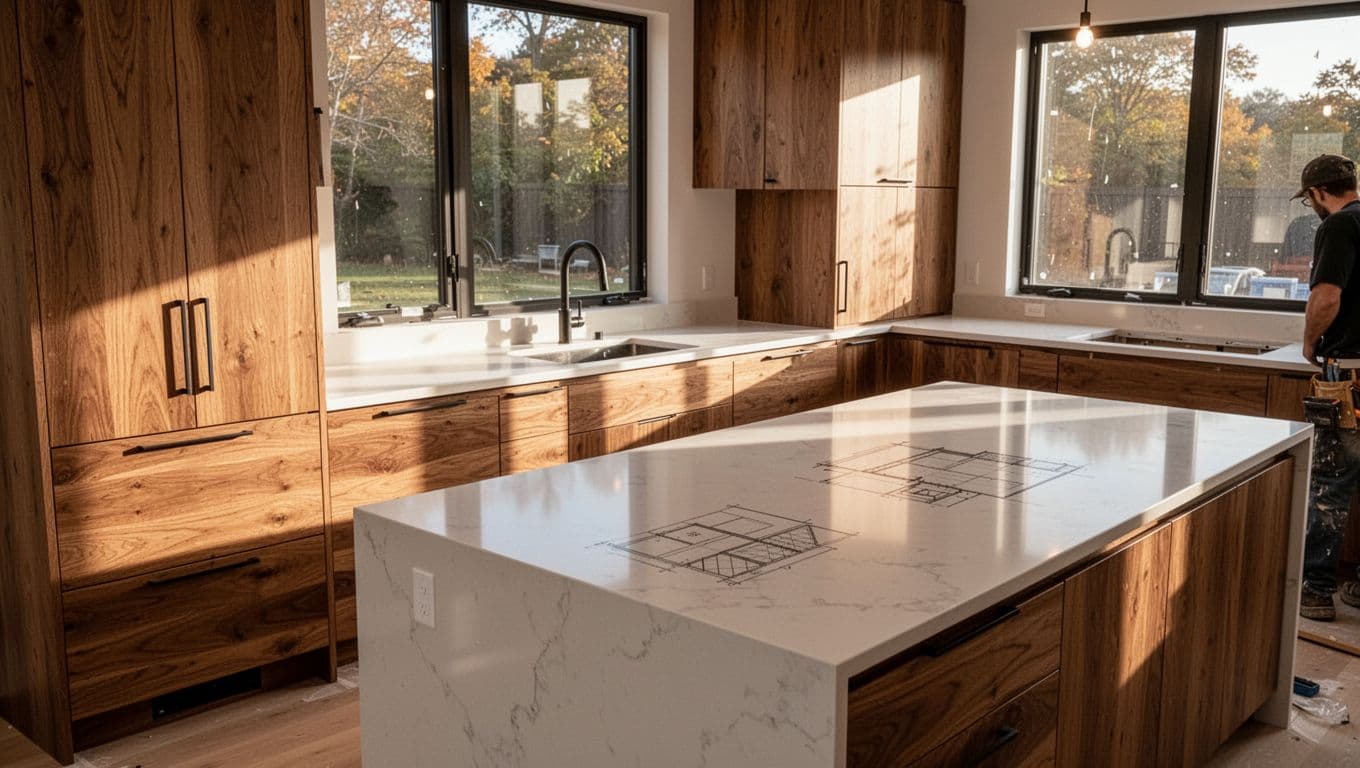
The material lead time usually starts after approval, not when you first choose the product in a showroom.
2026 Lead-Time Table for Kitchens and Bathrooms
The table below gives useful working ranges for Florida homeowners planning a remodel. Ask your contractor or supplier to confirm each date for your exact product and jobsite.
| Material or project item | Typical 2026 lead time | Finalize selection |
|---|---|---|
| Stock kitchen cabinets | 1 to 3 weeks | 6 to 8 weeks before installation |
| Semi-custom kitchen cabinets | 4 to 8 weeks in Southwest Florida; up to 8 to 14 weeks in some markets | 10 to 14 weeks before installation |
| Custom kitchen cabinets | 8 to 12 weeks in Southwest Florida; often 10 to 14 weeks elsewhere | 14 to 18 weeks before installation |
| Quartz countertop fabrication | 2 to 4 weeks after template | Choose slab before cabinet installation |
| Natural stone bathroom slab | 3 to 4 weeks after selection and template | 6 to 8 weeks before installation |
| Custom bathroom vanity | 6 to 8 weeks | 10 to 14 weeks before installation |
| Imported or handmade tile | 6 to 12 weeks | 12 to 16 weeks before installation |
| Specialty sinks and hardware | 1 to 3 weeks | 6 to 8 weeks before rough-in or cabinet order |
| Made-to-order shower glass | 3 to 6 weeks or longer | Confirm after walls and tile dimensions are known |
| Standard flooring | Confirm local stock | Before demolition |
| Specialty appliances | Confirm manufacturer inventory | Before cabinet drawings are approved |
| Impact-rated or coastal hardware | Often longer than standard products | During design, before ordering |
The earliest possible delivery date isn't always the date that matters. Your contractor may have a full installation calendar, so materials that arrive early may still wait for the next available crew.
Cabinets Usually Set the Kitchen Schedule
Cabinetry is often the largest material lead-time risk in a kitchen remodel. It also controls the locations of appliances, sinks, lighting, outlets, backsplash areas, and countertop edges.
Stock cabinets use standard sizes and finishes. They can work well for a smaller update where the existing layout stays in place. In Southwest Florida, published estimates commonly place stock cabinet delivery at one to three weeks.
Semi-custom cabinets offer more door styles, finishes, dimensions, and interior options. Their lead times often fall between four and eight weeks in the local market. However, Tampa and other Florida guides report ranges closer to eight to fourteen weeks for some semi-custom lines.
Custom cabinetry takes longer because the manufacturer builds the pieces for your approved plans. A custom kitchen may include unusual wall lengths, full-height storage, appliance panels, inset doors, specialty drawers, or an island with a nonstandard shape. Southwest Florida estimates commonly place custom cabinet lead times at eight to twelve weeks, while other Florida sources report ten to fourteen weeks or more.
Cabinet orders can pause when any of the following remains unresolved:
- Final appliance dimensions are missing.
- The homeowner changes the door style or paint color.
- Shop drawings need revisions.
- A cabinet requires a special filler, panel, or modified depth.
- The manufacturer is waiting for a deposit or signed approval.
- A finish goes on backorder.
- The delivery arrives with damage and replacement parts are needed.
For that reason, cabinet selection should happen before the rest of the finish palette. The cabinet dimensions affect the countertop, backsplash layout, appliance clearances, and sometimes the electrical plan.
Homeowners planning a kitchen in Cape Coral, Fort Myers, Naples, Punta Gorda, or Sanibel can review the kitchen remodeling services available through Sozio Building Company before setting a construction date.
When to order cabinets
For a standard kitchen remodel, try to approve the cabinet order at least three months before installation . Custom kitchens may require four months or more, especially when the design includes detailed drawings or specialty finishes.
Your contract should identify the expected ship date, delivery process, storage plan, and what happens if the manufacturer changes that date. Confirm whether the lead time begins at order placement, deposit receipt, drawing approval, or final production approval.
Countertops Depend on Cabinets, Templates, and Slab Availability
Countertops usually follow cabinet installation. The fabricator needs the installed cabinet boxes to create an accurate template, so ordering a countertop alone doesn't necessarily reserve an installation date.
Quartz fabrication commonly takes two to four weeks after templating in Florida market guides. That estimate assumes the selected color is available and the fabricator can schedule the work. A popular quartz pattern may require longer if the local distributor has no slabs in stock.
Natural stone introduces additional decisions. You may need to select a specific slab at a local yard, reserve enough material for the island, and approve how the fabricator will place the pattern. A bathroom stone slab may require three to four weeks for template and fabrication, according to a Palm Beach County remodeling guide.
The countertop schedule can shift when:
- The chosen slab isn't available locally.
- The island is too large for one slab.
- The design requires a book-matched seam.
- Cabinet installation reveals a wall that isn't square.
- The sink model changes after the template.
- A waterfall edge or thickened edge needs extra fabrication.
- The fabricator finds a flaw in the reserved slab.
- The contractor's template appointment is delayed.
Choose the sink, faucet, cooktop, and appliance specifications before templating. A farmhouse sink, undermount sink, or flush-mounted cooktop changes the cutout and edge details.
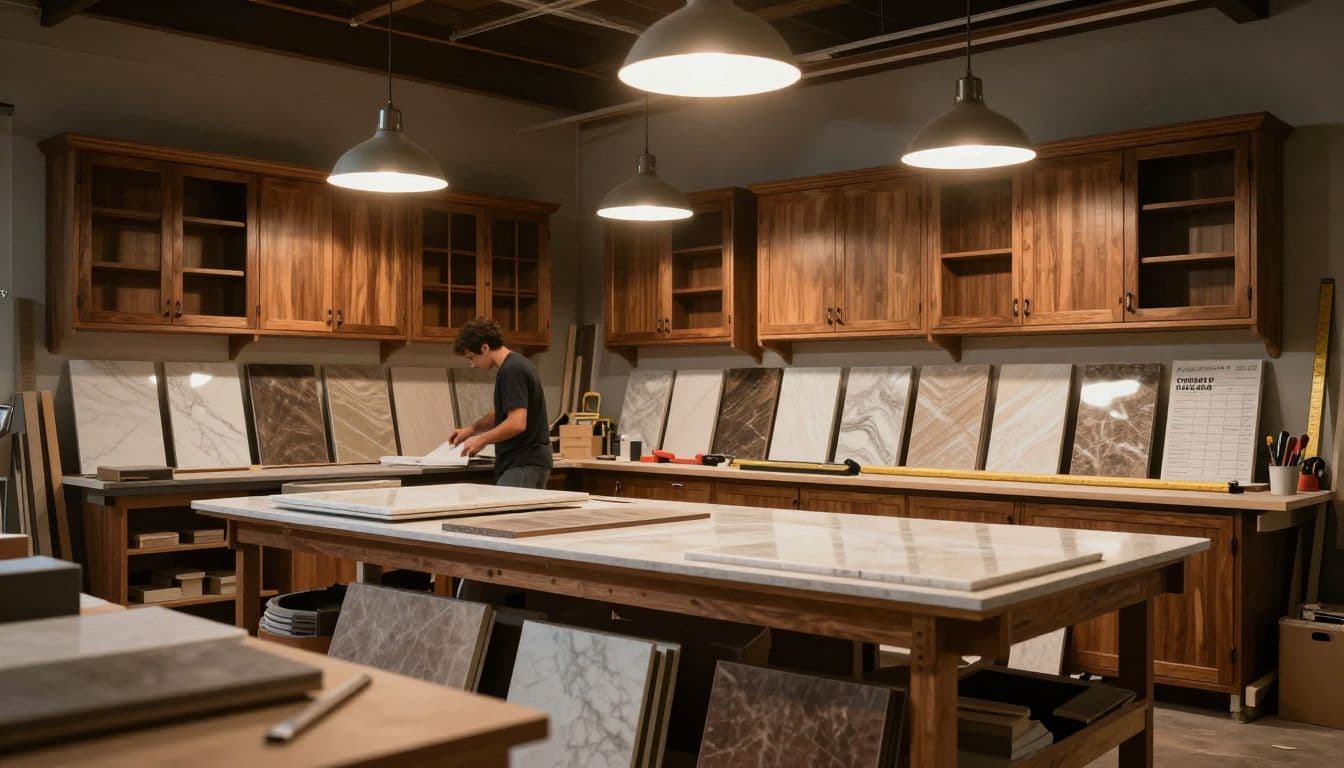
A homeowner who wants a fixed installation date should ask three separate questions: Is the slab physically available? When can the fabricator template? When can the completed countertop be installed?
Those answers are more useful than a general promise that the material is "in stock."
Bathroom Vanities and Tile Can Create Long Delays
Bathroom projects are smaller than kitchens, but their finish materials can be just as schedule-sensitive. A bathroom may depend on one custom vanity, one imported tile order, or a made-to-order glass enclosure.
Custom bathroom vanities commonly take six to eight weeks in Palm Beach County. Specialty vanities can take longer when they include furniture-grade finishes, unusual dimensions, integrated sinks, or custom hardware.
Tile requires careful planning because product names can hide major availability differences. A standard porcelain tile that a local distributor keeps in stock may arrive quickly. Handmade tile, imported Italian tile, mosaics, large-format panels, and discontinued colors may require six to twelve weeks. One backordered imported tile selection can add another month.
Order enough tile from the same production batch. A later replacement may have a different shade or caliber, and a second order may not arrive in time for the scheduled installation.
Bathroom materials to select early
Choose these items before demolition or before the contractor finalizes rough-in locations:
- Shower and floor tile
- Waterproofing system
- Vanity and cabinet finish
- Sink and faucet
- Toilet model
- Shower valve and trim
- Niche dimensions
- Shower glass style
- Mirrors and lighting
- Towel bars and other hardware
Shower glass is measured after the walls and tile are complete. Even so, decide early whether you want a framed, semi-frameless, or frameless enclosure. The choice affects blocking, tile edges, hardware, and the final measurement.

In Florida bathrooms, humidity can lengthen cure times for some materials. Hurricane-season weather can also affect deliveries and exterior work. Older homes may reveal rotted subflooring, outdated plumbing, or framing issues after demolition. Those conditions are construction delays, not material lead times, but they still affect the date you can use the room.
Appliances, Fixtures, Windows, and Specialty Products
Appliances require attention before cabinet drawings receive final approval. The cabinetmaker needs accurate specifications for refrigerators, wall ovens, cooktops, range hoods, dishwashers, and microwave drawers.
A product can appear available online while the local distributor has no inventory. Delivery may also depend on warehouse location, freight scheduling, installation requirements, or damage inspection. Special-order colors and panel-ready appliances often need more planning than standard stainless models.
Plumbing fixtures create similar risks. A faucet, shower trim kit, tub filler, or specialty sink may have a short lead time when available through a local supplier. The same product can take weeks when the finish is unusual or the manufacturer has a production backlog.
For custom homes, material coordination starts much earlier. Windows, exterior doors, impact-rated openings, roofing components, cabinetry, tile, plumbing fixtures, and lighting all interact with the construction sequence. A delayed window package can affect weather protection and interior work. A late appliance package can force cabinet revisions.
Coastal homes may need products that meet local wind or impact requirements. Florida remodeling sources identify impact-rated exhaust fan vents, hurricane-rated exterior penetrations, and marine-grade hardware as potential delay points. These items may take two to four weeks longer than standard products.
Confirm the exact product, model number, finish, code requirement, and delivery location. A substitute that looks similar may not fit the approved plan or meet the project's requirements.
Florida Location and Permits Affect the Calendar
Material availability is only one part of your schedule. Florida remodel timelines also depend on the local building department, the scope of work, and the number of trades included in the permit.
A cosmetic refresh may avoid major permit work if it doesn't change plumbing, electrical, structural, or mechanical systems. Moving a sink, adding circuits, removing a wall, changing a window, or modifying a shower can create a more involved review.
Published 2026 Florida estimates show wide permit ranges:
| Location or market | Reported permit or project range | Planning note |
|---|---|---|
| Florida statewide estimates | 2 to 8 weeks for permit delays | County and project scope control the result |
| Tampa and Hillsborough County | 4 to 8 weeks for a kitchen permit phase | Multi-trade plans may require more review |
| Miami-Dade | 8 to 20 weeks for some multi-trade kitchen permits | Allow extra time for complex submissions |
| Broward and Palm Beach areas | 4 to 6 weeks in one 2026 estimate | Verify with the local jurisdiction |
| Orange County and Orlando | 2 to 4 weeks for permit approval in one guide | Scope and plan completeness still matter |
| St. Petersburg bathroom remodels | 3 to 5 weeks for plan review | Specialty work can extend the total |
These figures describe reported planning ranges, not guaranteed government service levels. Your contractor should verify the current process for the property's municipality before promising a construction start.
Cape Coral, Fort Myers, Naples, Punta Gorda, and Sanibel can have different submission requirements, inspection procedures, and review workloads. The property may also fall under a city, county, or special flood-related requirement. A coastal or flood-zone project may need additional documentation for exterior openings, elevation, drainage, or structural work.
Permit revisions are a common source of delay. Incomplete drawings, missing product information, late homeowner changes, and conflicts between architectural and engineering plans can send a package back for correction.
Submit complete drawings and make selections early. A permit delay can waste material lead time if cabinets arrive before the framing, plumbing, or electrical work is ready.
A Practical Selection Calendar for Your Remodel
The safest approach is to work backward from the desired installation date. Start with the material that has the longest confirmed lead time, then coordinate shorter-lead products around it.
Four to six months before installation
Finalize the layout, appliance locations, cabinet style, and major plumbing changes. Custom cabinet projects should have approved drawings moving through the supplier's process by this stage.
For a high-end kitchen, reserve stone and confirm specialty tile availability during this period. If you wait until the design feels completely finished, you may lose time while products sit in a warehouse or return to production.
Three months before installation
Place cabinet orders and confirm the delivery address. Select appliances, sinks, faucets, lighting, hardware, and backsplash tile. Verify that every item fits the approved plans.
At this point, your contractor should also have a clear permit path. Ask whether the work can begin after permit issuance or whether inspections, engineering, HOA approval, or utility coordination add more time.
Six to eight weeks before installation
Reconfirm cabinet production and shipping. Check that tile, fixtures, hardware, and appliances have confirmed arrival dates. Don't rely on an old showroom quote.
Your contractor should review the room dimensions and site conditions. If a wall, floor, or ceiling requires correction, the team can adjust the sequence before demolition begins.
Two to four weeks before installation
Confirm delivery appointments, product counts, and visible damage. Quartz and stone work should have a template appointment scheduled after cabinets are installed. Make sure the selected sink and cooktop are on site before templating.
For bathrooms, verify that waterproofing materials, tile, shower valves, trim kits, and vanity components are ready. A missing valve trim can prevent final completion even when the rest of the bathroom is finished.
At delivery
Inspect boxes, slabs, tile cartons, fixtures, and appliances. Photograph damage before installation and report problems immediately. Keep invoices, packing slips, finish names, and model numbers together.
A contractor may prefer to receive and inspect materials directly. Discuss who handles storage, insurance, delivery damage, and replacement orders before the first shipment arrives.
How to Keep a Remodel Moving When a Material Slips
A late product doesn't always stop the entire project. Your contractor may be able to change the sequence while waiting for one item, but that depends on the material and the room.
For example, a kitchen team may complete demolition, framing, electrical rough-in, plumbing rough-in, drywall, painting, and flooring before cabinet delivery. A bathroom crew may complete waterproofing preparation while waiting for a vanity. The actual options depend on access, inspection requirements, and the approved plans.
Ask for a written recovery plan if a delivery date changes. It should identify:
- The delayed product and revised arrival date
- Work that can continue
- Work that must wait
- Any added storage or labor cost
- Whether an approved substitute is available
- The effect on countertop templating or final inspection
- Who must approve the change
Substitutions need care. A different faucet may require new rough-in dimensions. A replacement tile may alter the layout. A substitute cabinet finish may change the entire color scheme. The contractor, designer, and homeowner should approve changes before anyone orders them.
Avoid ordering duplicate products without a plan. Extra materials can create return fees, storage problems, or mismatched batches. Instead, ask the supplier to identify an equivalent product that is truly available and compatible with the design.
Questions to Ask Your Contractor and Suppliers
Before signing a remodeling agreement, ask how the schedule handles materials. Clear answers can prevent disputes later.
Ask the contractor:
- Which selections control the start date?
- When does each quoted lead time begin?
- Who places the order and tracks the shipment?
- Does the price include freight, delivery, and inside placement?
- Where will materials be stored?
- What happens if a product arrives damaged?
- Which substitutions require my written approval?
- How often will I receive schedule updates?
- What work can continue if one item is late?
- Which dates depend on permits or inspections?
Ask suppliers for more than a broad range. Request the current inventory status, estimated ship date, estimated arrival date, finish availability, and cancellation policy. Confirm that the quoted date applies to your model number and finish, not an equivalent display item.
You should also ask whether the product is made domestically or imported. A shipment may face factory scheduling, port delays, freight transfers, or damage inspection before it reaches Southwest Florida.
For custom home construction, request a procurement schedule that matches the construction schedule. Your builder should identify long-lead materials well before the related trade needs them. Homeowners considering a personalized new build can review Sozio's custom home builder services while comparing design and construction timelines.
Build Your Budget Around Confirmed Dates
A material delay can create costs beyond the product itself. You may need to extend temporary kitchen arrangements, reschedule trades, pay for storage, change travel plans, or keep a property vacant longer.
Your contract should explain how price changes work when a supplier raises its price after the estimate. It should also explain whether expedited freight, replacement materials, or additional site visits cost extra.
Material allowances need careful review. A countertop allowance may not include the slab, fabrication, sink cutout, edge profile, delivery, or installation. A tile allowance may exclude waterproofing products, trim pieces, grout, freight, and waste.
Ask for a selection schedule that shows:
- The allowance amount
- The deadline for choosing the item
- The expected lead time
- The person responsible for ordering
- The cost of upgrades or substitutions
- The process for approving credits
Price and timing often connect. The least expensive product isn't always the quickest, and the most expensive finish isn't always available sooner. A local, in-stock alternative may protect the schedule, but only if it meets the design, performance, and code requirements.
What a Realistic Florida Remodel Timeline Looks Like
A minor kitchen refresh with no plumbing or electrical changes may take roughly three to five weeks of construction, according to Florida remodeling timelines. A mid-range remodel may require six to ten weeks in Orlando estimates, while Southwest Florida construction phases often run eight to fourteen weeks.
Full custom kitchens take longer because design, permits, cabinetry, countertops, inspections, and finish work overlap. Florida sources report total project ranges such as eight to sixteen weeks, twelve to twenty weeks, and fourteen to twenty-six weeks, depending on the market and scope. High-end Palm Beach projects may take four to nine months.
Bathroom remodels often fall in the six-to-twelve-week range when planning, permits, construction, and final walkthrough are included. The finish phase can take three to five weeks after rough-in, but specialty tile, custom vanities, shower glass, and hidden water damage can extend the schedule.
Custom home construction follows a different timeline. The material schedule starts during design, not after the foundation is complete. Long-lead selections need approval early enough for the builder to coordinate framing, enclosure, mechanical systems, cabinets, and interior finishes.
A useful schedule includes both a promised date and a latest acceptable date . If the supplier only provides a range, plan around the later end. That small amount of schedule protection is easier to manage before demolition than after the kitchen is unusable.
Conclusion
Florida remodel material lead times can determine whether a project stays organized or loses weeks to backorders, permit revisions, and missed trade appointments. Cabinets, countertops, tile, vanities, specialty fixtures, and coastal products deserve early attention because their delivery dates affect everything that follows.
Choose major materials before construction, confirm current dates directly with suppliers, and ask your contractor to connect every delivery to the installation schedule. In Southwest Florida, a clear selection calendar gives your Cape Coral, Fort Myers, Naples, Punta Gorda, or Sanibel remodel a much better chance of staying on track.
If you're ready to plan your project around realistic materials and construction dates, Get a Free Estimate for an onsite conversation about your remodeling or custom home plans.