Open Shelving vs Upper Cabinets in Coastal Florida Kitchens
Salt air can turn a small finish choice into a maintenance problem in a coastal Florida kitchen. A shelf that looks beautiful in a showroom may collect grease, dust, and moisture during daily use.
When comparing open shelving vs upper cabinets , you're choosing more than a look. You're deciding how dishes are stored, how often surfaces get wiped, and where clutter can go.
Both options can work in Cape Coral, Fort Myers, Naples, Punta Gorda, or Sanibel. The right plan matches your home's exposure, entertaining habits, and tolerance for visible storage. Start by understanding what each option does well.
What Each Storage Option Brings to a Florida Kitchen
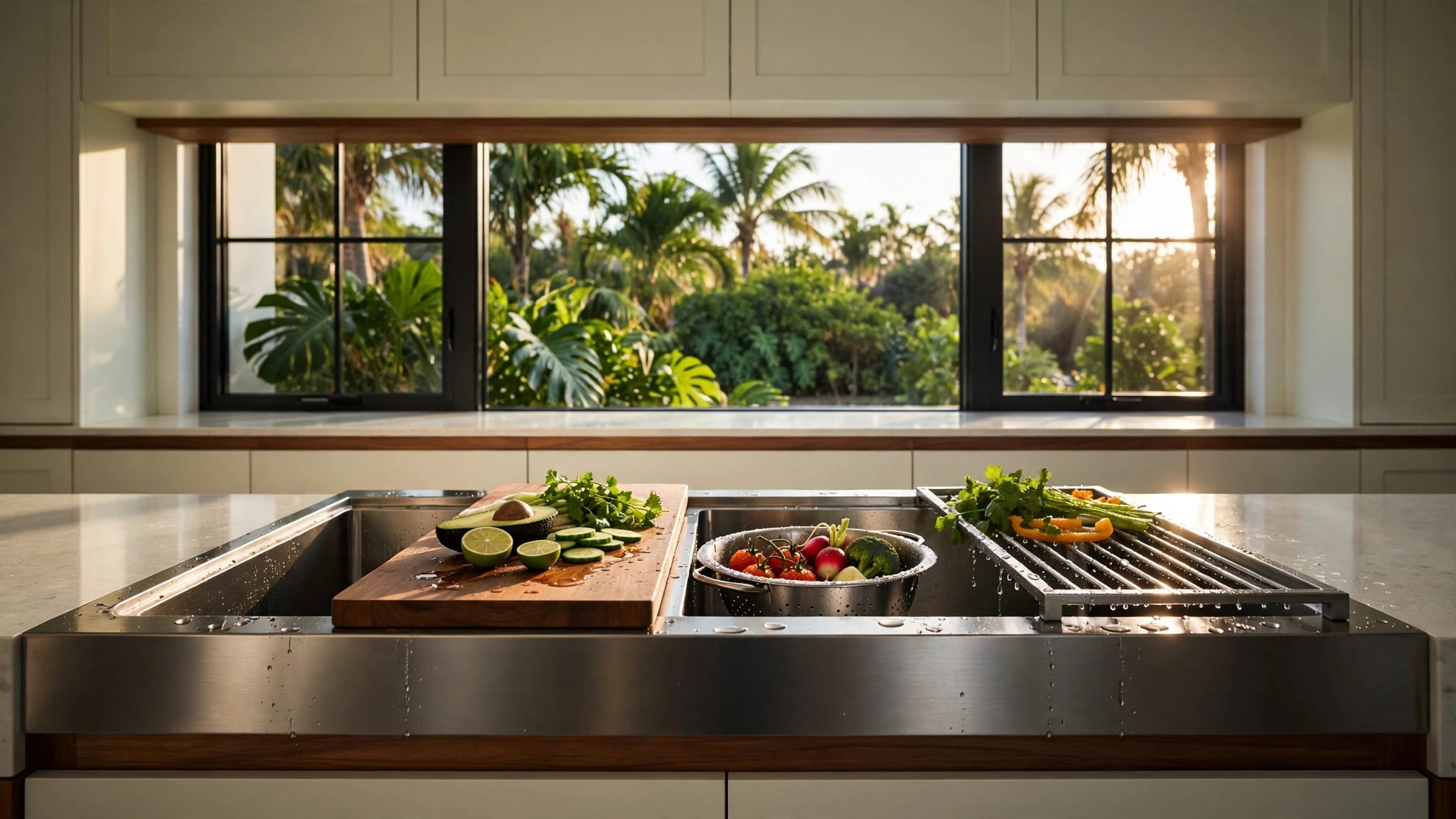
Open shelves remove cabinet doors, so plates, serving bowls, and everyday glasses stay within reach. They can make a compact kitchen feel less enclosed, especially when a wall has a window or a view. Shelves work well for pieces you use often, but they make every item part of the room's visual composition.
Upper cabinets hide mismatched dishes and small appliances. They protect contents from airborne grease and reduce the amount of daily dusting. Their enclosed boxes use vertical wall space efficiently, although deep or high cabinets can make some items hard to reach.
Storage volume depends on the layout, not only the cabinet type. A run of shelves may cost less in materials than full upper cabinetry, but custom brackets, finished wall surfaces, and careful installation affect the final budget. Upper cabinets add doors, hinges, and more cabinet material, yet they often provide more concealed storage.
A useful starting point is to reserve open shelves for daily items and use uppers for backups, serving pieces, and appliances you want out of sight. This split gives the kitchen a lighter look without asking shelves to handle every storage task.
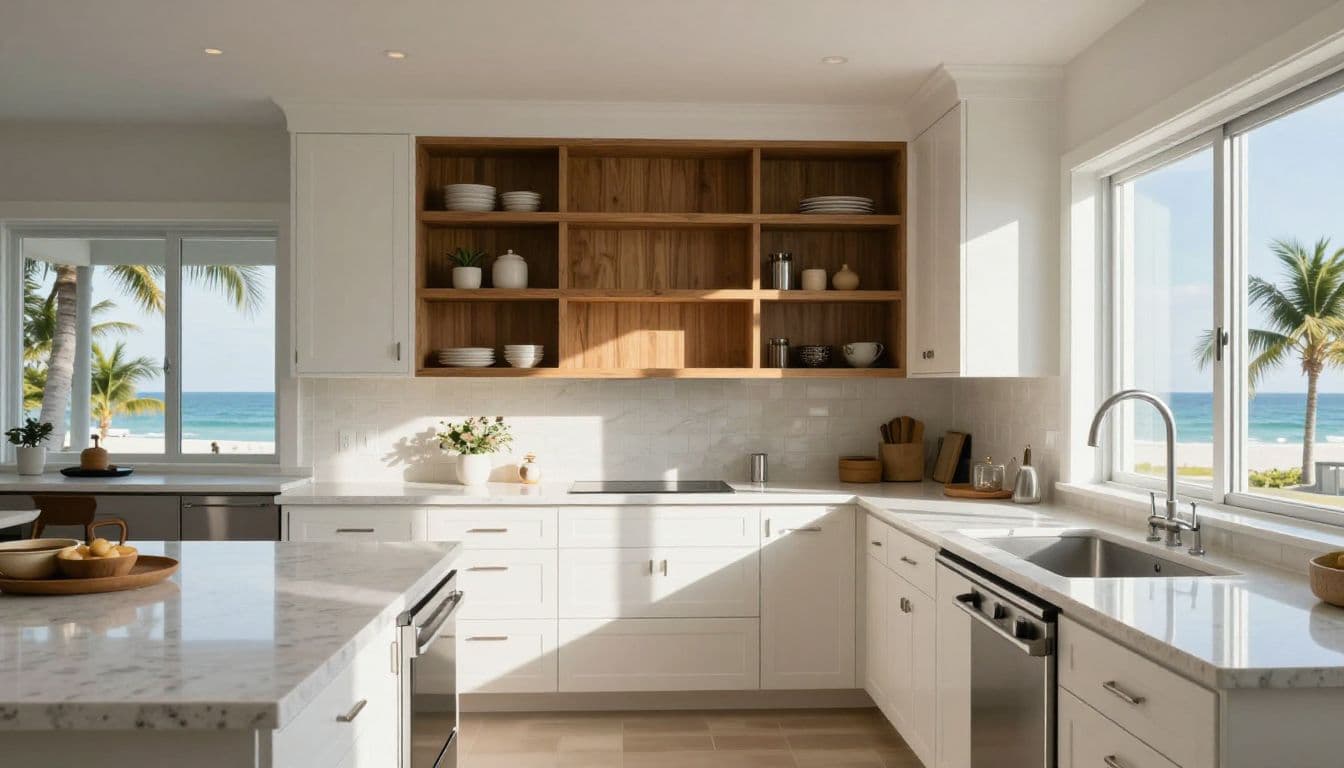
A design with both options can create contrast without making the room feel busy. For help planning cabinets, counters, appliances, and finishes together, review Sozio Building Company's kitchen remodeling services.
Open shelving vs upper cabinets: Which suits your home?
Coastal Florida changes the storage question because kitchens face heat, humidity, intense sun, and, in many neighborhoods, salt-laden air. Salt exposure is strongest near open water, but breezy conditions can carry residue farther inland.
That doesn't rule out open shelves. It makes finish selection and cleaning habits more important. Cabinet doors provide a physical barrier against dust and cooking spray, while shelves leave dishes exposed. However, closed cabinets still need dry surfaces around sinks, dishwashers, and ice makers.
How humidity and salt affect the decision
Humidity affects the entire room, not one storage style. Cabinet panels and shelf boards can expand or contract when moisture reaches unfinished edges. Ask how the cabinetmaker seals cutouts, sink bases, shelf edges, and areas around plumbing.
An open shelf should have a washable, sealed finish, plus enough clearance to wipe behind and beneath it. Upper cabinets should have sealed seams and a sink cabinet with a removable, moisture-tolerant base.
Good ventilation matters too. A properly sized, exterior-vented range hood removes cooking moisture and grease before they settle on shelves or doors. Keep wood shelves away from direct steam from a dishwasher or a frequently used coffee maker.
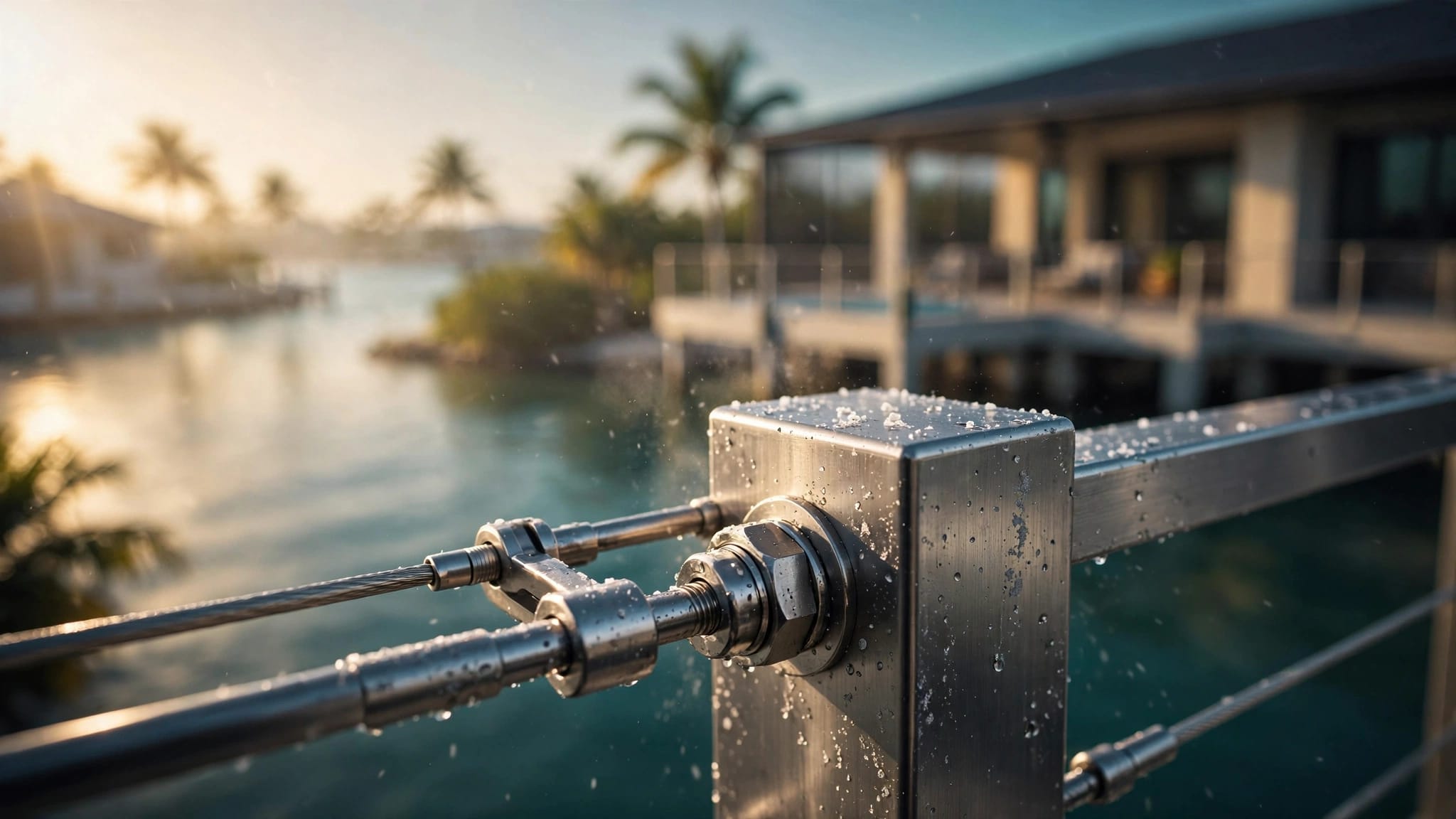
Hardware deserves equal attention. Standard interior hardware may work well in many homes, but 316 stainless steel offers added protection where regular salt exposure is a concern. Quality 304 stainless hardware is a common choice for less exposed interiors. Powder-coated metal can work too, provided the coating remains intact around screws and edges.
Cleaning and daily use
Open shelving requires a quick wipe more often, especially near the cooktop. Dishes may need cleaning before use if they sit untouched for several days. That routine suits homeowners who keep a small collection of attractive, frequently used pieces.
Upper cabinets reduce visual maintenance because most dust stays behind the doors. Still, doors, knobs, and the cabinet bottom need regular cleaning. Grease can collect under upper cabinets, particularly when the range hood doesn't capture all cooking vapor.
An open shelf beside a range can become a grease collector, even when the rest of the kitchen stays clean.
Your cooking style matters. A household that cooks elaborate meals most nights may prefer closed storage near the range. Someone who prepares simple meals and entertains often may value shelves near a beverage station or serving area.
Materials and hardware for coastal durability
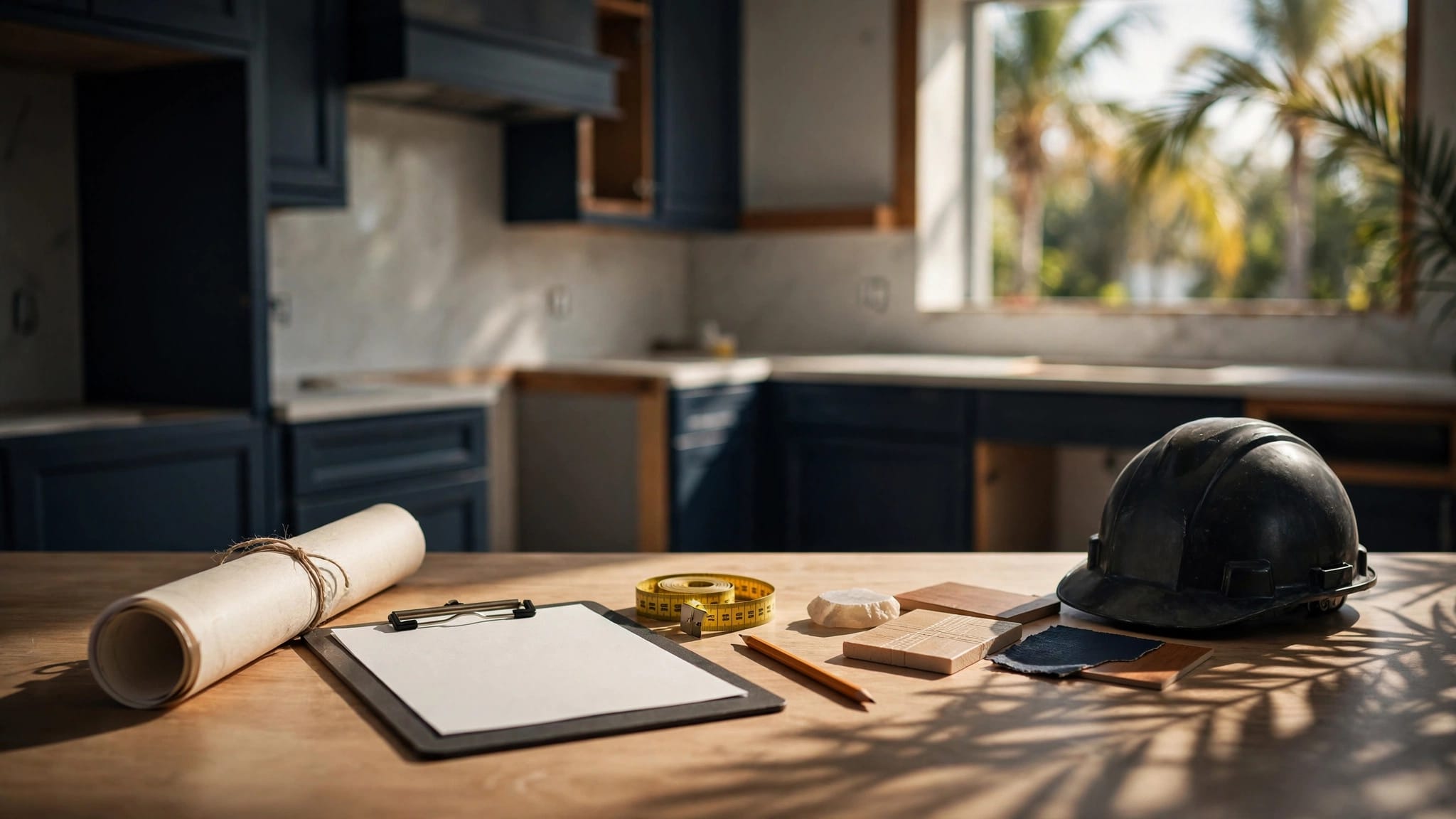
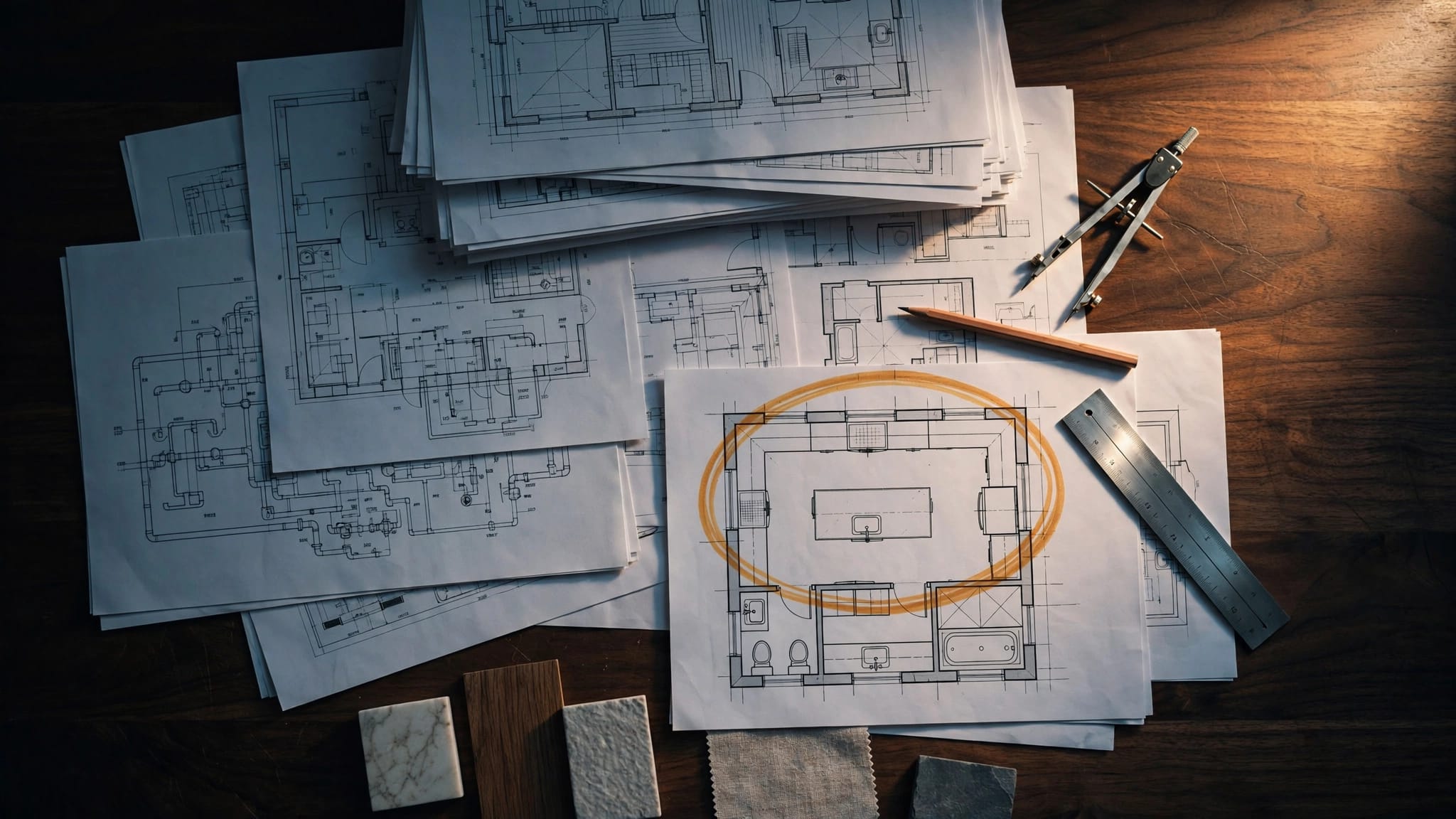
The cabinet style matters, but the construction and finish matter more in a humid home. Ask for details about the cabinet box, edge treatment, finish system, fasteners, and areas around plumbing before approving the design.
For cabinet boxes and shelf supports, plywood construction is a strong choice where moisture exposure is likely. High-quality furniture board can perform well when edges and joints receive proper protection, but raw or poorly sealed edges have less tolerance for leaks and steam.
Choose doors and drawer fronts with finishes that handle frequent wiping. A quality factory finish, conversion varnish, or durable laminate can be easier to maintain than a delicate painted surface. Painted wood can look excellent, but wood moves with changes in humidity, so small shifts at joints may appear over time.
For open shelves, consider solid hardwood, veneered plywood, or another board with sealed edges. Avoid exposed raw MDF edges. If you want a bright coastal appearance, white oak veneer, light maple, or painted shelves can add warmth without competing with the countertops.
Practical material recommendations include:
- Use quartz or porcelain for easy-clean countertop surfaces near open shelving and beverage stations.
- Select stainless steel, powder-coated metal, or other corrosion-resistant hardware for brackets, pulls, and hinges.
- Seal natural stone backsplashes and counters according to the stone manufacturer's care requirements.
- Add a washable backsplash behind shelves, especially where dishes may touch the wall.
- Specify soft-close hinges and drawer glides with replaceable parts from a recognized manufacturer.
- Plan blocking or solid attachment points before drywall so shelf brackets can carry their intended load.
Shelf depth also affects maintenance. Shelves around 10 to 12 inches deep usually hold everyday dishes without creating a dark, crowded back row. Deeper shelves hold more, but they can become harder to reach and easier to overload.
For styling, limit the display to pieces you use or enjoy seeing. A few coordinated dish shapes, wood tones, or ceramic pieces look more settled than a shelf packed with every serving item in the house. Glass-front cabinets offer another option when you want display space with more protection from dust.
A hybrid layout often works best for entertaining
Many coastal Florida homeowners don't need to choose one storage style for every wall. A hybrid kitchen places closed cabinets where protection and capacity matter, then uses a short shelf run where access and visual openness matter more.
Keep upper cabinets around the refrigerator, wall oven, or main storage zone. These areas can hold pantry items, small appliances, and backup dishes without adding visual clutter. Drawers below the counter are useful for cookware because they make heavy items easier to access than a low cabinet.
Place one or two open shelves on a wall with less cooking splash. A beverage station, breakfast area, or serving zone often works better than the space directly beside a cooktop. Shelves near an island can hold glasses and frequently used dishes, but they shouldn't interfere with traffic or seating.
Frequent entertaining also calls for a landing zone. Guests need a clear place for drinks, plates, and serving pieces. Closed storage can hold extra napkins and platters, while a nearby shelf can keep the items used during the event within easy reach.
Lighting completes the layout. Under-cabinet lighting works beneath upper cabinets, while slim picture lights or concealed LED strips can illuminate open shelves. Select fixtures rated for the location, and keep wiring planned before the backsplash and shelves go in.
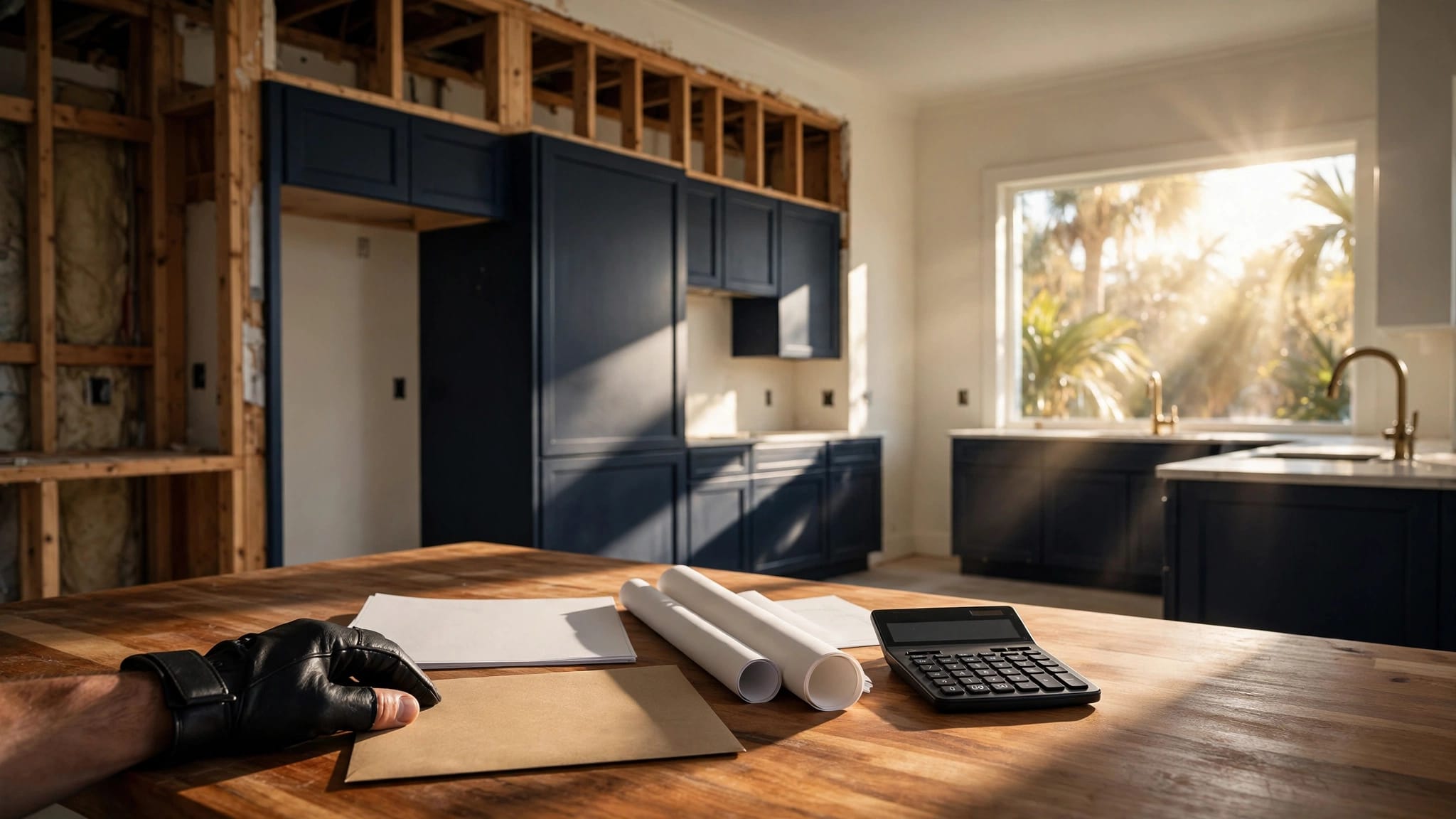
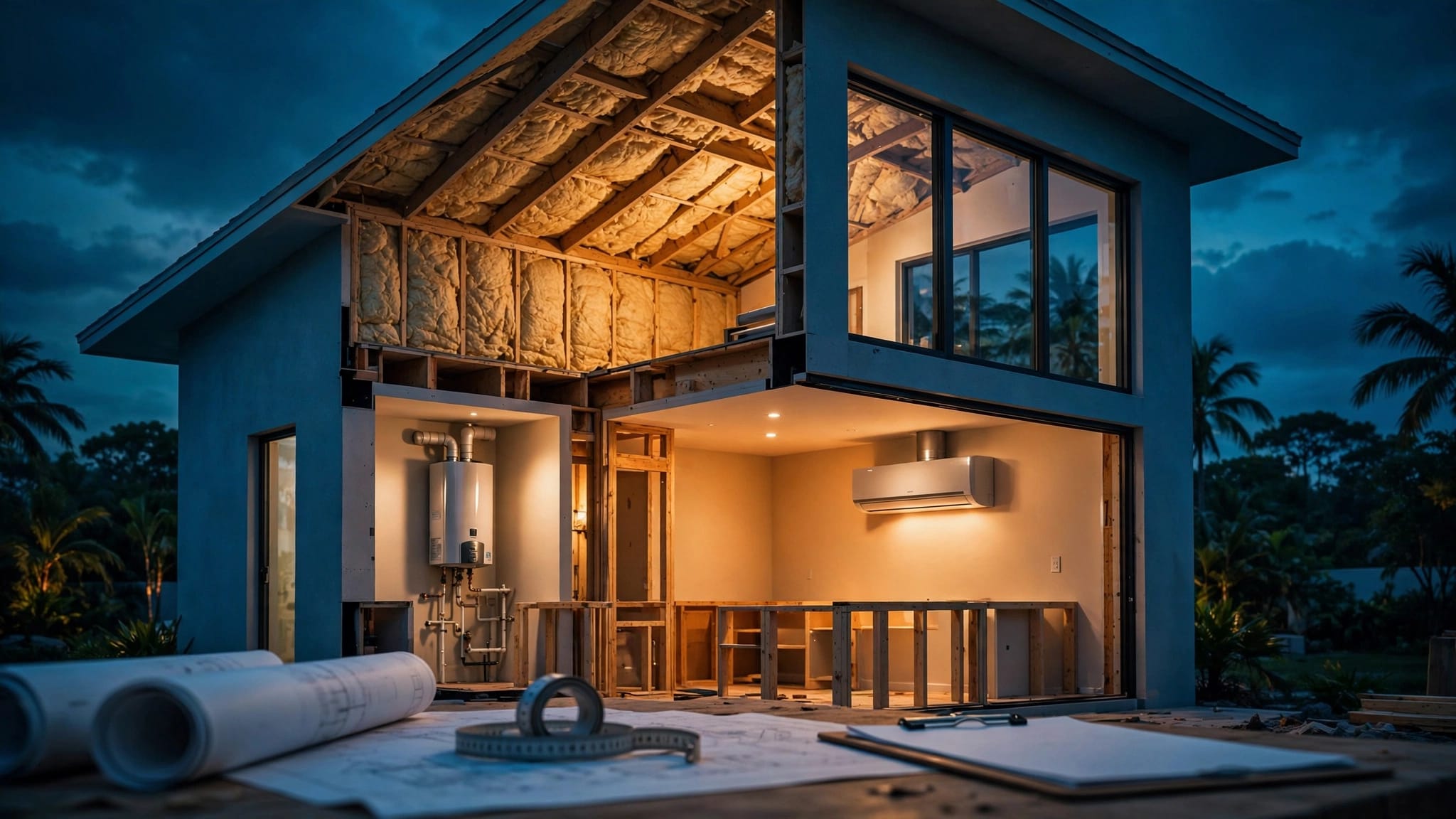
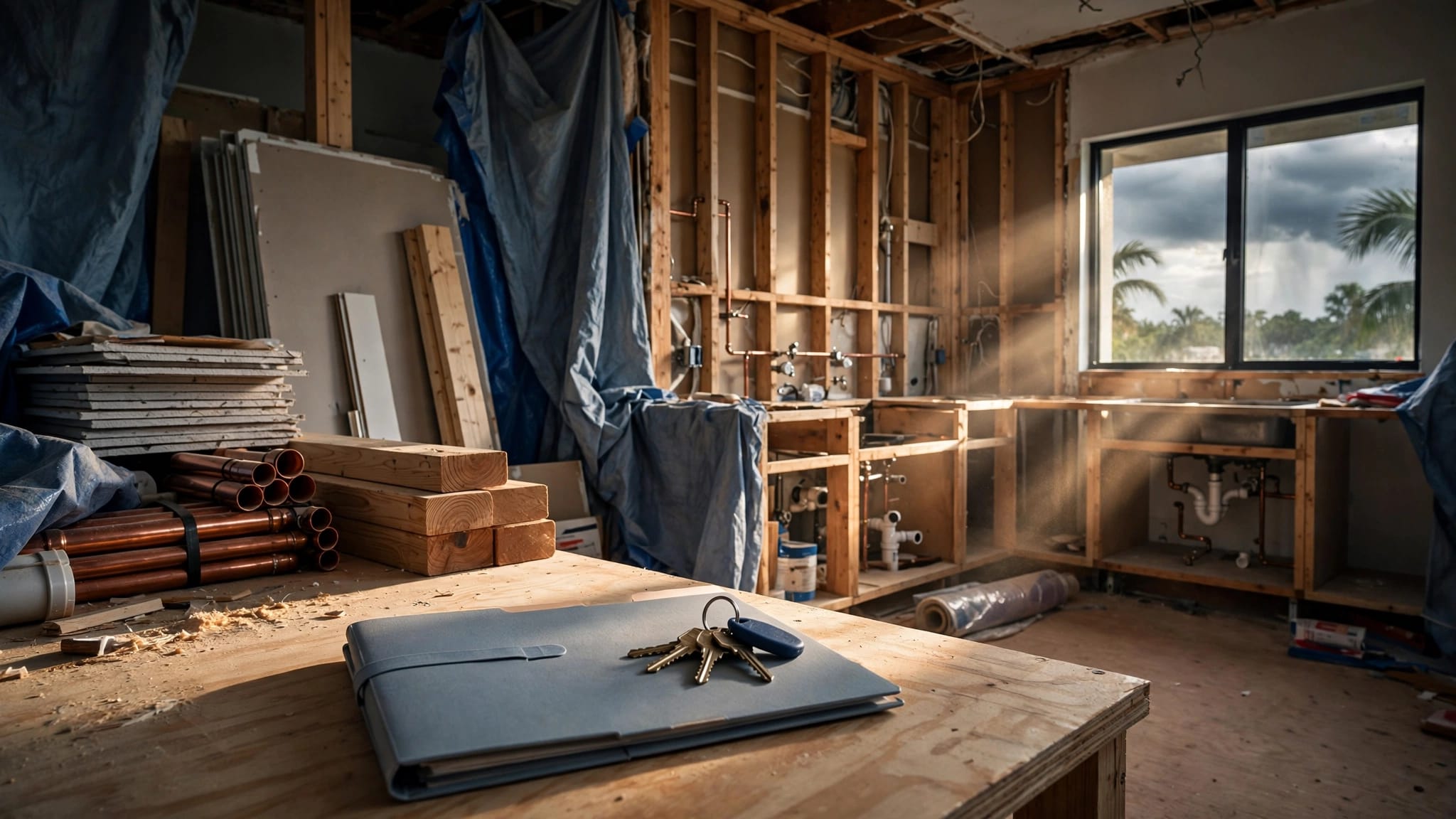
In a new build, ask the builder to coordinate shelf blocking, cabinet heights, outlets, hood ventilation, and lighting during the design stage. In an existing home, those details may require more planning, especially if plumbing or electrical locations change. Sozio's guide to what to expect during a Southwest Florida kitchen remodel can help you prepare for those decisions.
The open shelving vs upper cabinets decision also affects the project schedule. Custom cabinetry, specialty hardware, permits, and finish work can extend a remodel, so confirm the design before ordering materials. If you're ready to discuss a layout for your home, you can Get a Free Estimate for a remodeling or construction project.
How to make the final choice
Choose open shelving when you want quick access, a lighter wall treatment, and a small display area. It fits homeowners who don't mind regular wiping and can keep the visible collection controlled.
Choose upper cabinets when you need maximum concealed storage, prefer a cleaner appearance, or cook often with grease and steam. They are also useful when you want to protect specialty dishes from dust and salt residue.
A hybrid arrangement is often the most practical answer for a busy household. Use durable, sealed materials in either case, choose corrosion-resistant hardware, and keep shelves away from the highest-splash areas.
Conclusion
The best choice in a coastal Florida kitchen depends on how you use the room every day. Open shelves bring accessibility and visual space, while upper cabinets provide protection and hidden capacity.
For many homeowners, the most balanced solution is a mix of both. The practical answer to open shelving vs upper cabinets is to place each option where it handles the conditions, storage needs, and cleaning routine of your home.