Lead Paint Testing Before an Older Florida Home Remodel
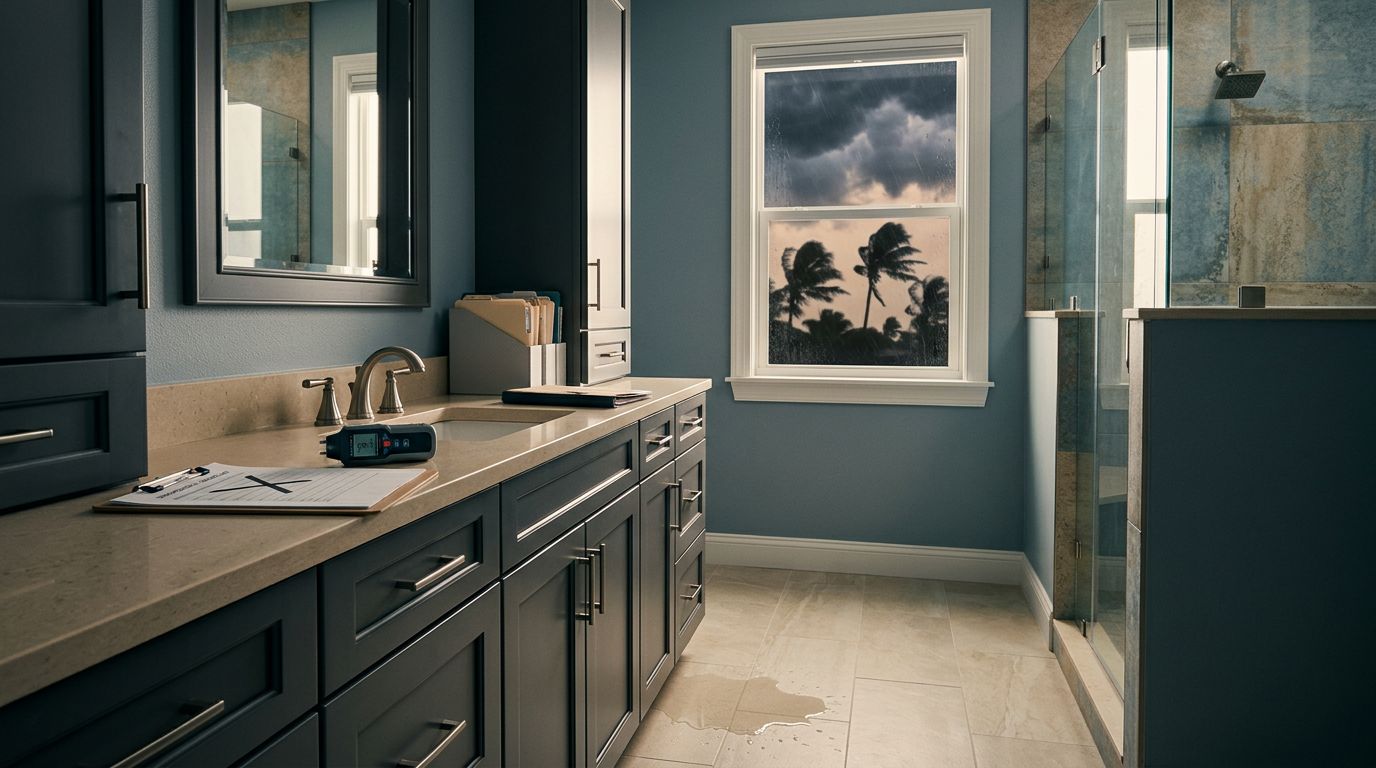
A bathroom refresh can become a dust problem before the new tile arrives. Sanding trim, removing cabinets, or opening a painted wall can send fine particles beyond the work area.
That is why lead paint testing belongs near the start of any remodel in a Florida home built before 1978. The home's age doesn't prove lead is present, but it does call for careful planning before anyone disturbs painted surfaces.
A clear test result and a written lead-safe work plan protect your household, your schedule, and the quality of the finished project.
Lead Paint Testing for Pre-1978 Florida Homes
Federal lead rules use 1978 as the dividing line because residential lead-based paint was banned for consumer use that year. A pre-1978 construction date does not confirm that every wall, door, or piece of trim contains lead. Still, older paint layers should be treated as a possible hazard until a qualified professional evaluates the surfaces involved.
Disturbing painted surfaces creates lead dust
Intact paint behind a cabinet may pose little immediate concern. However, sanding, scraping, drilling, demolition, and paint preparation can create hazardous lead dust. That dust can settle on floors, countertops, furniture, window sills, and nearby rooms.
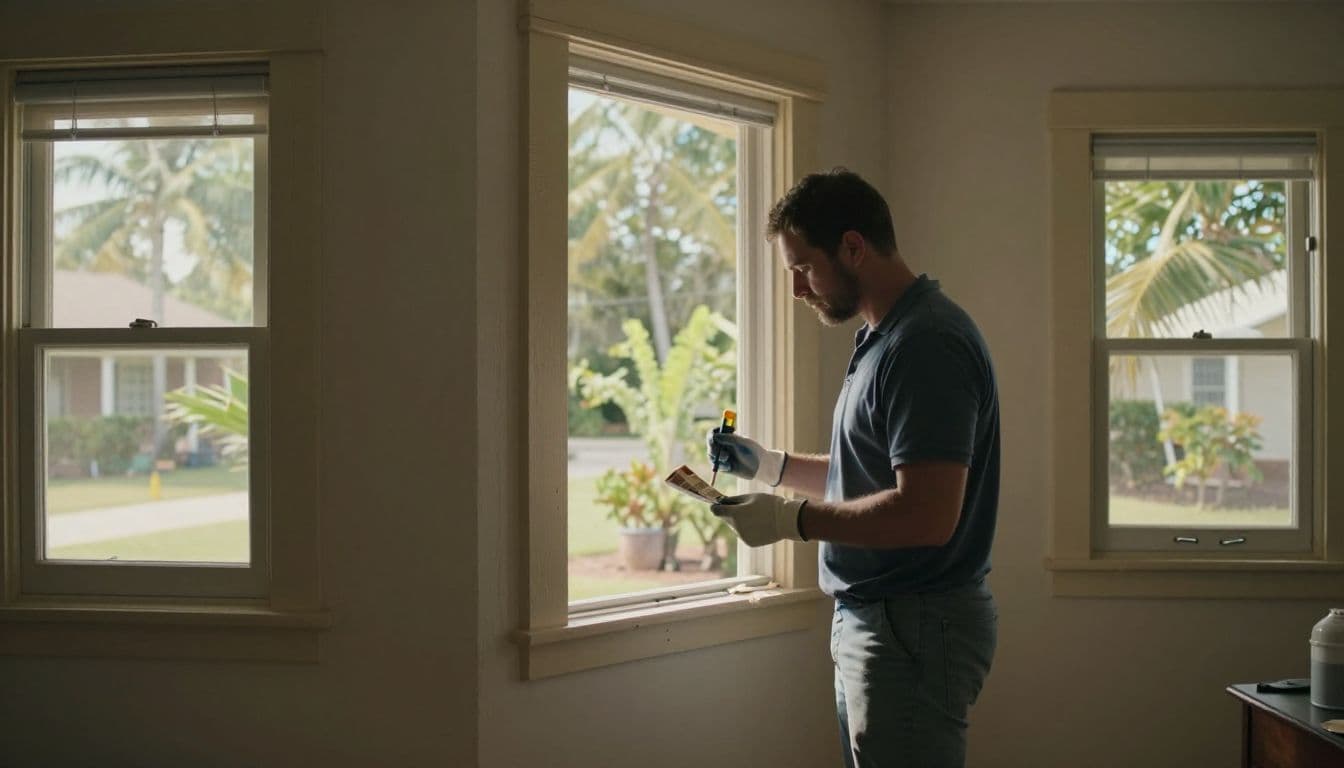
Window replacement deserves extra attention. Removing an old sash or painted trim can disturb several painted layers at once. The same concern applies when a kitchen layout changes and crews cut into painted walls for plumbing, electrical, or structural work.
Match the testing to your project scope
A useful evaluation focuses on the painted components your remodel will disturb. Those might include kitchen walls behind upper cabinets, painted baseboards, old doors, window trim, soffits, porch railings, or bathroom plaster.
Share preliminary plans with the lead inspector before testing begins. If your design changes later, tell the remodeler and inspector. A wall that was once staying in place may become part of the demolition plan.
Know the Difference Between an Inspection and a Risk Assessment
Lead paint testing can identify whether painted components contain lead. Yet a test result is only one part of a smart remodeling decision. The right service depends on the house, its condition, and who lives there.
A lead inspection identifies painted components with lead
A qualified lead inspector evaluates painted surfaces and documents where lead-based paint is present. For a remodel, this information helps the contractor plan around the components that will be disturbed.
A valid lead-free determination for the relevant surfaces can also remove guesswork. Keep the report with your remodeling records, along with the floor plan and final scope of work.
A risk assessment looks for active hazards
A risk assessment goes further by evaluating the condition of paint and possible dust or soil hazards. It can be especially helpful when paint is peeling, windows are worn, or young children spend time in the home.
Don't rely on a store-bought kit or try to remove paint chips yourself. Sampling painted surfaces can create unnecessary exposure. A qualified inspector or risk assessor can recommend the appropriate evaluation without turning your home into a test site.
Remodeling Tasks That Need Upfront Lead Planning
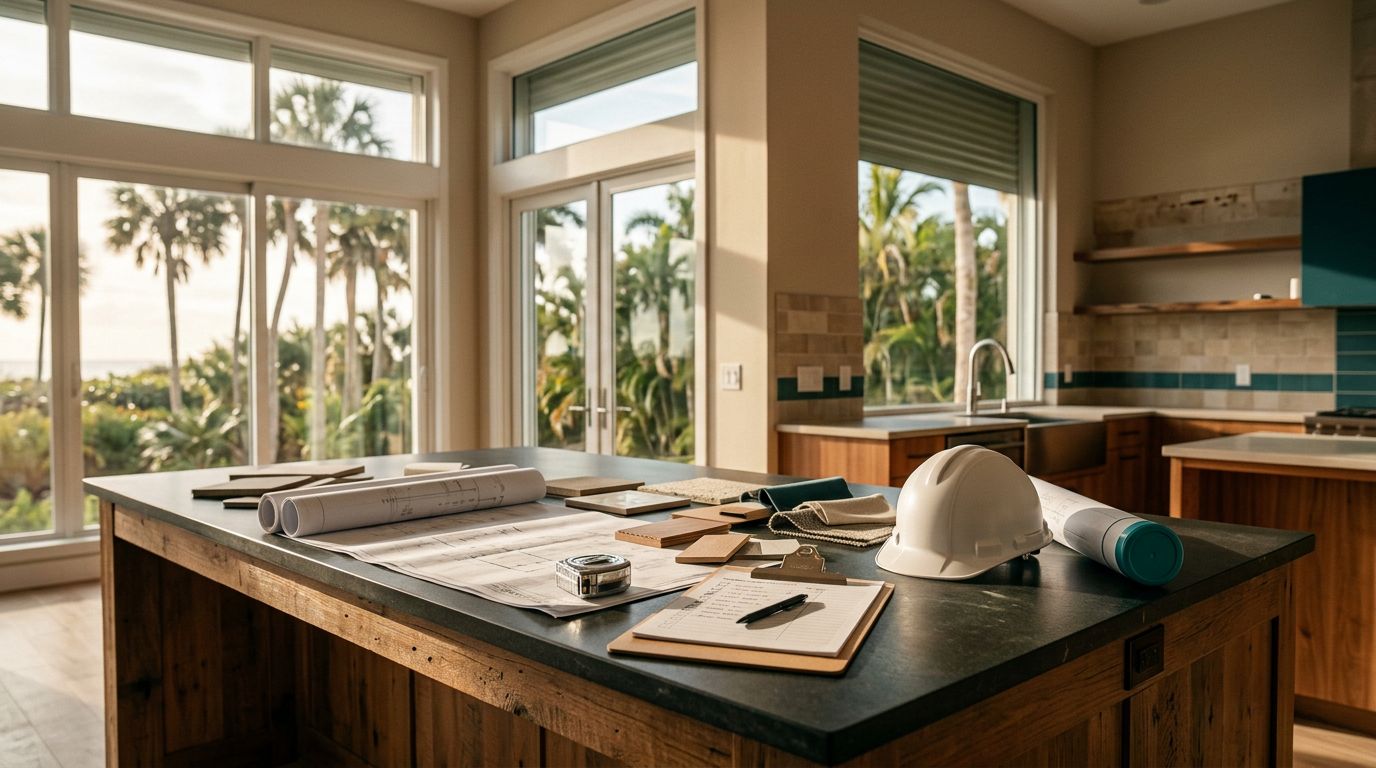
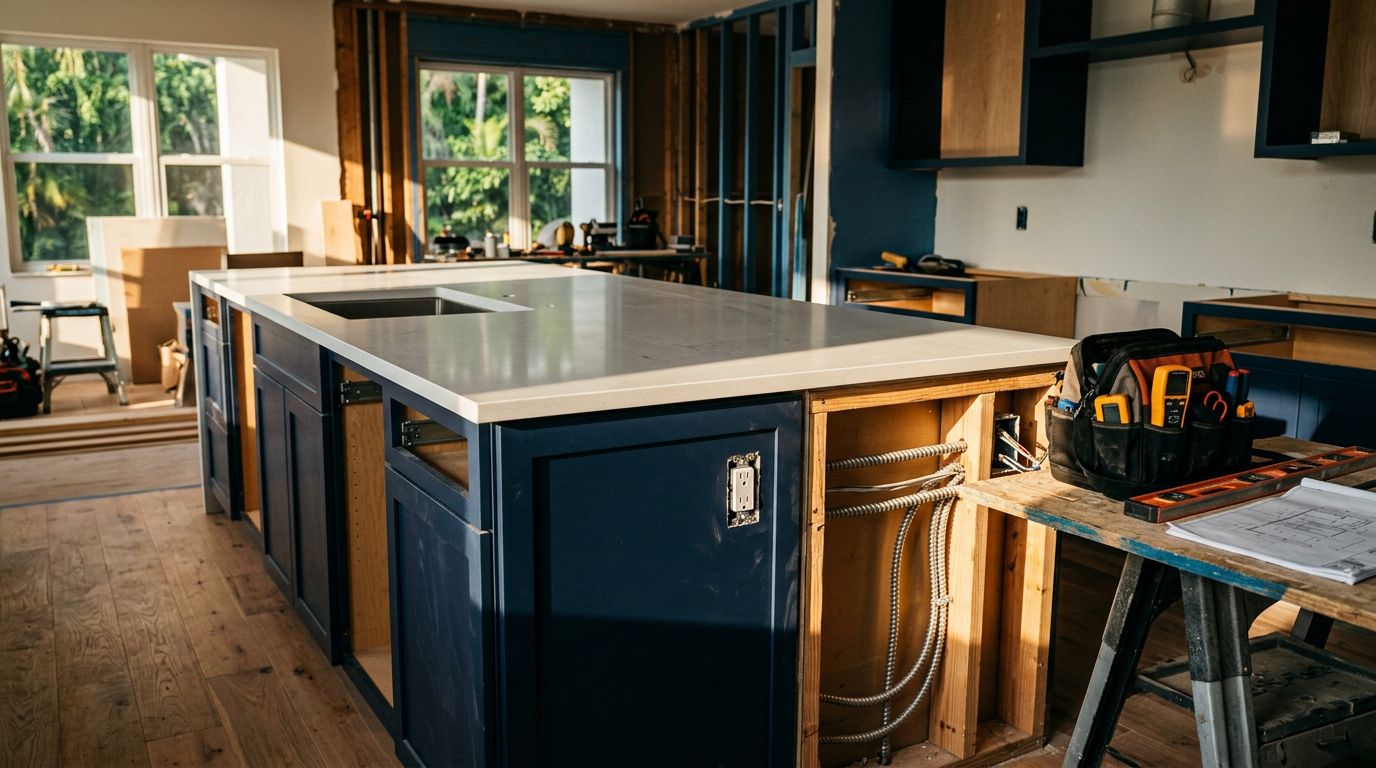
Kitchen and bath projects often disturb more painted surfaces than homeowners expect. A simple drawing may show new cabinets and fixtures, while the actual work requires several trades to open walls, remove trim, and patch old finishes.
Cabinet removal and wall changes can spread dust
Removing cabinets may scrape painted drywall, plaster, or backing boards. Relocating an outlet can require an electrician to cut into an older wall. New plumbing lines, recessed lighting, and wider door openings can add more disturbance.
Tell every contractor bidding the project about the home's build date and any testing results. A lower estimate may leave out containment, cleanup, or the time needed for lead-safe work practices.
Window replacement and demolition are different
Under the federal Renovation, Repair and Painting rule, window replacement and demolition of painted surfaces are covered activities in pre-1978 housing, regardless of the usual square-foot thresholds. A small window project should not be treated as a minor cosmetic repair.
Full kitchen demolition, bathroom gutting, and room additions also call for early planning. The first day of demolition is too late to decide how the team will control dust.
Florida Rules and Contractor Credentials to Confirm
Florida does not operate a separate state Renovation, Repair and Painting program. For paid renovation work in pre-1978 homes, the federal EPA rule is the baseline.
When the EPA RRP rule applies
The EPA's RRP rule generally covers paid remodeling, repair, and painting work that disturbs more than 6 square feet of interior painted surface per room or more than 20 square feet outside. Demolition and window replacement are covered regardless of those thresholds.
Covered projects require an EPA Lead-Safe Certified Firm and a certified renovator assigned to the job. The contractor must use lead-safe work practices, provide the EPA's "Renovate Right" pamphlet before work begins, and keep required records.
A homeowner working on an owner-occupied home may fall under a limited exemption. That exception does not extend to rental property, child care operations, or a house being renovated for resale. Even when the rule does not apply, avoiding lead dust remains the responsible choice.
Questions to ask before you sign
Ask these questions during the estimate meeting, then get the answers in writing:
- Is your company currently EPA Lead-Safe Certified for this pre-1978 remodeling work?
- Who will act as the certified renovator, and will that person be available during the project?
- Which painted components will the crew disturb during demolition, installation, and finish work?
- Does the price include containment, dust control, debris handling, cleanup, and cleaning verification?
- Have tested surfaces received a valid lead-free determination, or should a qualified inspector review them first?
- What city, county, permit, debris-disposal, or jobsite dust-control rules apply to this address?
Certification rules and local requirements can change. Confirm current expectations with the EPA, the Florida Department of Health, your local building department, and a qualified lead professional before work begins.
Containment and Cleanup Protect the Rest of the Home
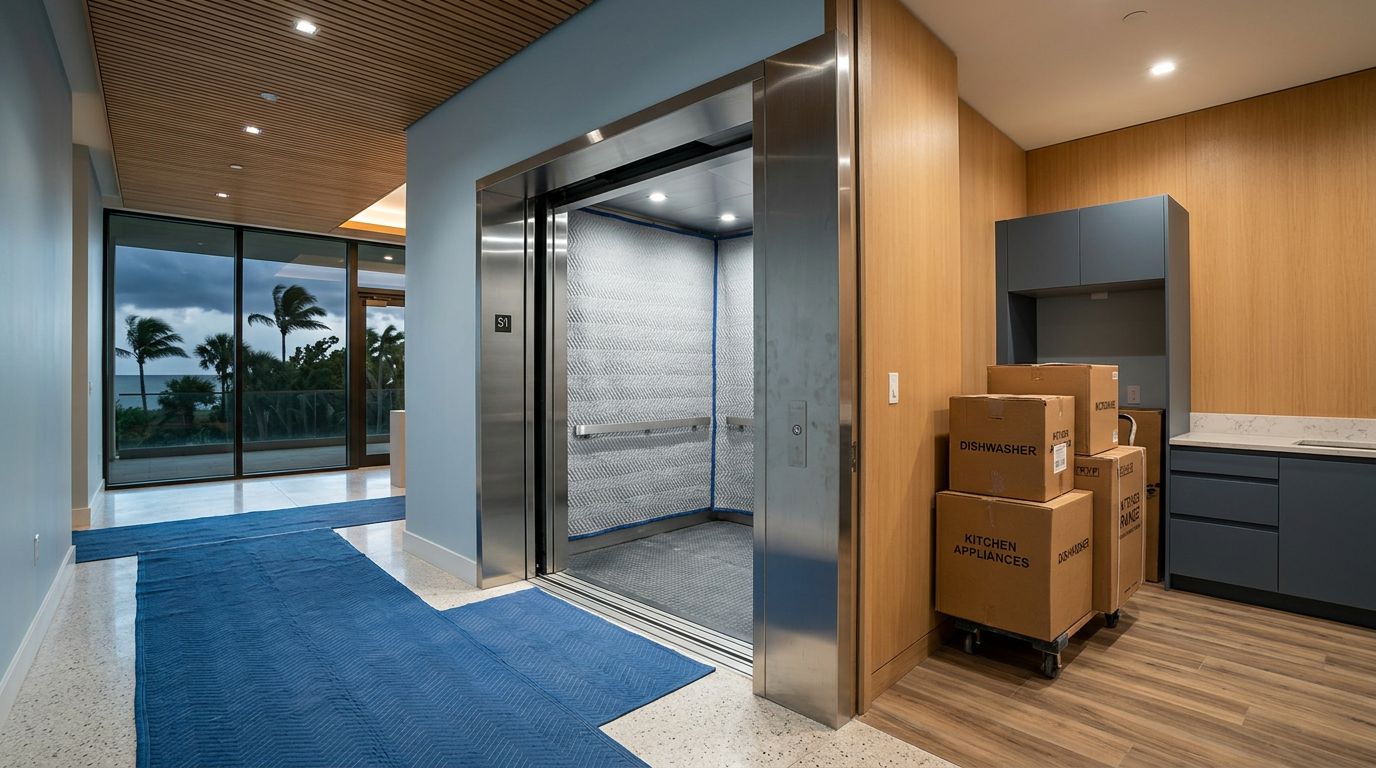
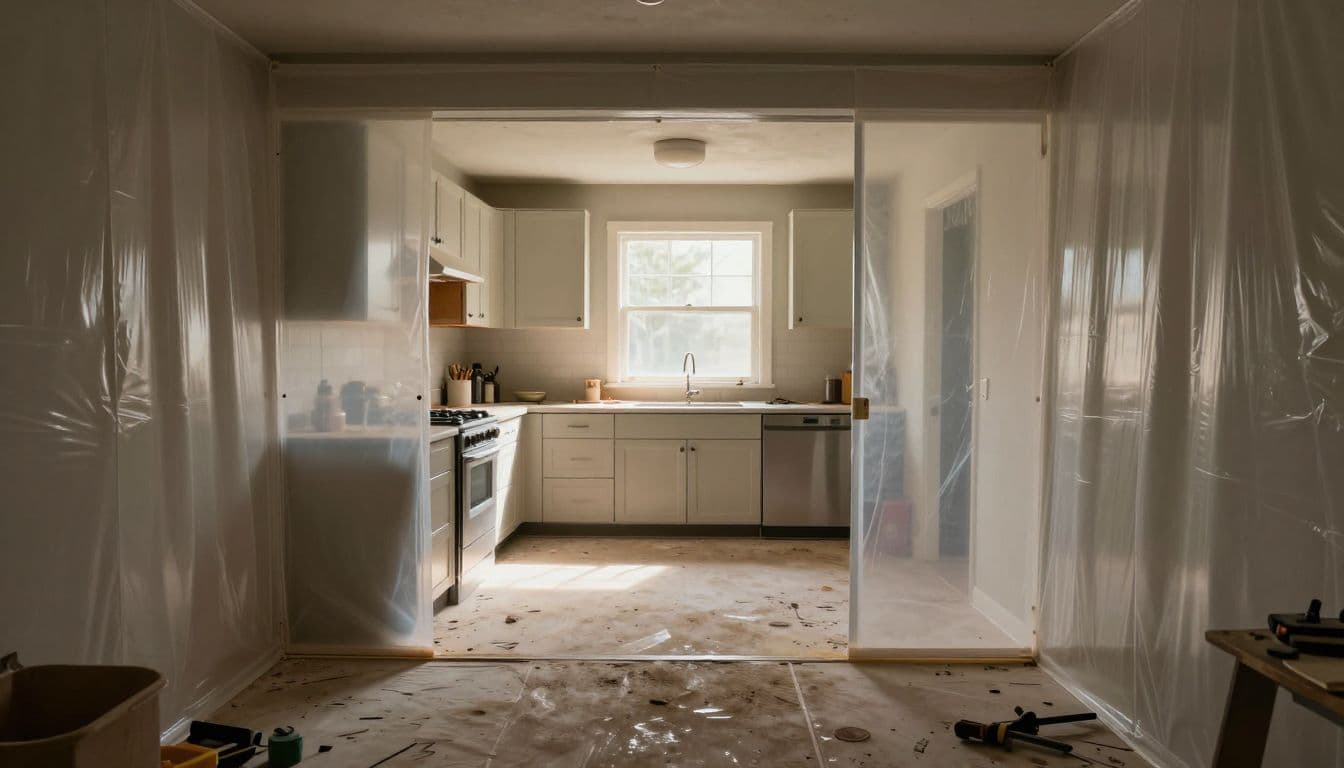
Lead-safe remodeling is built around containing dust before it moves through the house. Good containment also helps protect new finishes, nearby furnishings, and areas where the family still needs to live.
Dust control starts before demolition
The contractor's work plan should identify the work zone, protected pathways, containment barriers, debris handling, and cleanup procedures. EPA lead-safe practices include posting warning signs, containing the area, cleaning dust and debris, and completing cleaning verification after covered work.
A room can look clean while fine dust remains on nearby surfaces. Ask how the crew will verify cleanup, and whether independent dust-clearance testing makes sense for your project.
Containment is not an optional extra that gets added after a dusty day. It belongs in the scope before demolition begins.
Keep children and pregnant people away from work areas
Children are more vulnerable to lead exposure, and pregnant people should avoid lead dust as well. Keep both away from the contained area and any travel routes used to remove debris.
For a large kitchen remodel or full bath renovation, temporary housing may be the best option while demolition and dusty work take place. If the household stays home, agree on access routes, work hours, and closed-off areas before the crew arrives. Don't enter the work zone to retrieve belongings or inspect progress until the contractor says it is safe.
Use This Decision Checklist Before Demolition
A few early decisions can prevent the most common lead-related surprises. Review this list before finalizing your construction start date.
Confirm the facts and set household expectations
- Verify the home's construction year through property records, permits, or closing documents.
- Share the full remodeling scope, including windows, cabinetry, flooring, electrical changes, and plumbing work.
- Arrange lead paint testing with a qualified professional if painted surfaces may be disturbed.
- Confirm the contractor's EPA certification and identify the certified renovator for covered work.
- Plan where children, pregnant people, and pets will stay during dusty phases of the project.
- Keep inspection reports, contractor disclosures, and cleanup documentation with your project file.
Avoid shortcuts that create expensive problems
The most common mistake is scheduling testing after demolition starts. Once painted material has been disturbed, dust may already have traveled into rooms outside the work area.
Another mistake is comparing bids by price alone. One contractor may include containment and post-work cleanup while another assumes ordinary demolition methods. Compare written scopes line by line.
Homeowners also sometimes assume a general contractor's state license covers federal lead requirements. Those are separate issues. Ask directly about EPA lead-safe certification rather than relying on a broad license description.
Put Lead Safety in the Scope, Budget, and Schedule
Testing and lead-safe work can affect the sequence of demolition, window orders, occupancy plans, and final cost. Put those items into the project conversation before selecting cabinets, tile, or fixtures.
Use a Southwest Florida preconstruction meeting checklist to organize the questions that need answers before work begins. Your written scope should state who arranges testing, how the crew handles hazardous dust, what cleanup includes, and what happens if the team finds additional painted surfaces.
The agreement should also match the scope you approved. Review the details in this Southwest Florida remodeling contract guide before committing to a major kitchen, bath, addition, or whole-home project.
For an onsite discussion of your remodeling plans and the conditions inside an older home, Get a Free Estimate.
A Safer Start for an Older Florida Home
Lead paint concerns do not have to derail a thoughtful remodel. They need to be addressed before sanding, scraping, demolition, or window replacement begins.
Lead paint testing gives your contractor a clear starting point. Combined with qualified oversight, strong containment, careful cleanup, and a household plan, it helps protect the people who will enjoy the finished home.