Condo Elevator Reservations for a Southwest Florida Remodel
A kitchen delivery that arrives without a freight elevator window can stop a remodel before the first cabinet reaches your unit. Condo elevator reservations are often the schedule anchor for kitchen, bath, and whole-unit renovations in Southwest Florida.
Your contractor may have a solid construction plan, yet the building controls access, delivery hours, protection rules, and worker check-in. Put those details in writing early, especially during August heat, afternoon storms, and hurricane season.
Why Condo Elevator Reservations Control Your Remodel
A condo elevator is a shared building resource, not an extension of your jobsite. Residents may need it for moves, medical appointments, housekeeping, and daily errands. Management may also limit work to weekday hours and restrict large deliveries during busy occupancy periods.
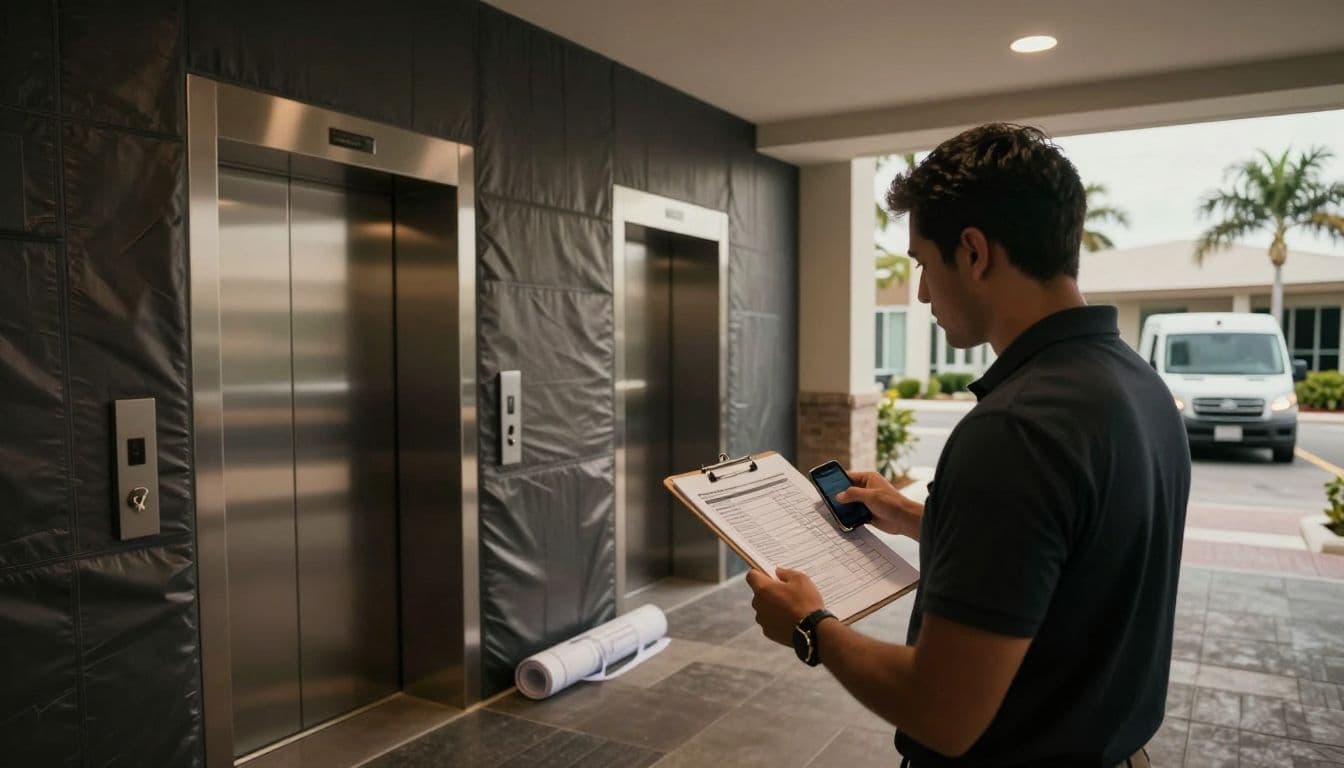
For condo elevator reservations, ask for more than a single date. Get the approved loading time, elevator time, protection requirements, loading-dock instructions, and the contact person who can release the elevator on arrival.
Treat the elevator as part of the construction schedule
Cabinets, tile, appliances, drywall, shower glass, and demolition debris all compete for the same route. A missed reservation can mean carrying materials farther, rescheduling installers, or paying a carrier to wait.
A confirmed elevator slot should come before a supplier releases a large delivery, not after the truck is already on the road.
Ask your property manager for these details before ordering materials:
- The available service-elevator windows, including any blackout dates or holiday restrictions.
- Loading-dock entry instructions, vehicle limits, and parking rules for delivery trucks.
- The maximum elevator dimensions, weight limit, and any restrictions on long cartons or stone slabs.
- Requirements for elevator pads, floor coverings, wall protection, and corridor cleanup.
- The process for reporting damage and releasing a refundable elevator or construction deposit.
Map the full path, not only the elevator
Measure the route from the loading area to the unit. Check turns at service corridors, door widths, elevator cab depth, and the unit entry. A 10-foot cabinet box or oversized appliance may fit through one opening but fail at the next corner.
Your supplier and freight carrier need that route information before dispatch. If a product cannot travel safely through the building, arrange a different delivery method before it becomes a same-day problem.
Build the Access Timeline Before Demolition Starts
Start access planning as soon as the design and rough scope take shape. Kitchen and bath materials often have different lead times, so the delivery calendar must stay flexible without losing the building's available slots.
Use a Southwest Florida preconstruction checklist to bring the renovation packet, floor plan, finish selections, and contractor questions into one meeting.
Work backward from the first major delivery
This timeline gives owners a practical starting point. Your building may require more notice, and a larger remodel may need more lead time.
| Timing | Planning action | Written confirmation to get |
|---|---|---|
| 8 to 10 weeks before work | Request the condo renovation packet and review elevator, parking, insurance, and work-hour rules. | Approval process, current fee schedule, and elevator calendar. |
| 6 to 8 weeks before work | Give the manager the contractor's preliminary schedule and request tentative access windows. | Freight elevator and loading-area hold dates. |
| 3 to 4 weeks before work | Submit insurance certificates, contractor information, permits if required, and deposit payments. | Written clearance for crew access and material deliveries. |
| 1 to 2 weeks before work | Confirm cabinet, appliance, tile, and debris-haul dates with suppliers and carriers. | Delivery appointment numbers and driver instructions. |
| 48 hours before each delivery | Reconfirm with management, the carrier, and the site supervisor. | Active elevator reservation, dock access, and onsite contact. |
Give one person authority to confirm changes
A contractor's project manager should handle construction timing. However, the owner should also know who can approve a shifted delivery or revised elevator block. Put condo elevator reservations on every schedule update, including changes caused by backorders or inspection delays.
Before placing cabinet or appliance orders, Get a Free Estimate and discuss access limits that may affect labor, delivery, protection, and storage costs.
Get Board Approval, Insurance, and Fees in Writing
Condo associations often require approval before demolition, plumbing changes, flooring removal, or work near common walls. Some buildings also review finish selections, flooring sound ratings, waterproofing plans, and plumbing-stack work.
Requirements vary by building, municipality, and project scope. Use this guidance for planning purposes, then confirm the exact rules with your property manager, association documents, contractor, and local building department.
Read the renovation packet before finalizing the scope
Ask for the current renovation application, house rules, work-hour policy, and service-elevator procedures. Older copies may not reflect new deposit amounts, storm protocols, or post-construction inspection requirements.
The packet should identify who approves the work, how long review usually takes, and whether the association requires architectural or board approval before permit submission. It should also explain whether the unit owner, contractor, or management company reserves the elevator.
Submit a complete contractor access file
Most associations ask for a certificate of insurance, contractor license information, workers' compensation documentation, and a signed acknowledgment of building rules. They may also require the association and property manager to appear as additional insureds.
In Lee County, contractor registration requires certificates for general liability and workers' compensation, and the insured name must match the licensed company name. County compliance does not replace a condo association's separate insurance rules.
Ask whether the building charges:
- A refundable common-area or elevator damage deposit.
- A nonrefundable application, administrative, or move-management fee.
- A cleaning charge for debris, dust, or protection removal.
- Extra fees for after-hours access, security staff, or extended elevator use.
Plan Each Delivery and Protect Common Areas
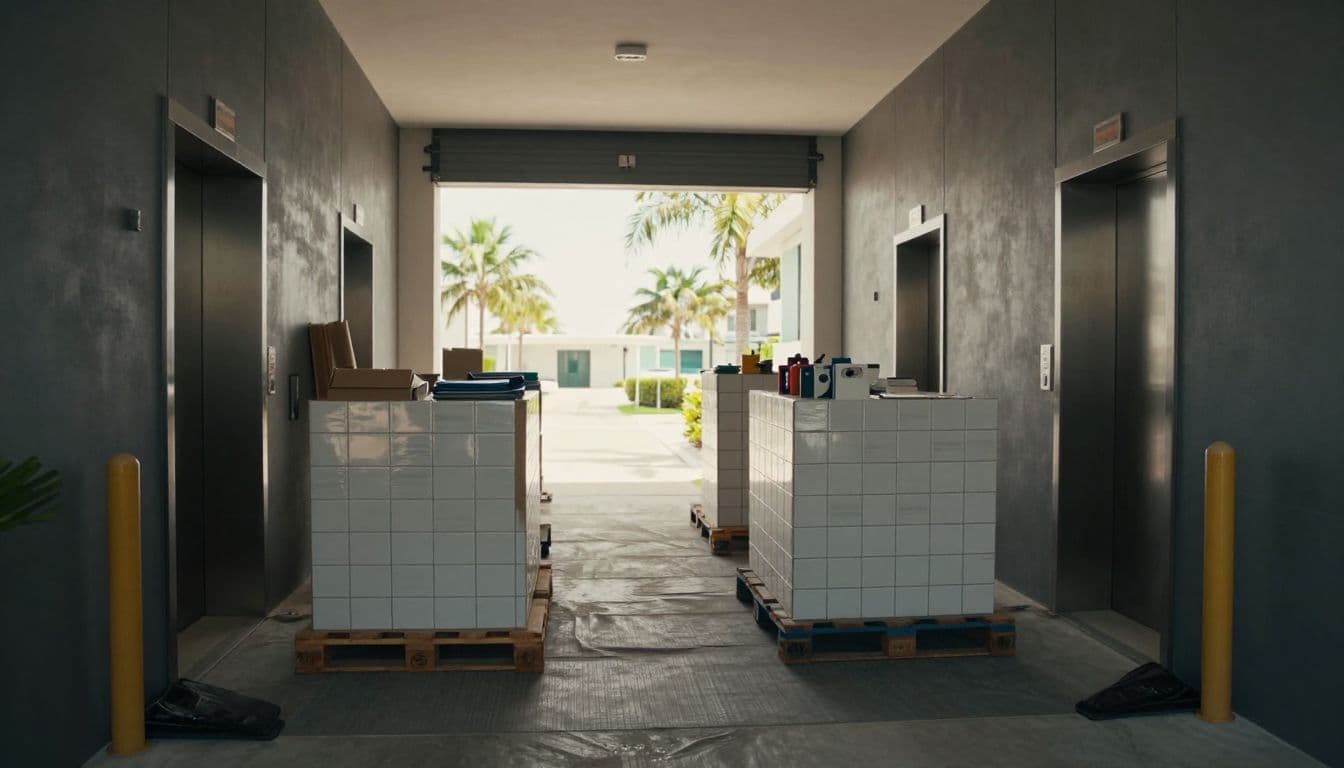
Material deliveries work best when they arrive in the order the crew can install them. Delivering cabinets months before installation may create storage costs and expose finished items to damage. Delivering them late can leave installers without work.
Coordinate the supplier, freight carrier, building manager, and site supervisor around one confirmed schedule. The delivery appointment should include the truck arrival range, driver phone number, package count, and expected unloading time.
Schedule materials in logical phases
Start with demolition protection, rough plumbing and electrical materials, then drywall, tile, cabinets, countertops, fixtures, and appliances. A custom shower-glass delivery should follow tile completion and final measurements. Countertops also require their own template, fabrication, and installation sequence.
For a major kitchen remodel, ask suppliers to hold large items until the unit is ready. Many buildings won't allow hallway staging, and a freight elevator may only be available for a short block.
Protect the building before unloading begins
The association may provide elevator pads, but don't assume it also supplies floor protection or corner guards. Confirm what the contractor must furnish and who installs it.
A delivery-day protection plan should include:
- Floor coverings from the loading area through the unit entry.
- Wall, door-frame, and elevator-cab protection where carts will pass.
- A clean staging zone inside the unit, away from exits and fire equipment.
- Photos of common areas before and after the delivery.
- A plan for carton removal, debris hauling, and daily corridor cleanup.
Coordinate Crew Access, Debris, and Daily Communication
Workers need a reliable way into the property without disrupting residents or overloading the front desk. Some buildings require daily sign-in, identification badges, parking permits, or a manager's approval before a subcontractor can enter.
Give management a current crew list and tell them which trades will arrive each week. Electricians, plumbers, tile installers, cabinet crews, countertop fabricators, and appliance teams may all have separate access needs.
Set the rules for daily arrivals
The contractor should tell each trade the approved entry route, work hours, elevator procedure, restroom policy, parking location, and noise restrictions. That guidance prevents a subcontractor from using a resident elevator or leaving materials in a hallway.
A quick daily update also helps management plan around noisy work, elevator blocks, and debris removal. It gives the owner a chance to catch conflicts before a delivery truck or large crew is already at the gate.
Plan demolition and debris before work starts
Demolition produces more than dust. Old cabinets, flooring, drywall, plumbing fixtures, and packaging need a legal, building-approved exit path. Many associations prohibit debris through resident lobbies or limit when dumpsters and hauling trucks can enter.
Your contract should state who supplies debris containers, who protects common areas, and who pays for damage if a trade ignores building rules. When comparing proposals, use this guide to review remodeling estimates line by line, including protection, haul-off, permits, and cleanup.
Plan for Permits, Heat, Storms, and Delays
Building approval and municipal permits are separate issues. An association can approve work that still needs a county or city permit. Conversely, a permit does not authorize a contractor to bypass condo rules.
Lee County states that permits are required for renovations, remodels, additions, and storm-related repairs. Projects in Collier and Charlotte counties should be confirmed with the correct local building department, because rules can differ by location and type of work.
Leave room for weather and inspection changes
August heat and humidity can affect work hours, drying time, deliveries, and worker comfort. Afternoon thunderstorms can also delay unloading, especially when materials must cross an exposed loading area.
Hurricane-related disruptions may affect roads, freight schedules, building staffing, permits, inspections, and elevator availability. If your building has storm shutters, evacuation procedures, or hurricane-prep requirements, ask how they affect an active remodel.
Put the contingency plan in the contract
A clear agreement should explain weather-delay days, material storage, backorders, revised completion dates, and who communicates changes to the association. It should also address what happens if management suspends work during a storm watch or building emergency.
Review the schedule language alongside the rest of the agreement with this Southwest Florida remodeling contract guide. A written plan protects the project when conditions outside the unit change quickly.
Final Thoughts
A successful condo remodel depends on more than beautiful cabinets or tile. It depends on confirmed access, protected common areas, complete paperwork, and a delivery schedule that respects the building.
Start your elevator planning before materials are ordered, then keep management, contractors, suppliers, and carriers working from the same written calendar. That preparation keeps a Southwest Florida remodel moving when heat, traffic, storms, or building rules put pressure on the schedule.