Induction vs Gas Ranges for Florida Kitchens
Florida kitchens work harder than most. Between long cooling seasons, humid afternoons, and open layouts that spill into living spaces, the wrong range can make a remodel feel warmer, louder, and harder to live with.
If you're comparing induction vs gas ranges for a kitchen upgrade, the real question is how each one fits your house, your cooking habits, and hurricane-season planning. A range is not just a cooking tool here, it's part of the room's comfort level.
The best choice depends on what you value most, cooler air, a flame, lower upfront cost, or a backup plan when the power goes out. That tradeoff changes a lot once Florida heat enters the picture.
Key Takeaways
- Induction keeps more heat out of the kitchen, which matters in Florida.
- Gas still appeals to cooks who want a flame and familiar control.
- Ventilation, humidity, and outage planning matter as much as the cooktop itself.
- The right choice often depends on wiring, gas lines, budget, and how you actually cook.
- A full kitchen remodel is the right time to plan the range, hood, and layout together.
Why Florida Homes Change the Choice
In a Florida kitchen, every burner changes the feel of the room. Gas adds more heat to the space, so the kitchen can feel stuffier after a long dinner session. Induction sends less stray heat into the room, which helps when the AC is already working hard.
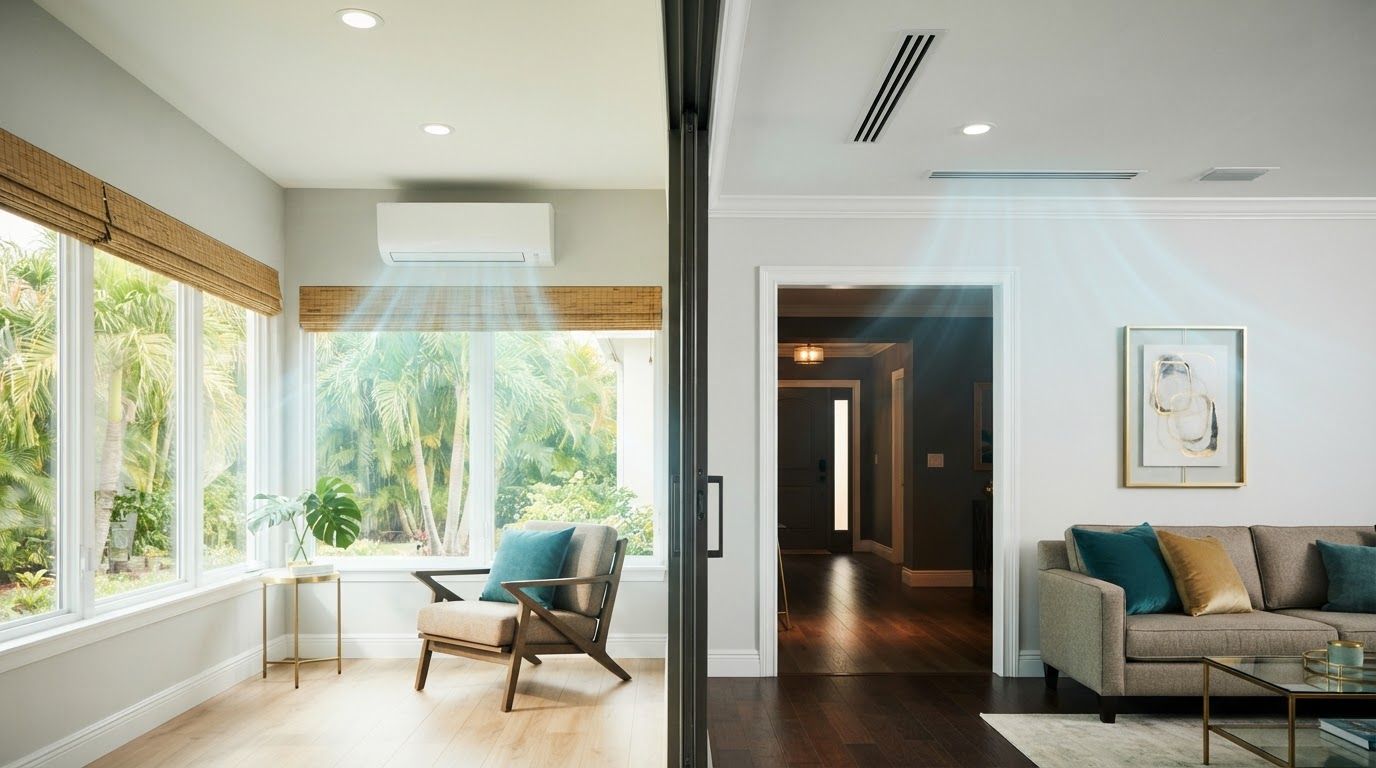
That matters even more in open layouts. Many homes here connect the kitchen to a great room, dining area, or lanai, so heat and odors spread farther than they do in a closed plan. If you cook often, that difference shows up fast.
Ventilation matters too. A good hood helps either way, but gas usually needs it more because it creates combustion byproducts along with steam and grease. In coastal parts of Southwest Florida, that extra cleanup can matter when humidity, salt air, and cooking residue all settle on cabinets and finishes.
Most modern gas ranges still need electricity for ignition and controls, so outage planning is a separate issue from having a gas hookup.
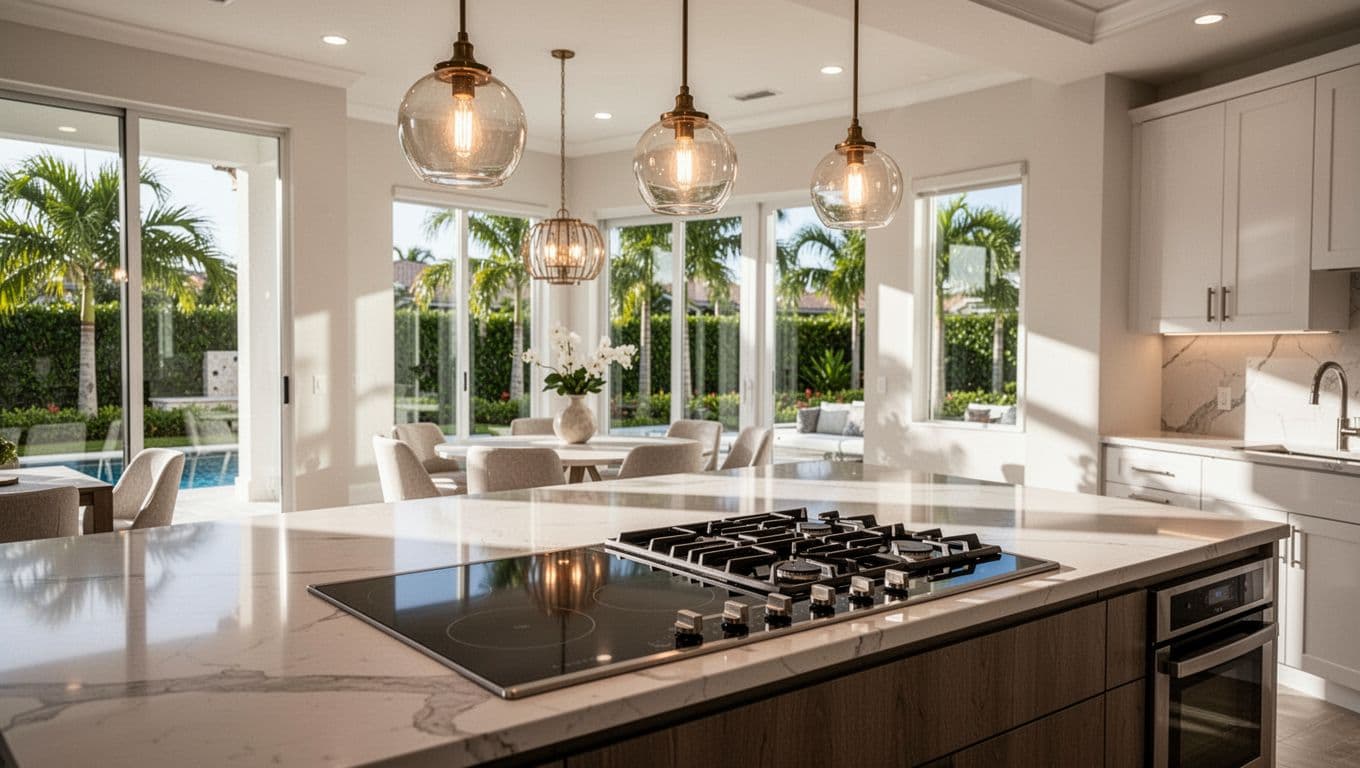
Induction and Gas Side by Side
Here is the quick side-by-side view that most Florida homeowners want first.
| Factor | Induction cooktops | Gas ranges |
|---|---|---|
| Heat in the kitchen | Very little room heat | More heat escapes into the room |
| Speed and control | Fast response and precise changes | Fast response with visible flame |
| Cleanup | Smooth surface wipes down easily | Grates, burners, and knobs take more work |
| Cookware | Needs magnetic cookware | Works with most cookware |
| Ventilation | Still useful, but often less demanding | Strong hood recommended |
| Outage planning | Needs electricity | May still need electricity for ignition |
| Upfront cost | Often higher appliance and wiring cost | Often lower appliance price, though line or vent work can add cost |
The biggest split is comfort versus familiarity. Induction is usually easier on the room, while gas can feel more natural for cooks who already like flame and have the right setup.
How Each Range Feels in Daily Use
Induction Cooktops in Florida Kitchens
Induction feels quick. Water boils fast, temperature changes happen immediately, and the glass surface stays cooler than a gas top. That is a big deal when the kitchen already feels warm at 6 p.m. and the kids are walking through for snacks.
Cleanup is one of its best features. Sauce splatters and oil drips usually wipe off after the surface cools. That matters in a busy Florida kitchen where seafood, pasta, and weeknight skillet meals can leave a mess in a hurry.
The tradeoff is cookware. Induction needs magnetic pots and pans, so older aluminum or copper pieces may not work. If your current set is mixed, you may need to replace a few favorites.
Induction also fits open kitchens well. Less heat drifting into the room means the space stays more comfortable during long prep sessions, especially when the island becomes the center of the house.
Gas Ranges in Florida Kitchens
Gas still wins with many home cooks because the flame feels direct and familiar. It works well for searing, simmering, and meals that benefit from quick visual control.
The downside shows up more clearly in Florida. Gas adds heat to the room, so the kitchen can feel warmer after a long cook. That can be a real issue in summer, especially if the range sits near a window wall or open family room.
Ventilation also matters more with gas. A strong hood helps clear steam, grease, and cooking odors before they spread through the house. If you cook often with fish, garlic, or frying oil, that hood earns its keep.
There is also a cleanup gap. Burner grates, knobs, and drip areas need more attention than a flat induction surface. If you want the easiest day-to-day wipe-down, gas usually takes second place.
A Simple Decision Framework for Florida Homeowners
The fastest way to narrow the choice is to start with your top priority, then see which range matches it.
| Your top priority | Better fit | Why |
|---|---|---|
| Faster cooking and a cooler room | Induction | It heats pans quickly and sends less heat into the kitchen |
| Lower energy waste in the kitchen | Induction | More of the energy goes into the pan, not the air |
| Familiar flame cooking | Gas | The visible flame feels natural for many cooks |
| Backup cooking during storms | Depends | Gas helps only if the system, ignition, and ventilation still work, or if you have a generator |
| Lower entry price | Gas | Appliance cost is often lower, though the project can change if vent or gas work is needed |
| Easiest cleanup | Induction | The smooth top wipes down faster |
For everyday Florida life, think about how you cook on weekdays. If your kitchen handles quick dinners, boiled pasta, and after-school snacks, induction usually fits the rhythm well. If you stir-fry often, cook with a wok, or simply prefer a flame, gas still has a strong case.
The outage question deserves its own decision. If hurricane season is part of your planning, do not assume a gas range solves the problem by itself. A generator-backed plan gives you more real backup than a gas label alone.
Budget, Layout, and Remodel Timing
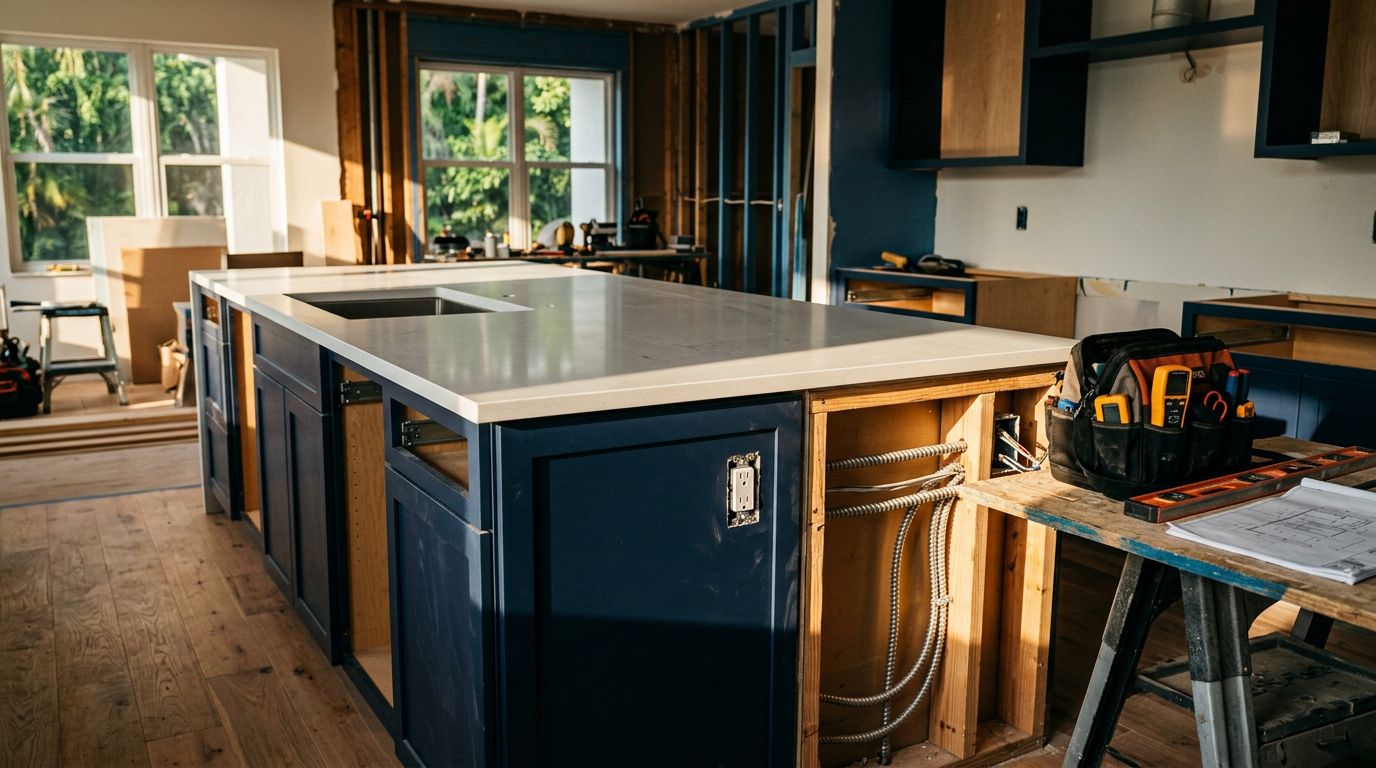
The appliance choice affects more than the range itself. Induction may need a new 240-volt circuit, while gas may need line changes, a better hood, or both. If you are already opening walls or reworking an island, a custom kitchen design and build plan helps the appliance, cabinets, hood, and storage work together.
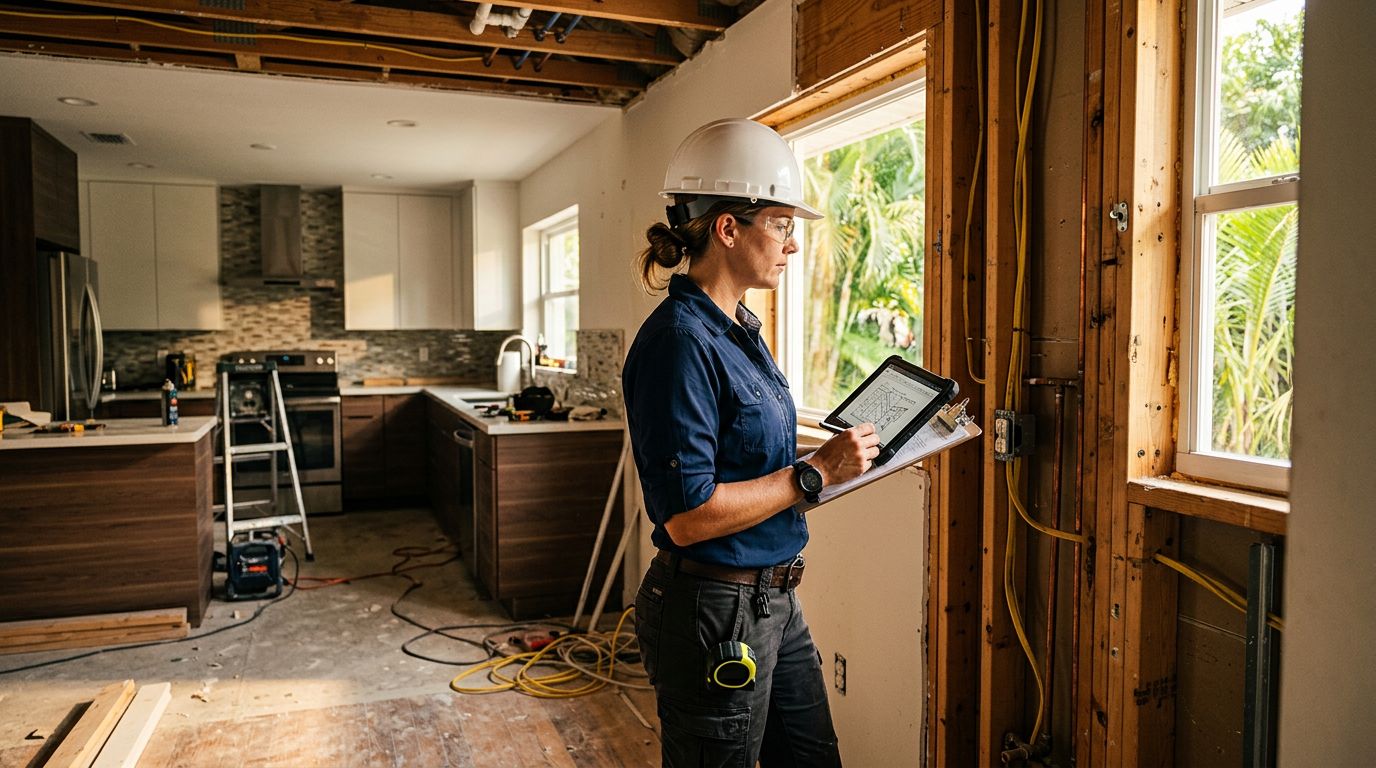
Timing matters too. Appliance lead times, electrical work, and hood installation can all change the schedule. If you want the sequence to stay organized, planning your kitchen remodel timeframe helps keep the project moving from demolition to final install.
Cost is best looked at as a package. The appliance price, the vent, the wiring or gas line, and any cookware replacement all belong in the same budget. If you want a local number for your home, budgeting for your kitchen project is a good place to start. When you're ready to compare options on site, Get a Free Estimate gives you a clearer project range before you decide.
The Right Fit for Your Kitchen
For many Florida homes, induction is the cleaner fit. It keeps the kitchen cooler, cleans faster, and works well in open layouts where every degree of heat matters.
Gas still makes sense when flame cooking, existing infrastructure, or personal comfort outweigh those gains. If outage cooking matters, build for it directly with a generator or another backup plan.
The best choice is the one that fits how you actually cook in July, not just how the range looks on install day. In Florida, that practical choice usually feels better every single evening.