Florida Construction Loans for a Custom Home
A custom home budget can look complete on paper, yet financing often becomes more complicated once land, plans, permits, and construction draws enter the picture. Florida construction loans can bring those stages into one financing plan when a lender approves both the building phase and the permanent mortgage.
For Florida homeowners, the main advantage of a construction-to-permanent loan is continuity. You may close once, make construction-phase payments while the home is being built, then move into regular mortgage payments after completion. The details depend on your qualifications, project, builder, appraisal, budget, and lender guidelines.
What construction-to-permanent financing covers
A construction-to-permanent, or CTP, mortgage combines temporary construction financing with long-term home financing. The loan can sometimes include the land purchase, site work, construction costs, and permanent mortgage, depending on the lender's program and your equity position.
During construction, the lender releases money in approved draws instead of providing the entire balance at once. You generally pay interest on the funds released for the project. Once the home reaches the lender's required completion stage, the loan converts to principal-and-interest payments under the permanent mortgage terms.
How a single-close loan works
A single-close loan uses one closing for both phases. That can reduce the need for a second mortgage application and may avoid duplicate title, recording, and closing charges. However, it doesn't eliminate every cost. Appraisals, inspections, draw administration, title work, permits, and insurance can still apply.
The permanent loan terms are usually selected during the original approval. Ask the lender how the conversion works, what conditions trigger it, and whether any additional documentation or re-inspection is required.
When another financing structure may fit
A construction-to-permanent mortgage is designed for a new custom home. A kitchen remodel, bathroom renovation, room addition, or major renovation may use a different loan product because the property already exists.
Some homeowners also buy land separately and finance construction later. That choice can affect your cash position, available equity, monthly payments, and loan approval. Ask how an existing land loan will be treated before signing a purchase contract.
How Florida construction loans move through the building timeline
The lender's process follows the construction schedule. Good coordination among you, the builder, the designer, local officials, and the lender helps prevent avoidable delays.
1. Land, design, and project planning
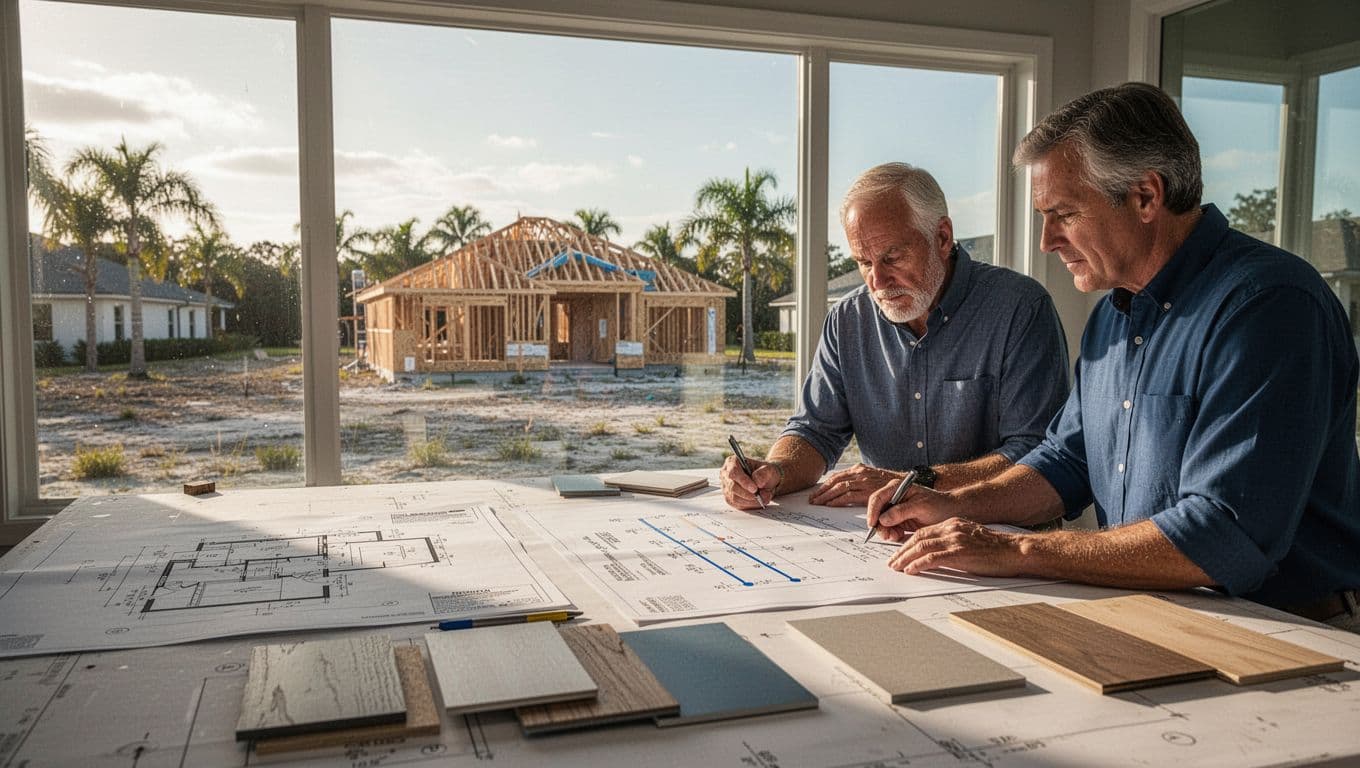
Start with the lot and the home's design. The lender may need a purchase contract, survey, site information, architectural plans, specifications, engineering documents, and a detailed construction budget.
If you already own the property, its value may count toward your equity in some loan programs. If you're buying land with the construction loan, the lender may include the purchase price in the total project financing.
Before applying, confirm that the lot supports the planned home. Flood-zone status, access, utilities, drainage, soil conditions, easements, and local building requirements can affect the budget.
2. Approval, closing, and the first draw
Once the lender reviews your finances and project, the appraisal typically estimates the home's value after completion. The lender also reviews the builder contract and checks whether the builder meets its approval standards.
After closing, the lender holds or controls the construction funds according to the loan agreement. Your builder submits draw requests as work reaches approved milestones. An inspection may occur before each release, and the lender may request invoices, progress reports, or lien waivers.
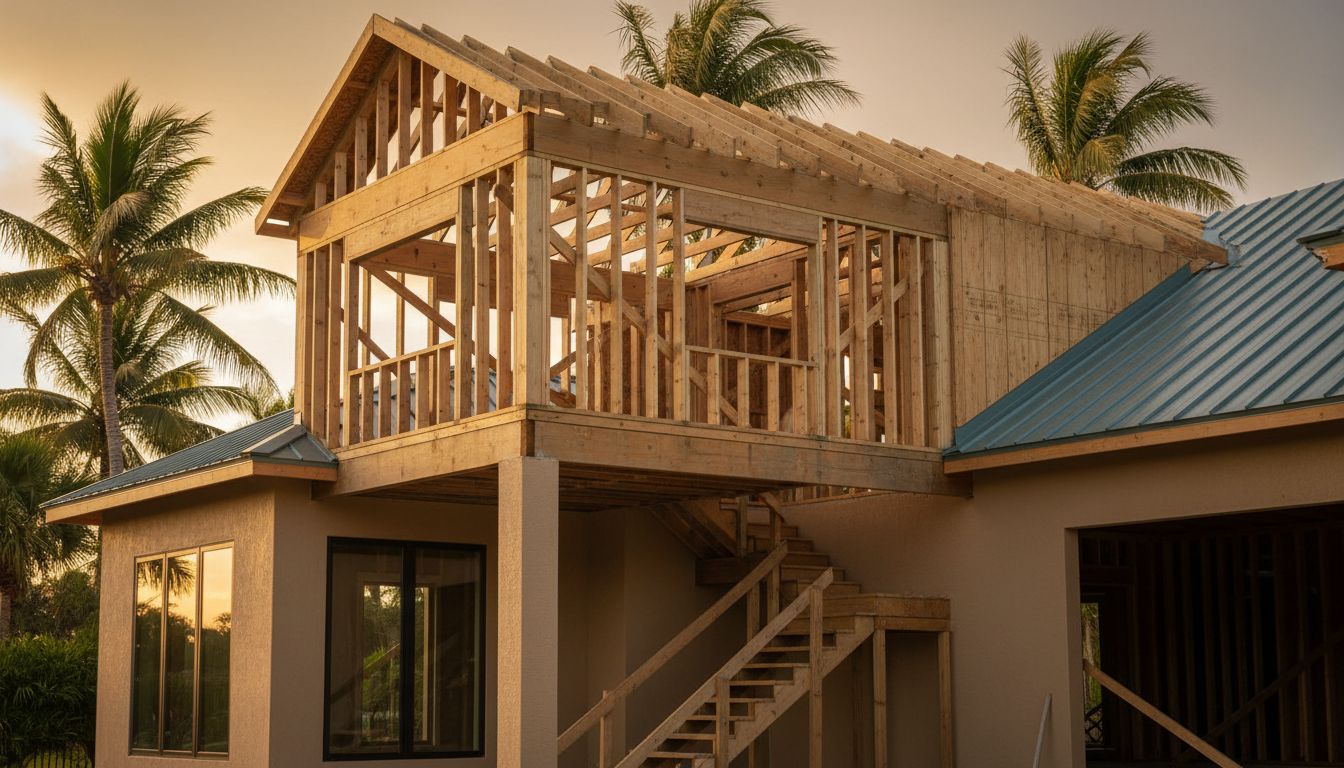
3. Construction and draw management
Custom-home construction often takes about six to twelve months, although some projects require twelve to eighteen months. The approved schedule matters because the loan has a construction period and may include deadlines for completion.
Interest-only payments often apply during this phase. Because interest is generally based on money already disbursed, early payments may be lower than payments after the full balance has been used. Your loan documents control the exact calculation.
Change orders need careful attention. A larger allowance, upgraded finish, site issue, or material change can raise the final cost. Ask the lender whether changes require written approval and how you must fund costs that exceed the approved budget.
4. Final inspection and mortgage conversion
Near completion, the lender may require a final inspection, updated appraisal, certificate of occupancy, final permits, proof of insurance, and lien releases. The home must generally match the approved plans closely enough to satisfy the loan agreement.
After the lender confirms its conditions, the construction phase ends and the permanent mortgage begins. The payment then includes principal and interest, along with escrowed taxes and insurance when applicable.
What lenders review before approving a custom build
Approval is based on more than your credit score. The lender underwrites your ability to repay the permanent mortgage and evaluates whether the proposed project is realistic, documented, and within its guidelines.
Your income, credit, assets, and reserves
Expect the lender to review income, employment, credit history, debts, bank accounts, tax returns when required, and the source of your down payment. Self-employed borrowers may need additional business and personal records.
Cash reserves also matter. You may need funds for closing costs, insurance, prepaid taxes, design changes, temporary housing, and unexpected site expenses. The required amount varies by lender and borrower profile, so don't assume land equity alone covers every cash requirement.
Your builder, plans, and contract
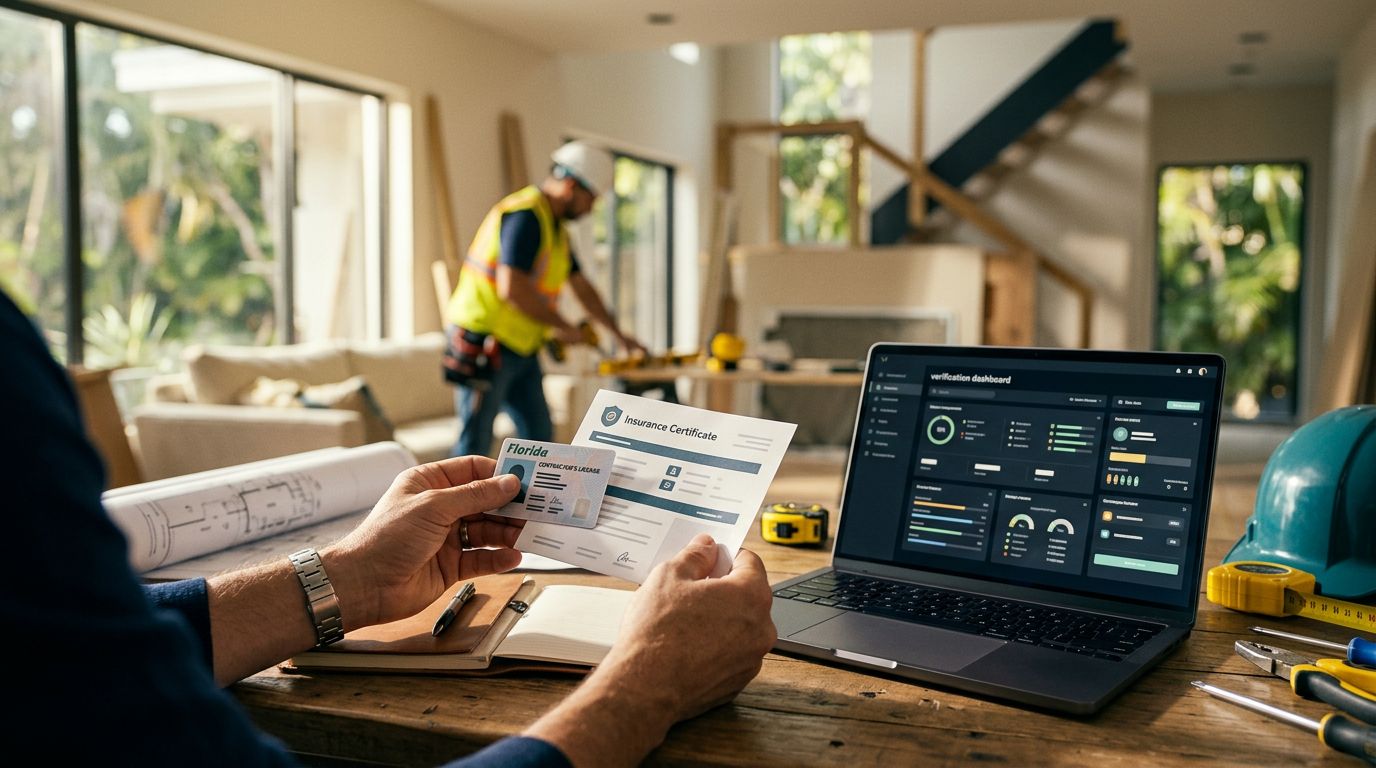
The lender commonly requires a licensed or approved general contractor with a documented history of completing similar work. It may review licensing, insurance, references, financial information, and the builder's contract.
A complete plan set gives the lender a clearer basis for estimating cost and value. Specifications should identify major materials, finishes, appliances, fixtures, and structural features. Vague allowances can create uncertainty, especially when your home includes high-end kitchens, custom baths, impact-rated windows, or complex coastal site work.
The completed value
The appraisal usually considers the projected value of the finished home rather than the lot alone. The appraiser reviews the plans, specifications, lot, location, and comparable properties.
That value affects the lender's maximum loan amount. If the construction budget rises above the home's supported value, you may need to reduce the scope or provide additional funds. A strong design can still face financing limits if the appraisal doesn't support the total cost.
Budget details and Florida-specific requirements
A lender needs more than a rough estimate. Your construction budget should account for the full project, including costs that homeowners sometimes overlook.
Build a complete project budget
Include land, architectural and engineering services, surveys, permits, impact fees, site preparation, utility connections, foundation work, labor, materials, appliances, landscaping, and builder fees. Add a contingency reserve for conditions that aren't visible before excavation.
The contract should identify allowances and exclusions. For example, clarify who pays for well or septic work, seawall repairs, pool construction, driveway improvements, temporary utility costs, and upgrades selected after closing.
A detailed budget protects your borrowing plan. It also gives you a clearer way to decide whether a new feature belongs in the original project or should wait.
Plan for insurance, permits, and storm exposure
Florida properties may require attention to wind, hurricane, flood, and standard hazard coverage. A lender will want acceptable insurance for the construction and permanent phases. Flood insurance may be required when the property sits in a mapped flood zone, while wind coverage can vary by location and policy.
Local permits are another financing checkpoint. Construction usually can't proceed through lender-funded stages without the required approvals. Near completion, the local building department's final approval or certificate of occupancy may be necessary before conversion.
Ask your insurance agent and lender for written requirements. Coverage, deductibles, flood status, and builder's risk needs can affect both your costs and the closing schedule.
Documents to gather and questions to ask
Preparing records early can make the application easier. Your lender may request additional items based on your situation.
A practical document checklist
Gather:
- Recent pay stubs, W-2s, tax returns, and employment information.
- Bank and investment statements showing available funds and reserves.
- Identification, current housing information, and documentation for existing debts.
- The land purchase contract, deed, or current mortgage statement if you own the lot.
- Architectural plans, specifications, survey, site documents, and engineering reports.
- A signed builder contract with a payment schedule and detailed cost breakdown.
- Permit information, insurance details, and any association or local approval documents.
- Information about expected rental income, business income, gifts, or other funds used for the project.
Questions for your lender
Before choosing a loan, ask:
- Is this a single-close construction-to-permanent mortgage?
- Can the loan include land, site work, and construction costs?
- How is land equity calculated?
- What builder credentials and insurance are required?
- How many draws are expected, and who pays inspection fees?
- What documents must accompany each draw request?
- How are change orders and cost overruns handled?
- What completion deadline applies, and what happens if construction runs late?
- What triggers conversion to the permanent mortgage?
- Will the lender require a final appraisal, certificate of occupancy, or new insurance review?
- Which costs are due at closing, and which costs occur during construction?
Written answers help you compare loan offers accurately. A lower upfront estimate may not remain lower if the draw process, inspections, or extension terms differ.
Match the financing plan to the right builder
Your builder affects the lender's view of project risk. Choose a contractor who can provide complete pricing, meet draw documentation requirements, communicate about schedule changes, and coordinate permits and inspections.
A design-build team can also help align architectural decisions with the construction budget before closing. Homeowners considering personalized home design and construction can review the builder's process, experience, and service area before committing to a contract.
If you are still defining the scope, an onsite conversation can clarify whether your plans are ready for financing. You can Get a Free Estimate for a custom construction project and discuss the home's design, location, and expected work.
Conclusion
Florida construction loans can make a custom-home project easier to organize when the land, plans, builder, budget, appraisal, and permanent mortgage fit one approved plan. The loan doesn't remove construction risk, but it gives you a clear process for funding work in stages and moving into long-term payments after completion.
Start with a realistic budget, a qualified builder, complete plans, and a lender that explains every draw and conversion condition. That preparation gives your custom home the strongest financial foundation before construction begins.