Homeowner-Supplied Materials in Florida Remodels
A sale price on tile or a designer faucet can look like easy savings until it holds up an entire remodel. Homeowner-supplied materials can give you more control over finishes, but they also shift important planning duties onto you.
In a Florida kitchen or bath renovation, one delayed fixture, wet cabinet box, or unapproved exterior product can disrupt the schedule. Clear records and regular communication keep a personal purchase from becoming a costly job-site problem.
Choosing Homeowner-Supplied Materials for a Florida Remodel
Owner purchases work best when the product is decorative, easy to verify, and available well before installation. They become riskier when the product affects hidden systems, code compliance, or the order of construction.
Before shopping, review every selection with your contractor. A beautiful item still has to fit the rough opening, the plumbing layout, and the installation method.
Good choices for homeowners to purchase
Many homeowners enjoy choosing finish items because those details shape the room's personality. Tile, cabinet hardware, mirrors, decorative light fixtures, faucets, and freestanding tubs are common owner purchases.
Custom selections may also make sense when you have found a particular stone slab, handmade tile, or specialty appliance. Provide the contractor with the exact product link, model number, finish, dimensions, and installation instructions before ordering.
For a larger renovation, reviewing the scope during a Southwest Florida preconstruction meeting helps identify which choices must be made early.
Materials your contractor may need to control
Some products need to match a complete system. Shower waterproofing membranes, drain assemblies, thinset, grout, framing connectors, electrical components, and rough plumbing valves often fall into that category.
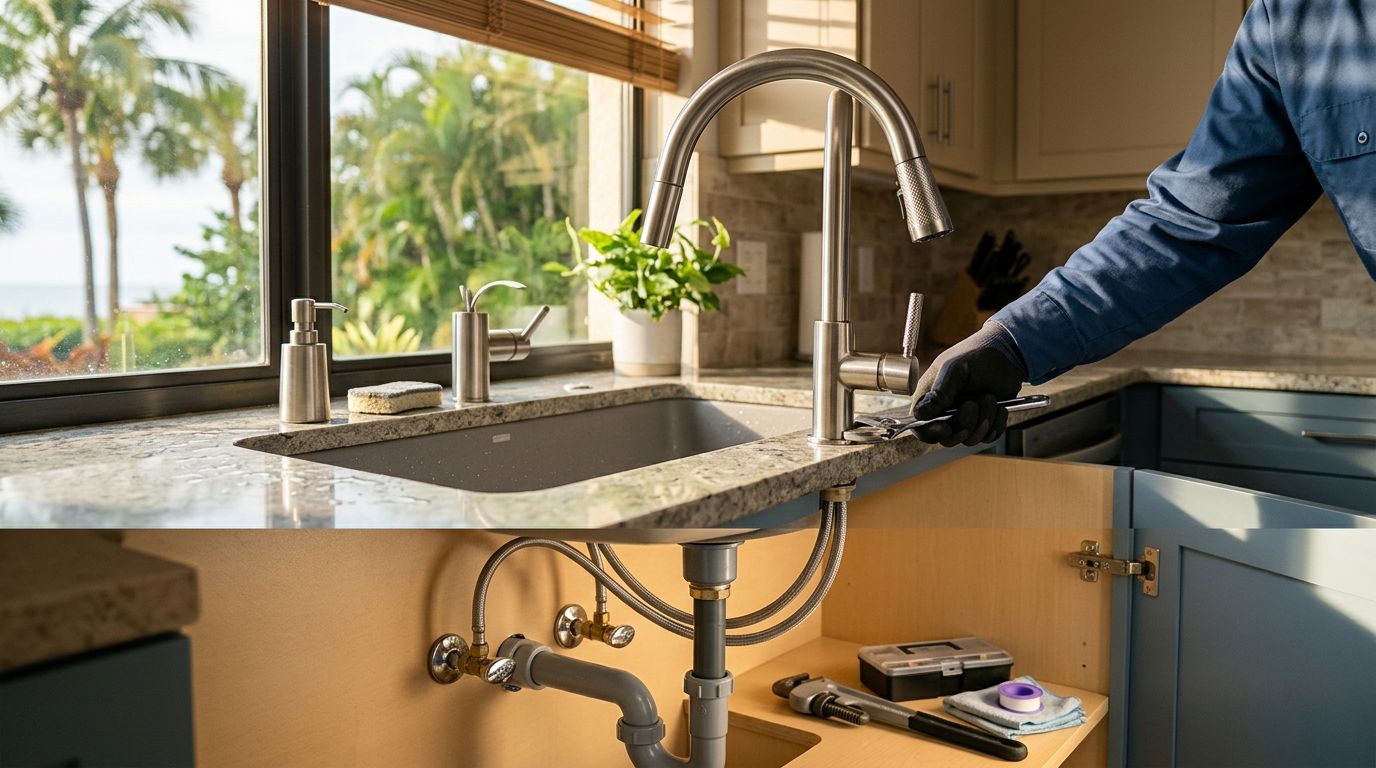
For example, a shower valve's trim kit may look compatible with an existing rough-in valve, yet the brand or valve series may differ. A contractor can avoid a wall-opening surprise by confirming compatibility before rough-in work starts.
Homeowner-supplied materials also need to arrive in full. Ordering tile without enough overage, trim without corners, or a vanity without the matching top can stop a crew mid-installation.
Put Every Material Responsibility in Writing
A verbal understanding is too fragile for a remodel with several suppliers and delivery dates. Your agreement should name the material, who buys it, who receives it, and when the installer needs it on site.
It should also state whether the contractor has reviewed the selected product before you order it. This protects the schedule and gives everyone one shared reference point.

Build a simple material schedule
Create one shared list, then update it as selections change. It can be a spreadsheet, a project-management app, or a dated email thread.
| Item | Homeowner's record | Contractor's confirmation |
|---|---|---|
| Porcelain floor tile | Quantity, dye lot, receipt, delivery date | Layout, waste factor, setting material |
| Shower fixture | Brand, model number, trim finish | Rough-in valve compatibility |
| Vanity and top | Dimensions, cutout details, delivery date | Wall clearance, plumbing location |
| Exterior door or window | Product approval documents, size, handing | Opening details and installation method |
The list should show a required-on-site date, not only the supplier's estimated arrival date. A faucet can arrive after cabinets, but its valve may need to be available weeks earlier.
Address damage, returns, and substitutions
The agreement should spell out who checks deliveries, who pays return freight, and who handles replacement orders. Also include how the contractor bills for extra trips, storage, or labor caused by a late or incorrect owner purchase.
Don't approve substitutions by phone alone. Save a written confirmation when a manufacturer changes a finish, discontinues an item, or ships a different model. Small product changes can affect dimensions, warranty coverage, and code paperwork.
A receipt proves that you bought an item. The model number, revision, and condition photos show whether the delivered product matches the approved selection.
Verify Florida Code, Permits, and Product Approvals
Florida's current statewide code is the Florida Building Code, 8th Edition (2023), effective December 31, 2023. However, your local building department administers permits, plan review, and inspections.
That means owner-purchased items must still meet the requirements tied to the permitted work. Buying the product yourself doesn't remove inspection or approval requirements.
Keep approval documents with the product records
Provide your contractor with receipts, manufacturer specifications, installation instructions, warranty documents, and model numbers. For appliances and electrical fixtures, listing information may matter. For plumbing fixtures, flow rate and compatibility can matter.
Exterior products need even closer review. Windows, exterior doors, garage doors, roofing materials, shutters, skylights, and some siding products may require Florida Product Approval documentation. In high-wind areas, a Miami-Dade Notice of Acceptance, often called an NOA, may also apply.
Product approvals have defined uses and may carry expiration dates. Confirm that the documentation matches the exact item, size, configuration, and installation method before the contractor orders or installs it.
Match products to Southwest Florida conditions
A coastal Florida remodel faces heat, moisture, wind-driven rain, salt exposure, and storm seasons. Interior selections should tolerate humidity, while exterior selections must suit the home's wind-exposure conditions.
For example, an exterior door may need a particular glazing option, hardware set, and installation detail to match its approval. A roofing underlayment can also be approved only as part of a named roof assembly.
Verify current requirements with your local building department before purchase. Cape Coral, Fort Myers, Naples, Punta Gorda, Sanibel, and surrounding jurisdictions can have different submittal procedures and inspection expectations.
Work Backward From Lead Times and Inspections
A remodel schedule follows installation dates, not showroom dates. Some products reach the job site quickly, while custom cabinetry, stone fabrication, imported tile, and specialty plumbing fixtures can take weeks or months.
Before homeowner-supplied materials arrive, ask your contractor for a required-on-site schedule. Then add delivery buffer for shipping delays, damage, backorders, and storm disruptions.
Order the items that control the sequence
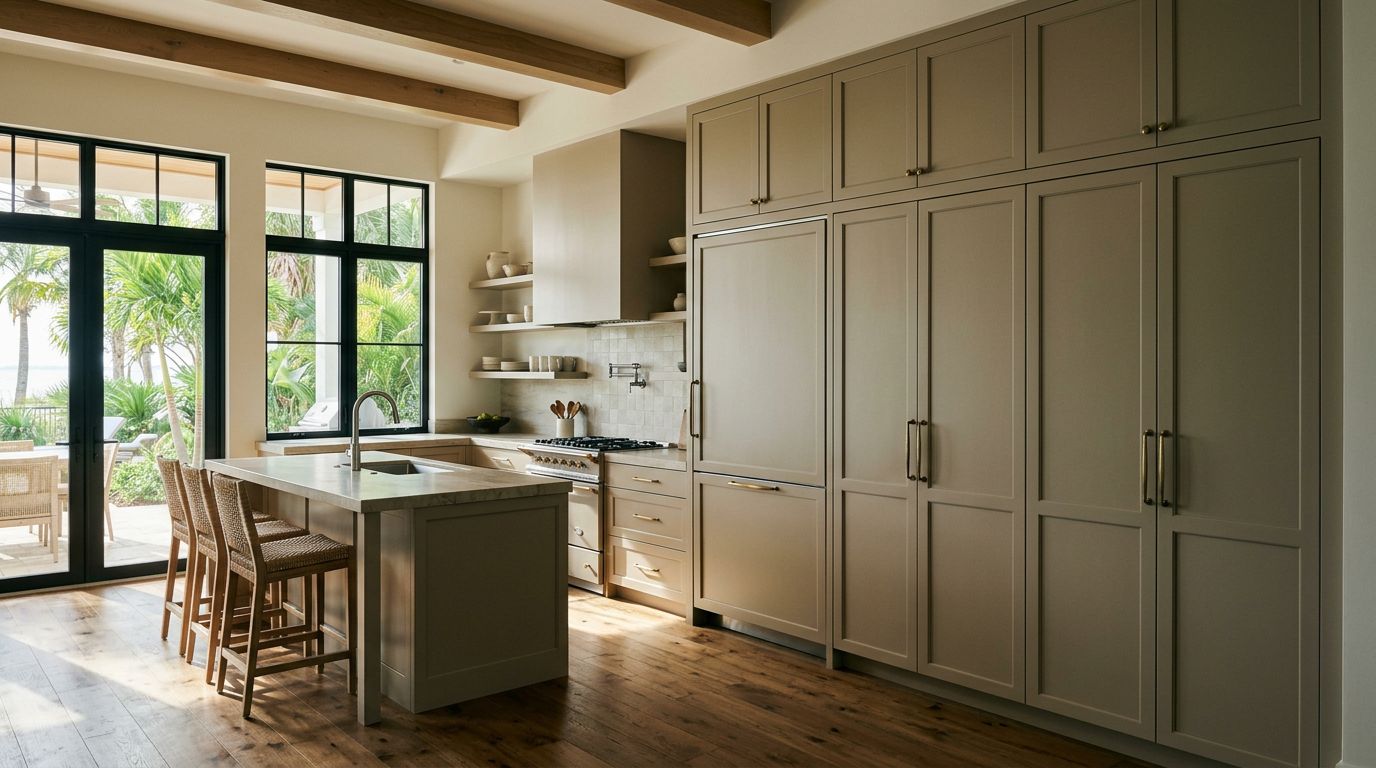
Cabinet layout drives countertops, appliance openings, lighting, and flooring transitions. Likewise, a shower drain, rough valve, or recessed medicine cabinet may need to arrive before the wall or floor closes.
Start with long-lead materials and products that affect rough-in work. Decorative pulls and mirrors can usually wait longer, but don't leave them until final week if they require special drilling or blocking.
For a custom kitchen, confirm cabinet specifications before finalizing appliance purchases. Kitchen remodeling services can help coordinate cabinetry, countertops, appliances, and installation timing as one plan.
Inspect deliveries the day they arrive
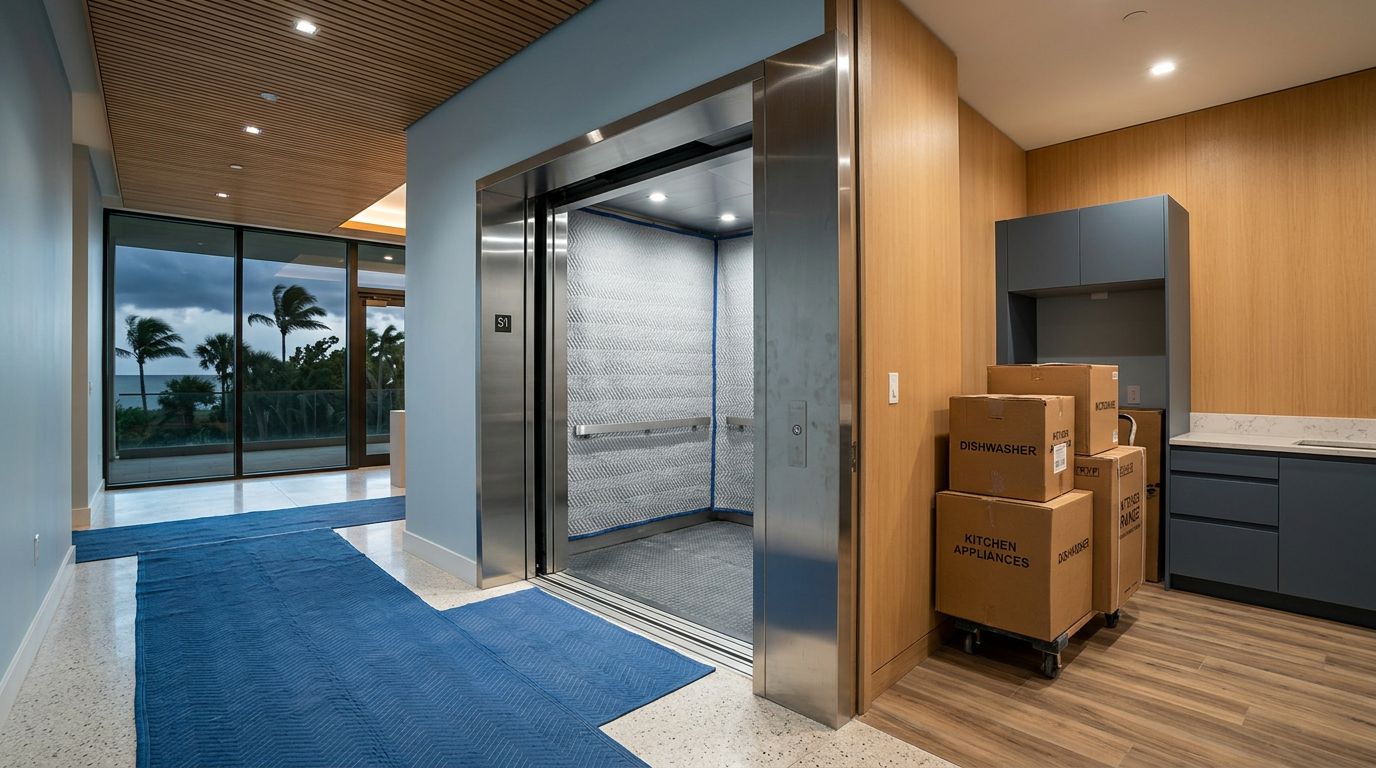
Open boxes while the delivery driver is still there when possible. Photograph crushed cartons, cracked stone, chipped fixtures, missing hardware, and any mismatch between the packing slip and the order.
Check tile dye lots and calibers before installation. Review cabinet boxes for water damage, confirm vanity dimensions, and count every fixture component. Keep the photos, packing slip, receipt, and delivery date in one project folder.
If something is wrong, notify the supplier and contractor immediately. Waiting until install day can turn a manageable return into a schedule delay.
Store Materials Away From Humidity and Storm Exposure
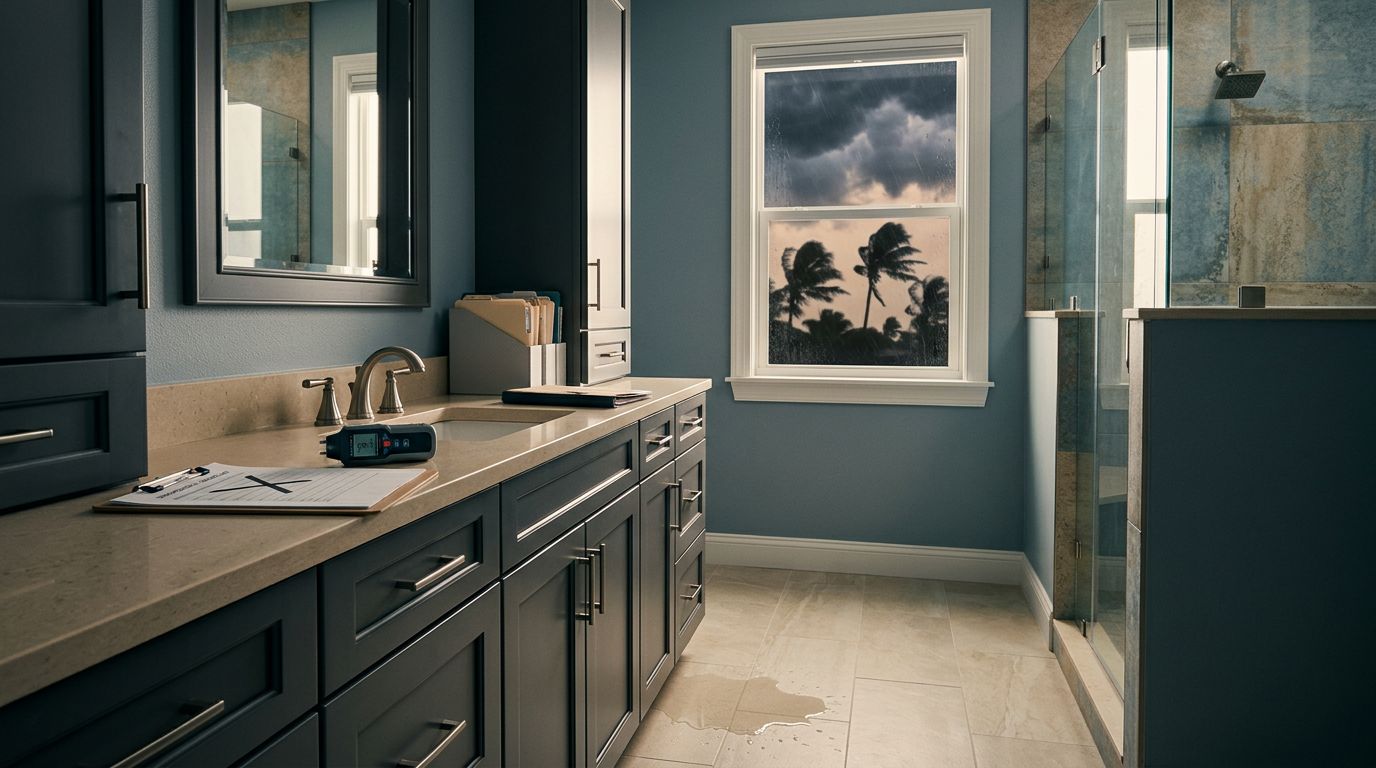
Florida garages, lanais, and driveways aren't neutral storage spaces. Humidity can affect wood products, cardboard packaging, drywall-related materials, and some adhesives. Rain and wind can damage products in a single afternoon.
Ask the contractor where materials can be staged, how long they can remain there, and whether the area stays secure. Homeowner-supplied materials should never block work paths, exits, or access for inspections.

Protect materials before installation
Keep cartons raised off concrete with shelves or pallets. Store sensitive items in a dry, covered area away from windows, open garage doors, and active plumbing work.
Cabinets and wood flooring often need time to acclimate under conditions specified by the manufacturer. Don't unwrap them too early or expose them to outdoor humidity. Stone slabs, glass panels, and finished fixtures also need secure support and protection from impact.
During hurricane season, avoid storing valuable materials in an unsecured lanai, open carport, or exposed driveway. Move materials inside or delay delivery when a storm watch could affect the area.
Track what enters and leaves the site
Use a dated inventory with photos of each delivery. Include the item, quantity, box condition, storage location, and person who received it.
This record helps if a carton disappears, a fixture gets damaged, or an inspector asks for product information. It also makes final reconciliation easier when unused items must be returned.
Keep the Contractor Updated During Installation
The contractor needs accurate information before a material reaches the job site. Send confirmations early, then report delivery changes as soon as you receive them.
A weekly check-in is often enough for most projects. During cabinet installation, tile work, or bathroom rough-in, however, a short daily update may prevent idle labor and rushed decisions.
Confirm details before work gets covered
Walk through layout decisions before tile goes up, cabinets get fastened, or walls close. Verify grout color, tile direction, niche placement, fixture height, outlet locations, and trim finish against the written selections.
If you change an item after the contractor has ordered related materials or completed work, ask for a written change order. The cost may include labor, rework, new materials, and schedule adjustments.
For bathroom work, share every fixture detail before rough plumbing begins. Custom bathroom remodeling depends on accurate valve, drain, vanity, and shower-glass dimensions.
Handle shortages without derailing the job
Even careful orders can have missing pieces. When that happens, tell the contractor what the supplier has confirmed, including replacement dates and shipping status.
The crew may be able to complete another area first. Still, don't assume they can return without an added trip charge or schedule change. Written updates keep expectations realistic and help protect the quality of finished work.
A Better Way to Use Owner-Purchased Materials
Homeowner-supplied materials can add character and personal control to a Florida remodel when every item is planned as part of the construction sequence. The strongest process combines written responsibilities, complete records, protected storage, and timely contractor review.
For a kitchen, bath, addition, or custom home project, discuss owner purchases before the first order is placed. Get a Free Estimate to review selections, timing, and site conditions with a local remodeling team.