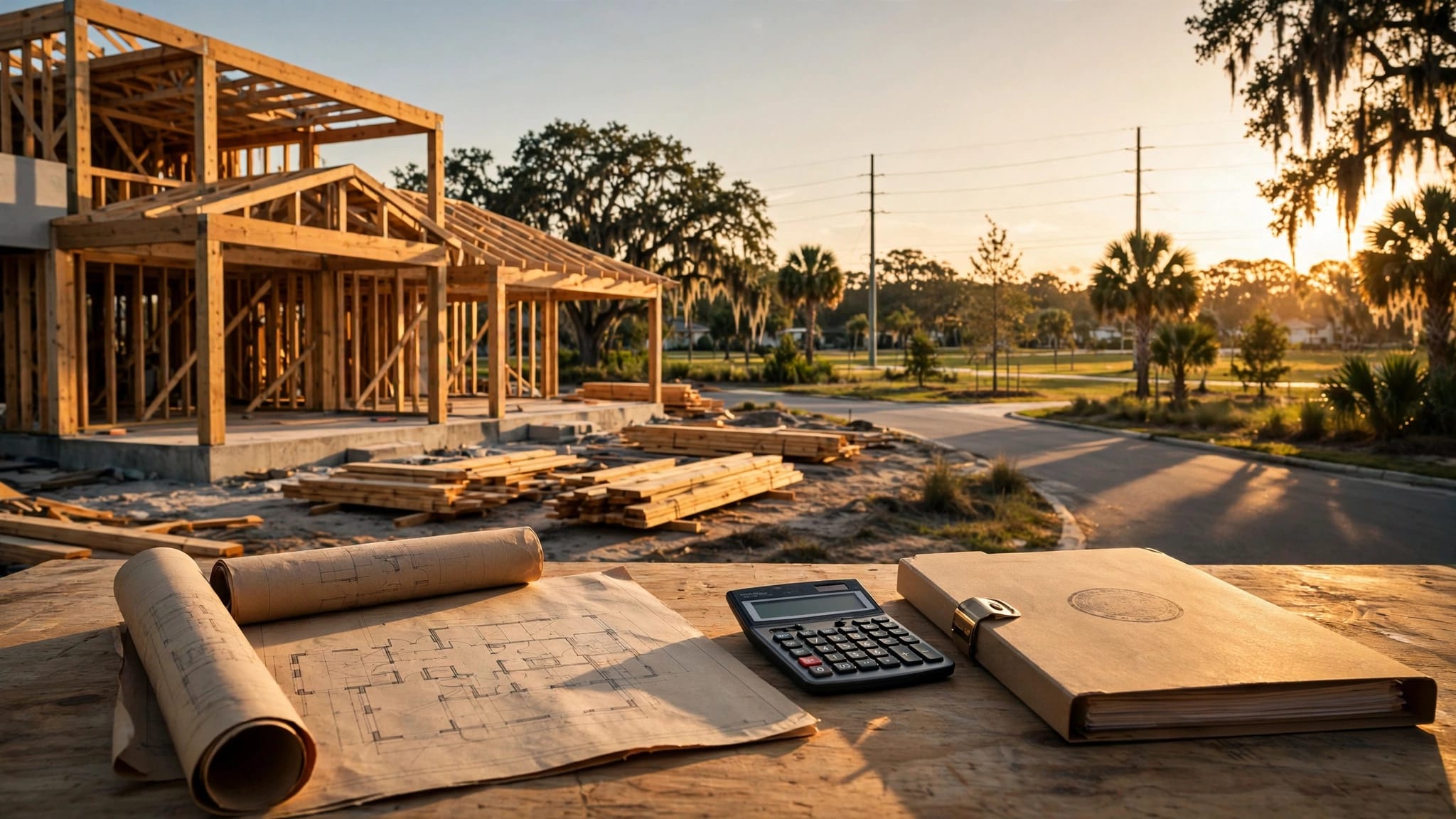
Drywall Repair Costs Before a Southwest Florida Remodel
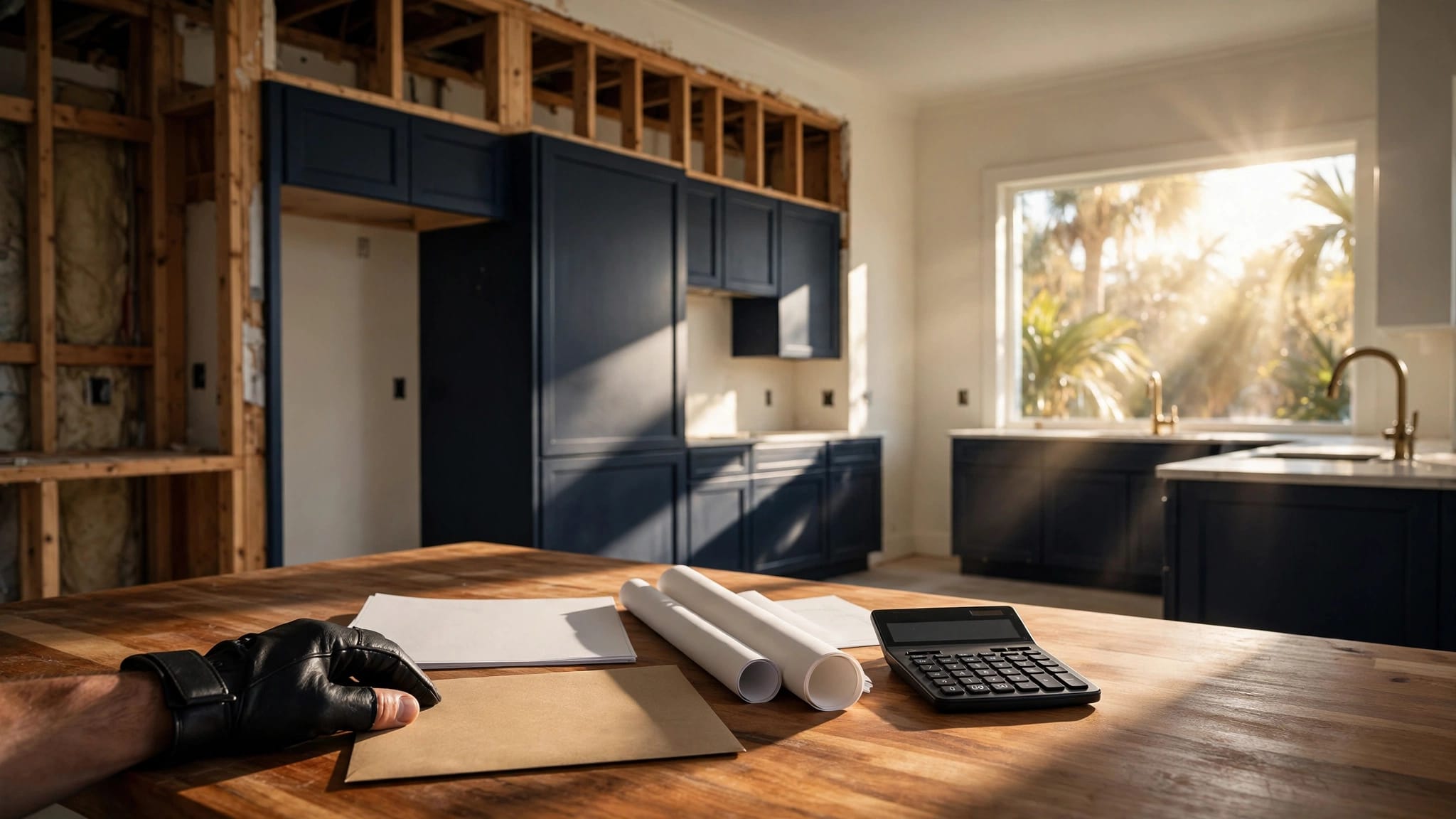
Fresh cabinets, tile, and paint can make a remodel feel close to finished. Then demolition reveals cracked seams, old plumbing openings, or water-stained ceiling drywall.
Those findings can change drywall repair costs and affect your project schedule. In Southwest Florida, small patches may cost less than $150, while ceiling damage or full-sheet replacement can cost several hundred dollars. Planning wall repairs early keeps the rest of your remodel on track.
What drywall repair costs look like in Southwest Florida
Local pricing guides published for South Florida show a wide range because drywall work is priced by size, location, finish, and the number of visits required. A small nail pop is a quick repair. A damaged ceiling with an active leak requires investigation, replacement, primer, texture, and paint.
For common residential repairs, these market-reported ranges are useful starting points:
| Repair scope | Typical Southwest Florida range |
|---|---|
| Nail pop or pinhole under 1 inch | $75 to $150 |
| Small to medium hole, 4 to 12 inches | $150 to $300 |
| Full 4-by-8-foot sheet replacement | $285 to $450 |
| Water-damaged ceiling section | $400 to $650 or more |
| Large water-damaged area or full-room work | $1,000 or more |
South FL Handyman's published pricing examples place small holes near $95 to $165, medium patches around $165 to $285, and full-sheet replacement around $285 to $450. FixApply reports similar South Florida ranges, with texture and paint matching adding roughly $50 to $100.
Some local handyman services publish hourly rates near $75 to $150. However, many contractors provide a flat project price instead. A flat rate often accounts for setup, materials, multiple coats of joint compound, sanding, cleanup, and return visits.
Why one wall repair quote can differ from another
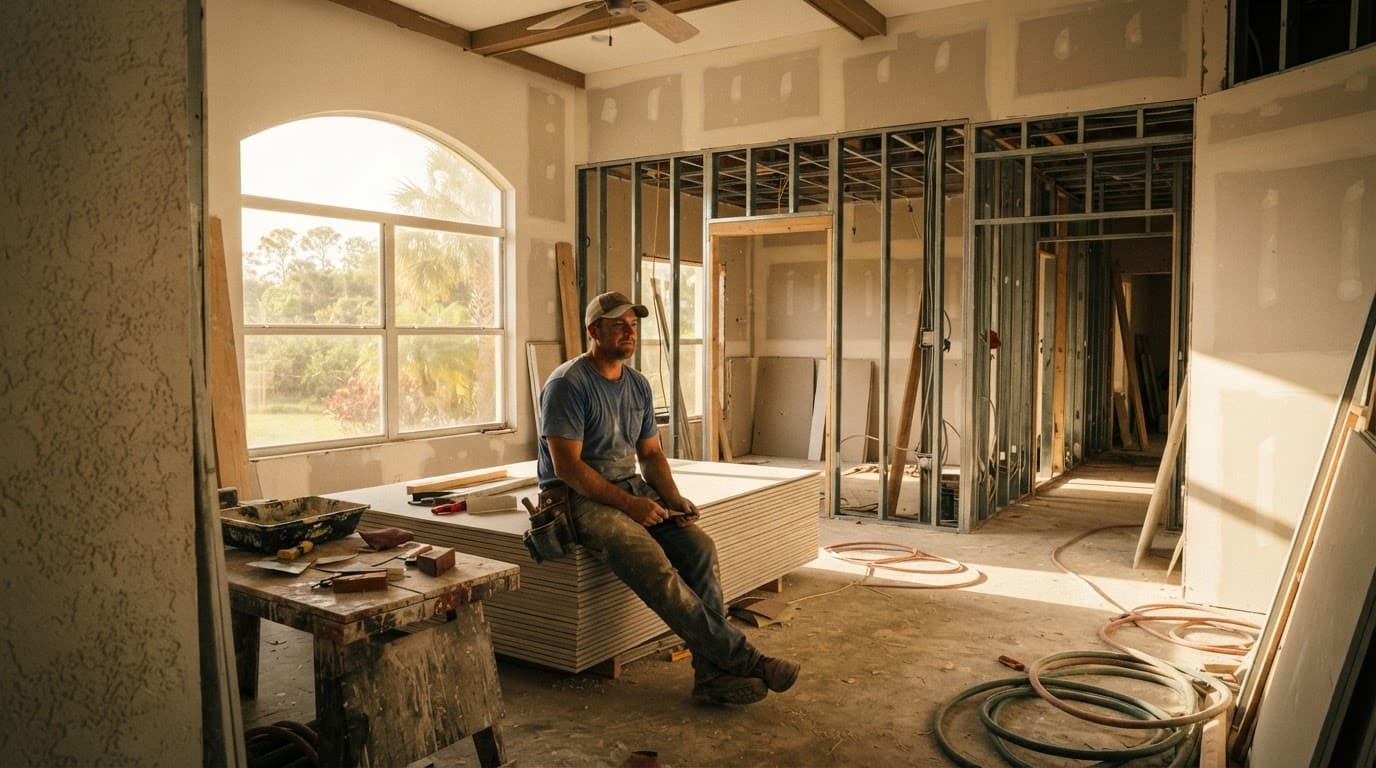
The hole itself is only one part of the work. A contractor must also determine whether the surrounding drywall is stable, whether insulation or framing is damaged, and how closely the finished surface must match the existing wall.
Texture matching can add time, especially in older Southwest Florida homes with orange-peel, knockdown, or custom finishes. Smooth walls also require careful feathering because small ridges show easily under paint and strong natural light.
Ceilings tend to cost more than walls because workers must protect the room below and work overhead. Water stains may require a stain-blocking primer after the damaged material is removed. If the leak continues, cosmetic repairs won't solve the problem.
A low patch price may cover the hole itself while leaving texture, primer, paint, and cleanup outside the estimate.
Why repair work belongs in the remodel schedule
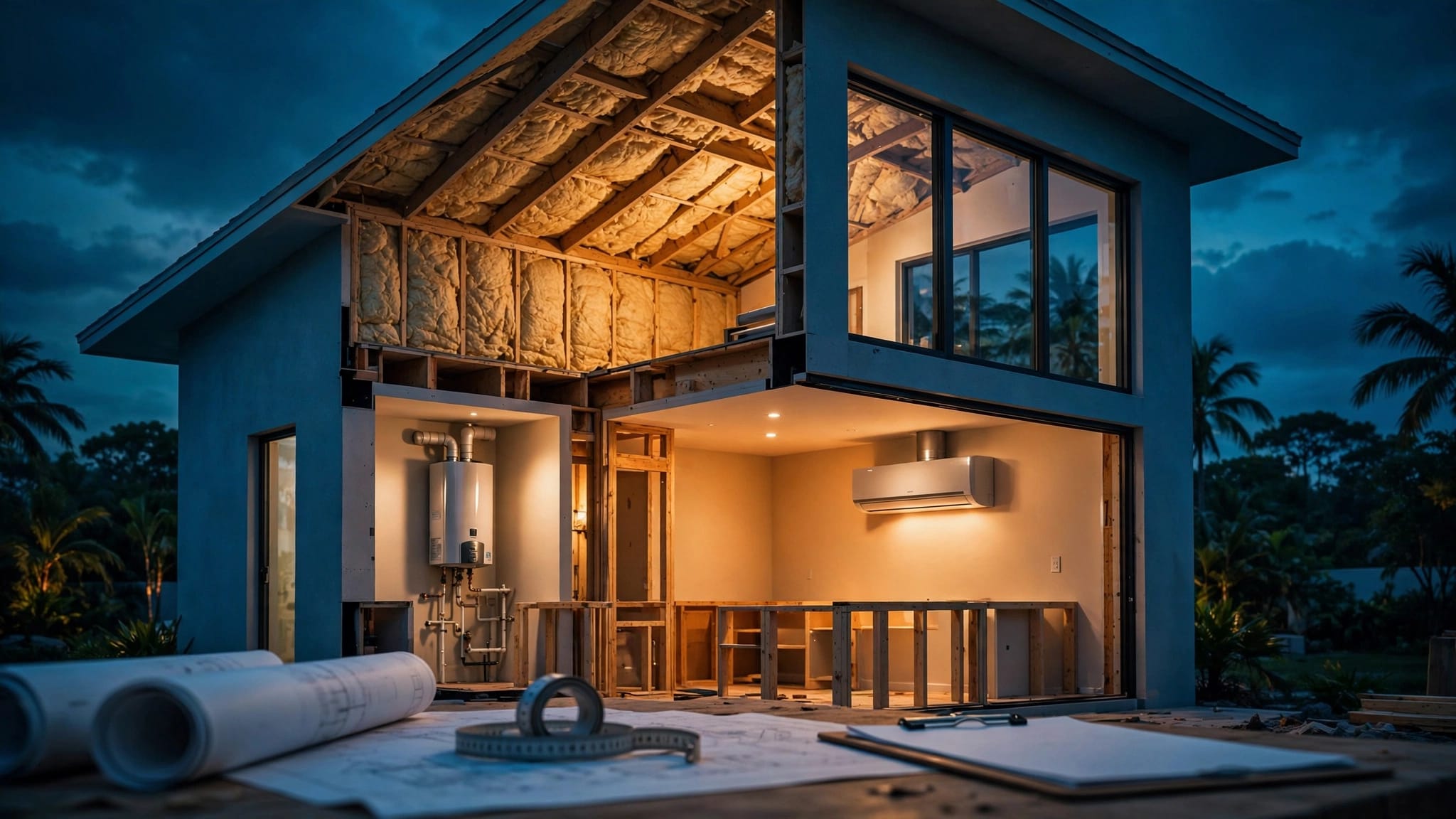
Drywall repairs should happen after demolition and rough plumbing or electrical work, but before final cabinets, trim, tile, and paint. That sequence gives the remodeling team access to the walls and prevents finished surfaces from being damaged by later repairs.
A kitchen remodel may involve new outlets, lighting, plumbing lines, appliance connections, or cabinet changes. Each adjustment can leave openings in the wall. Once those trades finish, the drywall contractor can close the openings and prepare the surface for the final finish.
Homeowners planning custom kitchen design and remodeling should also ask how wall repairs fit around cabinet installation and backsplash work. A patch behind new cabinets may not need the same finish as an exposed wall beside the dining area.
Bathroom projects need a similar plan. Removing a vanity, shower surround, medicine cabinet, or old exhaust fan can expose holes and damaged edges. Surfaces near wet areas may require a suitable backer material instead of standard drywall, depending on the location and design. Homeowners considering custom bathroom makeovers should address that material decision before tile installation begins.
Southwest Florida moisture can change the scope
Humidity doesn't automatically damage drywall, but leaks, condensation, and poor ventilation can create problems. Water stains around a ceiling fixture, bubbling paint, soft drywall, or recurring discoloration deserves inspection before anyone applies a patch.
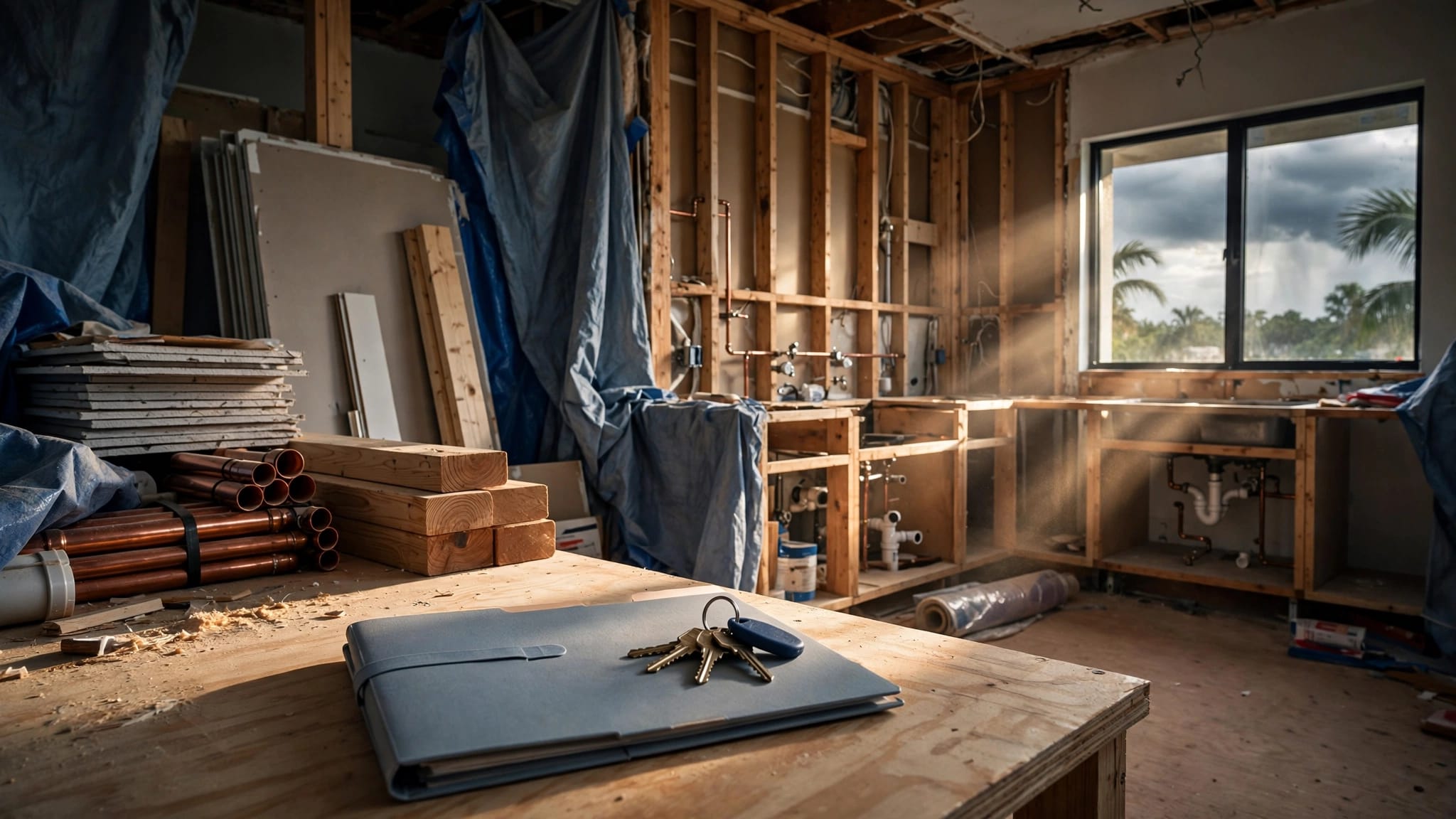
Coastal homes may also have previous repairs hidden under multiple layers of paint. During demolition, workers can find loose tape, patched openings, or areas where the drywall no longer sits flat against the framing. Those conditions may call for a larger repair than the visible crack suggested.
Repairing the source first protects the new work. Otherwise, a fresh coat of paint can conceal the issue for a short time and leave you paying for the same repair again.
What a drywall repair estimate should include
A clear estimate should describe the full finished result, not only the square footage of damaged material. Ask the contractor to identify what happens before, during, and after the patch.
A useful estimate usually addresses:
- The number and approximate size of each repair area.
- Removal and disposal of damaged drywall.
- Inspection of the framing, insulation, and nearby surfaces.
- Replacement material, fasteners, tape, and joint compound.
- The number of mud coats, sanding passes, and texture applications.
- Primer and paint, including whether the contractor will paint the whole wall or only the patch.
- Furniture protection, dust control, daily cleanup, and final debris removal.
- Any return visits required for drying, sanding, or finish matching.
Paint matching deserves special attention. Even when a contractor finds the correct color, a small new patch can look different beside older paint that has faded or collected wear. Painting the entire wall often creates a more consistent finish, especially in rooms with strong sunlight.
The estimate should also state whether the price is firm or based on an allowance. An allowance may change when demolition exposes hidden damage. That isn't unusual, but the contract should explain how additional work gets approved.
For a kitchen or bathroom remodel, ask whether drywall work is included in the main construction estimate or assigned as a separate line item. Separate pricing can make comparisons easier, while a coordinated scope reduces the chance of missed work between trades.
How to budget drywall work for different remodels
The right allowance depends on the kind of project you are planning. A cosmetic kitchen update may need a few small patches. A layout change or room addition can involve much more wall preparation.
Kitchen remodeling
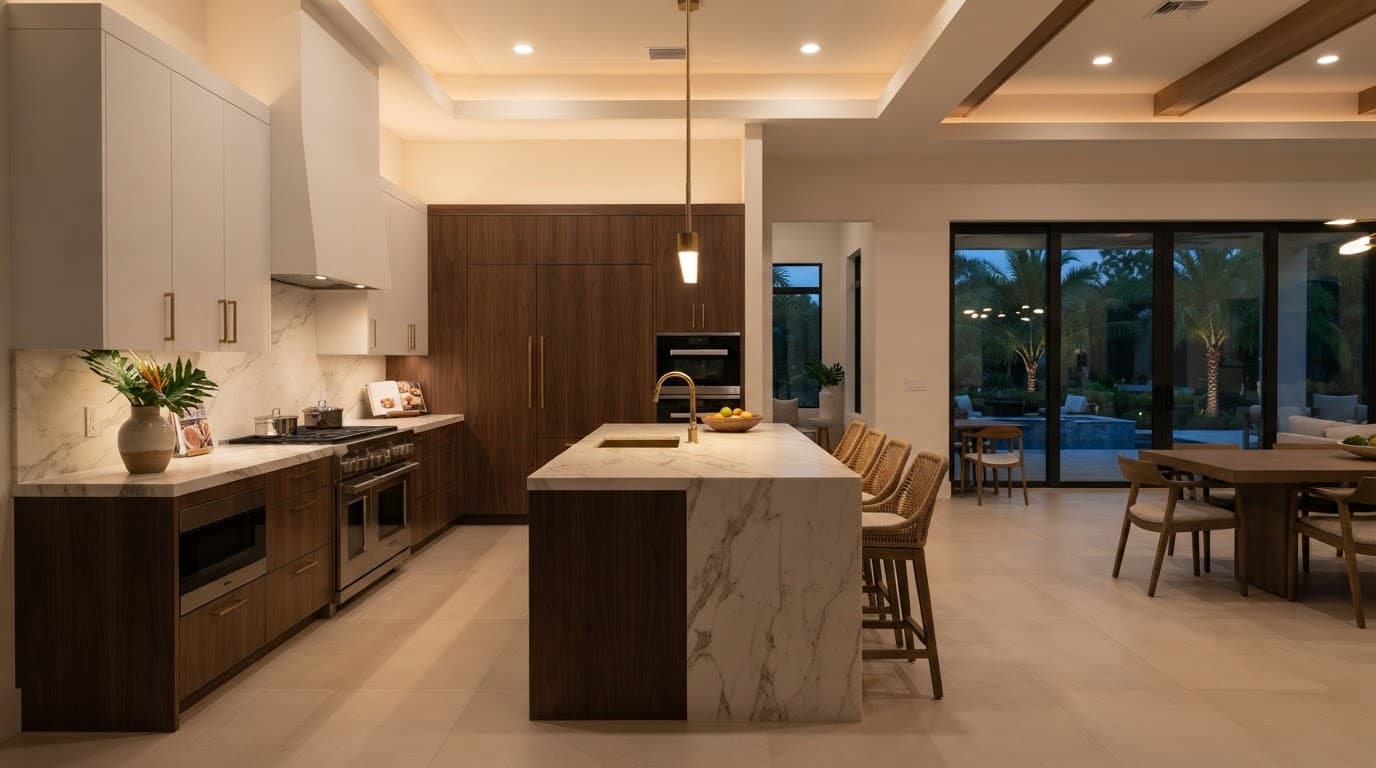
Cabinet removal often exposes screw holes, backsplash damage, and unfinished areas behind appliances. Moving plumbing or electrical lines can create additional openings. If the layout stays the same, localized repairs may fit within the lower range of drywall repair costs.
A kitchen with relocated cabinets, a new island, or added lighting may need larger sections removed and replaced. Wall finish also matters. Exposed areas beside cabinets usually need a closer texture and paint match than surfaces covered by new millwork.
Bathroom remodeling
Bathroom demolition can reveal softened drywall around plumbing fixtures, exhaust fans, windows, or exterior walls. A contractor should check the material before covering it with tile, trim, or a new vanity.
The final price may include moisture-resistant drywall in appropriate areas, cement board or another tile backer where required by the design, and added preparation around plumbing penetrations. The lowest drywall quote may not include these related materials, so compare the scope rather than the total alone.
Custom homes and additions
New construction uses different pricing logic than a small repair. The cost depends on total wall and ceiling area, ceiling height, room layout, insulation, access, finish level, and architectural details such as niches or tray ceilings.
For a room addition, the existing home may need tie-in work where new walls meet old ones. Those joints require careful taping and finish matching. A builder should include that transition in the construction estimate instead of treating it as an unexpected patch at the end.
When to repair, replace, or investigate first
A localized repair usually makes sense when the drywall is dry, firm, and attached securely. Small holes, nail pops, minor cracks, and limited damage around removed fixtures often fall into this category.
Replacement makes more sense when several repairs sit close together, the paper face has separated, or the panel has become soft or crushed. Patching many adjacent areas can take longer and produce a weaker finish than replacing one larger section.
Investigation comes first when you see staining, bubbling paint, a musty smell, soft ceiling material, or a crack that keeps returning. These signs can point to a plumbing leak, roof issue, ventilation problem, settling, or movement at a joint.
Recurring cracks deserve attention during a remodel because new paint and trim can make the room look complete while the underlying movement continues. Ask the contractor whether the repair needs additional framing support, flexible joint treatment, or another trade's inspection.
Before work begins, take photographs of visible damage and note when it appeared. Share that information during the estimate. It helps the contractor compare the visible condition with what demolition reveals.
Protect the remodel budget before work begins
Drywall repair costs in Southwest Florida often start near $75 for a small repair and rise past $400 when ceilings, water damage, texture matching, or full-sheet replacement enter the scope. The final number depends less on the hole alone than on the finish you expect and the condition behind the wall.
Schedule repairs after demolition and rough-in work, then complete them before cabinets, tile, trim, and final paint. A detailed estimate should cover materials, finish matching, primer, paint, protection, cleanup, and any return visits.
If you're planning a kitchen, bathroom, addition, or custom home project, Get a Free Estimate before choosing a budget. A site review can identify wall work early, when it is easier to price and coordinate.