Primary Suite Addition Costs in Southwest Florida for 2026
A primary suite addition can change how your home works every single day, but the price can swing more than most people expect. In Southwest Florida, the primary suite addition cost depends on hurricane rules, moisture control, roof tie-ins, and the finish level you want.
For 2026, a realistic budget usually starts around $175 to $450 per square foot . Many homeowners land somewhere between $100,000 and $250,000 , although simple projects can come in lower and larger, more complex suites can run higher.
What a Primary Suite Addition Costs in 2026
The easiest way to think about pricing is by project size and scope. A small suite with a modest bedroom, a basic bath, and limited structural work costs much less than a large suite with custom cabinetry, upgraded tile, and major roof changes.
Here's a simple range to use as a planning tool:
| Project type | Typical size | 2026 budget range | What it usually includes |
|---|---|---|---|
| Small or basic suite | 300 to 375 sq. ft. | $80,000 to $120,000 | Simple bedroom, compact bath, standard finishes |
| Mid-range suite | 350 to 500 sq. ft. | $100,000 to $250,000 | Custom bath, walk-in closet, better fixtures, more finish choices |
| High-end or complex suite | 450 sq. ft. and up | $250,000+ | Luxury finishes, structural changes, second-story work, more engineering |
That table gives you a working range, not a final quote. A suite that looks straightforward on paper can climb fast once plumbing, code upgrades, and exterior work are added.
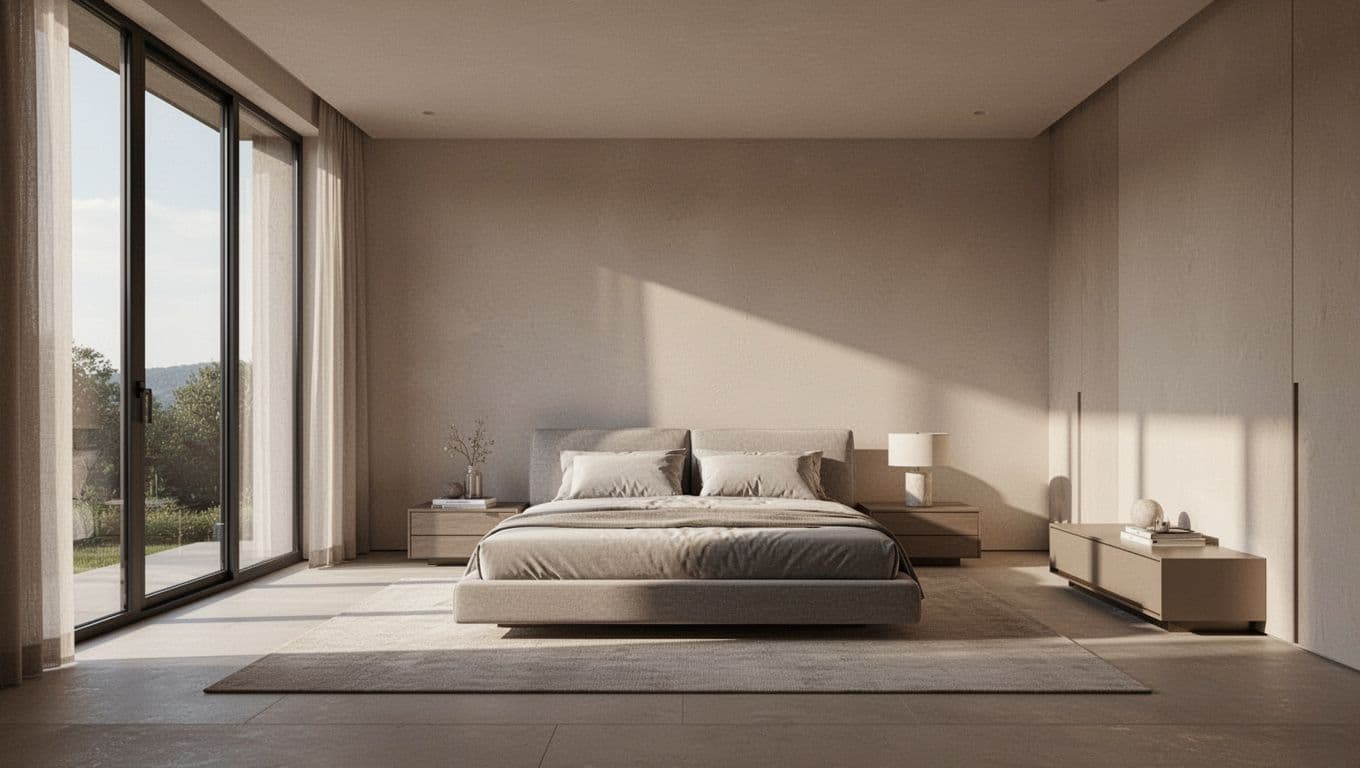
A 400-square-foot suite, for example, can sit near the middle of the range. Once you add a full bath, better windows, and coastal code requirements, the final number often feels closer to the mid-range than the base math suggests.
What pushes the price up in Southwest Florida
Southwest Florida has its own cost drivers. The weather, the code rules, and the condition of your existing home all shape the budget.
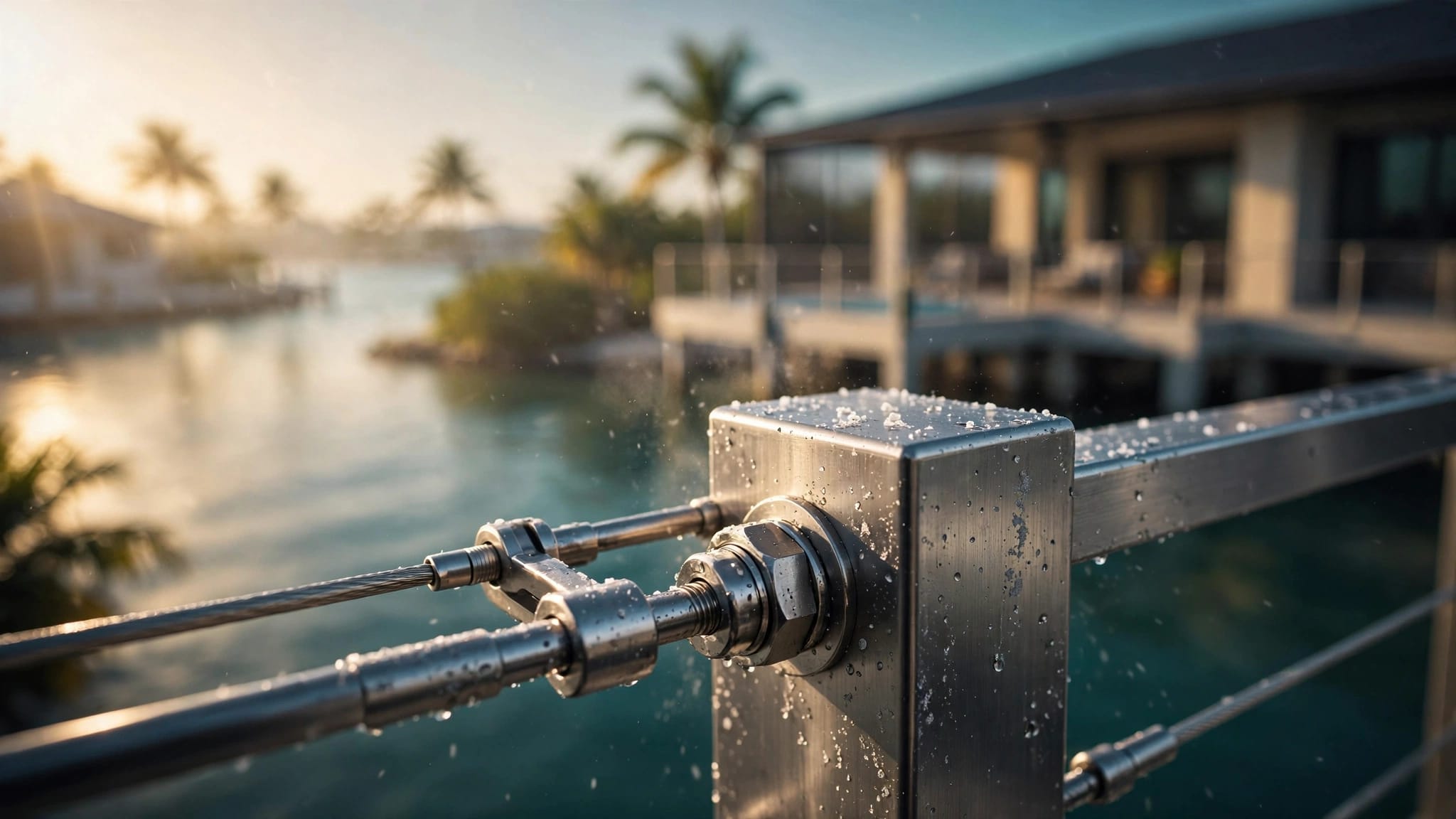
Hurricane-rated windows and doors
Impact-rated openings cost more, but they matter here. A new suite often needs matching windows and doors that meet local wind standards and fit the rest of the home.
That means the project may need upgraded framing, stronger headers, and more careful exterior detailing. If the opening sizes change, the price moves again.
Bathroom plumbing and layout
The bathroom usually adds the biggest jump in cost. A suite bath needs supply lines, drains, waterproofing, tile work, fixtures, and ventilation.
If the new bath sits far from existing plumbing, the labor can rise fast. Moving a shower or toilet also adds cost, because every change affects the rough-in work behind the walls.
Moisture control and HVAC
Humidity is part of life on the Gulf Coast, so the new suite has to breathe and dry out the right way. That means proper insulation, sealed ductwork, balanced airflow, and a bath fan that actually clears steam.
If the current HVAC system is already near its limit, you may need a larger unit or a new zone. That can add a meaningful chunk to the budget, but it also protects the home from mold and hot spots.
A low bid can look appealing until the hidden code and climate work shows up later.
Structure, roof tie-ins, and finish level
Some additions are simple bump-outs. Others need foundation work, roof reframing, or a second-story structure. Those choices change the price more than paint or cabinet style ever will.
Finish level matters too. Basic trim, stock cabinets, and standard flooring keep costs down. Custom millwork, premium tile, and designer fixtures push them up quickly.
If you're comparing project types, professional room additions can range from a modest expansion to a much more detailed suite build.
Permits, site conditions, and timing can change the budget
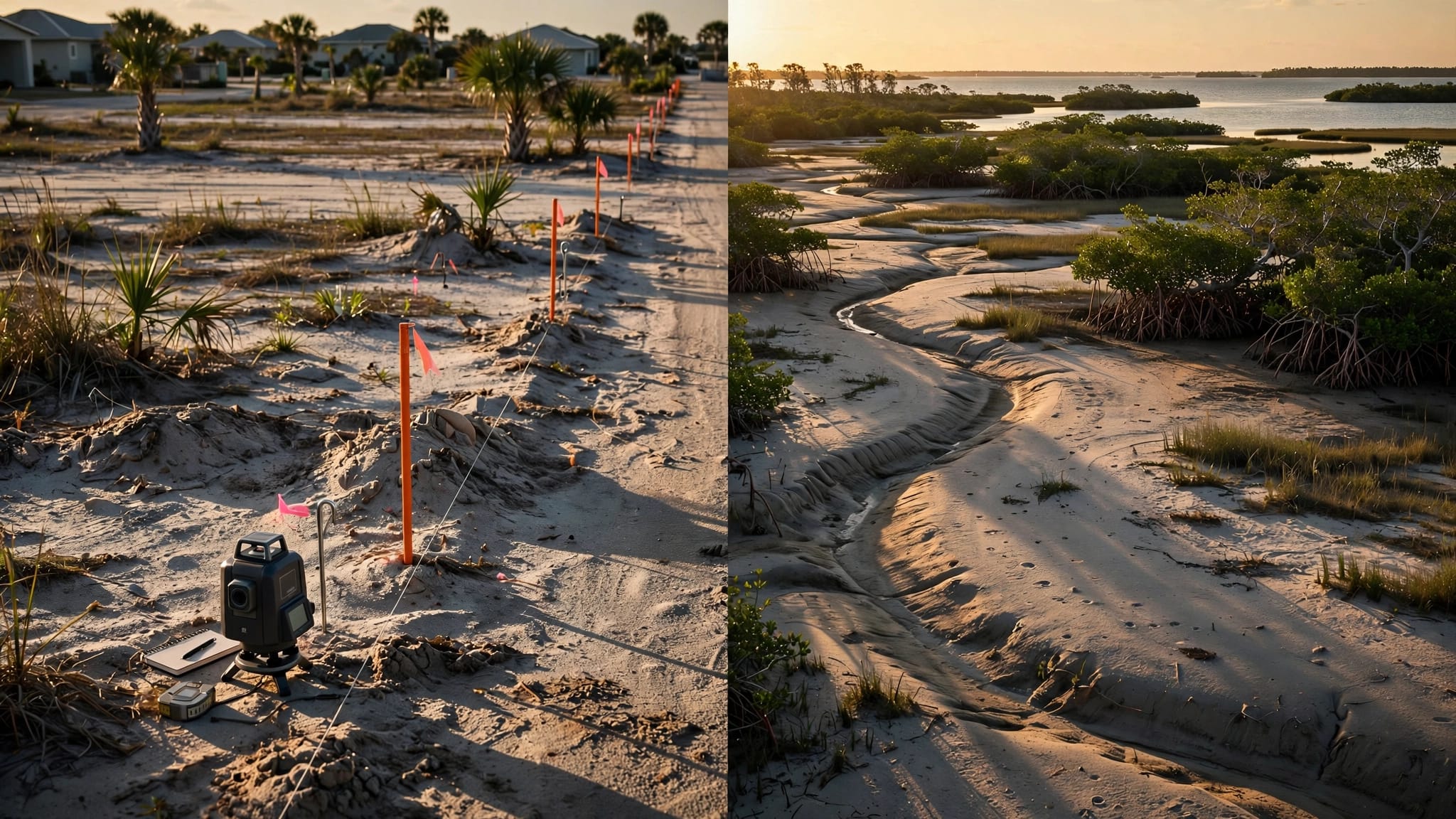
Even the best design can get more expensive if the site makes the work harder. That's common in older homes, coastal areas, and neighborhoods with tighter lot limits.
Permit timing matters as well. Southwest Florida projects often need plan review, engineering, inspections, and coordination between trades. If the scope is large or the home sits in a flood-prone area, the process can take longer than expected.
Several local factors can push the budget up:
- Older electrical systems that need upgrades
- Roof or soffit tie-ins that require more structural work
- Limited yard access for materials and equipment
- HOA or architectural review requirements
- Flood zone or wind-load design needs
Cape Coral, Fort Myers, Naples, Punta Gorda, and Sanibel can all bring different site conditions and review times. A home near the water may need more protection than one farther inland. A tight lot can also make labor slower, which affects cost.
When a suite starts to feel like a small custom build, the planning gets closer to custom home building services than to a simple remodel. That's especially true when the project changes the roofline, foundation, or overall flow of the house.
For homeowners, the biggest mistake is assuming the addition is only about square footage. In reality, the budget also covers the house around it, the code around it, and the weather it has to survive.
How to build a realistic budget
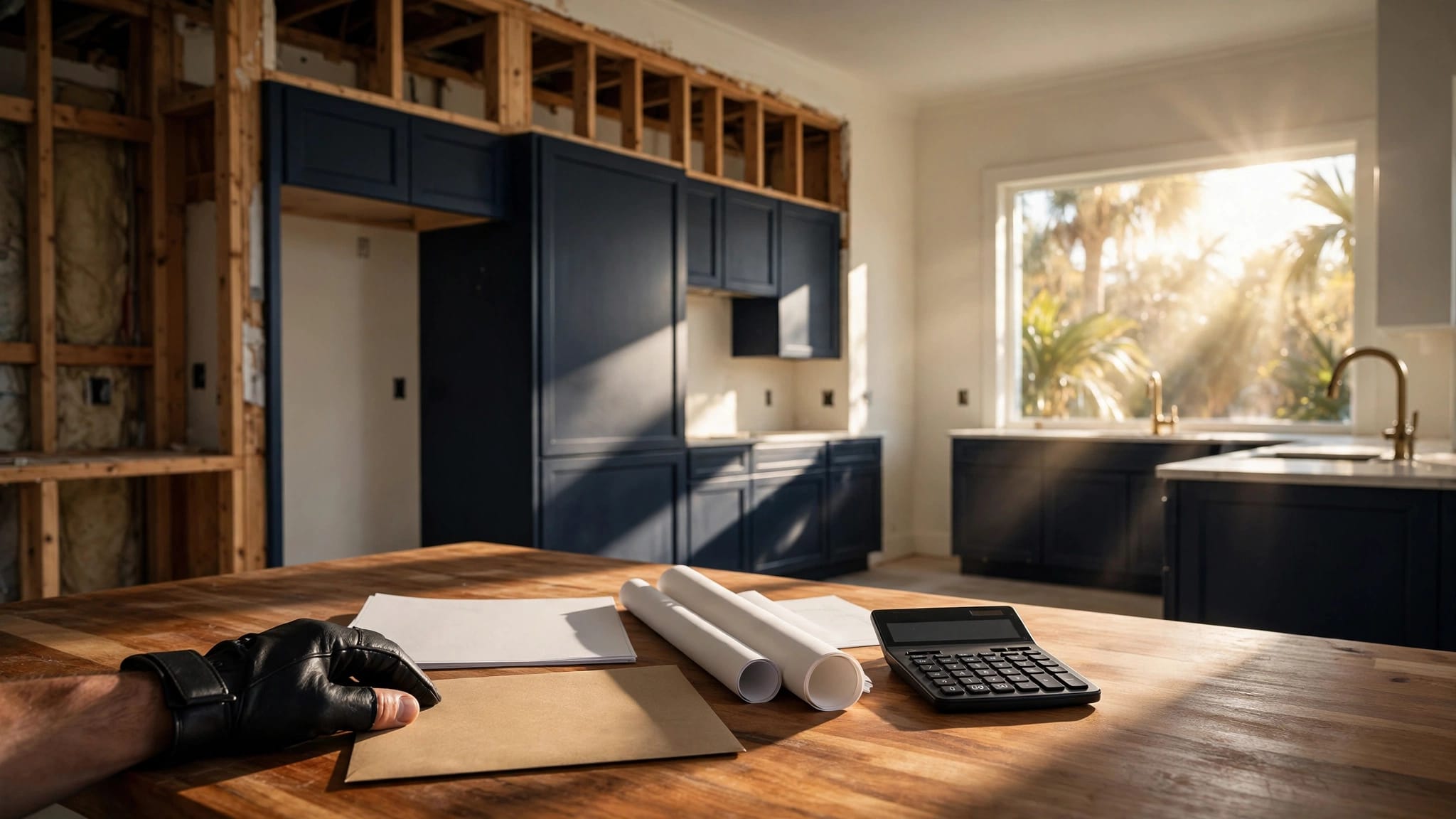
A smart budget starts with the right questions. Before you ask for numbers, get clear on the size, layout, and finish level you want.
Start with the square footage. A compact suite with a bath and closet costs less than a large room with sitting space and custom storage. Next, decide whether the bath is full or partial, because plumbing changes can move the budget fast.
Then look at the exterior. If you need impact windows, new exterior doors, or roof work, include those costs early. Waiting until the end usually leads to surprises.
A useful budget plan includes these four parts:
- Base construction for framing, drywall, flooring, and finish work.
- Bath and plumbing for the shower, toilet, vanity, and waterproofing.
- Regional code items such as impact-rated openings and wind-mitigation details.
- Contingency money for hidden issues, design changes, or site work.
A contingency of 10% to 15% is a solid starting point. Older homes sometimes need more, especially if the electrical panel, roof framing, or slab condition needs attention.
The estimate should also spell out what is and isn't included. Permit fees, engineering, demolition, painting, and HVAC changes can all sit in different parts of the bid. Clear line items make comparison easier.
If you want a real-world number for your home, Get a Free Estimate and ask for an on-site review. A field visit gives a better picture of structure, access, and the work your home will actually need.
Conclusion
A primary suite addition in Southwest Florida is rarely a one-price project. The final number depends on size, bath layout, impact-rated openings, moisture control, and the condition of the existing home.
For 2026, the most useful planning range is still $175 to $450 per square foot , with many projects landing between $100,000 and $250,000 . That range gives you a realistic starting point before the details start stacking up.
If you're weighing a suite addition, focus on scope first and price second. That keeps the budget grounded in the way your home is built, not just in a square-foot number on a page.