Architectural Plan Costs in Southwest Florida for 2026
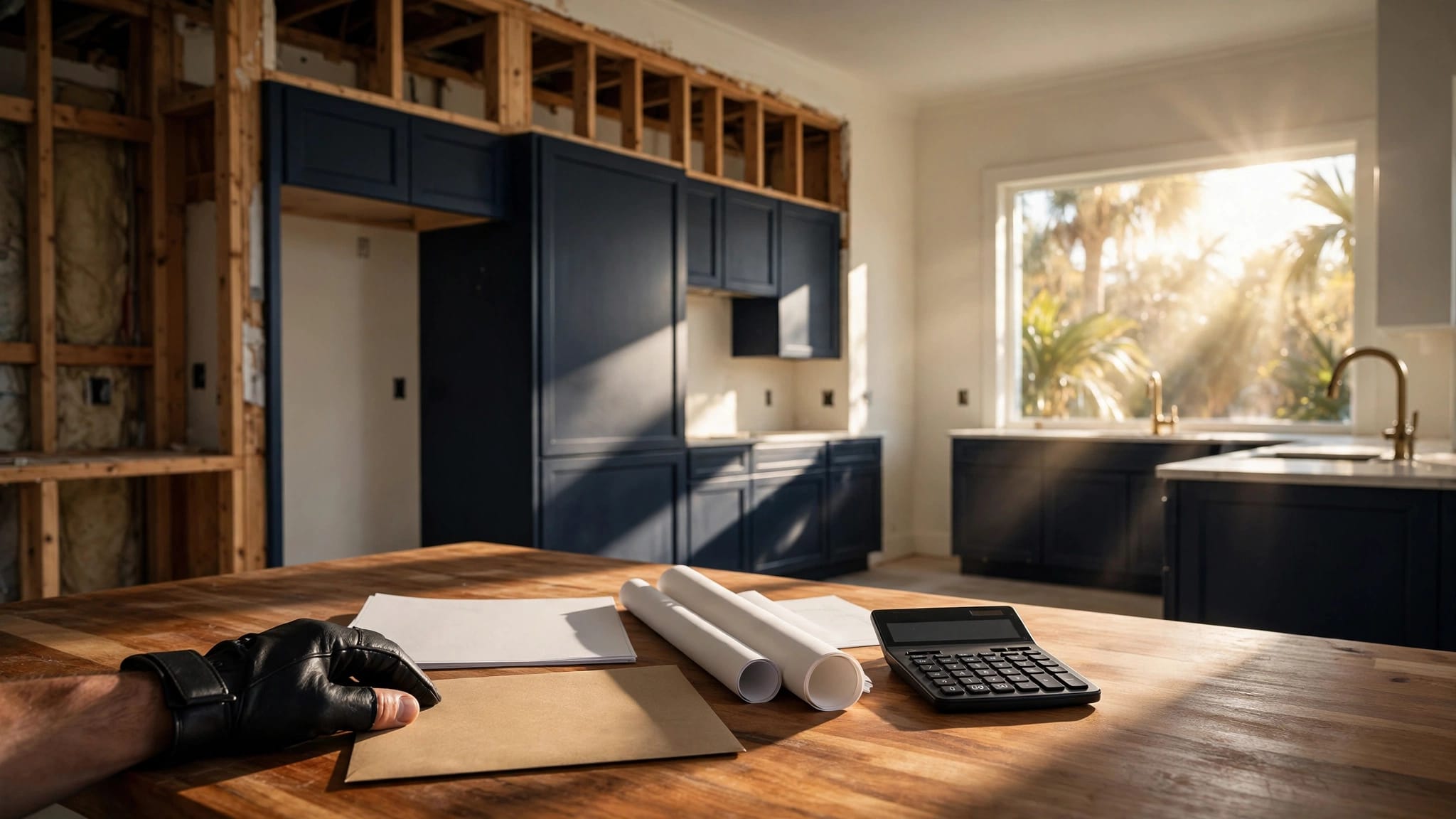
A remodel in Southwest Florida can look simple on paper and still get expensive at permit time. Architectural plan costs are often the first line item homeowners underestimate.
In 2026, the drawing fee is only part of the story. Wind-load rules, flood zones, older home records, and HOA review can all raise the price. The real question is what kind of plan set your project needs.
What architectural plans pay for in a remodel
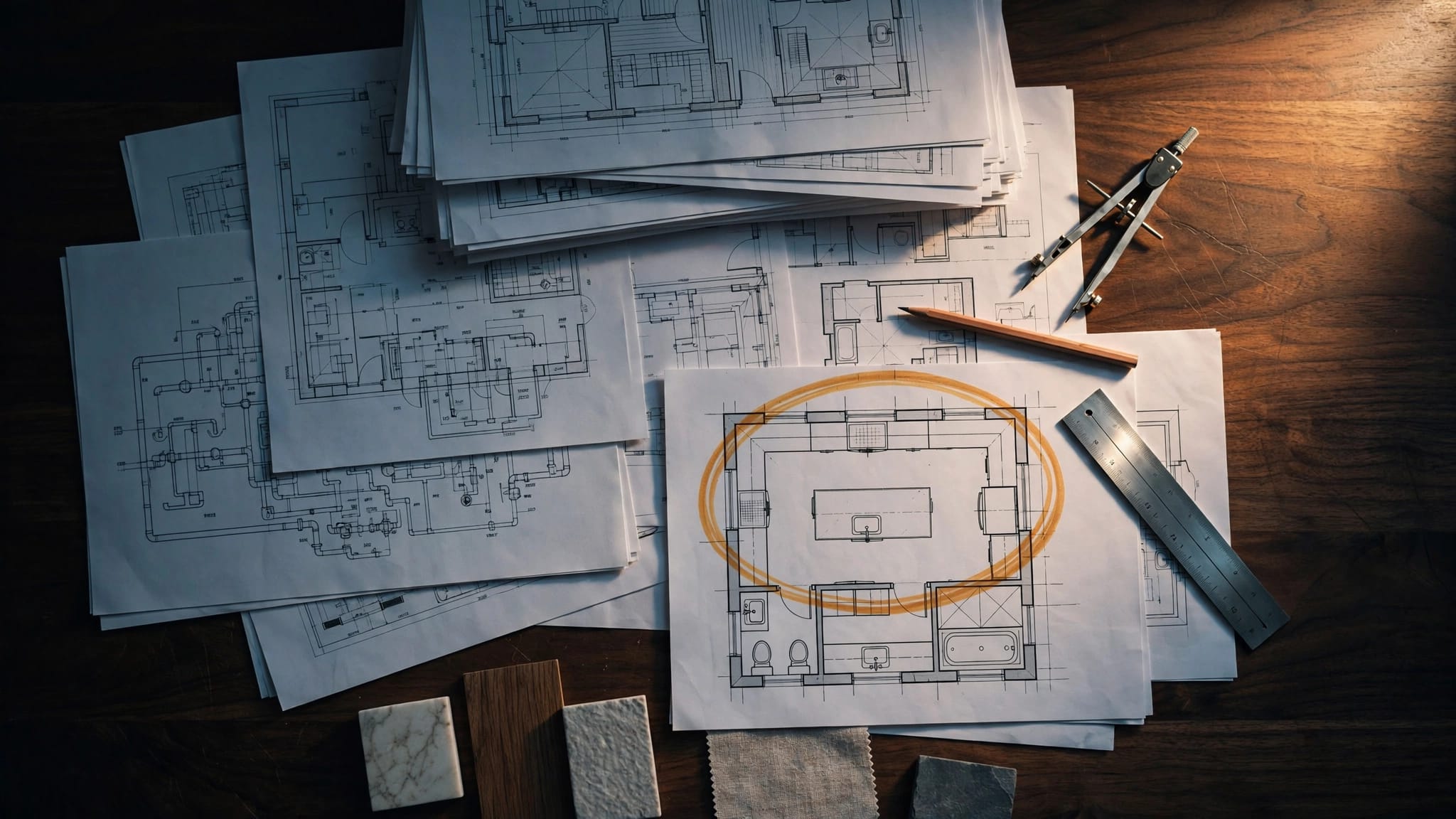
For a remodel, you are usually paying for more than pretty drawings. A permit-ready plan set often includes field measurements, existing conditions, demolition pages, new floor plans, elevations, cabinet or fixture layouts, and construction notes. If the job changes structure, it may also include engineering coordination, load details, and revisions for the building department.
That bundle matters because Southwest Florida reviewers want proof that the work fits local code. A missing note can delay approval. A weak plan can trigger rework, which costs more than paying for complete drawings up front.

A good plan set also gives your builder a cleaner jobsite roadmap. That helps with estimating, scheduling, and material ordering. It also makes change orders easier to catch before they snowball.
A low plan fee can hide a larger revision bill if the drawings are incomplete on the first pass.
2026 price ranges for Southwest Florida remodel plans
For local homeowners, the cost of plans depends on scope. A small interior remodel can stay near the low end. A structural remodel or addition can move much higher, especially near the coast.
Here's a practical way to think about 2026 pricing.
| Project type | Typical 2026 plan cost |
|---|---|
| Simple renovation or small addition | $3,000 to $8,000 |
| Kitchen or bath remodel with limited structural work | $4,000 to $9,000 |
| Whole-home remodel with layout changes | $8,000 to $18,000 |
| Room addition or second-story addition | $10,000 to $25,000+ |
| Coastal custom work with heavier engineering | $15,000 to $30,000+ |
These numbers are planning ranges, not promises. Final pricing changes with square footage, complexity, revisions, and the amount of documentation required. A Naples condo remodel and a Cape Coral ranch house can land in very different places even if the rooms are the same size.
The safest approach is to budget for the drawings before you settle on finishes. Tile and cabinets are easy to compare. Plan fees are less obvious, but they shape the whole project.
Why Southwest Florida projects cost more than inland remodels
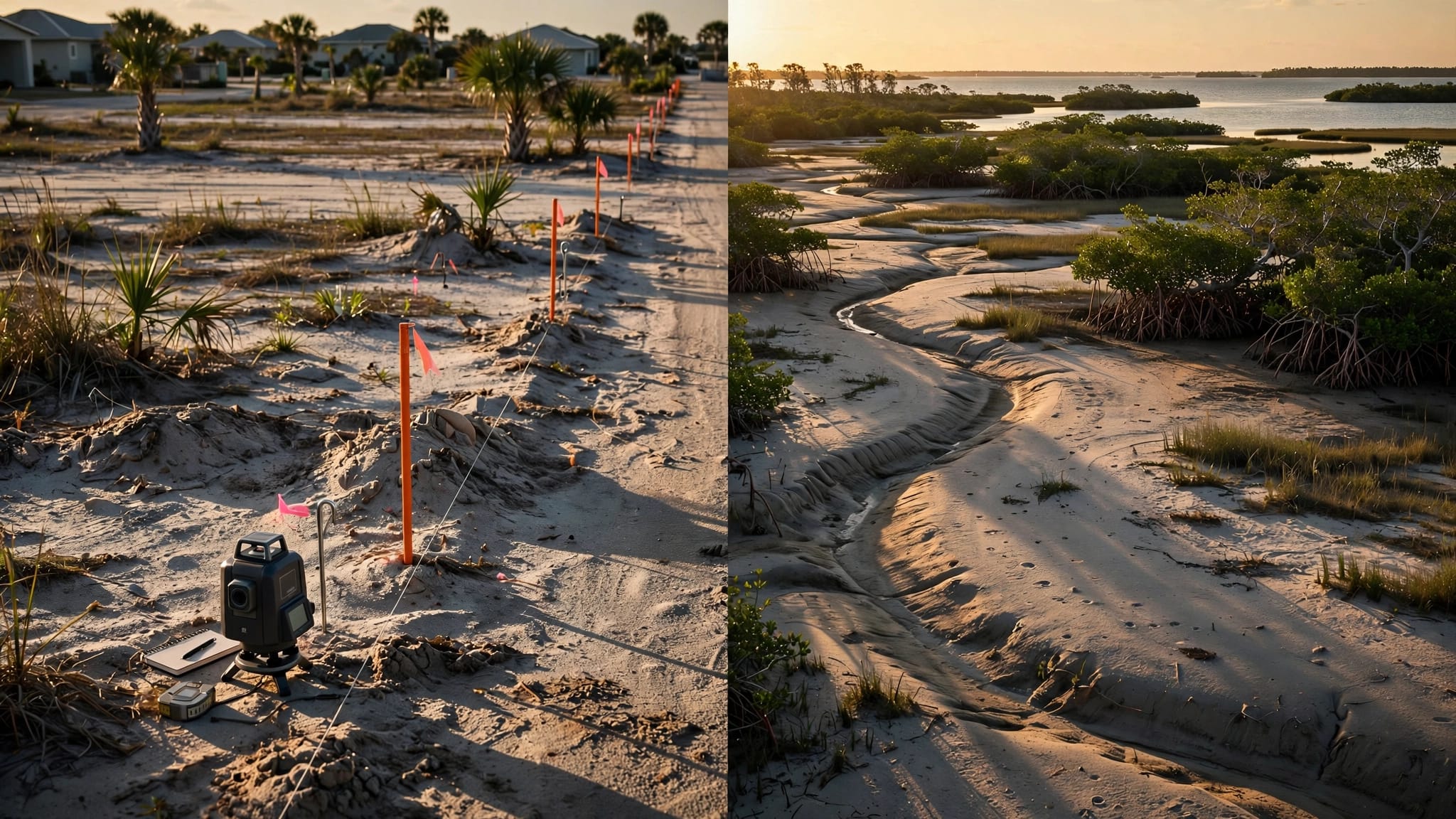
Southwest Florida adds layers that many other markets do not. Wind mitigation rules often affect the roof, openings, and structural tie-in details. Flood zones can change elevation work, foundation needs, and the scope of engineering. Coastal homes may also need stronger window and door specs, which pushes plan detail higher.
Older homes bring another wrinkle. Many houses in Cape Coral, Fort Myers, and older parts of Naples have missing or outdated records. When that happens, the team may need as-built documentation before the design can move forward. That means field measurements, site verification, and extra coordination before a permit set is even complete.
Condos and HOA communities add a different kind of cost. You may need separate architectural sheets, association submittals, revisions for rules on exterior changes, and sign-off before the city ever sees the plans. That time matters, because each round of review can add drafting hours.
If your home sits near the water, assume the plan budget needs room for more than basic drafting. Coastal code work is rarely just about appearance. It is about showing that the project stands up to local conditions.
Why kitchens, bathrooms, and additions cost differently
Every remodel type asks for a different level of detail. A kitchen may need layout, cabinet, electrical, lighting, plumbing, and appliance notes. A bathroom often needs waterproofing, venting, fixture spacing, and clear wall details. An addition usually needs all of that plus structural tie-in drawings and a cleaner paper trail for the permit office.
If your project starts with the heart of the home, custom kitchen design services usually need fast decisions on layout and utility changes. A simple cabinet swap costs less to plan than a full kitchen rework that moves plumbing or opens a wall.
Bathrooms look smaller, but they can be detail-heavy. Bathroom remodeling services often need moisture control details, shower specs, and tight dimension work. A few inches can make the difference between a clean permit and a round of revisions.
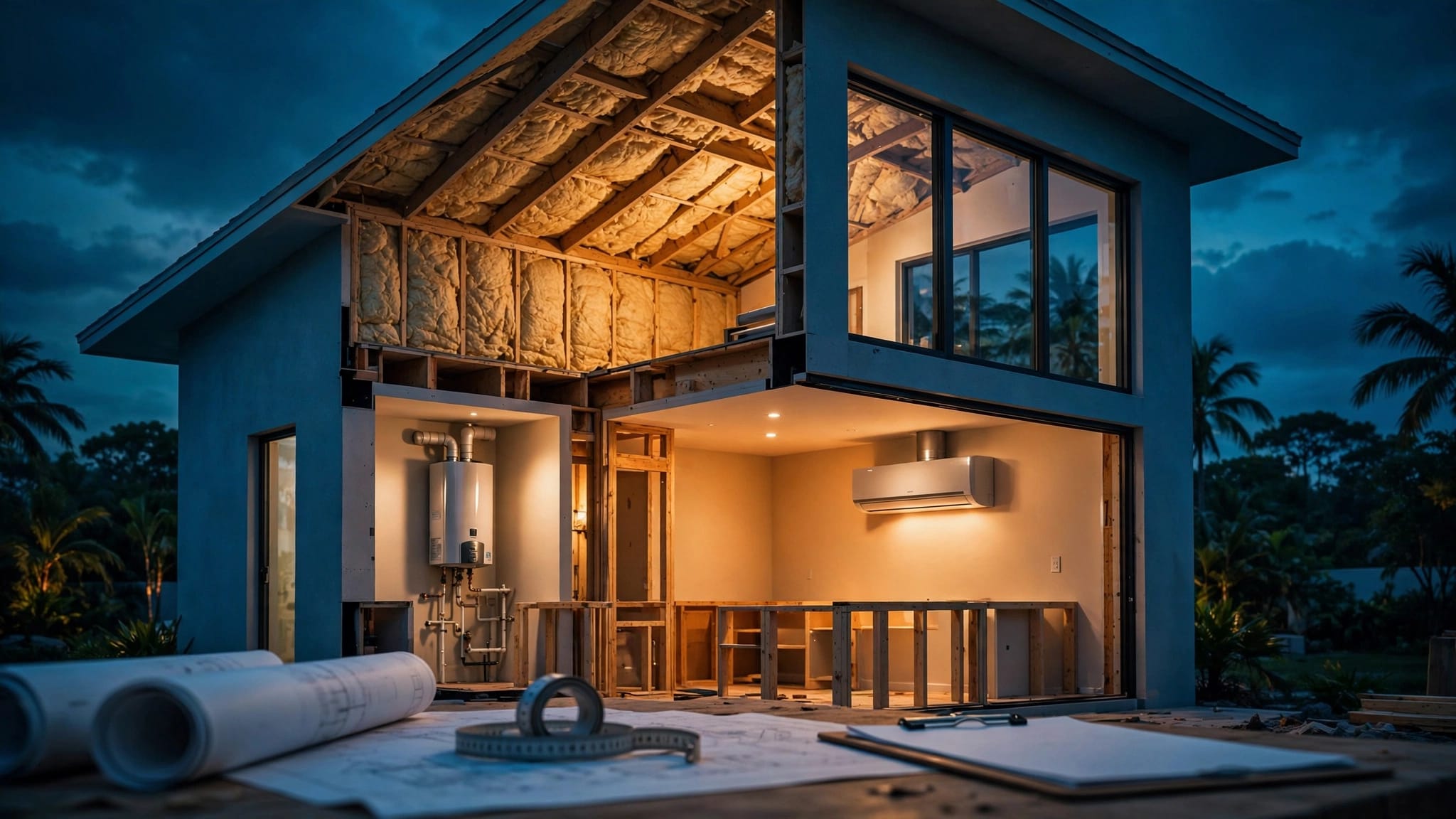
Room additions are in another category. Professional room addition services often require structural plans, roof tie-in details, foundation notes, and more time with the local reviewer. The bigger the addition, the more the plan set starts acting like a full construction file instead of a simple remodel packet.
That is why two projects with the same construction budget can have very different plan fees. One is mostly finish work. The other changes how the house is built.
How to budget without getting caught off guard
The easiest way to budget is to treat plan costs as part of the full project, not a separate surprise. Start with the scope, then ask what the plan set must include for permit approval. If the home is older, assume as-built work may be needed. If the property is coastal or in a flood zone, expect more engineering.
A smart budget conversation should cover these points:
- Whether the quote includes field measurements and as-built documentation
- How many revision rounds are built into the fee
- Whether engineering is included or billed separately
- Which permit office or HOA reviews the plans
- Whether the scope changes if the contractor finds hidden conditions
That last item matters more than most homeowners expect. Once walls open up, older homes often reveal framing issues, outdated wiring, or past repairs that never made it onto paper. Good plans help you spot those risks earlier.
If you want a local number before you commit to design choices, Get a Free Estimate and compare that estimate against the likely plan needs. A clear onsite look often saves time later, especially when the project includes structure, plumbing changes, or a complicated permit path.
Conclusion
In Southwest Florida, plan fees are never just a paperwork charge. They reflect the amount of detail needed to meet code, pass review, and keep the remodel on track.
A small interior update may stay near the lower end of the range. A coastal remodel, addition, or older-home project can cost much more because the drawings have to do more work. The best budget is the one that leaves room for engineering, revisions, and local approval before construction starts.