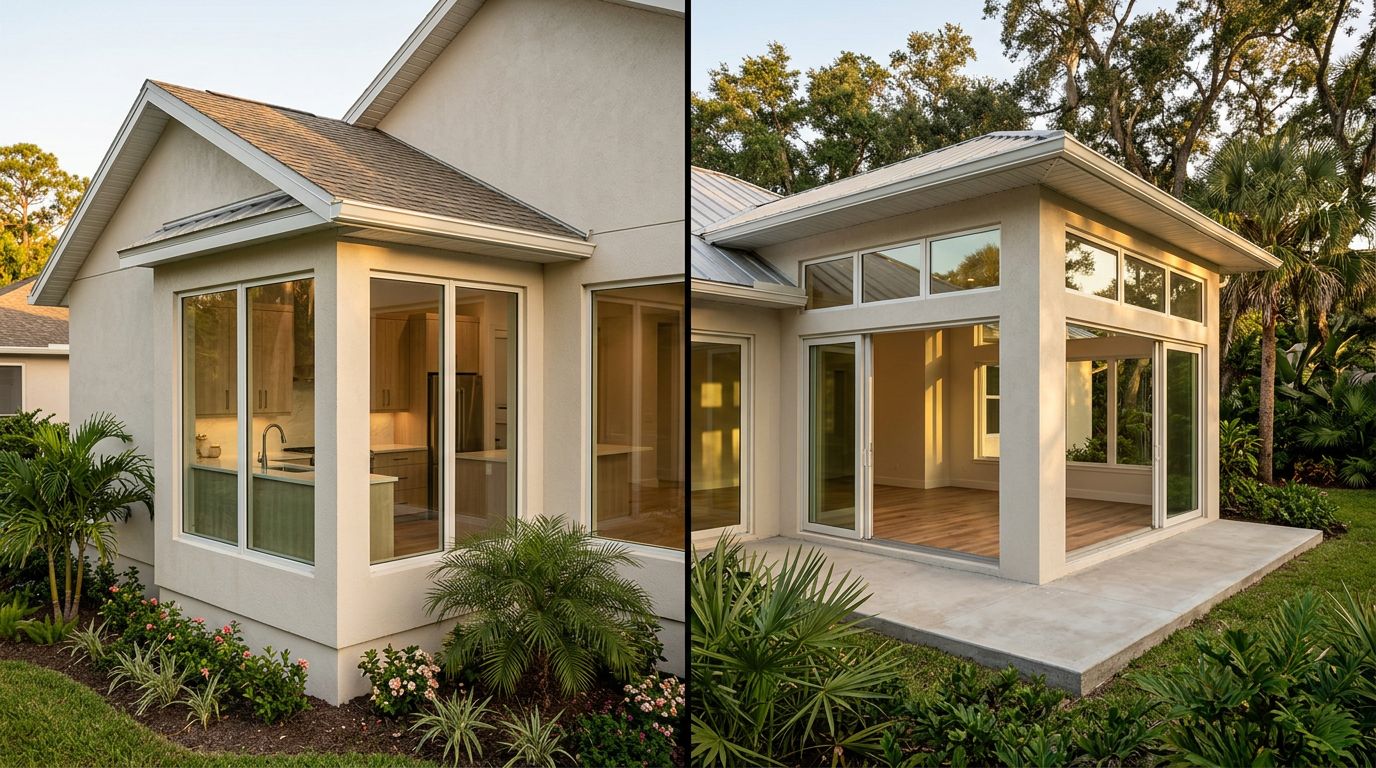
Mold Remediation Costs Before Remodeling in Southwest Florida
A remodel budget can jump the moment mold shows up behind a vanity, cabinet, or shower wall. In Southwest Florida, that is common enough to plan for, especially in homes with past leaks, storm damage, or long stretches of humidity.
If you wait until demo day, you may pay twice for the same wall, floor, or trim. The smarter move is to understand the mold remediation cost first, then build the remodel around clean, dry materials. Here is what homeowners should expect in 2026.
Why mold should be handled before the remodel
Mold belongs at the front of the project, not the middle of it. Once you start removing tile, drywall, or cabinets, you can spread contaminated dust into clean areas and slow the job down.
That matters even more in coastal Southwest Florida. Homes in Cape Coral, Fort Myers, Naples, Punta Gorda, and Sanibel often deal with humidity, roof leaks, AC drain issues, plumbing drips, and shower leaks that stay hidden for months.
A remodel is the right time to fix the problem because the walls are already opening. If the moisture source stays active, new finishes can fail fast. Fresh paint on a wet wall is like putting a lid on a leaky bucket.
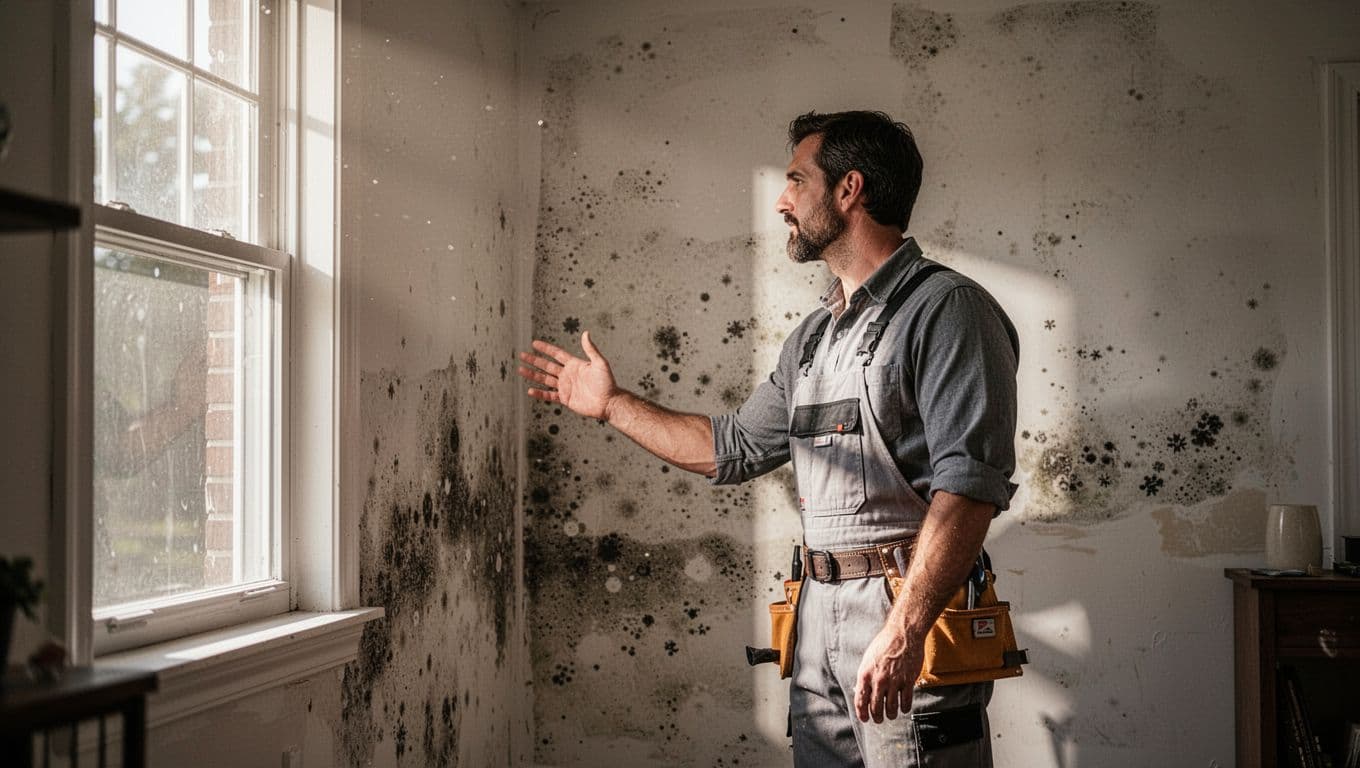
When mold is found before remodel work begins, the crew can contain the area, remove damaged materials, and verify that the space is dry. That keeps the new kitchen, bath, or addition from starting on top of a hidden problem.
Mold remediation cost in Southwest Florida in 2026
For many remodeling projects in Southwest Florida, typical mold remediation lands around $3,000 to $6,000 in 2026. Smaller jobs may cost far less, while large or widespread problems can climb much higher.
A quick price range helps set expectations:
| Job size | Typical 2026 cost | What it usually means |
|---|---|---|
| Small area | $500 to $1,500 | One tight spot, limited material removal, easy access |
| Single room | $1,500 to $4,000 | One bath, closet, or cabinet run with controlled containment |
| Remodel-related job | $3,000 to $6,000 | Hidden moisture in kitchens, baths, or laundry areas |
| Large or severe job | $10,000 to $30,000+ | Multiple rooms, deeper demo, longer drying, more labor |
Most remodel-related jobs land in the middle of that range because they involve more than surface cleaning. Crews may need to remove drywall, insulation, trim, or cabinets before the room is ready for rebuild work.
A rough square-foot rule often falls around $10 to $25 per square foot , and sometimes $10 to $30+ per square foot in Florida. That number is only a starting point, though. Access, labor, containment, and material removal change the final bill fast.
A small quote can look harmless until the wall opens. The real price depends on what the demolition reveals.
What pushes the price up or down
The first cost driver is the moisture source. If a leak is easy to find and fix, the job usually stays smaller. If the problem comes from behind a shower wall, under a slab, or inside a cabinet run, the work takes longer.
Access matters too. A mold patch in an open closet costs less than damage behind built-ins, tile, or a cramped vanity. The harder it is to reach, the more labor the job needs.
Containment also affects the bill. Crews may need plastic barriers, sealed work zones, and negative air equipment to keep dust from moving through the house. That setup takes time, but it protects the rest of the remodel.
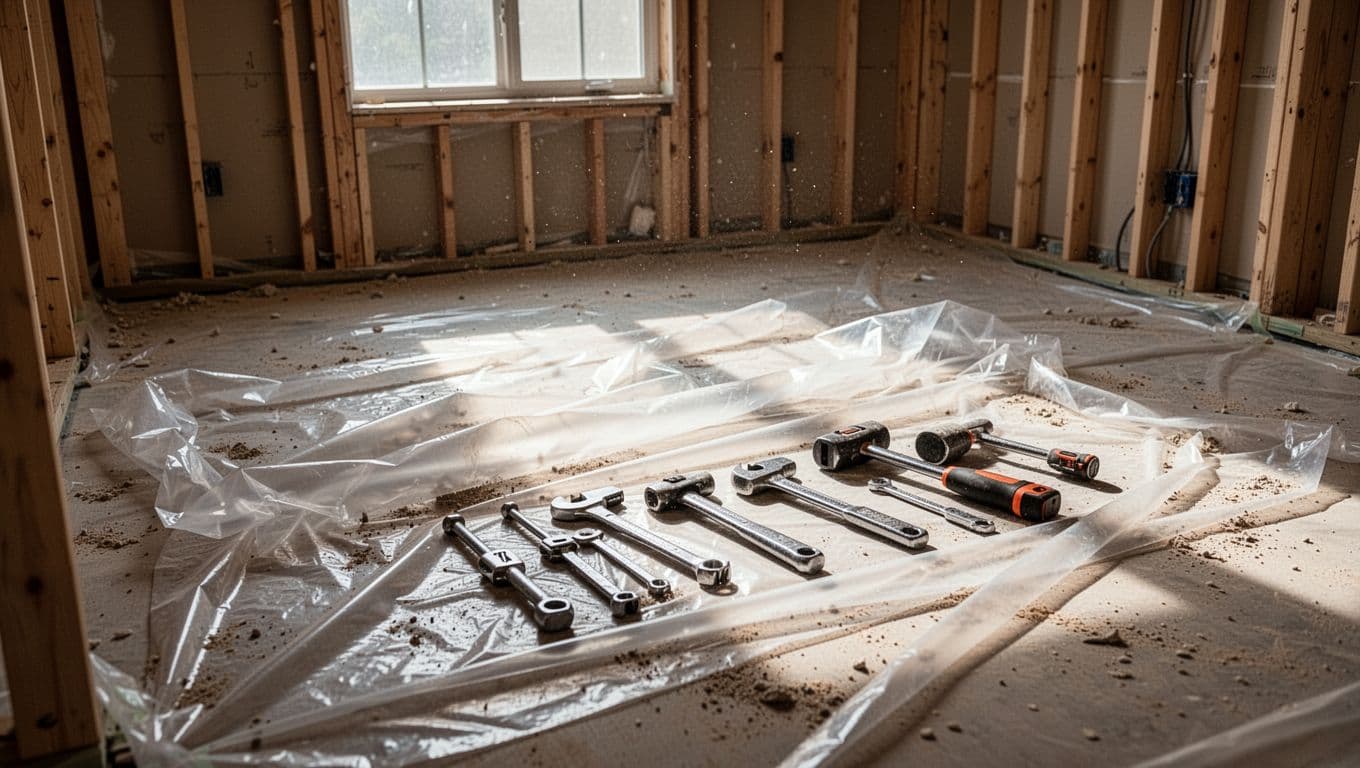
Material removal can change the math quickly. A few square feet of drywall is one thing. Wet subfloor, insulation, or cabinet boxes are another. Once framing or sheathing is affected, the project can move from a simple cleanup to a larger rebuild.
Clearance testing, when required, adds another line item. So does any work needed to correct the cause, such as plumbing, roofing, or HVAC repair. Those repairs are separate from remediation, even though they are part of the bigger fix.
What remediation usually includes, and what it doesn't
A standard remediation scope often includes a few core steps. First, the crew isolates the work area. Then it removes damaged materials and cleans nearby surfaces.
Common items in the scope are:
- Containment with plastic barriers, sealing, and dust control.
- Removal of affected drywall, insulation, trim, or cabinetry.
- HEPA vacuuming and cleaning of exposed surfaces.
- Drying the area after the moisture source is addressed.
- Clearance testing, when the project calls for it.
What it usually does not include is the rebuild. New drywall, paint, cabinets, tile, countertops, flooring, and trim are usually separate from the remediation invoice.
That split matters during remodeling. A homeowner may think one budget covers everything, then discover the cleanup and the finish work are priced apart. It is normal. It also helps the remodel stay clear and accountable.
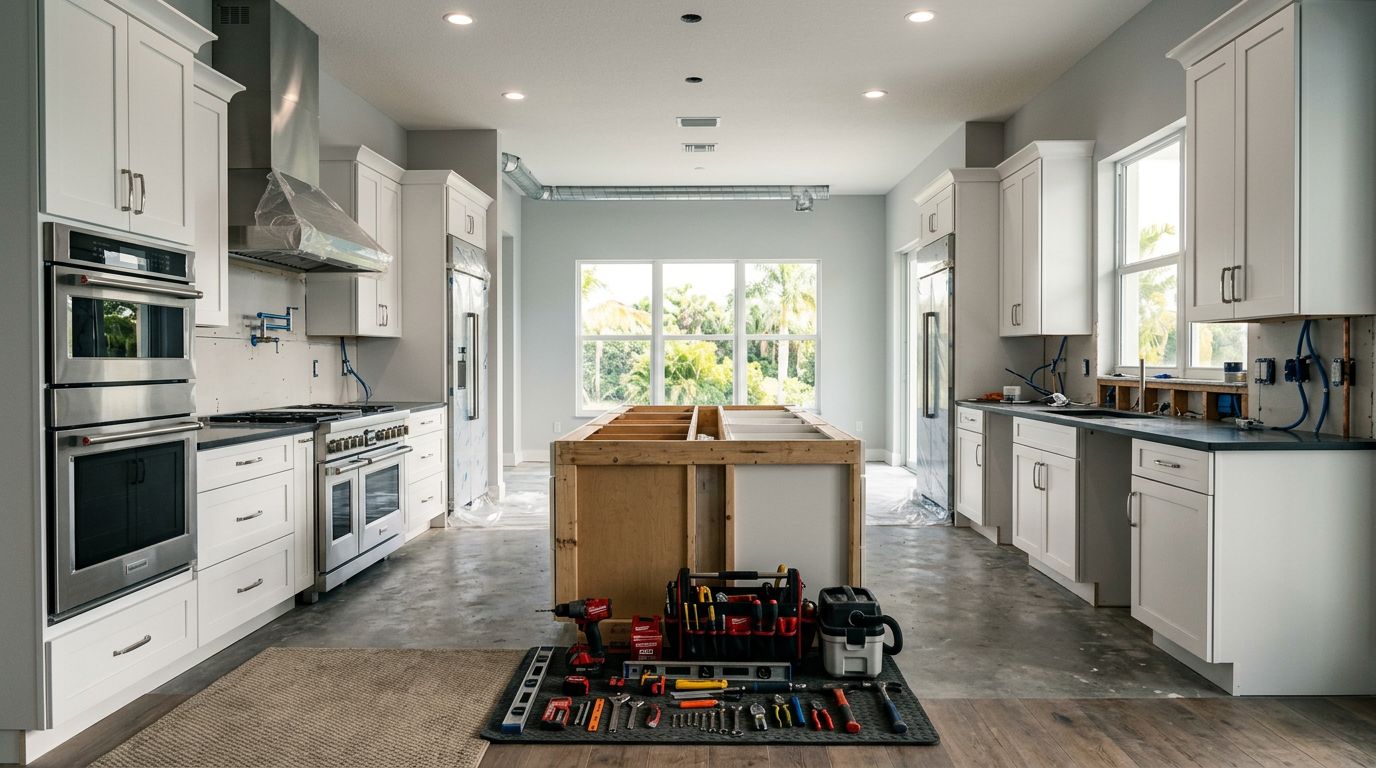
If the issue is in a bathroom, the demolition may uncover damaged wall board behind tile or around a tub. If it is in a kitchen, the affected area may sit behind base cabinets or under a sink. In those cases, bathroom remodeling services or kitchen remodeling services may need to pause until the space is dry and ready.
When demolition changes the plan
A lot of mold problems do not show their full size until demo begins. The wall may look fine from the outside, then reveal wet insulation, rotten backing, or hidden staining once the tile or cabinet is gone.
That is why remodel budgets in Southwest Florida need some breathing room. A shower leak can stay trapped behind tile for years. A slow sink leak can spread under a vanity. A roof or window leak can travel along framing and show up far from the source.
When that happens, the project may expand. More drywall comes out. More drying time is needed. Sometimes the scope reaches subflooring, framing, or adjacent rooms. The earlier the issue is caught, the smaller the ripple effect.
Most homeowners do better with a clear starting scope and a small cushion for hidden damage. That is far easier than trying to force a finish schedule over a wet wall.
Planning a kitchen or bath remodel around mold
The best remodel plans start with a close look at the areas most likely to hide moisture. Kitchens, bathrooms, laundry rooms, and window walls deserve extra attention because they hold plumbing, splash zones, and frequent temperature changes.
If a contractor finds suspicious staining, soft drywall, or a musty odor, the price should reflect that before cabinets or tile are ordered. That keeps the remodel from stalling halfway through. It also helps the new materials go in over a dry base.
For homeowners comparing bids, a useful estimate should spell out the inspection findings, moisture source correction, access, material removal, containment, labor, and clearance testing. Those details matter more than a single low number.
If your project is moving forward now, Get a Free Estimate before demolition starts. A site visit gives you a clearer budget for both the remediation and the remodel that follows.
Conclusion
Mold can turn a remodel into a bigger job, but it does not have to derail the plan. In Southwest Florida, the safest budget starts with a real look at what is behind the wall, not just what shows on the surface.
The most useful number is not the cheapest one. It is the one that covers the hidden damage, fixes the moisture source, and leaves the space ready for a clean rebuild.