Permit Costs for Southwest Florida Remodels in 2026
A remodel can look simple until the permit line shows up. Then a new kitchen, bath, or room addition starts feeling more expensive than planned.
In Southwest Florida, permit costs shift with the city, the county, and the scope of work. A cosmetic update can stay light, while a project that touches plumbing, electrical, or structure can move fast and cost more.
A new Florida law taking effect July 1, 2026, also changes the picture for some smaller residential projects. Still, most serious remodels will need local review, so the first move is knowing which rules apply to your home.
What permits mean for a 2026 remodel
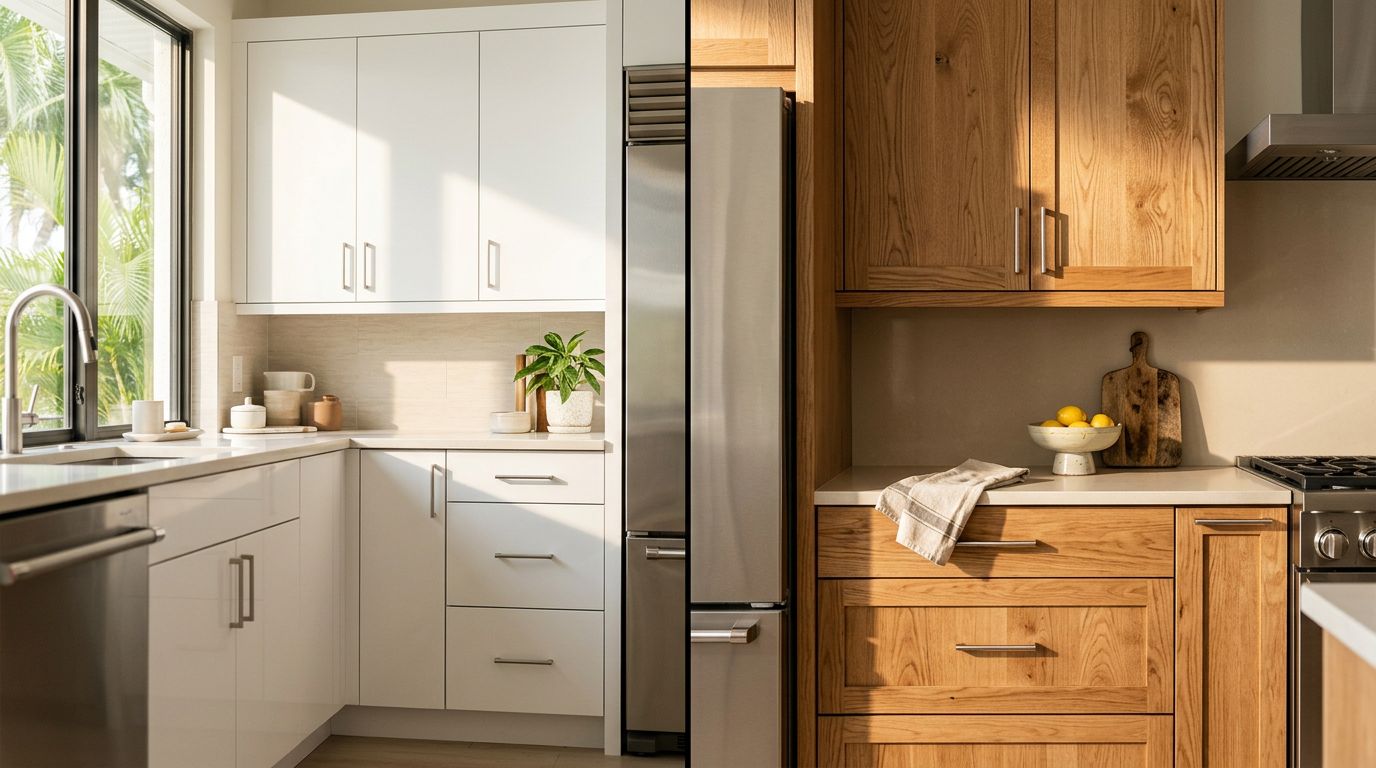
Permit rules are tighter than many homeowners expect. A paint job or cabinet swap may stay simple, but once walls move or a trade changes, the job usually enters permit territory.
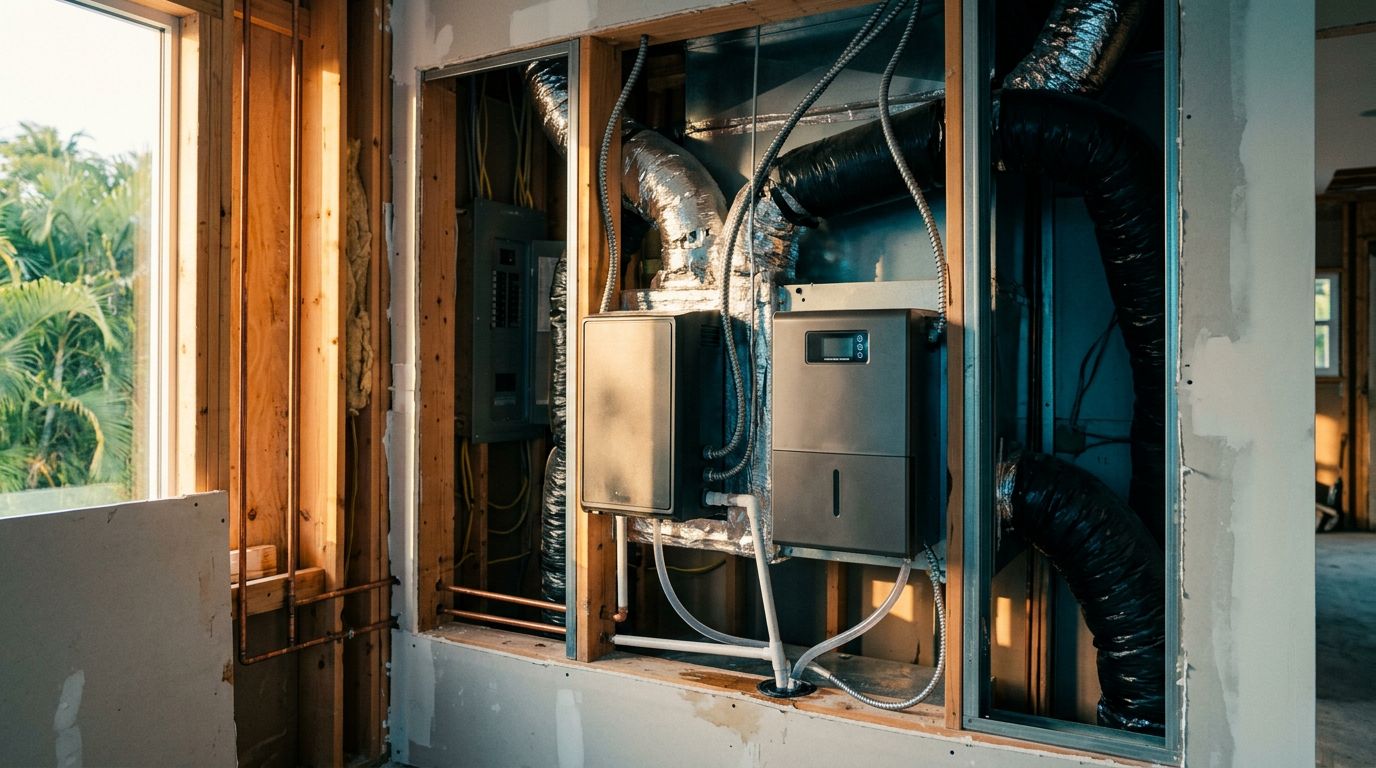
In 2026, many Southwest Florida jobs still need review by the city or county building department. That includes work tied to electrical, plumbing, HVAC, structural framing, roofs, and flood hazard areas.
The new state exemption matters, but it has limits. It applies to many residential projects under $7,500 that are non-structural and cosmetic, such as painting, flooring, drywall finishing, and some cabinetry work. Even then, some local governments require a written request for exemption.
If a remodel touches a trade system, a wall, or a flood zone, expect permit questions.
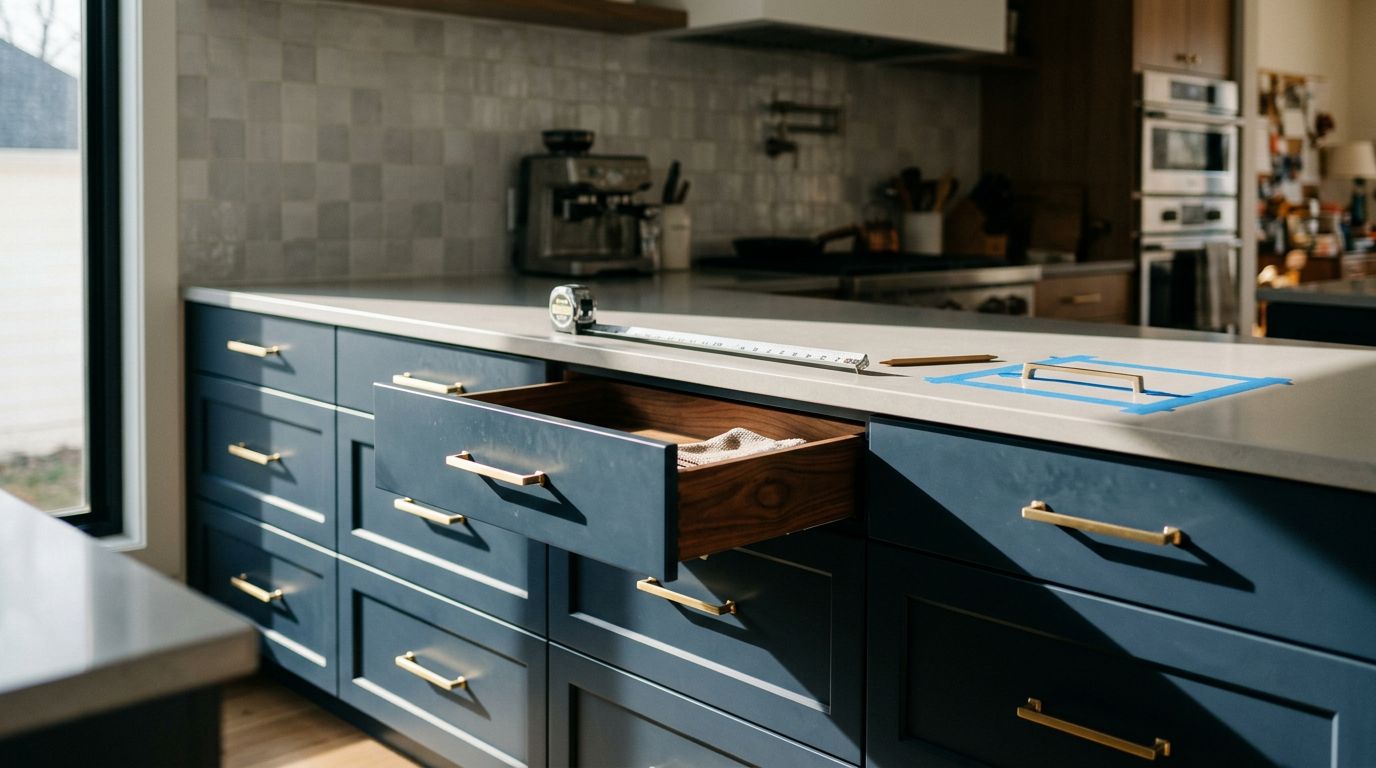
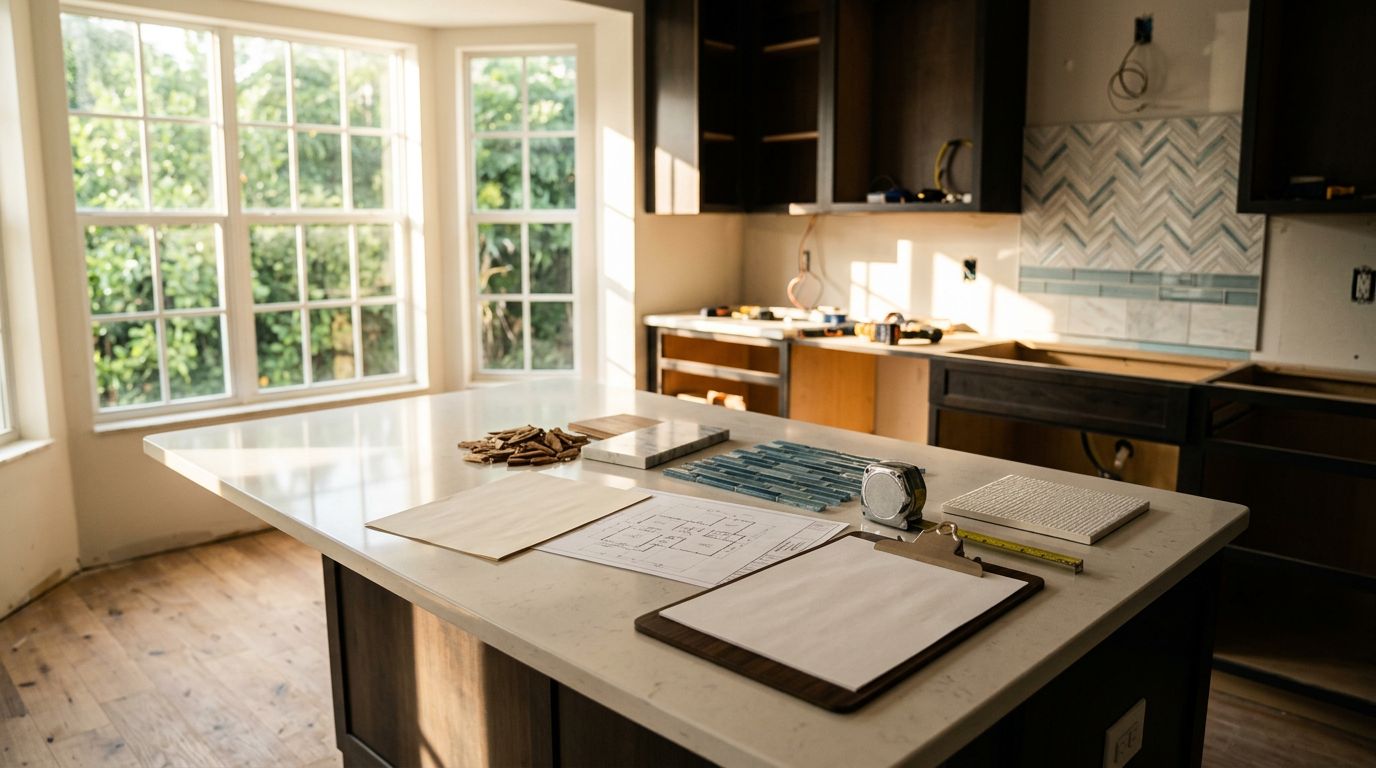
For a kitchen project, that line gets crossed fast. A professional kitchen remodeling services page is a good reminder of how quickly a simple update can turn into a full permit package.

What Southwest Florida permit costs usually look like
Southwest Florida permit costs are not one-size-fits-all. A small interior update may stay near the lower end, while a multi-trade remodel can climb quickly.
Here's a practical planning range for 2026. These are typical ranges , not fixed government fees, and they can change by municipality and project type.
| Project type | Typical 2026 permit outlay | Common use |
|---|---|---|
| Basic filing and tracking | $500 to $1,000 | Small repairs, simple remodels |
| Single trade permit | $400+ per trade | Electrical, plumbing, HVAC, roofing |
| Multi-trade remodel | $900 to $1,500+ | Kitchens, bath remodels, larger interior changes |
| Complex or rush handling | $1,500 to $3,000+ | Revisions, tight schedules, heavier review |
Most homeowners also run into a second layer of cost. City fees, plan review fees, and service charges can each show up on the final bill. In many cases, the total permit-related amount lands between 0.5% and 2% of the project cost .
That range can be lower for a straightforward cosmetic job. It can be higher when the plan needs engineering, multiple revisions, or extra inspections.
What pushes the price up
The biggest cost driver is scope. A small bath refresh is one thing. A layout change that moves plumbing and framing is another.
A few details tend to raise permit costs fast:
- Municipality : Cape Coral, Fort Myers, Naples, Punta Gorda, Lee County, and Sanibel may all use different fee schedules and review steps.
- Valuation : Many permit fees rise with the declared cost of the work.
- Square footage : Bigger remodels often trigger more review and more inspection points.
- Trade permits : Electrical, plumbing, HVAC, roofing, and gas work often need separate permits.
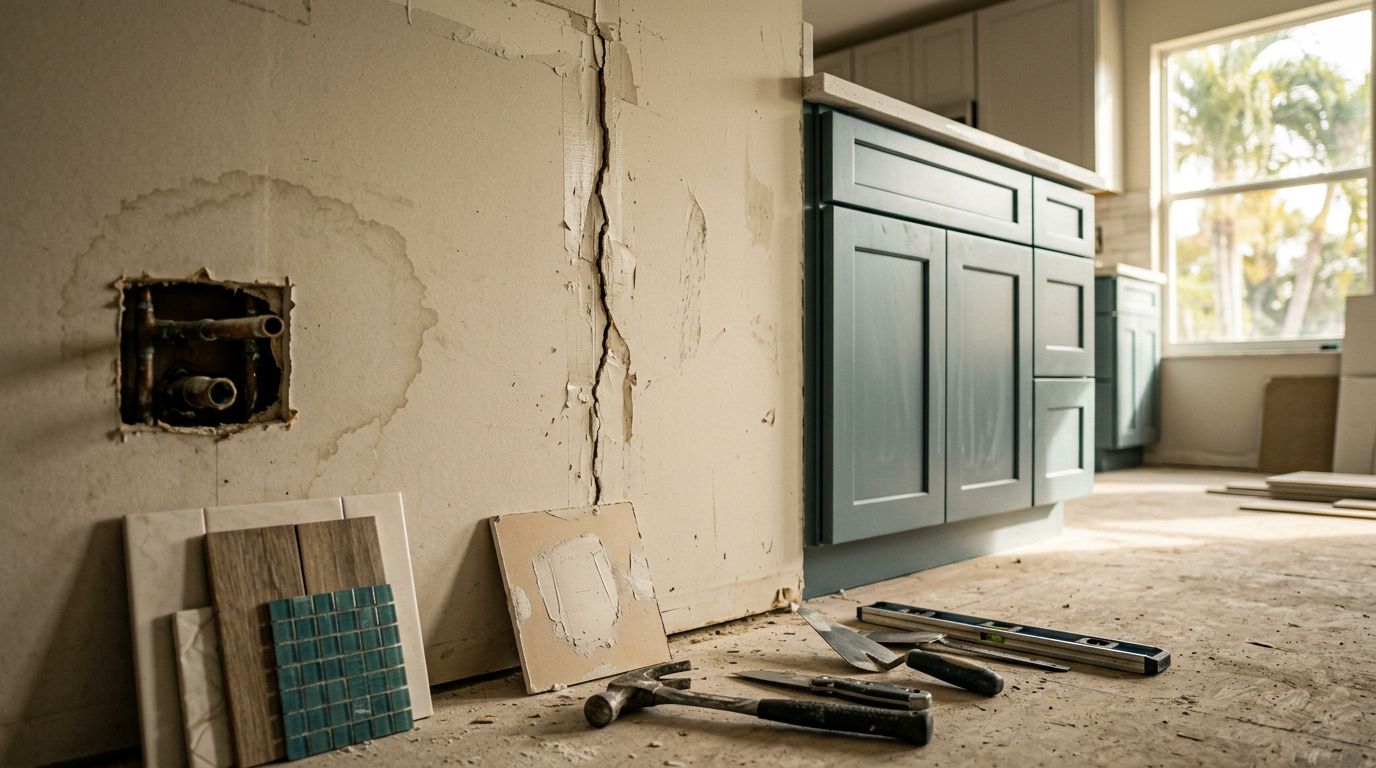
- Structural changes : Removing a wall, changing roof lines, or opening a foundation-related issue usually adds review time and cost.
- Flood zone status : Homes in FEMA flood areas face extra checks, and the rules can get strict fast.
- Plan quality : Incomplete drawings or missing engineering can lead to re-submittal fees.
If you're planning a bigger build, professional room addition contractors usually deal with those cost drivers early, before the paperwork gets messy.

A simple example helps. A cabinet-only refresh may need little more than a basic filing, if anything at all. A kitchen that moves plumbing, opens a wall, and adds new electrical circuits can trigger several permits in the same project.
That's why the permit line on a remodel estimate should never be a guess. It should be broken out by trade and tied to the actual scope.
Hidden permit-related expenses homeowners miss
The permit fee itself is only part of the story. Several smaller charges can hide in the background and show up late.
Plan review fees are one of the most common surprises. So are revision fees when drawings need to be corrected. If a project gets submitted, rejected, and resubmitted, the clock and the cost both move.
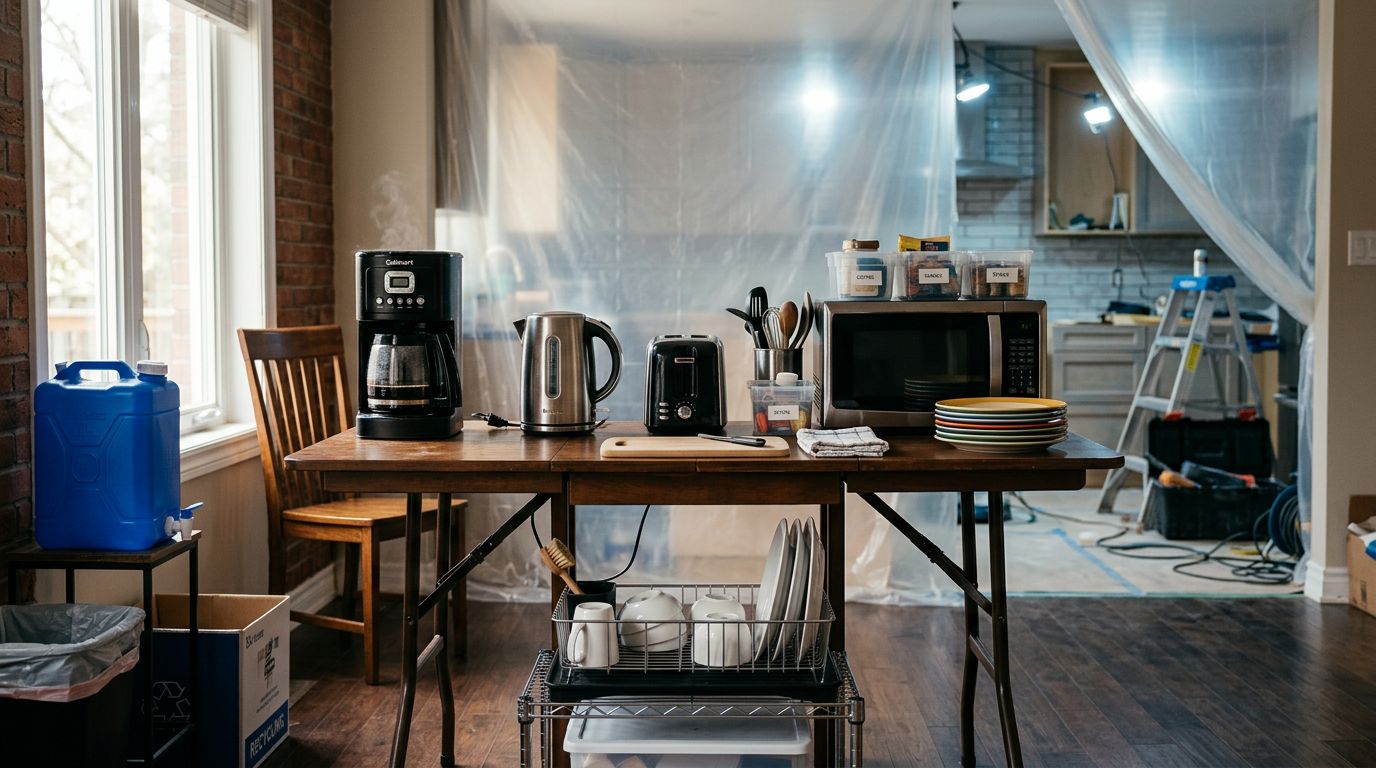
Inspection delays can also add cost. A missed inspection may push the schedule, and a pushed schedule can create labor overruns. That matters on tight remodels where one trade has to wait on another.
In some jurisdictions, private provider review may lower permit fees by 25% to 50%. However, the provider fee is still separate, so the total savings are not automatic.
For additions, another issue comes into play. Impact fees are usually tied to new development, and they are often collected when the permit is issued. If your remodel adds square footage or changes the load on utilities, ask the building department whether any similar charges apply.
Why timelines matter as much as fees
A permit that looks affordable can still cost more if it takes too long. Time is money in remodeling, and permit delays can hold up demolition, material delivery, and inspections.
Many multi-trade projects in Southwest Florida take 4 to 12 weeks for review. Smaller jobs may move faster, but only if the paperwork is clean and the scope is clear.
Delays usually come from familiar mistakes:
- The plans don't match the work.
- A trade permit is missing.
- The property is in a flood zone and extra documents are needed.
- The contractor changes the scope after filing.
- The inspection is missed or fails.

The safest way to protect your budget is to assume the permit process will take longer than you want. Then build your schedule around that reality, not the other way around.
Budgeting the smart way before you remodel
A good permit budget starts with a local check. Before you lock in numbers, call the city or county building department and confirm the current rules for your address.
That step matters because permit rules vary by municipality, square footage, valuation, trade permits, and scope of work. A project in Cape Coral can follow a different path than one in Naples or Sanibel.
After that, ask for a line-item estimate that separates construction, permit fees, plan review, and inspections. If you are comparing kitchen, bath, or addition proposals, that breakdown makes differences easier to spot.
A clear estimate also helps you decide whether a project fits the exemption rules. If the work is under the current threshold and stays cosmetic, the paperwork may be lighter. If not, you can still budget with fewer surprises.
When you want a better handle on the numbers, Get a Free Estimate before you commit to the full remodel plan. It's the fastest way to see whether your project is heading toward a simple filing or a full permit package.
Conclusion
Permit costs for Southwest Florida remodels in 2026 depend on far more than a fee schedule. The real number comes from your municipality, your valuation, your square footage, and how many trades your project touches.
A small cosmetic job may stay modest. A kitchen, bath, or room addition can bring in plan review, trade permits, revisions, and inspection delays that push the budget higher.
The best move is simple: confirm the rules with your city or county before you set your remodel budget. That one call can save time, money, and a lot of frustration once the work starts.