How Long Does a Room Addition Take in Southwest Florida
How long does a room addition take in Southwest Florida? The honest answer depends on design, permits, weather, and how much of the existing home gets touched.
For a straightforward project, the full schedule often lands around 2 to 4 months when approvals move smoothly. Larger additions, coastal properties, and projects with structural changes can stretch to 3 to 5 months or more.
That range surprises many homeowners because the visible construction is only part of the job. Permit review, inspections, and material lead times can add weeks before the first wall goes up. Here's what a realistic room addition timeline looks like in this part of Florida.
Typical room addition timeline in Southwest Florida
A single-room addition usually moves faster than a multi-room expansion or second-story build. The more the project changes the roofline, foundation, or mechanical systems, the more time it takes.
The table below shows a common schedule for a well-planned project.
| Stage | Typical time | What affects it |
|---|---|---|
| Planning and design | 2 to 6 weeks | Scope, drawings, and finish choices |
| Permits and approvals | 2 to 8+ weeks | Municipal review, revisions, and inspections |
| Site prep and foundation | 1 to 3 weeks | Soil, access, and existing structure |
| Framing and dry-in | 2 to 4 weeks | Roof tie-ins, windows, and weather |
| Rough-ins and inspections | 2 to 4 weeks | Electrical, plumbing, HVAC, and rechecks |
| Insulation, drywall, and finishes | 3 to 6 weeks | Tile, trim, paint, and flooring |
| Punch list and final sign-off | 1 to 2 weeks | Small fixes and final inspections |
Those phases often overlap. A contractor may order materials while drawings are still in review, and some inspections happen the same week work finishes. Even so, the front end usually takes the longest because it depends on decisions, paperwork, and local approval.
What happens before construction starts
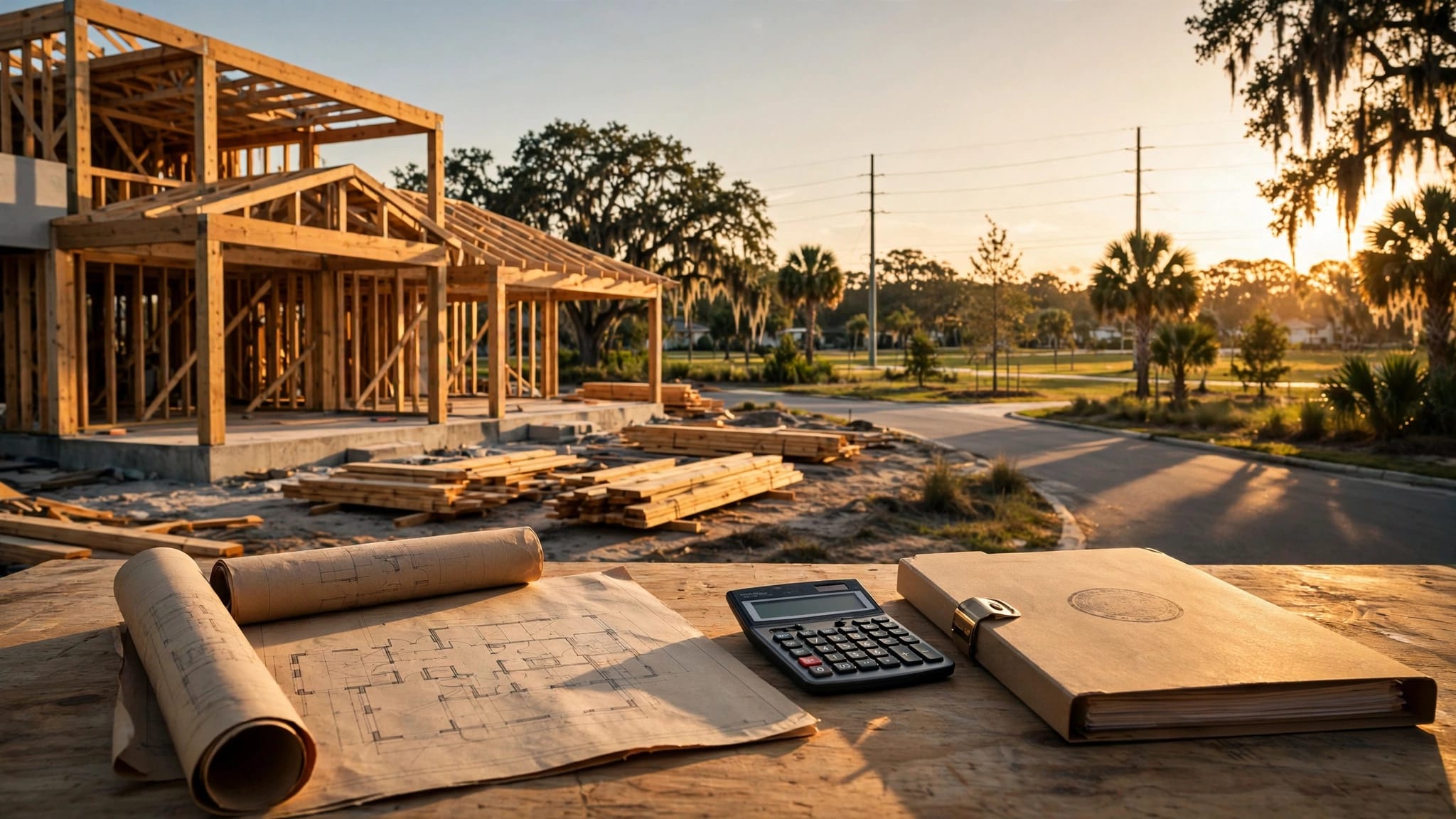
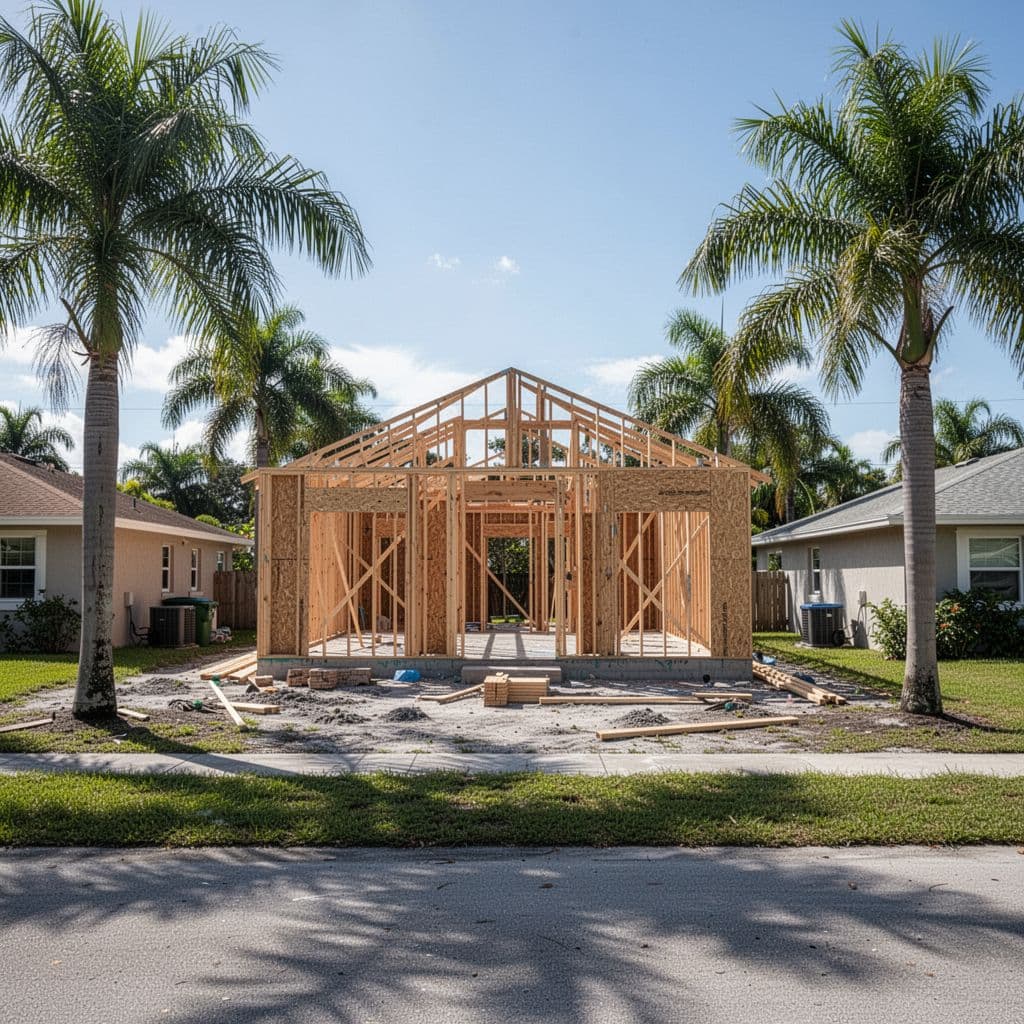
Before the first crew arrives, the team measures the house, studies the structure, and confirms how the new room connects to the old one. That is where scope gets defined, and it matters more than most homeowners expect.
If your project includes a bedroom suite, office, den, or expanded living area, a builder who handles custom room addition projects can help keep the design practical. Early planning usually takes 2 to 6 weeks, but it can be shorter when the layout is simple and selections are ready.
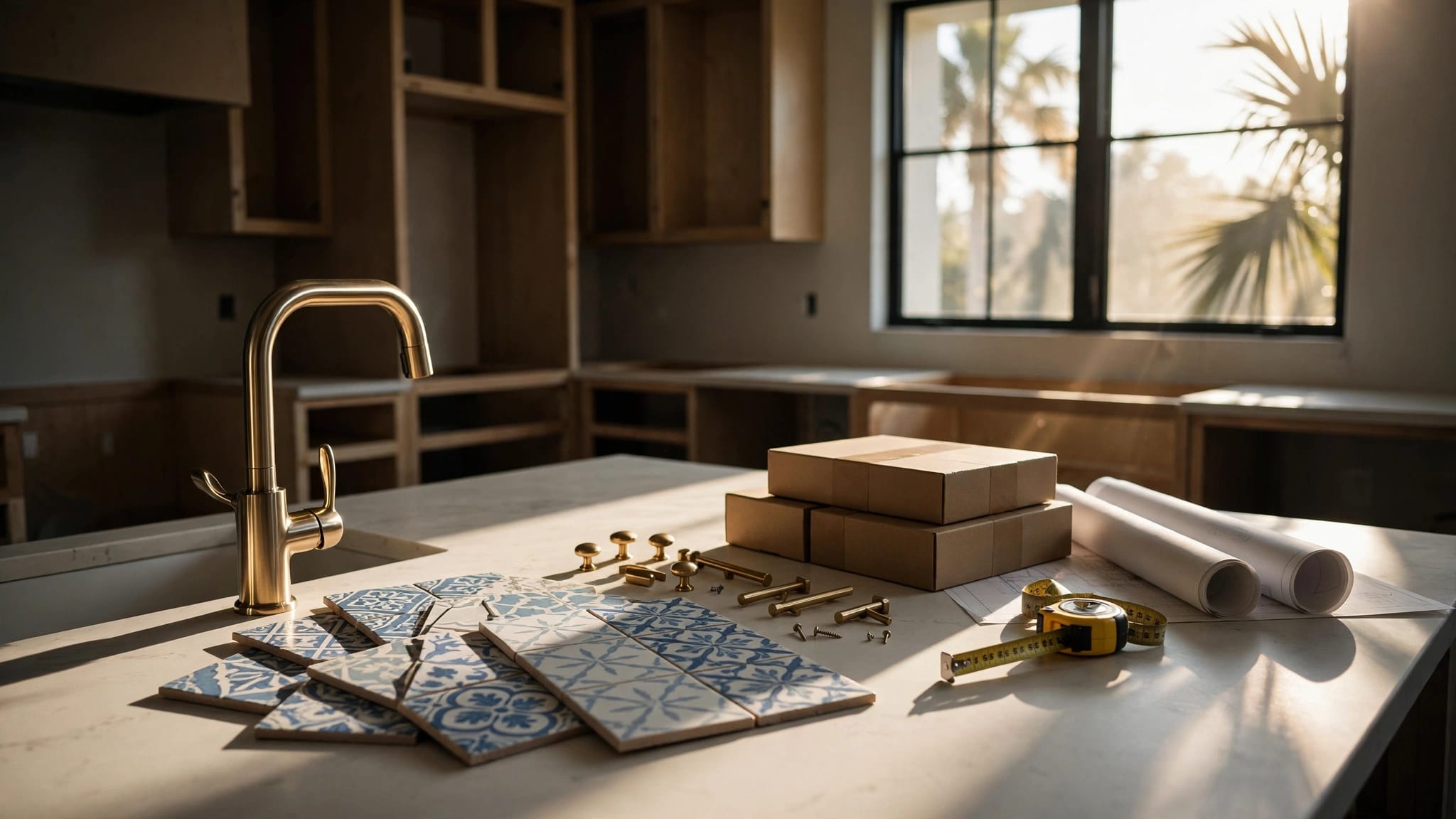
Finishes can slow things down when choices stay open. Window styles, door swings, tile, flooring, cabinets, and trim all affect the final drawings. The sooner those decisions are made, the sooner the permit package can move.
A clear scope also helps you get a budget and schedule you can trust. If you want a starting point before drawings are finalized, Get a Free Estimate and compare that number against your goals.
Permits, hurricane code, and inspections in Southwest Florida
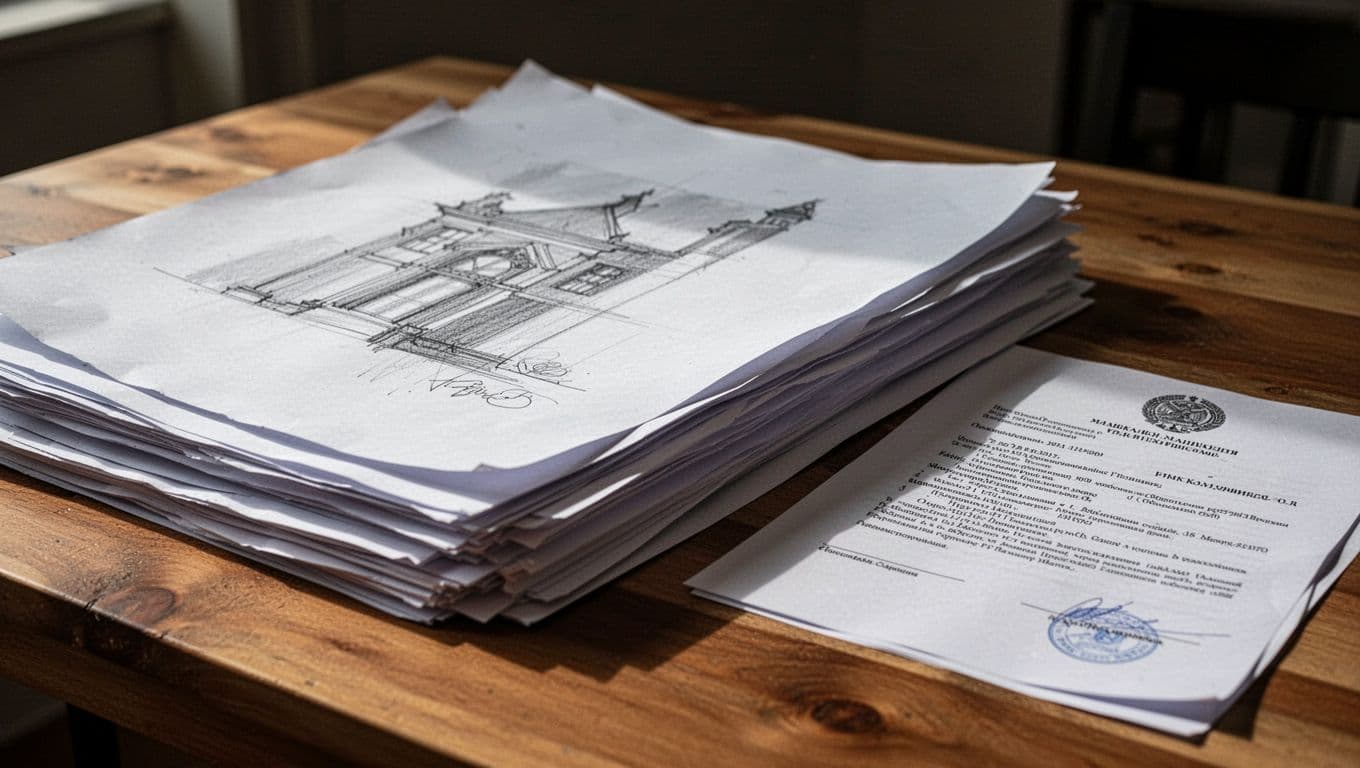
Permits are where many room addition timelines stretch. Across Cape Coral, Fort Myers, Naples, Punta Gorda, Sanibel, and nearby communities, review times can differ from one office to another. A permit can move in a few weeks, or it can wait longer when drawings need revisions.
A room addition can be ready for framing long before it is ready for a permit stamp.
Hurricane code compliance is part of the process, and flood zone or coastal requirements can add another round of review. That does not mean the job is stuck. It means the plan has to match the site and the code.
If your home sits near the water or in a flood zone, expect more checks on structure, elevation, and exterior details. Roof tie-ins, window specs, and opening protection often get extra attention too.
Municipal permitting and inspection timing shapes the whole schedule. A rough-in inspection that gets pushed back can hold up insulation, drywall, and trim. In busy seasons, one missed appointment can move the next trade by several days. Good planning helps, but local review timing still sets the pace.
What happens once construction starts
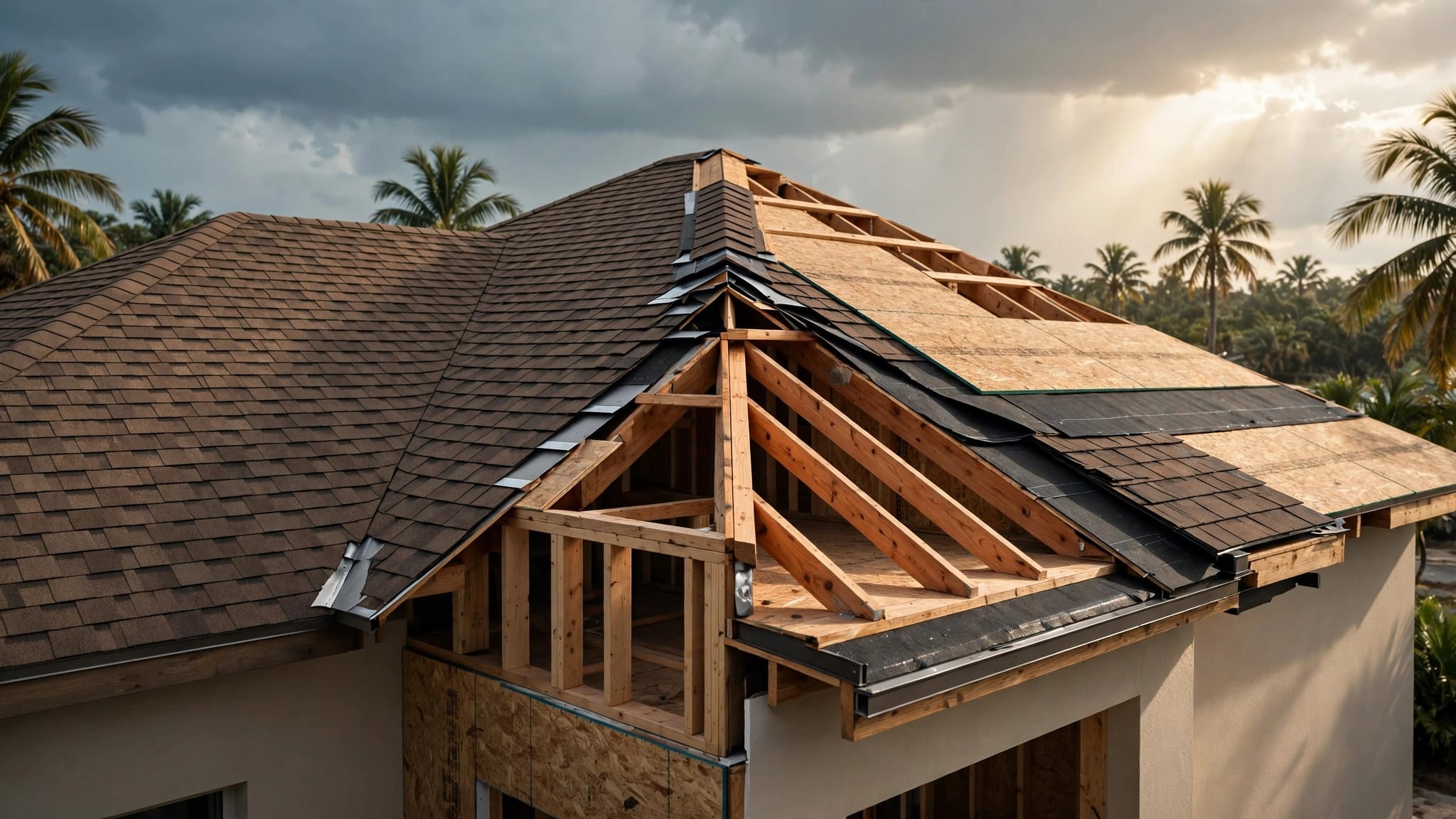
Once the permit is approved and materials are on site, the work moves faster. Site prep and demolition may take only a few days. Framing and roof tie-ins often take 2 to 4 weeks, and then the project shifts to rough electrical, plumbing, and HVAC.
After that, insulation, drywall, paint, flooring, trim, and fixtures finish the space. A simple addition may spend 8 to 12 weeks in active construction. A larger project can take longer, especially if it includes a second story or major roof changes. Those jobs ask more from the structure, so the schedule grows.
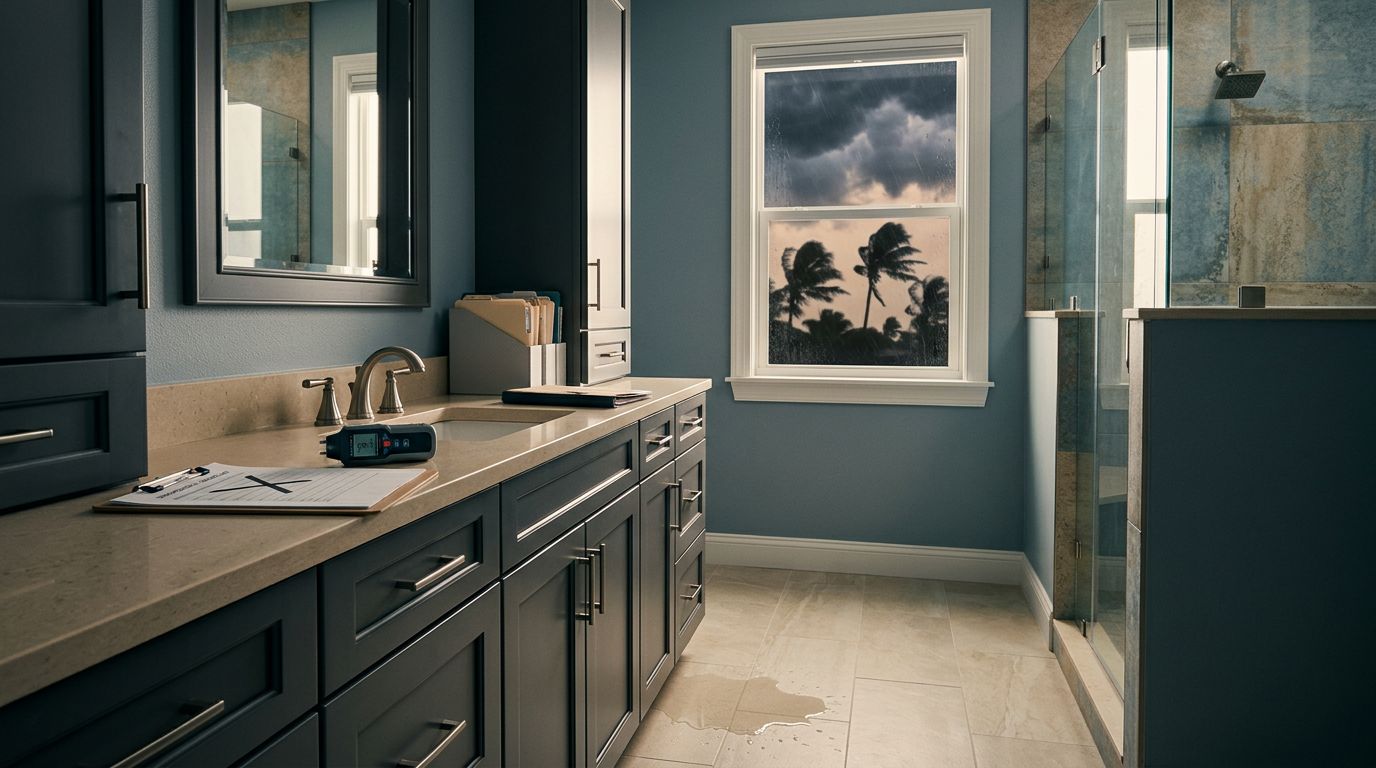
Weather matters here more than many people expect. Southwest Florida summer storms can pause exterior work, and hurricane watches can stop roof tie-ins or window installs. Crews can keep moving inside when possible, but wet weather still leaves a mark on the calendar. Material lead times can do the same, especially for custom windows, specialty doors, or tile orders.
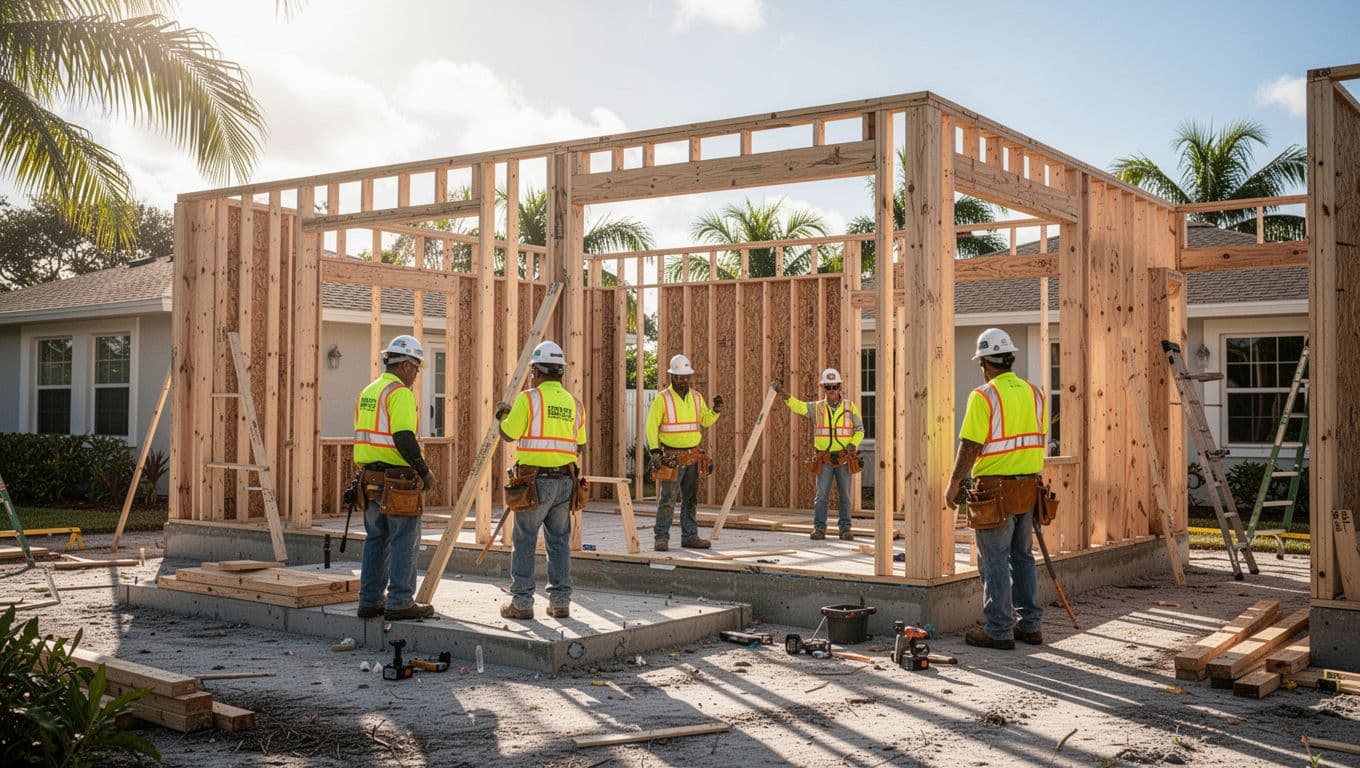
The smoothest projects stay ahead of the next trade. When framing ends on time, the mechanical work starts on time. When the rough inspections pass cleanly, the finish work keeps moving.
What slows a room addition down
Several things can add days or weeks to the schedule.
- Changes after permits are filed.
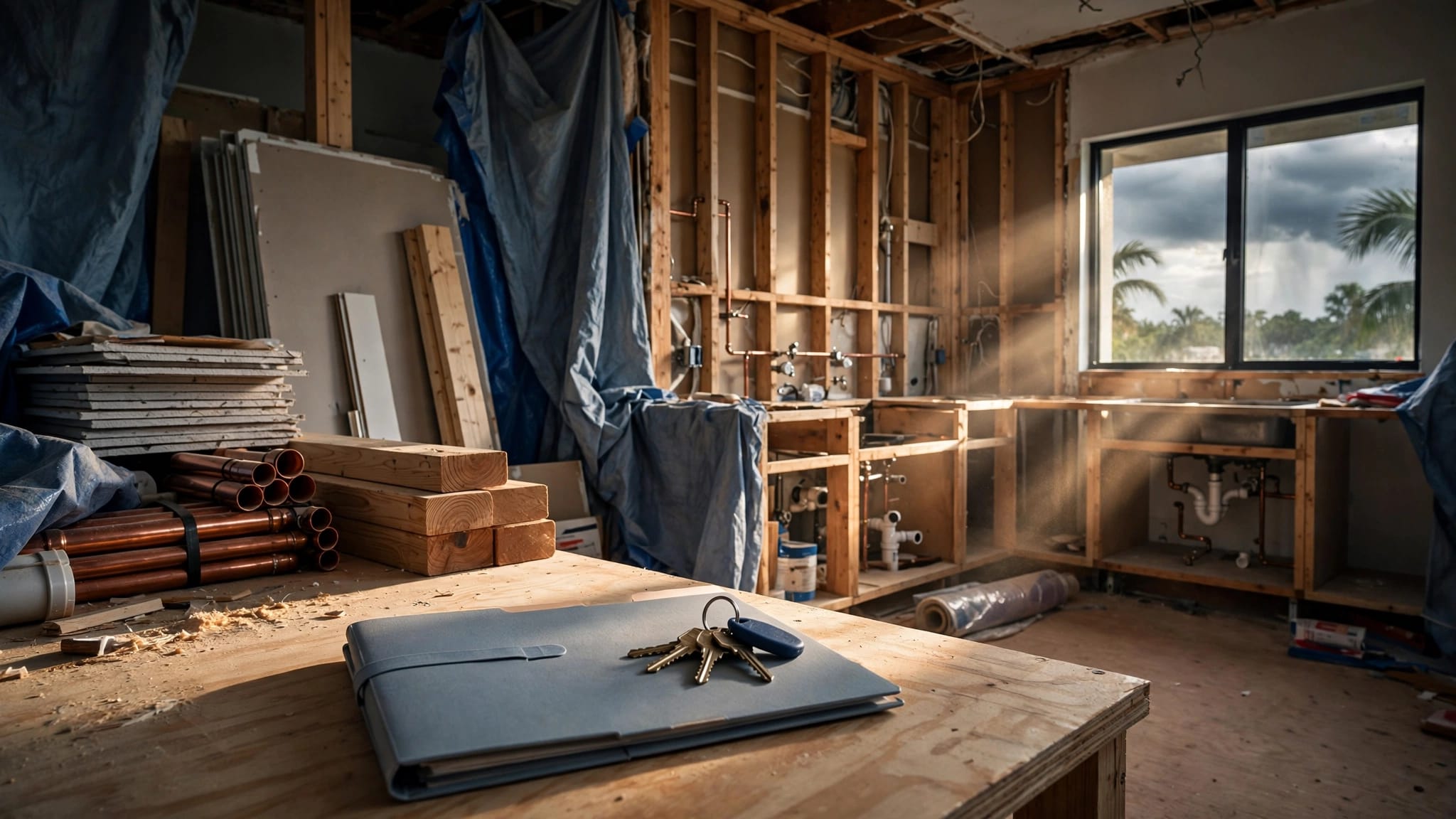
- Hidden problems inside older walls, floors, or slabs.
- Flood-zone, coastal, or HOA review.
- Long-lead materials like windows, doors, or specialty tile.
- Inspection backlogs, weather delays, or missed appointments.
Each one can shift the calendar. A small change in the floor plan may seem minor, but it can force new drawings and another permit review. Hidden plumbing, electrical issues, or weak framing can also change the plan once the walls open.
The best buffer is a clear scope before construction starts. When decisions are made early, the schedule stays steadier. That matters for room additions, kitchen remodels, bathroom remodels, and custom home construction alike.
If you need a realistic starting point, a builder should look at the house, the lot, and the finish choices before promising a date. That first walk-through often reveals the biggest time risks long before they become delays.
Conclusion
A room addition in Southwest Florida rarely follows one neat clock. For a straightforward project, plan on about 2 to 4 months from planning through finish, and expect 3 to 5 months when the addition is larger or more complex.
The real room addition timeline depends on permits, inspections, weather, and the amount of structural work. If you start with clear drawings and realistic lead times, the project feels far more manageable.
The fastest schedule is usually the one with the fewest surprises.