Bathroom Exhaust Fan Installation Cost in Southwest Florida
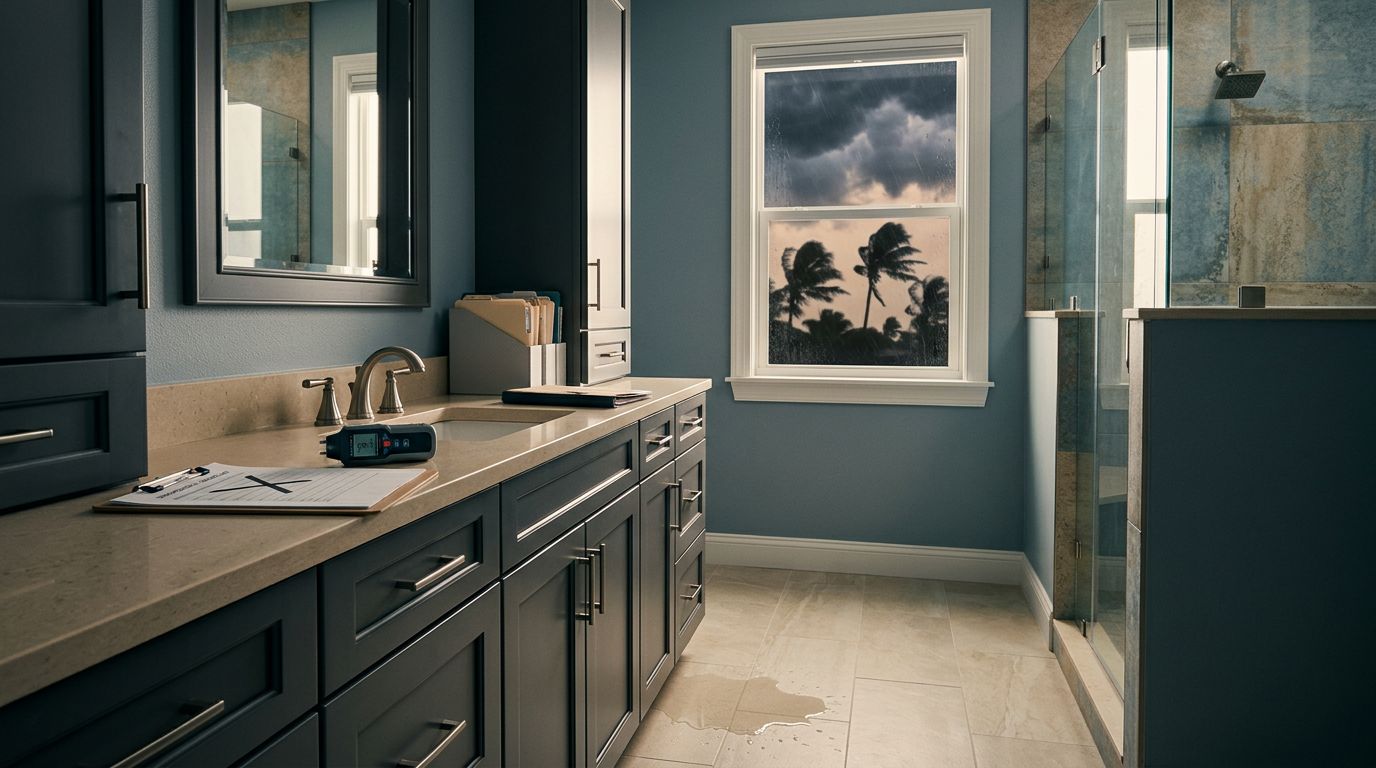
A bathroom exhaust fan can be a small fixture with a surprisingly large effect on your home. In Southwest Florida, high humidity makes proper ventilation especially important for paint, drywall, cabinets, tile grout, and indoor air quality.
For 2026, the bathroom exhaust fan installation cost in Cape Coral, Fort Myers, Naples, Punta Gorda, or Sanibel often falls between $250 and $1,500. Complex projects with new wiring, long duct runs, roof work, or ceiling repairs can cost more.
The biggest price difference comes from the installation conditions. Replacing an existing fan is usually straightforward, but a new exhaust fan installation where none previously existed requires more labor and materials.
Key Takeaways
- A basic bathroom fan replacement costs between $250 and $550, while a new ducted exhaust fan installation often ranges from $750 to $1,500.
- Electrical work, roof or wall penetrations, duct length, access, and ceiling repairs can raise the final price.
- Choose fan capacity based on bathroom size and layout, not appearance alone.
- Southwest Florida homes need exterior venting, moisture-resistant materials, and protection against wind-driven rain.
- Coordinating fan installation with a bathroom remodel can reduce duplication of labor and repair costs.
Typical Bathroom Exhaust Fan Installation Cost in 2026
Most homeowners can use the following ranges for early project planning. While these figures represent common residential conditions in Southwest Florida, they may differ slightly from the national average cost due to regional labor demands. The average price for this service accounts for typical installation labor, hardware, and standard site preparation, but it may exclude major remodeling, extensive drywall replacement, or structural repairs.
| Project type | Typical installed cost |
|---|---|
| Replace an existing exhaust fan using the current housing and duct | $250 to $550 |
| Install a new fan with attic access and an existing circuit | $450 to $900 |
| Add new ductwork and an exterior wall or roof termination | $750 to $1,500 |
| Install a fan with a light, heater, timer, or humidity sensor | $700 to $1,800 |
| Difficult installation with long duct runs, concrete block, or repairs | $1,200 to $2,500 or more |
A direct replacement costs less because the opening, wiring, housing, and exhaust path may already be in place. The installer may only need to remove the old unit, connect the replacement, and test the airflow.
New installations take longer. The contractor may need to cut the ceiling, install a housing, run insulated ductwork, add a roof cap or wall vent, connect a switch, and repair the finished surface.
The quoted price may also change based on the home's location. A second-story bathroom in Naples may require different access than a ground-floor bath in Cape Coral. A coastal property may need a more durable exterior termination because salt air and wind-driven rain can shorten the life of low-quality components.
A low quote isn't always the better value. If the final price from your contractor excludes proper venting, necessary material costs, or essential ceiling repairs, the bill can increase significantly after work begins. Always ensure your estimate covers every phase of the project to avoid surprises.
What Makes the Price Go Up or Down?
The fan itself is only a portion of your total exhaust fan installation budget. While a standard residential unit may range from $50 to $200, material costs for models featuring lights, heaters, motion sensors, or humidity controls can push the price between $200 and $450 or more. Quiet operation and specialized job supplies also contribute to the final equipment price.
Labor costs often account for a significant portion of the total installation expense. A straightforward replacement might take under two hours, but the labor cost for a new installation can be higher if the project requires multiple trades. These professionals may handle complex electrical connections, carpentry, duct installation, roofing, or finish repairs.
The path of your vent ducting matters just as much as the unit itself. A short, straight run through an accessible attic typically costs less than a complex route with several bends. Because every turn can restrict airflow, your installer may need to install larger duct work or design a more strategic layout to ensure optimal performance. Flexible ducts should remain fully supported and as straight as the attic space allows.
Exterior termination is another critical factor in your exhaust fan installation estimate. The exhaust must discharge safely outdoors rather than into an attic, soffit cavity, or wall space. A roof exit may require professional flashing and weatherproofing to prevent leaks. Similarly, a wall exit through concrete block or stucco often requires specialized cutting and patching to maintain the exterior integrity of your home.
Your final price will also depend on the necessary electrical work. Upgrading your electrical wiring can add $100 to $500 or more if the existing branch circuit or switch wiring needs modification to support the new unit. For example, a new fan might require a separate switch for the light and the ventilation motor. Furthermore, older homes may require corrections to address loose connections, missing grounding, or an overloaded circuit to meet modern safety codes.
Finally, the condition of your finished surfaces affects the estimate. Bathroom ceilings often include texture, paint, tile, or moisture-resistant drywall. If the new fan housing does not fit the existing opening, ceiling repair and finishing will be necessary to achieve a professional look.
The most useful quote is an itemized breakdown that separates the fan, labor, ductwork, electrical work, exterior termination, permit fees, and finish repairs.
Replacement Cost Versus Installing a New Fan
Replacing an existing unit is generally the more predictable project for bathroom exhaust fan installation. When the current housing and duct are in good condition, an installer may use the existing opening and circuit. The new fan must still match the housing, duct size, electrical connections, and ceiling clearance.
Some replacement fans fit only their matching housings. Others require removal of the old housing, even when the new grille looks similar. Before buying a replacement, check the model number, housing dimensions, duct diameter, and available clearance above the ceiling.
A new exhaust fan installation involves more complex decisions. The contractor must select the fan location, determine the duct route, check access, and plan the exterior discharge point. In a concrete block home, cutting through an exterior wall can add time and dust control, which increases the labor cost. In a home with a tile ceiling, protecting the finish can also affect total expenses.
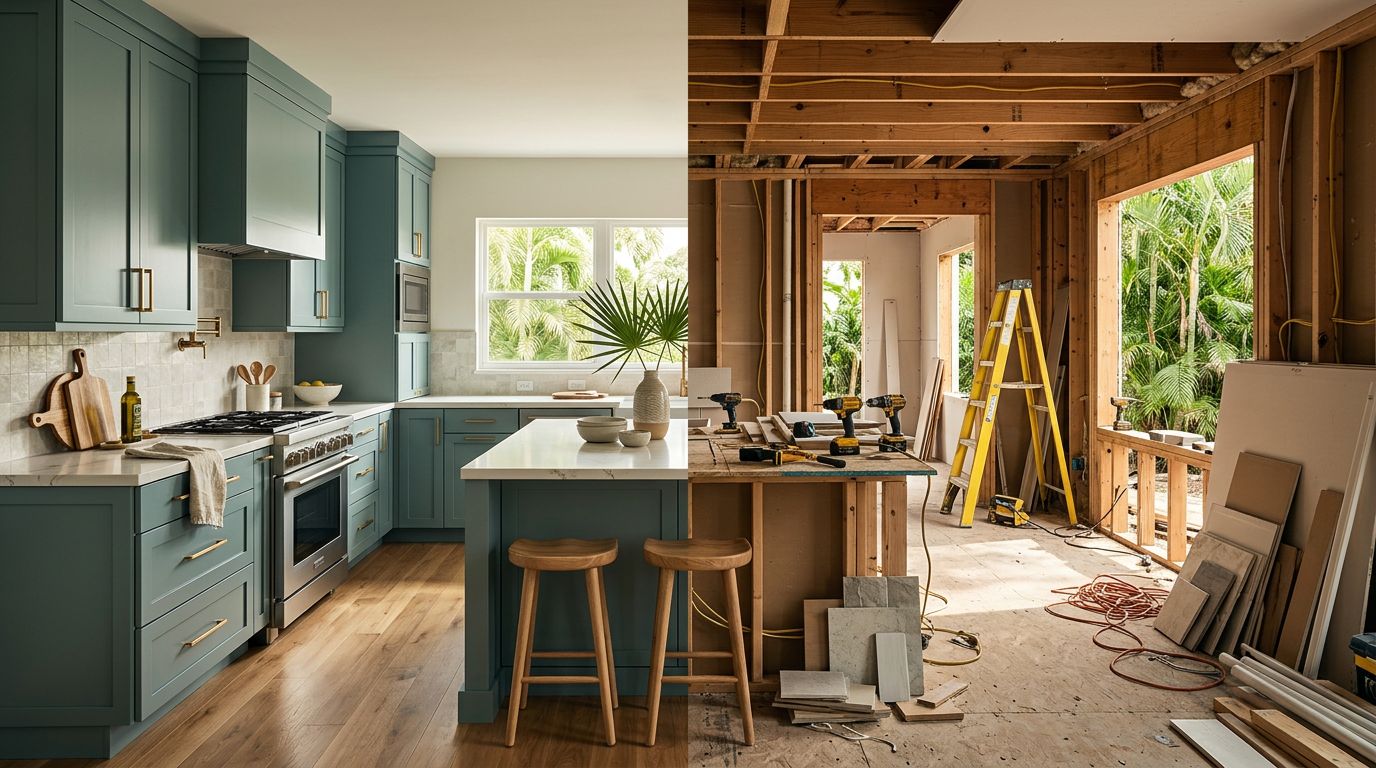
Bathroom remodeling is often the right time to add or replace ventilation. With the ceiling open, an electrician and remodeler can coordinate electrical wiring, ductwork, insulation, and fan placement before the new finishes go in. That approach can cost less than opening a finished ceiling later.
Custom home construction offers even more control. The builder can plan the duct path, roof penetration, switch location, and electrical circuit during framing. Good planning also keeps the duct short and reduces the need for visible repairs.
If you are remodeling a bathroom, the fan should be part of the mechanical plan rather than an afterthought. Its position can affect recessed lights, shower enclosures, beams, plumbing, and the ceiling layout. By incorporating these details early, you ensure the project remains functional while helping your team provide a fair price for the completed work.
Choosing the Right Fan for Florida Humidity
A fan should move enough air for the room without creating excessive noise. Many standard bathrooms use fans in the 80 to 110 CFM range, but the correct capacity depends on room size, ceiling height, shower location, and the specific vent ducting design.
The Home Ventilating Institute provides performance standards and certification information that can help homeowners compare fan ratings. Look at the tested CFM rating and noise level rather than relying only on a product marketing label.
Noise is measured in sones. Lower numbers indicate quieter operation. A fan rated around 1 sone or less, such as a high-quality Panasonic fan, is a comfortable choice for many primary bathrooms, especially when the room is near a bedroom. Budget models may be louder, even when their advertised airflow looks similar.
A timer switch helps the fan run long enough after a shower. Humidity-sensing controls can start the fan when moisture rises, which is useful for households where people forget to use the switch. These features add cost, but they can improve daily performance.
For Southwest Florida homes, the exterior cap needs protection against rain and insects. During your exhaust fan installation, ensure the duct work is properly insulated when it passes through a hot attic. Insulation helps reduce condensation inside the duct, which can otherwise drip back toward the fan.
Avoid venting into the attic. Warm, humid bathroom air can condense on roof framing and insulation, contributing to mold, staining, and wood damage. Proper outdoor venting is an important part of the installation, not an optional upgrade.
Permits, Local Conditions, and the Written Estimate
Permit requirements vary by project scope and local jurisdiction. A licensed contractor should check the applicable requirements for the property in Cape Coral, Fort Myers, Naples, Punta Gorda, or Sanibel before the exhaust fan installation begins. To ensure the highest safety standards, your project may require a qualified electrician or a master tradesman to handle complex electrical components. Every installation must strictly follow the current Florida Building Code and all relevant contractor guidelines to ensure the job is done right.
Ask whether the quote includes permit handling, inspections, and any required corrections. You should also confirm who will complete necessary roof vent or stucco repairs if the new opening affects the exterior of your home.
A written estimate should identify the fan model, duct size and material, exterior termination, switch type, electrical wiring, ceiling repairs, cleanup, and warranty terms. It should clearly state whether the price includes sales tax and permit fees. When you hire a professional contractor, ensure they provide these details in writing before work commences.
When comparing contractors, ask how they will verify airflow after installation. A fan that runs but barely moves air may have a blocked duct, poor termination, too many bends, or an undersized route. Proper testing can reveal a problem before moisture damages the bathroom.
For a larger bathroom remodel or custom construction project, a site visit gives the contractor enough information to price the work accurately. Get a Free Estimate to discuss your exhaust fan installation as part of your remodeling or construction plans.
How to Budget for the Project
Start by deciding whether you need a replacement or a completely new ventilation path. Then identify the home's construction type, attic access, bathroom location, and exterior wall or roof options. Those details often matter more than the fan's retail price.
Set aside extra room in the budget if the home has concrete block walls, limited attic access, textured ceilings, tile work, or an older electrical system. A project that looks simple from inside the bathroom may involve difficult access above the ceiling.
For a larger remodel, combine fan work with electrical, drywall, painting, and ceiling installation already included in the project. That coordination can reduce repeat visits and limit the amount of finished material that must be removed.
The right fan should fit the room, duct route, and way your household uses the bathroom. A quiet, properly vented unit with a reliable control is usually a better investment than the cheapest model available.
Frequently Asked Questions
Do I need a permit for a bathroom exhaust fan installation in Southwest Florida?
Most local jurisdictions in the area require a permit for new ventilation installations that involve electrical modifications or exterior roof/wall penetrations. A licensed contractor will typically handle the permit application and coordinate the necessary inspections to ensure your project complies with current Florida Building Codes.
Can I vent my bathroom fan into the attic instead of outdoors?
No, you should never vent a bathroom fan into the attic or a soffit cavity. Doing so releases moisture directly into your home's structure, which can cause significant mold growth, wood rot, and insulation damage in the humid Florida climate.
Why does the cost increase if I have a concrete block home?
Installing a new exhaust fan in a concrete block home requires specialized tools to cut through the exterior wall and finish the stucco or siding properly. This process is more labor-intensive than working with wood-frame construction and requires extra steps to maintain the weatherproofing integrity of the exterior.
Does it matter which brand of exhaust fan I buy?
While many brands offer similar airflow ratings, high-quality units often provide quieter operation and more durable components that can withstand coastal salt air. It is usually best to discuss your options with your contractor, as they may have experience with which models perform most reliably in your specific local environment.
Conclusion
A realistic 2026 budget for bathroom exhaust fan installation in Southwest Florida ranges from about $250 for a simple replacement to $1,500 or more when complex ductwork, extensive electrical work, and exterior venting are required. Factors such as roof access, concrete block construction, coastal exposure, and finished ceiling repairs can cause these costs to rise.
The fan's price matters, but the installation path is equally significant. When ventilation is planned during a bathroom remodel or a custom home build, the work can be coordinated before the walls and ceilings are finished. Proper planning helps protect your home from the persistent moisture that makes an effective bathroom ventilation system so important.