Southwest Florida Demolition Costs for a 2026 Remodel
Understanding Southwest Florida demolition costs is a critical first step for any project in Lee County, Collier County, and Charlotte County. A remodel budget can change quickly when the demolition process reveals hidden plumbing, damaged framing, or outdated electrical work. In 2026, homeowners planning a residential demolition should expect to pay roughly $2,500 to $7,500 for a typical kitchen tear-out, $1,500 to $5,000 for many bathroom demolitions, and $8,000 to $25,000 or more for a larger interior gut-out renovation.
These price ranges cover common residential conditions, including labor, basic hauling, and debris disposal. They do not automatically include permit fees, hazardous material testing, structural engineering, utility disconnections, or repairs behind finished surfaces. Your home's age, specific location, site access, and construction type will all impact the final price of your project.
Key Takeaways
- Kitchen demolition typically ranges from $2,500 to $7,500, while bathroom demolition generally costs between $1,500 and $5,000.
- A full interior demolition project can exceed $25,000 when the scope includes multiple rooms, heavy masonry walls, or the removal of extensive flooring materials.
- Factors such as concrete block construction, limited job site access, lingering hurricane damage, mold remediation, and the presence of hazardous materials will increase the total price.
- Requirements for demolition permits vary significantly between Cape Coral, Fort Myers, Naples, Punta Gorda, Sanibel, and other regional jurisdictions.
- Scheduling an on-site professional assessment provides a much more accurate budget than relying on a general square-foot estimate alone.
What Southwest Florida Demolition Costs Usually Include
Demolition is more than swinging a hammer. A professional crew must protect the parts of your home that will remain, disconnect services, remove materials safely, load debris, and leave the work area ready for construction.
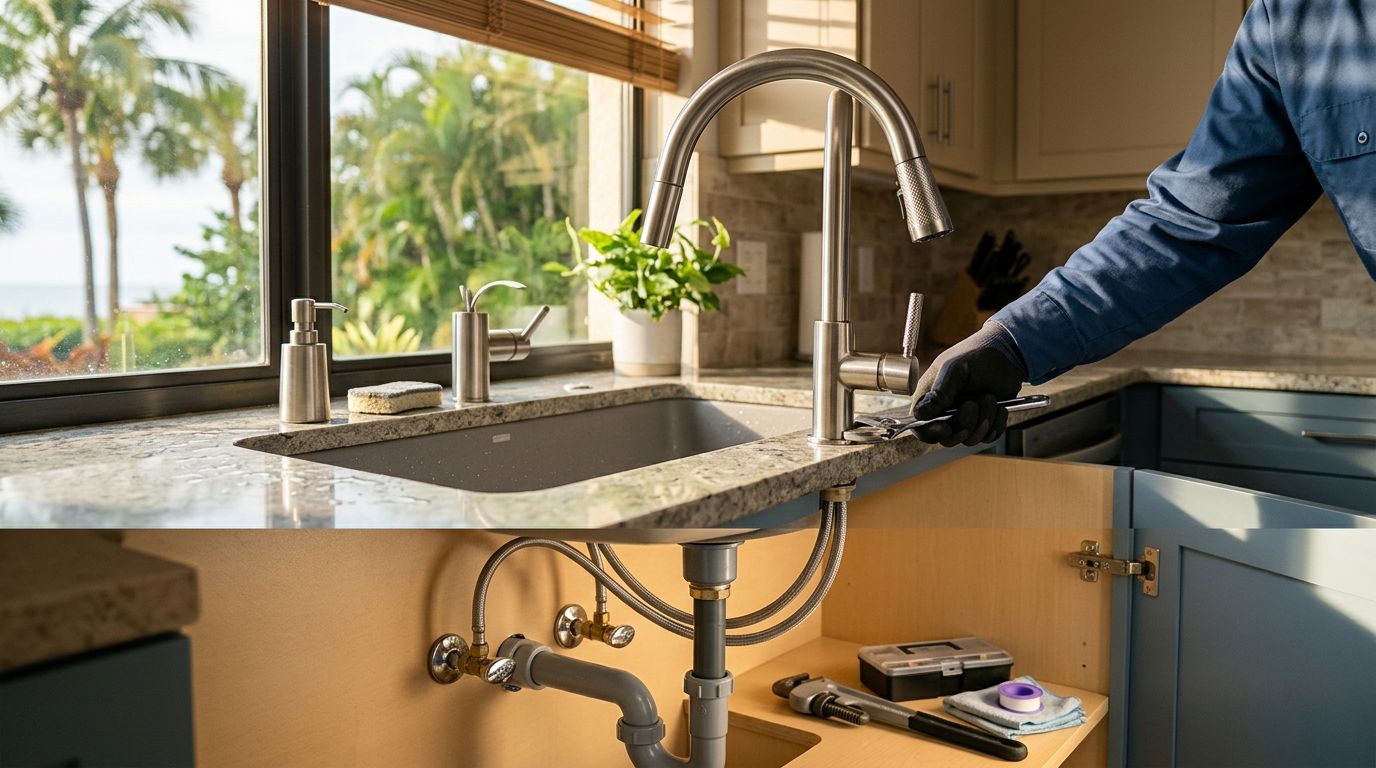
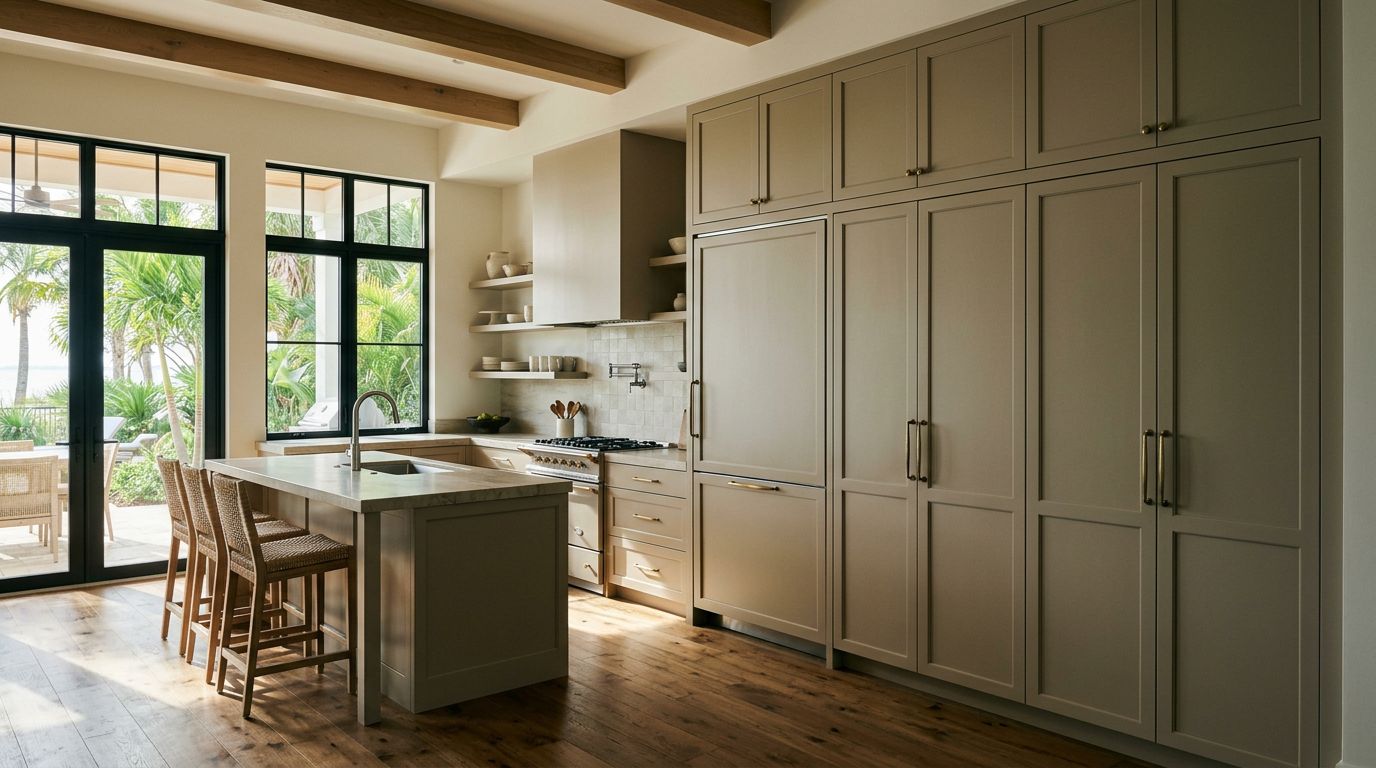
For a standard kitchen remodel, the scope may include selective demolition to remove cabinets, countertops, appliances, backsplash tile, flooring, drywall, and selected plumbing fixtures. A basic tear-out with clear access and no unusual materials may fall near the lower end of the range. Dense tile, concrete countertops, multiple layers of flooring, or limited driveway access can push the price higher.
Bathroom demolition often costs less because the room is smaller. However, bathrooms can take longer when crews must remove thick tile, mortar beds, built-in showers, or damaged subflooring. Water damage around a toilet, tub, or shower may also require additional removal before the contractor can inspect the framing or address potential hazardous materials that require specialized handling.
A whole-home interior residential demolition usually includes several combinations of:
- Cabinets, vanities, and built-in shelving
- Drywall and interior doors
- Flooring and tile
- Non-load-bearing partitions
- Plumbing fixtures and selected electrical components
- Ceiling finishes, trim, and insulation
- Debris loading and debris disposal
Homeowners sometimes receive a low demolition quote because it covers removal only. Ask whether the price includes labor, haul-off, landfill or transfer-station fees, protection, cleanup, and permit-related work. These items can appear as separate charges.
The cost also changes when demolition is part of a larger project. For example, a kitchen remodel may include selective removal under the construction contract. A full gut renovation may require more detailed planning, temporary protection, dust control, and daily cleanup.
2026 Planning Ranges by Remodeling Scope
The following figures serve as reasonable budgeting ranges for Southwest Florida homes, but they are not fixed prices. These estimates assume a standard single-family residence with normal access, ordinary household materials, and no confirmed hazardous substances or major structural repairs.
| Demolition scope | Common 2026 planning range | Typical assumptions |
|---|---|---|
| Small bathroom tear-out | $1,500 to $5,000 | Fixtures, vanity, tile, limited drywall |
| Kitchen demolition | $2,500 to $7,500 | Cabinets, counters, appliances, backsplash, some flooring |
| Flooring removal | $2 to $6 per square foot | Tile, laminate, vinyl, or carpet with standard access |
| One non-load-bearing wall | $1,000 to $4,000 | Wall removal, debris, basic surface preparation |
| Multiple-room interior demolition | $8,000 to $25,000+ | Several finishes, walls, doors, and fixtures |
| Structural or exterior demolition | $10,000 to $50,000+ | Masonry, concrete, additions, porches, or major repairs |
Flooring costs need careful review. Ceramic or porcelain tile takes more labor than carpet, and tile installed over mortar can require heavy tools and additional disposal. Professional concrete removal costs more than simple surface finish removal because crews must break, carry, and dispose of heavy material.
A wall that looks simple may contain plumbing, wiring, ductwork, or structural support. Removing it can require temporary shoring, engineered plans, new headers, or rerouting services. A licensed contractor should confirm the full scope of your interior demolition project before you treat a wall-removal number as final.
Exterior demolition often costs more than interior work. Removing a screened enclosure, pool deck, concrete patio, roof section, or old addition may require heavy equipment, site protection, utility checks, and special disposal. In coastal areas, access can also be difficult when homes sit close to seawalls, neighboring properties, or narrow drives.
These ranges help with early planning, but a written proposal should define exactly what stays, what goes, and how the debris is managed. Always consult with a licensed contractor to ensure your project scope is accurate before finalizing your budget.
Why Demolition Prices Vary Across Cape Coral and Naples
Local conditions play a large role in Southwest Florida demolition costs. A kitchen in a newer Cape Coral home often presents different access requirements and materials than a bathroom renovation in an older Fort Myers or Naples property, where contractors may need to budget for professional asbestos removal. Coastal homes in high-end neighborhoods also require extra protection against salt air and storm-related damage, which can influence project timelines.
Construction type is a primary driver of these expenses. Many Florida homes feature concrete block exterior walls, reinforced concrete, and heavy tile roofs. While these materials are durable, they take significantly more time and specialized equipment to remove compared to wood-framed components. The debris volume, often calculated by the square foot or total weight, dictates the equipment needed for efficient site cleanup.
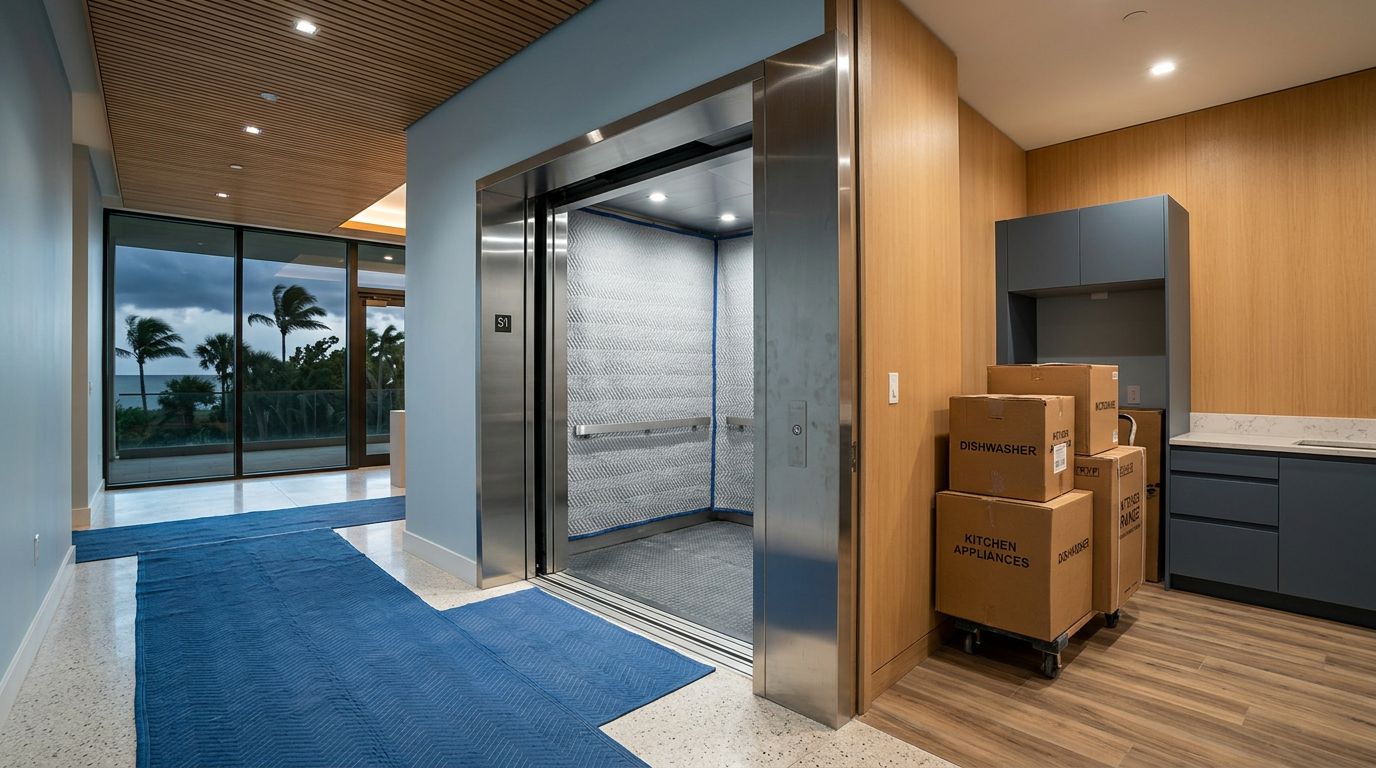
The home's location and accessibility also matter. A crew works more efficiently when they have a wide driveway, nearby parking, and a clear path for debris removal. Costs may rise if debris must be carried through a finished interior, across narrow side yards, or down stairs. Projects in condos or townhomes often involve strict building requirements, including elevator reservations and limited work hours, which sometimes borrow from the rigorous safety protocols seen in commercial demolition projects to ensure building integrity.
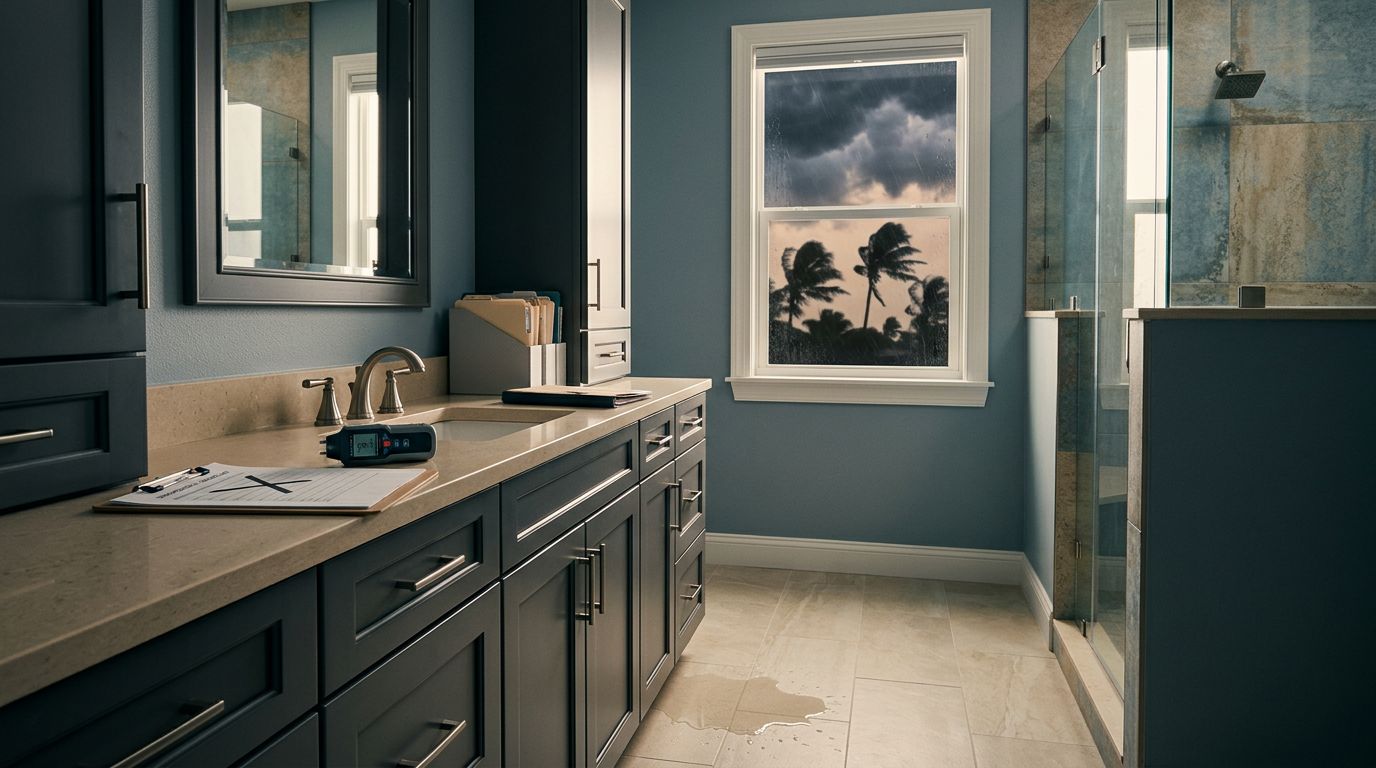
Water and storm damage add another layer of complexity. Homes in this region can hide significant issues following roof leaks, plumbing failures, or hurricane exposure. Drywall and insulation often require removal well beyond the visibly damaged area to address mold growth or wet framing.
Waste volume also affects the final estimate. Light materials, such as cabinet boxes, are easier to handle than heavy masonry, tile, and plaster, which require larger trailers or roll-off containers. Furthermore, disposal fees vary significantly depending on the facility and the nature of the materials being hauled.
A professional demolition quote should clearly describe the existing conditions it assumes. If site conditions change after walls or floors are opened, the contractor should document the change and provide an updated assessment before adding work.
Permits, Utilities, and Safety Before Work Starts
Permit requirements depend on the city or county, the type of work, and whether the project involves structural, electrical, plumbing, or mechanical changes. Securing the necessary demolition permits is a critical first step, as Cape Coral and Fort Myers each manage these approvals through their own local building departments. Some projects may include demolition under a broader remodeling permit, while others require separate applications to ensure compliance with current building codes.
Your contractor should confirm the necessary demolition permits and local regulations before work begins. Plans are often required when removing walls, changing structural elements, relocating plumbing, or altering electrical systems. Furthermore, properties in historic districts, condominiums, or planned communities may be subject to additional environmental regulations or oversight.
Utilities also require careful planning to prevent accidents. Proper utility disconnection is vital for electrical circuits, water lines, gas appliances, and air conditioning equipment. A crew should never rely on a wall switch or an old valve as proof that a service is inactive. Qualified tradespeople must perform the utility disconnection and verify that all systems are safely shut down.
Older homes can contain hazardous materials like lead-based paint or asbestos-containing materials that are not visible during an initial walkthrough. Common items that may require professional asbestos removal include older vinyl flooring, floor adhesive, pipe insulation, textured ceilings, and certain wall products. If you suspect these materials are present, you must stop work in that area and arrange for testing through qualified professionals.
Implementing strict dust containment protocols protects your family and the integrity of your future remodeling work. Best practices include sealing openings, isolating occupied rooms, using air filtration, protecting floors, and removing debris at regular intervals. Crews should also remain vigilant for sharp metal, broken glass, nails, unstable framing, and concealed water damage throughout the process.
Insurance and neighborhood rules are equally important. Confirm whether your HOA requires approval for dumpsters, work hours, exterior protection, or temporary access. If you are working on a storm-damaged home, ensure you keep detailed photos and records before any materials are removed, especially if an insurance claim is involved.
How to Get a Reliable Demolition Estimate
A useful estimate begins with an on-site inspection performed by a licensed contractor. Photos and room dimensions help, but they rarely show what sits behind a backsplash, under tile, or inside a wall. During the visit, the licensed contractor should review access, materials, utilities, structural conditions, moisture concerns, and the intended remodel plan to ensure your site preparation is handled correctly.
Give the contractor a clear scope. Tell them whether you want to remove cabinets only, perform a full gut-out of the room, save appliances, preserve trim, or keep flooring in adjacent spaces. Small decisions can change labor time and the specific protection requirements needed for your site preparation.
Request an itemized demolition quote that separates removal costs from unknown conditions. This demolition quote should identify:
- Areas and materials included in the removal, often calculated by the square foot
- Items that will remain and receive protection
- Debris disposal and hauling
- Permit or inspection costs
- Testing for suspected hazardous materials
- Utility disconnections
- Surface preparation and light site grading after removal
- Allowances or change-order procedures
The phrase "ready for construction" can mean different things. One contractor may leave exposed studs swept clean. Another may include removal of nails, adhesive, damaged drywall, and loose insulation. Ask what condition the space will be in when the work ends.
Set aside a contingency for hidden conditions. For a straightforward kitchen or bath project, many homeowners use 10% to 20% of the demolition allowance. Older homes, storm-damaged properties, and projects involving structural changes may need a larger reserve.
A site-specific proposal is the best way to narrow your budget. If you are planning a kitchen, bathroom, addition, or custom home project, you can Get a Free Estimate for an on-site review and a clearer scope of work.
Frequently Asked Questions
Does my demolition project require a permit in Southwest Florida?
Yes, most demolition projects in Lee, Collier, and Charlotte counties require permits, though the specific requirements vary by city such as Cape Coral, Fort Myers, or Naples. Your contractor must confirm if a standalone demolition permit is necessary or if the work can be bundled under your primary remodeling permit. Failing to secure the proper documentation can lead to costly fines and delays in your construction timeline.
How do I handle potential hazardous materials like asbestos?
If your home was built before the 1980s, common materials like pipe insulation, floor adhesives, or textured ceiling finishes may contain asbestos. You should stop work immediately if you suspect these materials are present and contact a certified testing professional to conduct an inspection. If hazardous substances are confirmed, they must be removed by a licensed abatement specialist before standard demolition can safely proceed.
What does "ready for construction" actually mean?
This term can vary between contractors, so it is important to clarify the expected end state of your space before work begins. A thorough "ready for construction" finish typically involves sweeping the area, removing nails and adhesive residues, clearing loose insulation, and preparing the surfaces for your new materials. Always confirm in your contract whether debris removal and site cleanup are included to ensure no unexpected costs arise later.
Why does interior demolition in Florida cost more for concrete block homes?
Many homes in this region feature solid concrete block construction and heavy mortar-set tile, which are significantly more labor-intensive to remove than standard wood-framed walls. The density of these materials increases both the physical labor required for demolition and the volume of debris that must be hauled to the landfill. Because heavy masonry requires specialized tools and more frequent disposal trips, these factors are standard drivers of higher demolition costs.
Conclusion
Southwest Florida demolition costs in 2026 are influenced by much more than just square footage. Factors such as material weight, concrete block construction, site access, local permits, waste disposal fees, water damage, and concealed conditions all play a role in your final price. Whether you are planning a focused interior demolition for a kitchen remodel or requiring larger land clearing services for an exterior addition, understanding these variables is essential.
Use the provided planning ranges to establish a realistic budget, then replace these estimates with a formal, itemized quote from a professional contractor. By addressing safety inspections, necessary permits, and the exact scope of removal early in the process, your remodel will start with fewer surprises and a much clearer path to successful construction.