Bathroom Waterproofing Costs in Southwest Florida, 2026
A tiled shower can look perfect while water is already reaching the framing behind it. In Southwest Florida, high humidity, frequent rain, and older bathrooms make waterproofing a serious part of any renovation budget.
For 2026, bathroom waterproofing costs commonly range from about $1,800 for a limited tub or shower surround to more than $10,000 for a large custom shower with extensive preparation. Full bathroom remodeling costs are much higher because they also include demolition, plumbing, electrical work, tile, cabinets, fixtures, and finishes.
The final price depends less on the tile itself and more on the shower's size, condition, drainage, and waterproofing details.
Key Takeaways
- Waterproofing-only work typically costs $1,800 to $10,000 or more in Southwest Florida.
- A full bathroom remodel commonly falls between $25,000 and $75,000 or more , depending on the design.
- A proper system protects the shower pan, walls, curb, niche, corners, drains, and plumbing penetrations.
- Tile and grout are not waterproof barriers. Moisture still needs a membrane or approved waterproofing system beneath them.
- The lowest bid can become expensive if it skips substrate repairs, flood testing, or detailed waterproofing work.
2026 Bathroom Waterproofing Cost Ranges
The table below provides practical planning ranges for homeowners in Cape Coral, Fort Myers, Naples, Punta Gorda, Sanibel, and nearby communities. These figures cover typical waterproofing labor and materials, but they don't represent a fixed quote.
| Project scope | Typical 2026 planning range |
|---|---|
| Tub surround waterproofing over sound walls | $1,800 to $3,500 |
| Standard tiled shower pan and wall waterproofing | $3,000 to $6,500 |
| Larger shower with a curb, niche, or bench | $5,500 to $10,000 |
| Shower waterproofing after leak damage | $4,500 to $12,000 or more |
| Full bathroom remodel with standard finishes | $25,000 to $45,000 |
| Custom bathroom remodel with premium finishes | $45,000 to $75,000 or more |
Waterproofing-only pricing usually excludes finish tile, glass doors, plumbing relocation, extensive demolition, mold remediation, and major framing replacement. Some contractors may quote those items separately, while others may combine them into a complete shower or bathroom renovation price.
A small shower can still cost more than expected if the existing pan leaks, the walls have swollen, or the drain needs replacement. Conversely, a larger bathroom may stay within budget when the layout and substrate are in good condition.
Waterproofing versus a full bathroom remodel
A waterproofing project focuses on keeping water inside the wet area and directing it toward the drain. It may include demolition in the shower, substrate preparation, a waterproof shower pan, wall membranes, corner treatment, and sealing around penetrations.
A full remodel includes far more work. The scope may involve new flooring, a vanity, countertop, lighting, exhaust ventilation, toilet installation, plumbing changes, painting, mirrors, and accessories. Moving a toilet or shower drain can increase the price because the contractor may need to open the slab or rework the floor system.
For planning purposes, a targeted shower rebuild often costs $12,000 to $25,000 after demolition, waterproofing, tile, trim, and basic fixtures. A complete bathroom renovation usually begins around $25,000 and rises with custom cabinetry, specialty tile, frameless glass, accessibility features, and layout changes.
What Proper Shower Waterproofing Includes
Waterproofing is a system, not a single coat of paint. Each part of the shower must work together so water reaches the drain instead of the framing.
The shower pan is the first major component. A contractor must create the correct slope toward the drain, install the approved waterproofing layer, and connect the drain in a way that prevents water from escaping around the assembly. A flat or poorly supported pan can hold water beneath the tile, which creates persistent moisture and odor problems.
Wall waterproofing protects the cement board, foam board, or other approved substrate. Depending on the selected system, the contractor may use a sheet membrane, liquid-applied membrane, or factory-built shower pan and board system. Products such as Schluter-KERDI, Wedi, LATICRETE HYDRO BAN, and USG systems have different installation requirements. The installer needs to follow the manufacturer's details rather than mixing products casually.
The curb also needs careful attention. Its top should slope toward the shower, and its corners require sealed transitions. A flat curb can send water toward the bathroom floor or into the wall ends.
A recessed niche creates another high-risk area. The bottom sill should slope toward the shower so bottles and standing water don't sit against the wall. Every corner and seam needs compatible treatment before tile installation.
Water can enter through small openings around the shower valve, showerhead arm, body sprays, bench supports, and grab bars. Those penetrations need properly sized seals or compatible sealant. Fasteners placed through a curb or bench without a planned waterproofing detail can create a leak that stays hidden for months.
A shower should pass a flood test before tile covers the waterproofing. Testing gives the contractor a chance to find a leak while the system is still visible and accessible.
Tile, grout, and caulk still matter, but they don't replace the waterproof layer. Grout can absorb moisture, and caulk joints can eventually crack or separate. The membrane behind the finished surface carries the main responsibility for protecting the structure.
Why Southwest Florida Conditions Affect the Price
Local conditions influence both the installation process and the risk of future damage. Many homes in the area have concrete slab floors, while others have wood-framed floors or additions. A concrete slab may require different demolition and drain work than a framed floor.
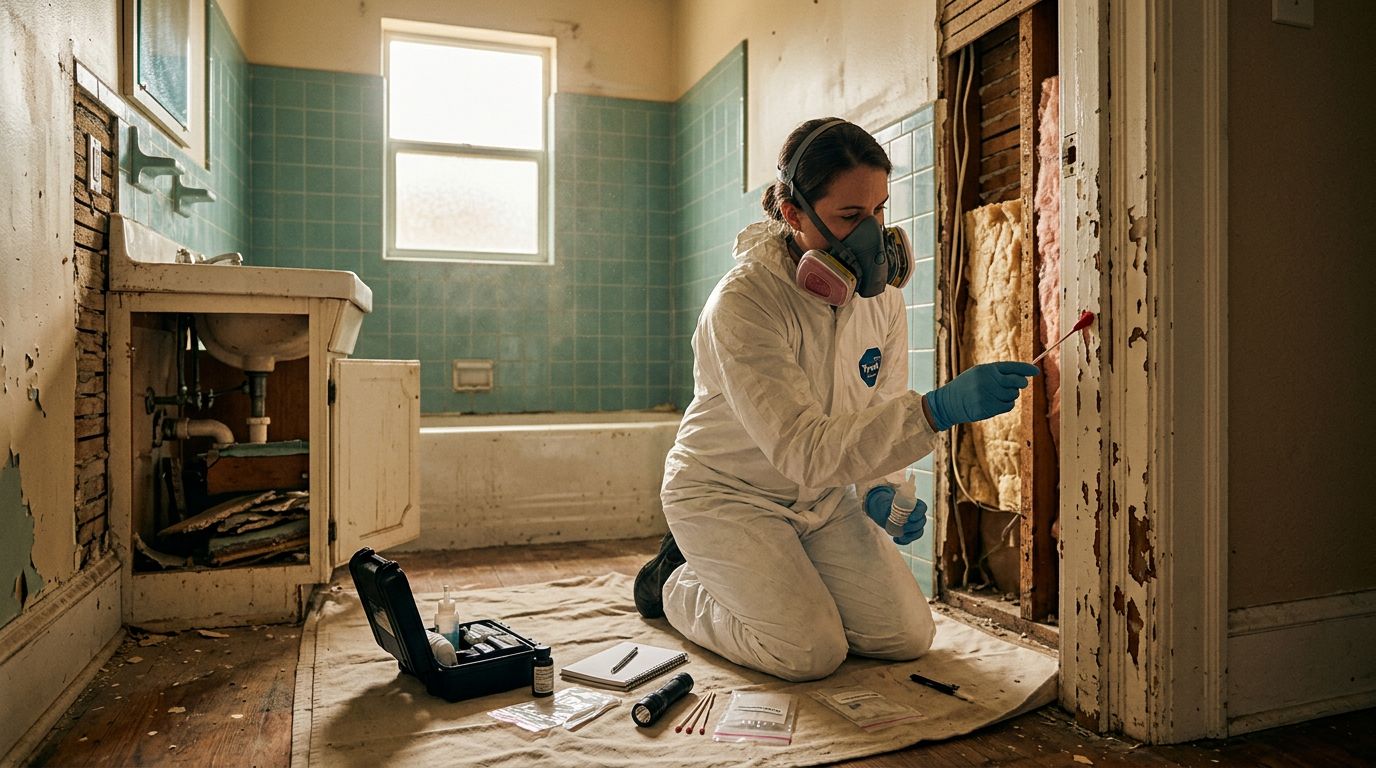
Older homes can bring additional surprises. A contractor may find damaged drywall, deteriorated backer board, corroded fasteners, soft framing, or an outdated shower pan after opening the walls. The original bathroom may also lack a waterproofing system that meets current product installation requirements.
Humidity adds pressure to any moisture problem. A small leak behind the shower won't dry as quickly as it might in a drier climate. Poor bathroom ventilation can make the situation worse, especially when the exhaust fan doesn't move enough air outside.
Coastal properties also need careful material selection and installation. Salt air doesn't cause every bathroom leak, but it can contribute to corrosion around metal components and fasteners. Homes in areas exposed to heavy rain may also experience more serious consequences when exterior and interior moisture problems overlap.
Access affects labor. A straightforward bathroom in a newer home may require limited removal. A shower surrounded by built-in shelving, thick mortar, multiple tile layers, or custom glass can take much longer to open and rebuild.
The biggest price variables usually include:
- Shower size and shape
- Condition of the existing substrate and framing
- Drain and plumbing changes
- Number of niches, benches, corners, and penetrations
- Tile size and installation pattern
- Access for demolition and debris removal
- Permit requirements and inspection scheduling
- Mold treatment or structural repairs
A detailed site visit matters because these conditions can't be priced accurately from a few photos alone.
How to Compare Waterproofing Quotes
A low bid may look attractive when the estimates are side by side. However, the word "waterproofing" can mean very different scopes between contractors.
Ask each company to identify the waterproofing system by name and describe where it will go. The proposal should address the shower pan, walls, curb, niche, corners, seams, drain, and plumbing penetrations. It should also state whether demolition and substrate repairs are included.
Find out how the contractor will verify the pan. A flood test is one of the clearest ways to check for leaks before tile installation. The written scope should also explain who handles permits, inspections, debris removal, and repairs if hidden damage appears.
Pay attention to exclusions. A quote may appear inexpensive because it leaves out the drain, curb rebuild, waterproofing behind the niche, or replacement of damaged backer board. Those omissions often appear later as change orders.
A reliable proposal should include:
- The waterproofing product or system
- Preparation and substrate requirements
- Shower pan and drain details
- Curb, niche, bench, and penetration treatment
- Flood-test timing
- Tile, grout, and sealant responsibilities
- Warranty terms and exclusions
- Allowances for concealed damage
The cheapest quote isn't always wrong. It may reflect an efficient design or a bathroom in better condition. The concern begins when the contractor can't explain what protects the walls and floor beneath the tile.
Why Waterproofing Shortcuts Cost More Later
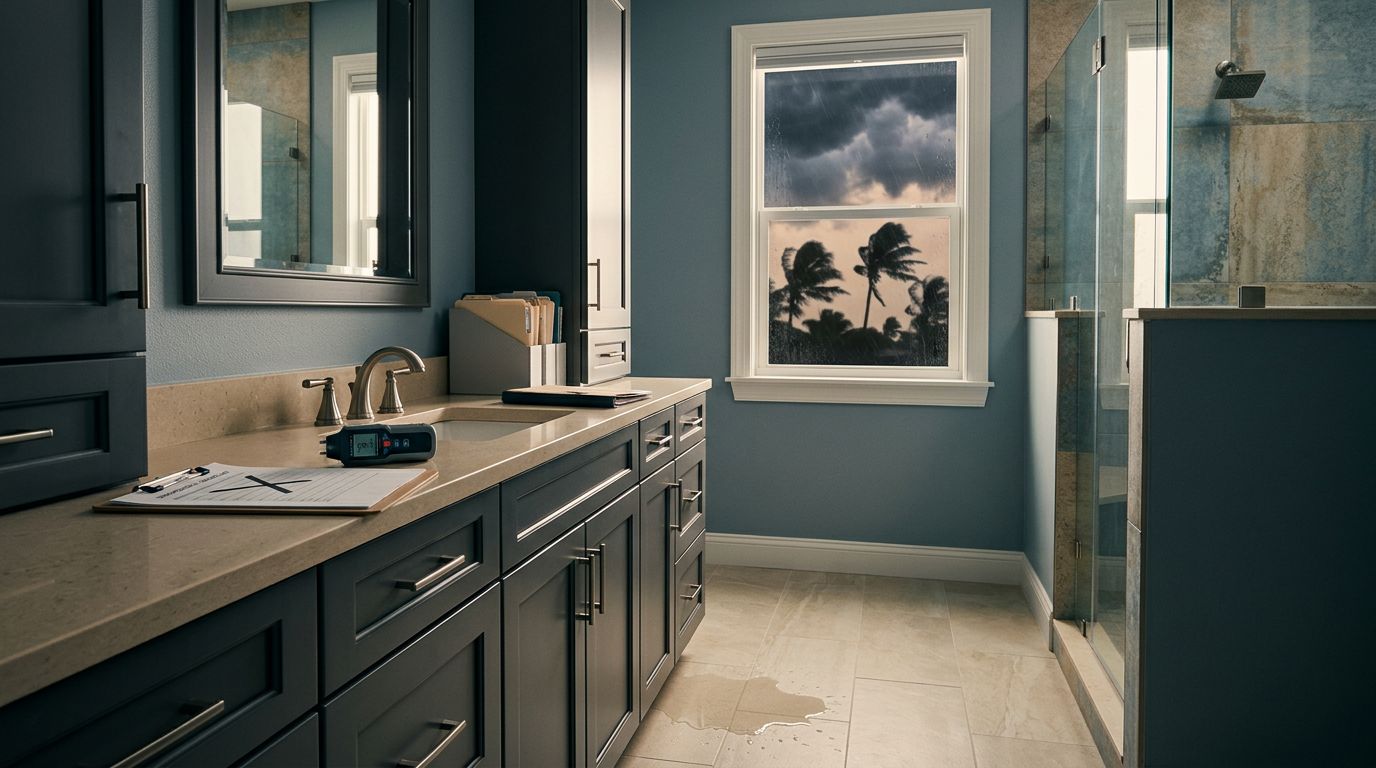
A shower can remain in use while a hidden leak damages the materials behind it. By the time staining, odor, loose tile, or swollen trim appears, moisture may have reached the framing or adjacent flooring.
Mold remediation adds cost because the affected materials may need removal and controlled treatment. Damaged framing can require drying, replacement, and additional inspections. Tile failure may also force a homeowner to remove a finished wall that looked acceptable only a few months earlier.
Common shortcuts include applying membrane over a dirty or unstable surface, stopping waterproofing below the showerhead, leaving the curb untreated, using ordinary drywall in wet areas, and skipping the flood test. Another problem occurs when installers puncture the waterproofing around a niche or bench and don't seal the fasteners.
These choices can reduce the initial price, but they don't reduce the amount of water entering the assembly. A proper installation costs more because it includes preparation, compatible materials, careful transitions, and time for testing.
If you're planning a bathroom renovation, request a written scope before choosing tile or fixtures. A clear waterproofing plan protects the part of the project you won't see after the walls are finished. For a local project review, you can Get a Free Estimate for your remodeling or construction plans.
Conclusion
Bathroom waterproofing costs in Southwest Florida depend on the shower's condition, design, access, and waterproofing details. In 2026, budgeting $3,000 to $6,500 for a standard waterproofed shower is a reasonable starting point, while complex repairs and custom showers can exceed $10,000.
A full bathroom remodel requires a separate budget because waterproofing is only one part of the work. The strongest protection for your investment is a detailed scope that covers the pan, walls, curb, niche, corners, penetrations, and flood test before tile hides the system. A carefully installed shower costs less than rebuilding one damaged by a preventable leak.