Can You Stay Home During a Whole-Home Remodel?
A whole-home remodel can turn everyday routines into a puzzle. One day the kitchen is gone, the next the bathroom is taped off, and suddenly you're asking a simple but loaded question: can you stay home during the remodel and live through it?
The answer is yes, sometimes. It depends on how much of the house stays usable, how much dust and noise you can handle, and how much of the work affects water, power, heat, and access. The right call is less about toughness and more about livability.
If you're planning a major renovation, the smartest place to start is with your daily life, not your floor plan. That's where the real answer shows up.
When staying home makes sense
Living on-site can work when the project is staged well and one part of the home stays functional. A renovation that updates one wing at a time is very different from a full gut. If your family still has a working bathroom, a clean sleeping area, and a place to cook, staying put may be reasonable.
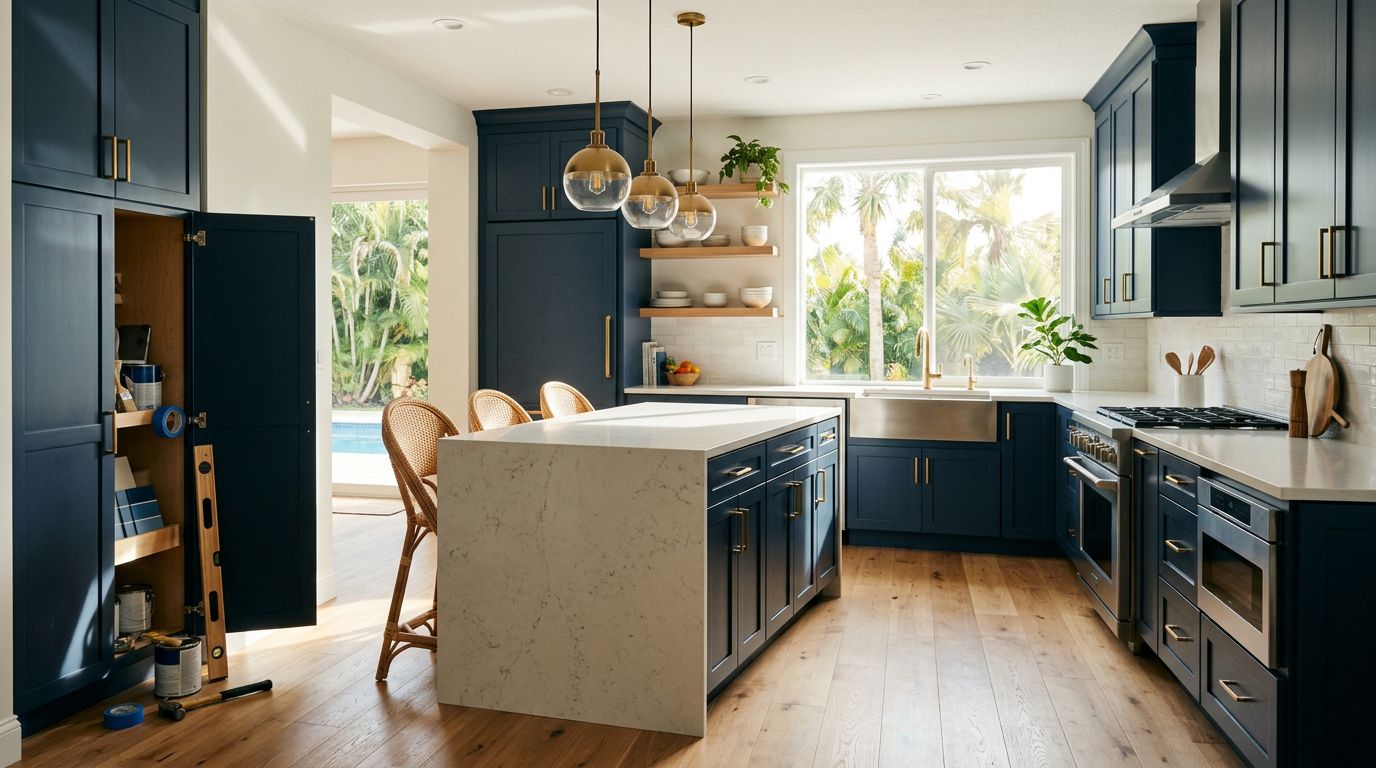
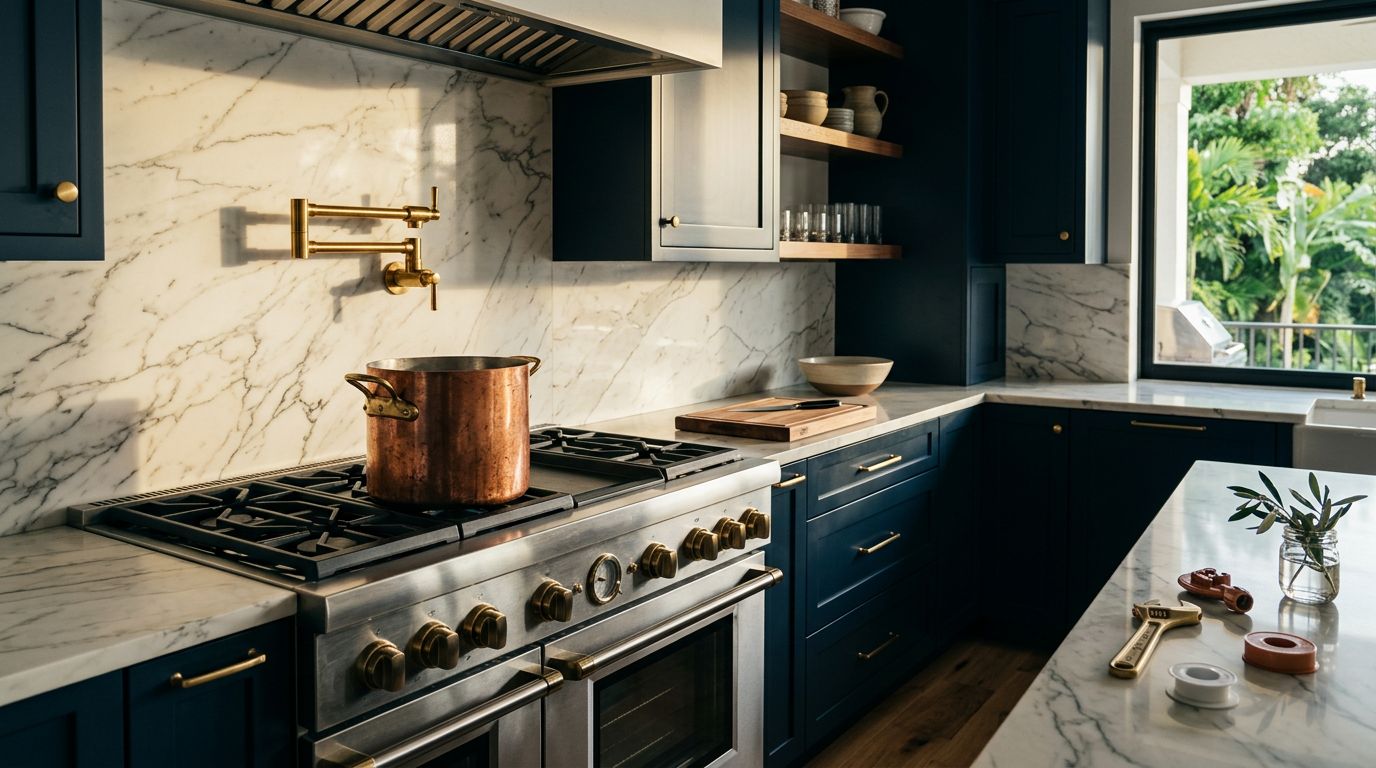
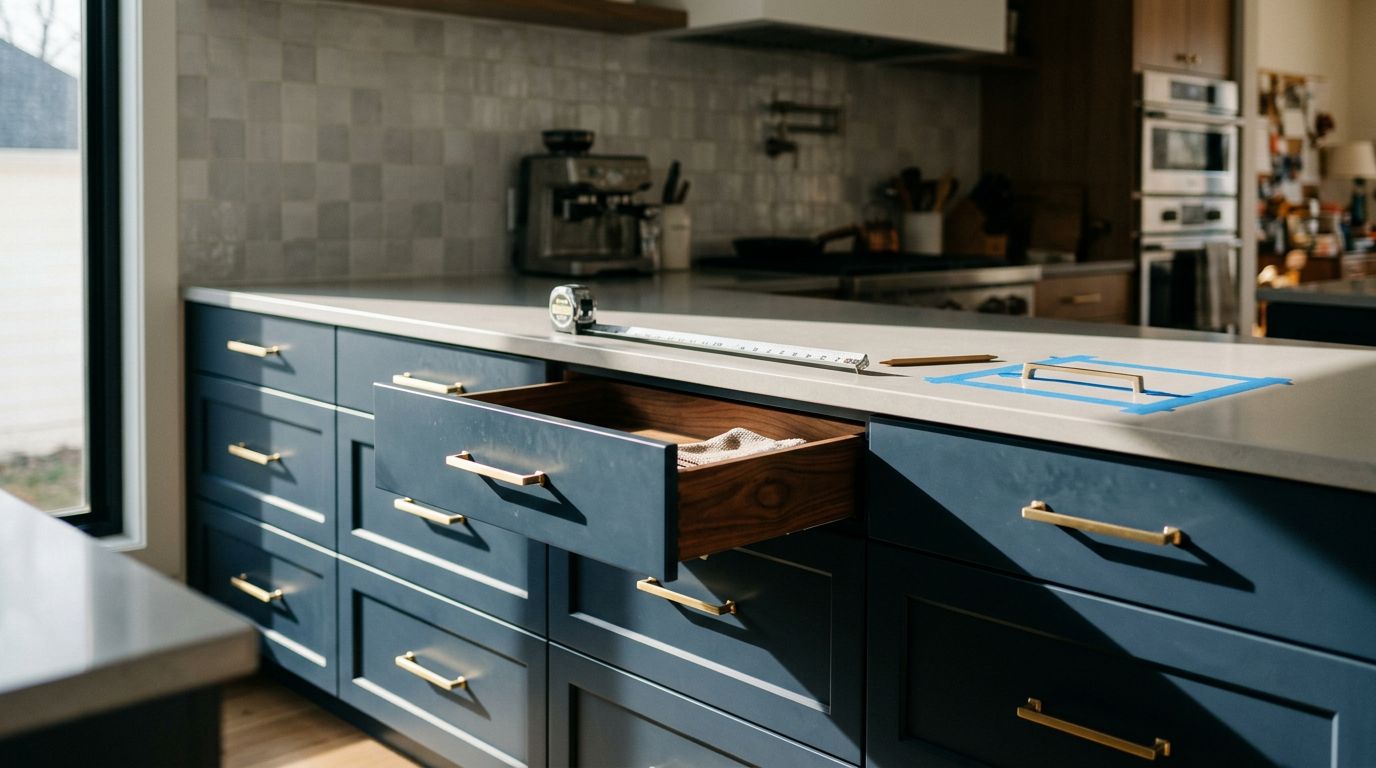
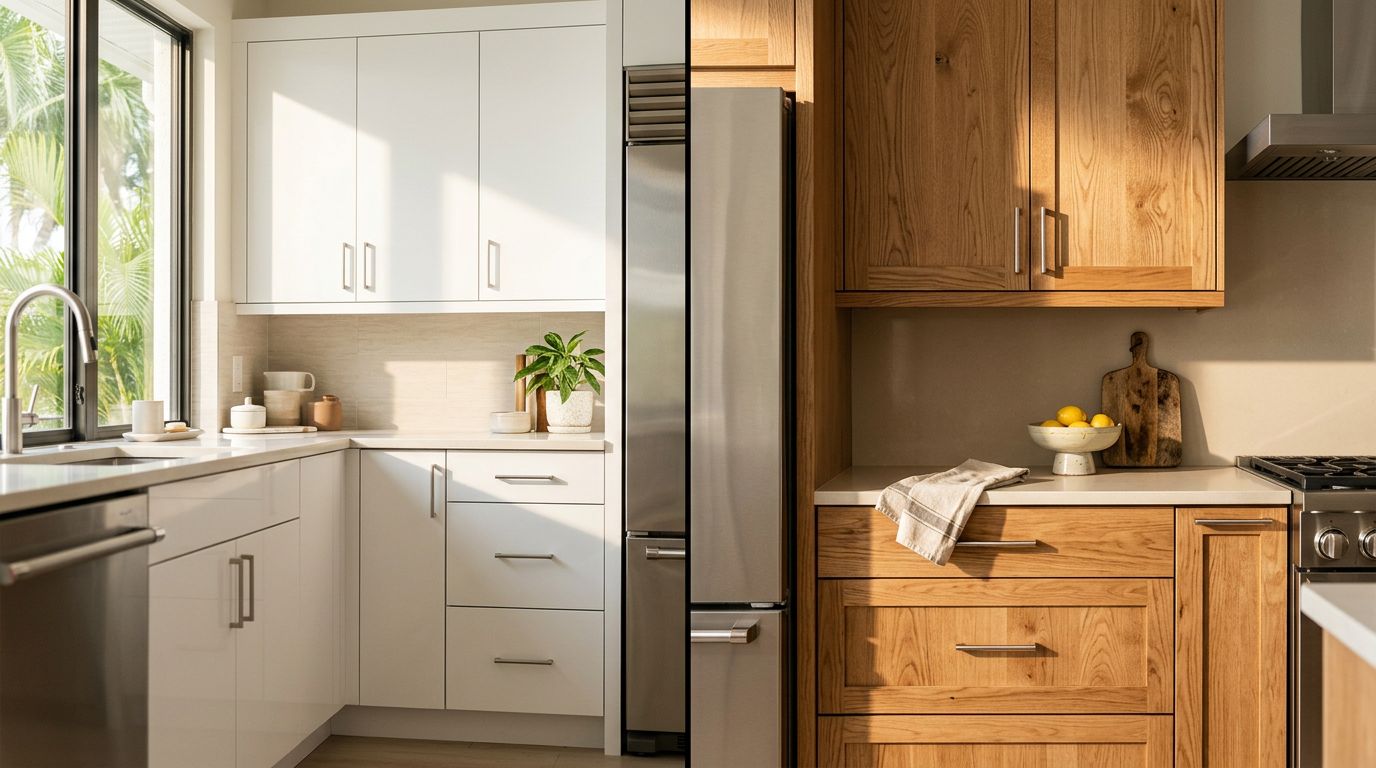
This is often the case with phased remodels. A custom kitchen renovation , for example, can sometimes be managed if the team sets up a temporary prep area and keeps the rest of the house sealed off. The same idea applies to bathroom updates when another bath is still available.
A home is also more livable during construction when there's a separate entrance, a garage work zone, or a closed-off living area. That kind of setup gives the crew room to work without turning every room into a jobsite. If the renovation is mainly cosmetic, or if the work moves in tight stages, home life may only feel disrupted, not impossible.
The key question is simple: can you live with the mess without losing the basics? If the answer is yes, staying home may save money and reduce the hassle of moving out.
What turns a house into a no-go zone
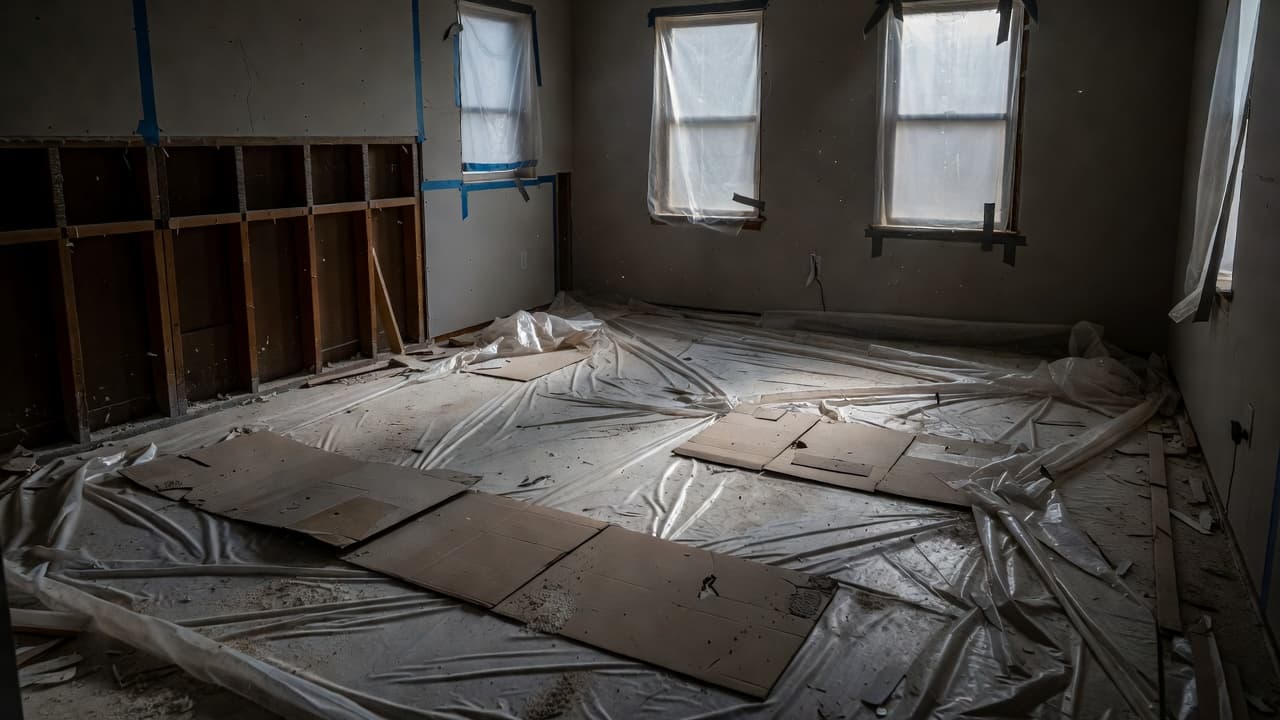
Some projects push a house past the point of comfortable living. When walls come down, plumbing gets moved, or electrical service is interrupted, the home starts to lose the systems that make daily life work. Noise is one issue. Losing core functions is the bigger one.
If several of these are true at the same time, staying home gets much harder:
- You only have one working bathroom.
- The kitchen is shut down for weeks.
- Water needs to be turned off often.
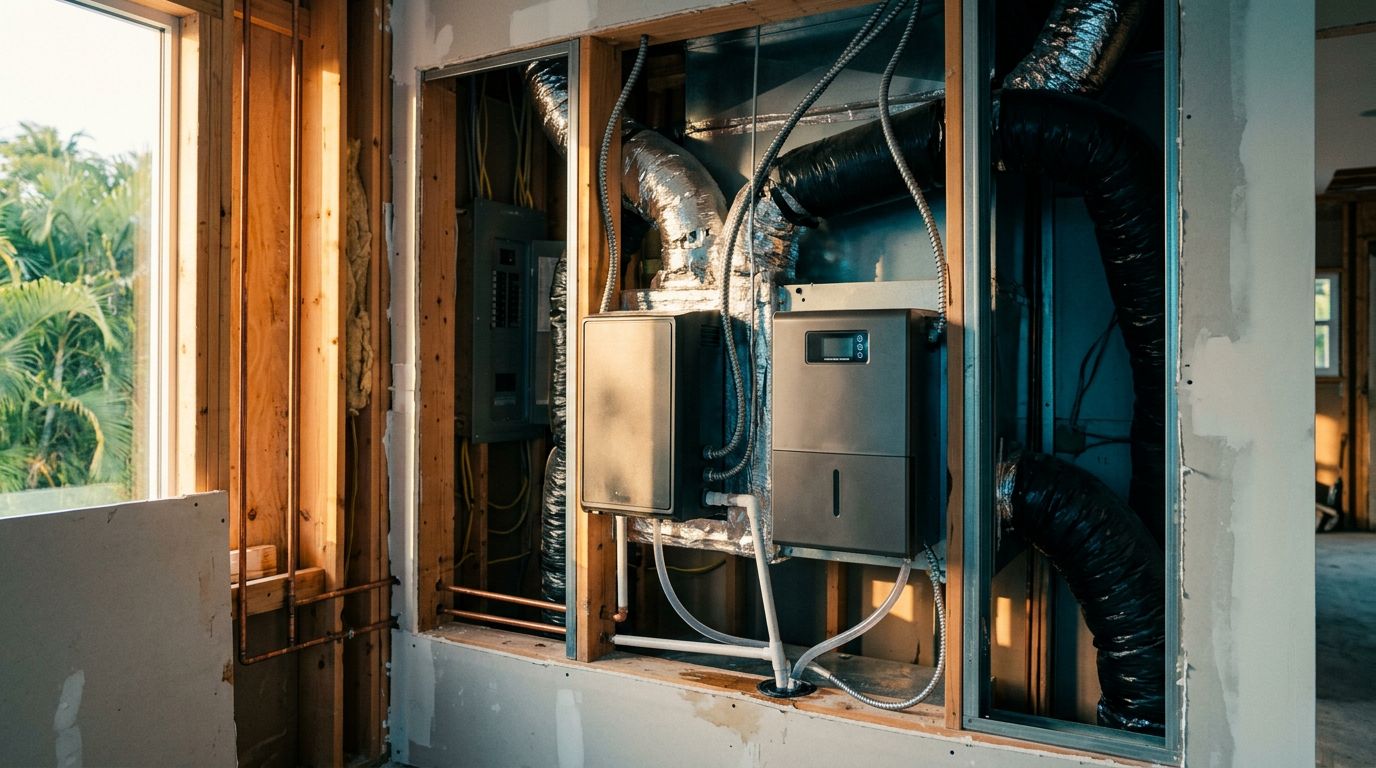
- The HVAC system is being replaced or moved.
- Flooring demolition leaves dust across large parts of the house.
- Walls or ceilings are open in main living areas.
- Exterior openings stay exposed for long stretches.
If the kitchen, bathrooms, and main entry are all out of service at once, staying home becomes a logistics job, not a convenience.
In Southwest Florida, heat and humidity add another layer. Open walls, temporary plastic barriers, and spotty air conditioning can make a house uncomfortable fast. If the project touches the roof, windows, or exterior walls, weather becomes part of the decision too.
A remodel can also get messy in ways people don't expect. Dust travels farther than most homeowners think. Crew traffic increases fast. Pets get stressed. Sleep gets interrupted by early starts and constant noise. When the disruption spreads into every room, the house stops feeling like a home and starts feeling like a worksite.
How to stay home during a remodel with less chaos
If you do stay home during remodel work, plan for it like a small move inside your own house. The goal is to create order where the construction can't.
Start by carving out one clean zone. This should be a room or section that stays closed off as much as possible. Put essentials there, keep it uncluttered, and make it the place where you can rest, work, or get ready in the morning. If possible, choose a room far from the active work area.
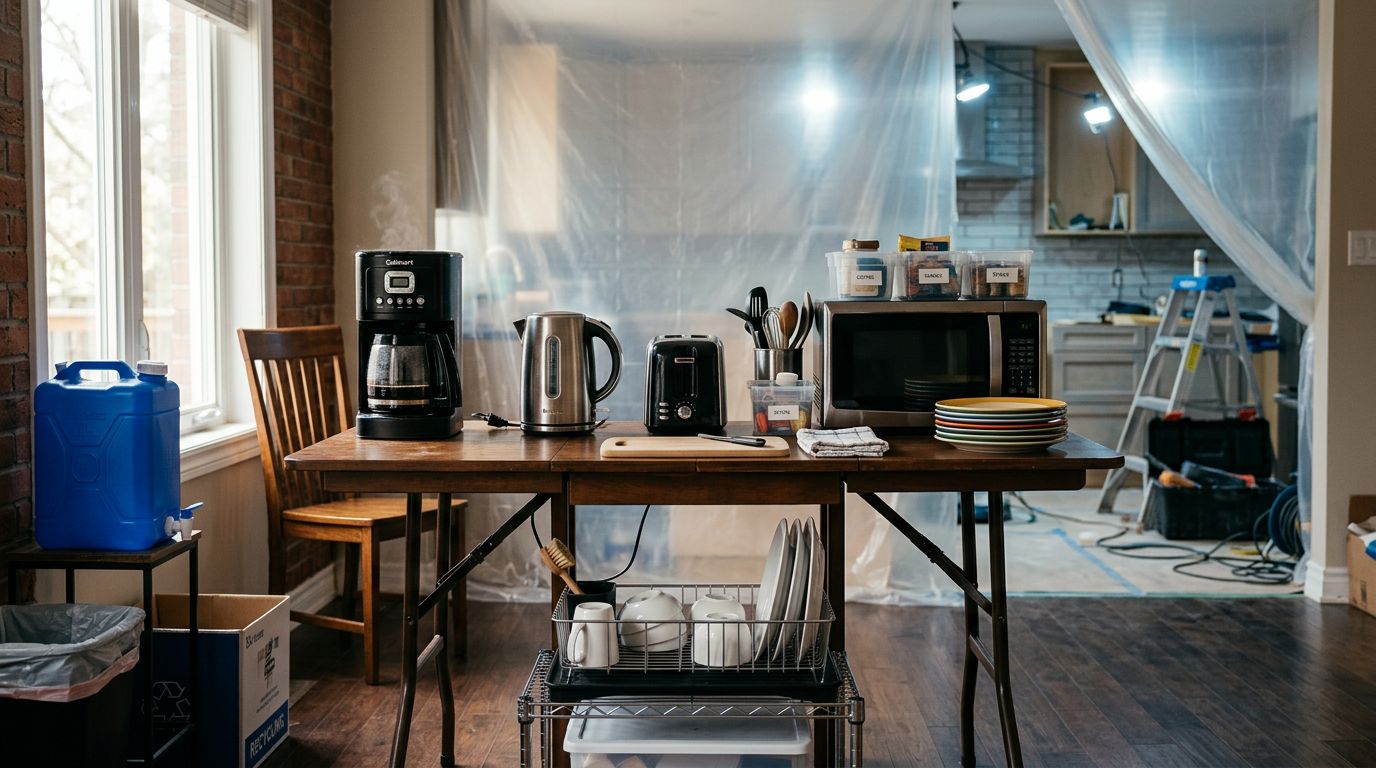
Next, set up a temporary kitchen. A microwave, toaster oven, coffee maker, electric skillet, and mini fridge can cover more meals than people expect. Paper goods help. So does a clear shelf for food and dishes. If the kitchen is out of commission, a simple prep station keeps you from eating out every night.
Then think about dust control. Plastic barriers, floor protection, and regular cleanup matter more than most homeowners realize. Ask how the crew will separate the work zone from the living space. Ask where tools, debris, and materials will be stored. Ask how often the site gets swept or vacuumed. Those details shape your day more than the final finish choices.
A few routines also make home life easier:
- Keep construction hours predictable.
- Protect one bathroom if at all possible.
- Move valuables and fragile items out early.
- Use storage bins, not loose piles, for household overflow.
- Plan quiet time for calls, work, or children's naps.
Communication matters just as much as setup. You want to know when demo starts, when shutoffs are scheduled, and when the noisiest work will happen. A direct line to the contractor helps you make decisions before problems spill over into your day.
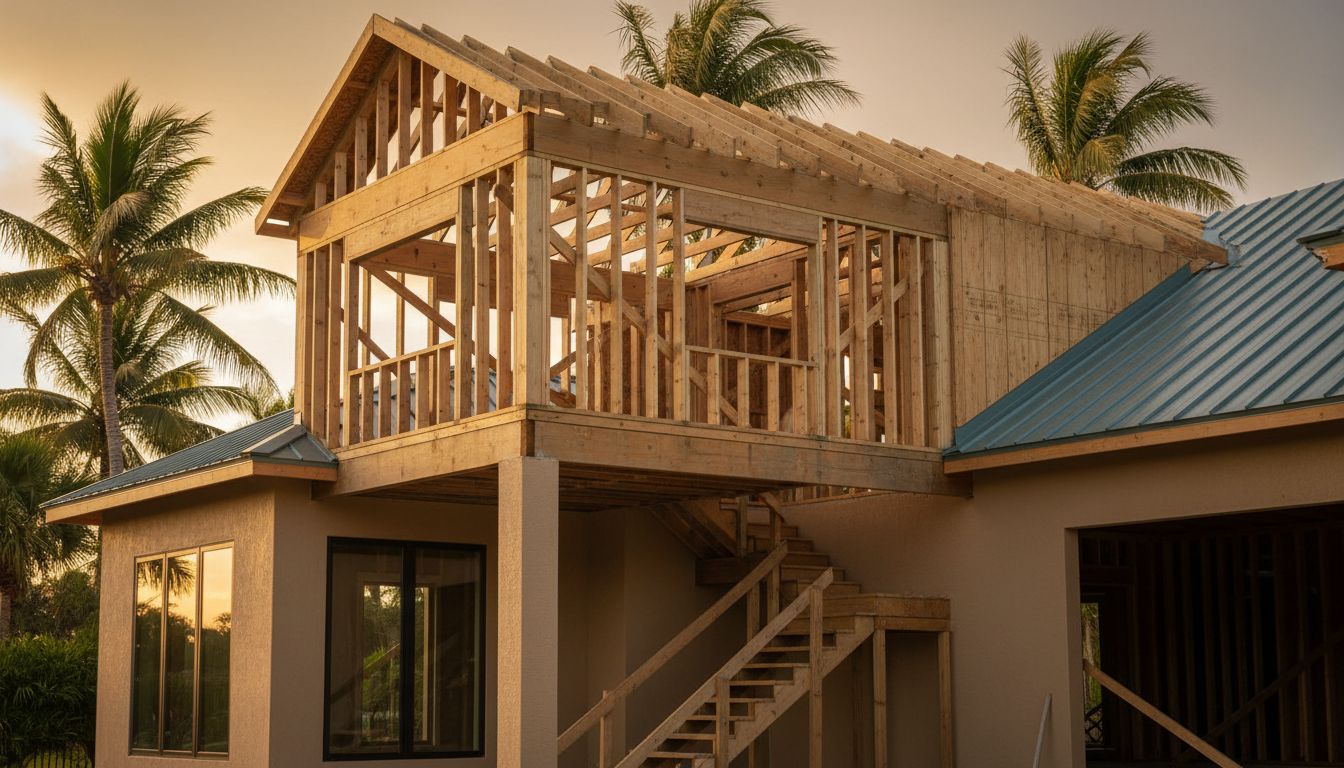
If the remodel includes a major layout change, such as a new wing or expanded footprint, custom room additions can change traffic patterns and living space in a hurry. That kind of work often needs tighter planning than a smaller update.
When moving out saves time, stress, and money
Sometimes moving out costs less in the long run, even if it feels more expensive at first. Hotel bills, short-term rentals, storage, and takeout add up, but so do delays, damaged belongings, missed work, and the stress of trying to live around active construction.
The strongest sign that you should leave is simple. If staying home will slow the crew, create daily conflict, or force the project to be built in awkward stages, moving out may be the better business decision.
Here's a quick comparison:
| Situation | Staying home usually works | Moving out often makes more sense |
|---|---|---|
| One room is under construction at a time | Yes | No |
| You still have a kitchen and one full bath | Yes | Maybe |
| The remodel is a full gut or whole-house rewire | No | Yes |
| You work from home and need quiet | Maybe | Yes |
| You have young kids, pets, or health concerns | Maybe | Yes |
| The home has no easy way to seal off dust | No | Yes |
The table doesn't decide for you, but it shows the pattern. The more the project affects the home's core systems, the less likely it is that life stays normal.
Moving out can also protect your schedule. Crews work faster when they don't have to clean around daily living or coordinate every shutoff with a family's morning routine. That can matter even more for larger projects that include structural changes, finish carpentry, or major layout shifts. In many cases, fewer interruptions mean fewer delays.
There's also the emotional side. Living through demolition can wear people down. If you're already balancing work, kids, pets, or travel, the strain can pile up fast. A temporary move creates distance from the noise and helps the renovation move forward without constant friction.
Choosing the right plan before demo starts
The best time to decide whether to stay home during a remodel is before the first wall comes down. Walk through the project with your contractor and talk honestly about what daily life will look like. Ask what stays usable, how long each phase will last, and where the biggest disruptions will happen.
Use the conversation to test the plan against real life. Can you cook? Can you shower? Can you sleep without waking up to saws and dust? If the answers are shaky, the project may be better handled with an off-site plan.
It also helps to think about the season. In Southwest Florida, summer heat and humidity can make a partially functional house harder to tolerate. If the remodel affects air conditioning, windows, or exterior openings, staying home gets uncomfortable quickly.
If you're still mapping out the scope, Get a Free Estimate and talk through the timeline before demolition begins. A clear estimate and a direct conversation can make the living plan easier to see.
Conclusion
A whole-home remodel doesn't automatically mean you need to move out, but it does demand a realistic look at comfort, safety, and access. If the house still gives you a working bathroom, a livable kitchen setup, and a way to keep dust contained, staying home can work.
When the project takes away the basics, though, moving out often saves time and protects your sanity. The best choice is the one that keeps the renovation moving without turning your home into a daily problem.