How Much Contingency to Budget for a Southwest Florida Remodel
A remodel can stay on budget until the walls open up. Then the surprises show up, and they usually cost more than the pretty finishes you picked first. That's why a remodel contingency budget matters so much in Southwest Florida, where older homes, moisture, and storm wear can hide real problems.
The safest plan is to treat contingency as a separate line item, not a vague cushion inside the base construction price. That way, you know what the project truly costs before the first cabinet comes out.
Why contingency should sit outside the base budget
Your base construction budget should cover the work you already expect. That includes labor, materials, permits, and the scope you signed off on. Contingency is different. It is the money set aside for problems you can't see yet.
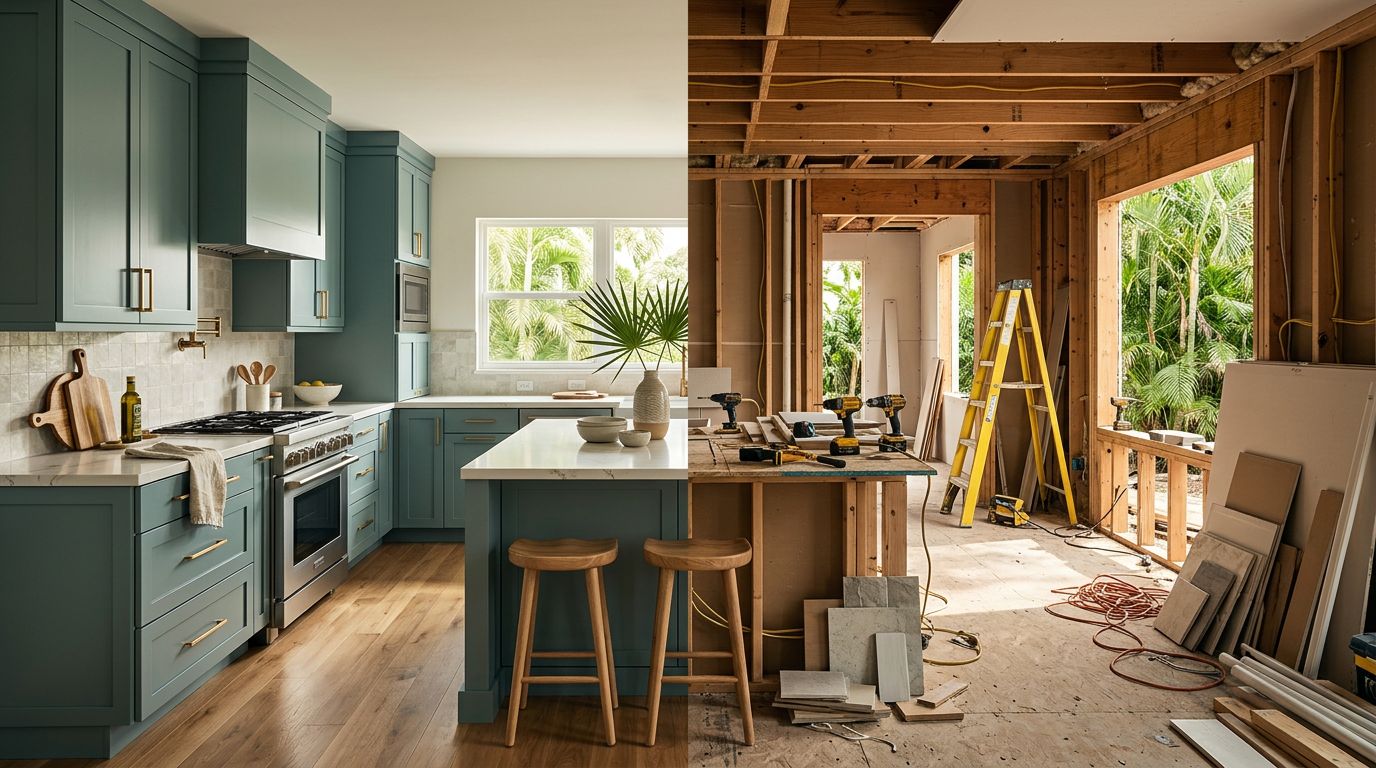
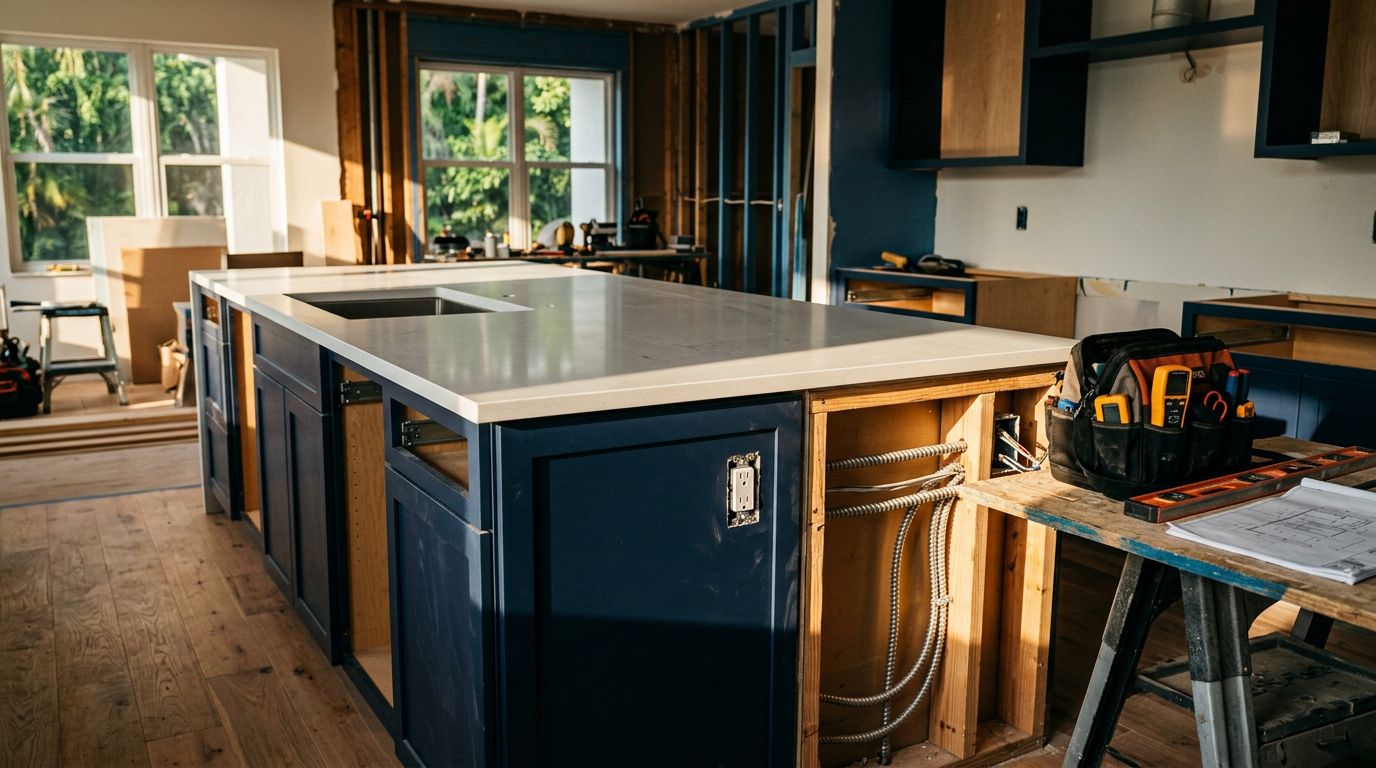
That matters because remodels rarely stay on the exact path you drew on paper. A wall may hide old wiring. A shower may reveal a bad pan. A floor may show water damage that ran farther than anyone guessed.
A contingency is not extra spending money. It is the cushion that keeps one surprise from slowing the whole job.
When you keep contingency separate, you can judge bids more honestly. A contractor who gives you a lower number may not be cheaper if the project later needs constant change orders.
A realistic contingency range for Southwest Florida homes
There is no single number that fits every remodel. The right amount depends on how much of the home you touch, how old it is, and how much demolition is involved.
For many Southwest Florida projects, these ranges are a practical starting point:
| Project type | Typical contingency | Why it fits |
|---|---|---|
| Cosmetic refresh | 5% to 10% | Less demolition, fewer hidden conditions |
| Kitchen remodel | 10% to 20% | Plumbing, electrical, cabinets, and layout changes |
| Bathroom remodel | 15% to 20% | Waterproofing, tile work, and rot are common surprises |
| Whole-home remodel | 15% to 25%+ | Older systems, code updates, and broad demo raise risk |
A small, surface-level update may only need a modest reserve. A full gut renovation should carry a larger cushion because the risk grows with each wall that opens.
If you want one simple rule, start at 10% for lighter work and 15% to 20% for more involved remodels . Then adjust up if the home is older or the project touches bathrooms, kitchens, or structural areas.
Local conditions that raise the risk
Southwest Florida homes face a different set of issues than homes in many other parts of the country. The weather alone changes the math.
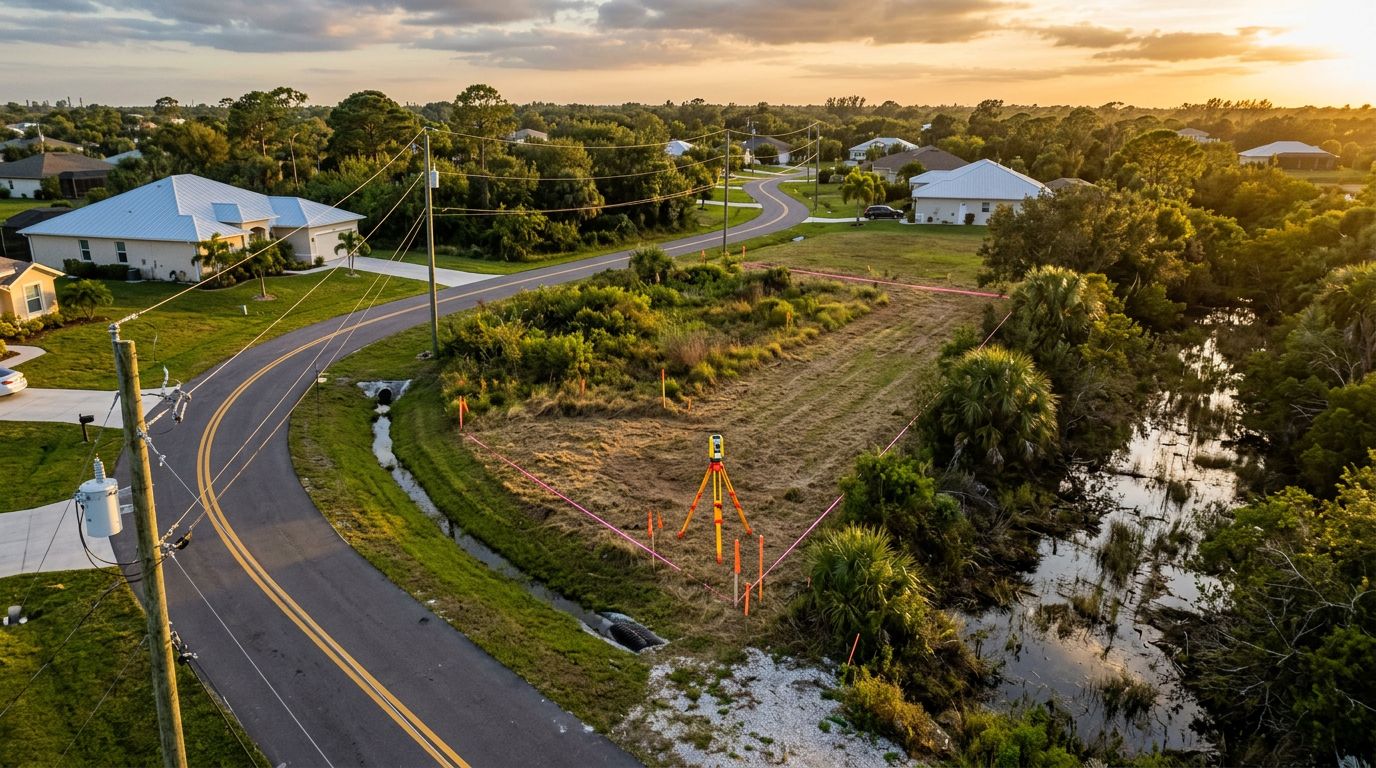
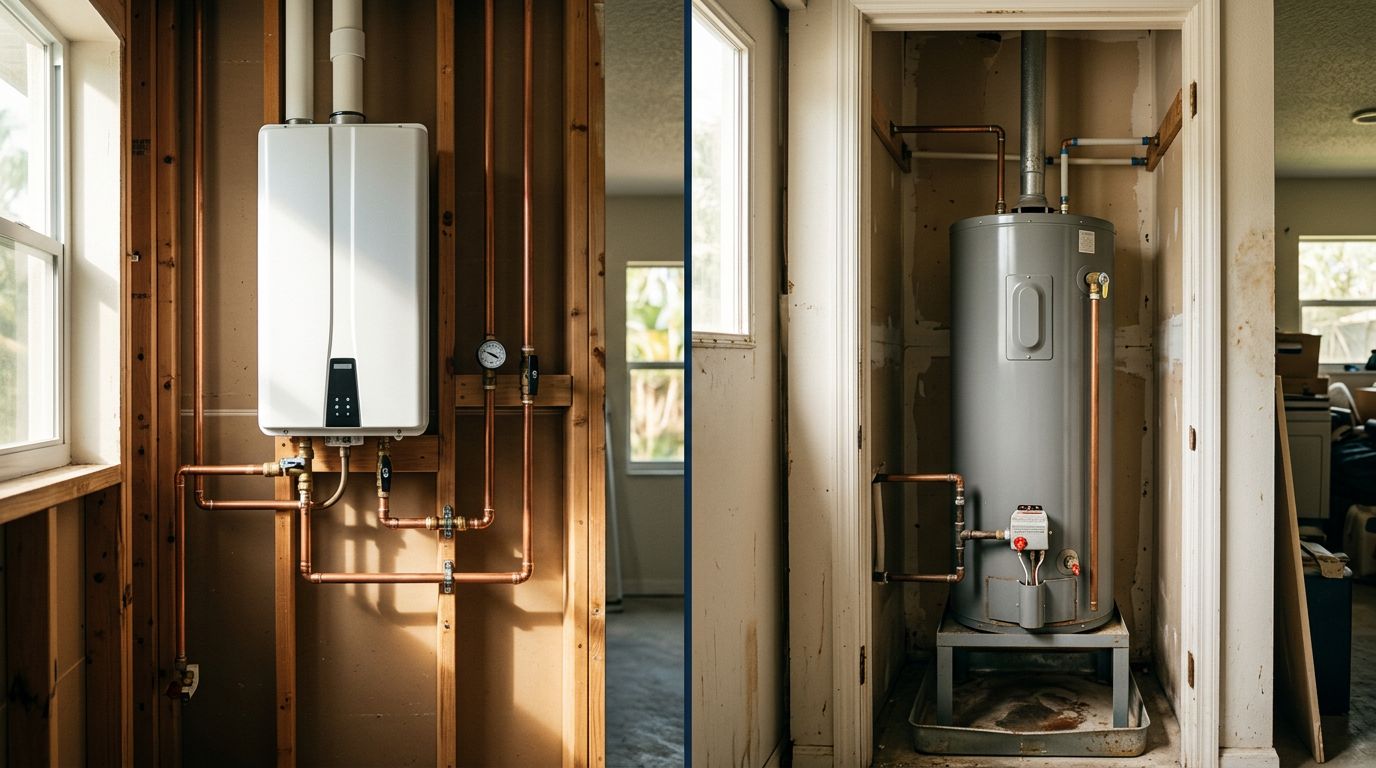
Older housing stock is a big factor. Many homes in Cape Coral, Fort Myers, Naples, Punta Gorda, and Sanibel have gone through past remodels, piecemeal repairs, or aging material swaps. Once demo starts, you may find mixed plumbing, dated electrical runs, or framing that no longer matches current standards.
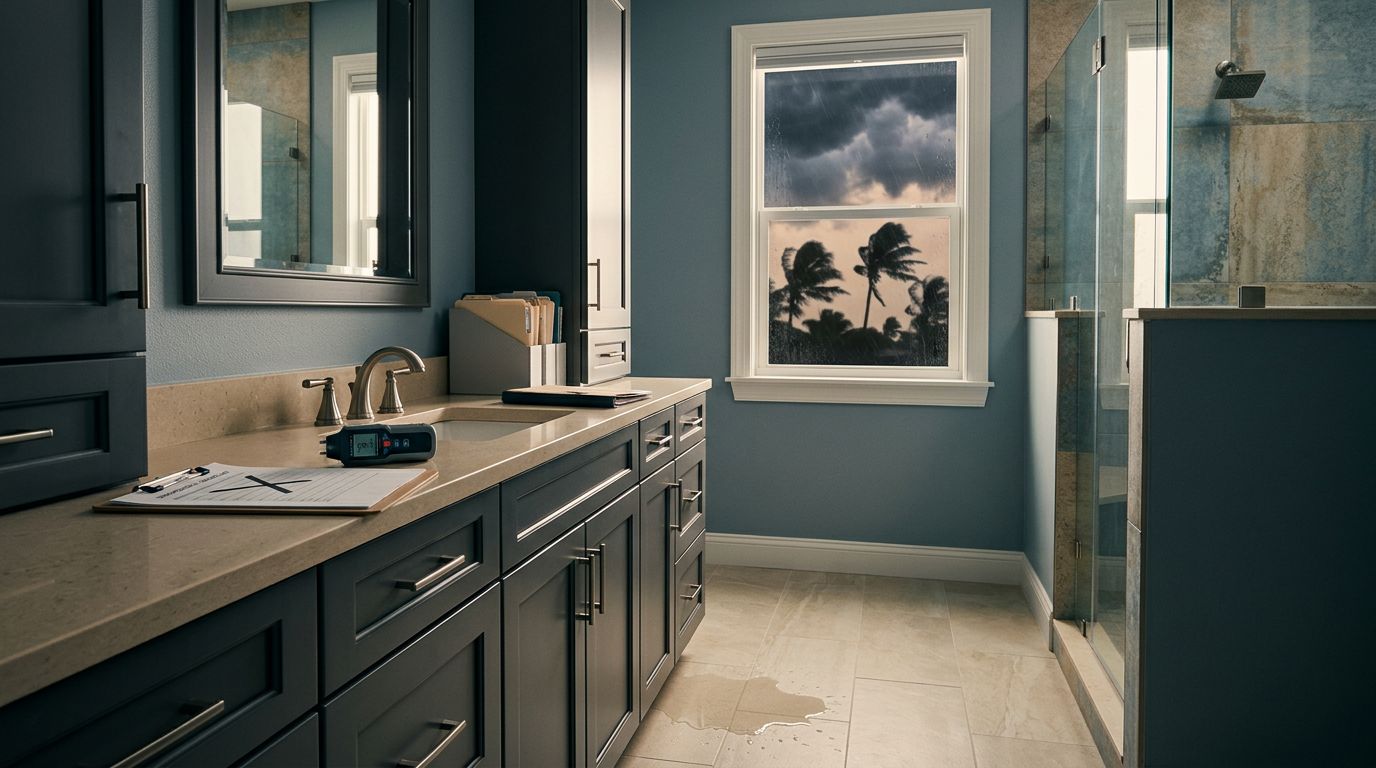
Moisture is another major concern. Humidity, roof leaks, plumbing leaks, and flood exposure can hide mold, soft subflooring, or damaged drywall. A bathroom may look fine until tile comes off. A kitchen may seem solid until the sink base is removed.
Coastal exposure also matters. Salt air and storm history can shorten the life of exterior materials, fasteners, windows, and finishes. If a remodel touches an exterior wall, lanai, opening, or door system, the risk of extra repair work goes up.
Permit timelines and code compliance can add cost too. Some homes need electrical, plumbing, or structural updates once the real scope is known. Condo rules can create another layer, since you may have access limits, noise limits, inspection windows, and approval steps before work can move ahead. That can affect labor time and scheduling.
Post-storm pricing volatility is real as well. After a major storm, material prices, labor demand, and subcontractor schedules can shift fast. A contingency helps absorb some of that pressure without forcing you to stop the project.
What contingency looks like in real projects
The right number makes more sense when you look at actual budgets. A few examples show how fast the reserve changes as the work gets more complex.
| Remodel type | Base budget | 10% contingency | 20% contingency |
|---|---|---|---|
| Small cosmetic refresh | $35,000 | $3,500 | $7,000 |
| Mid-size kitchen | $85,000 | $8,500 | $17,000 |
| Full bathroom remodel | $60,000 | $6,000 | $12,000 |
| Whole-home renovation | $220,000 | $22,000 | $44,000 |
A cosmetic refresh may only need paint, flooring, trim, and a few fixtures. Even then, a small reserve helps if a floor is uneven or an outlet needs relocation.
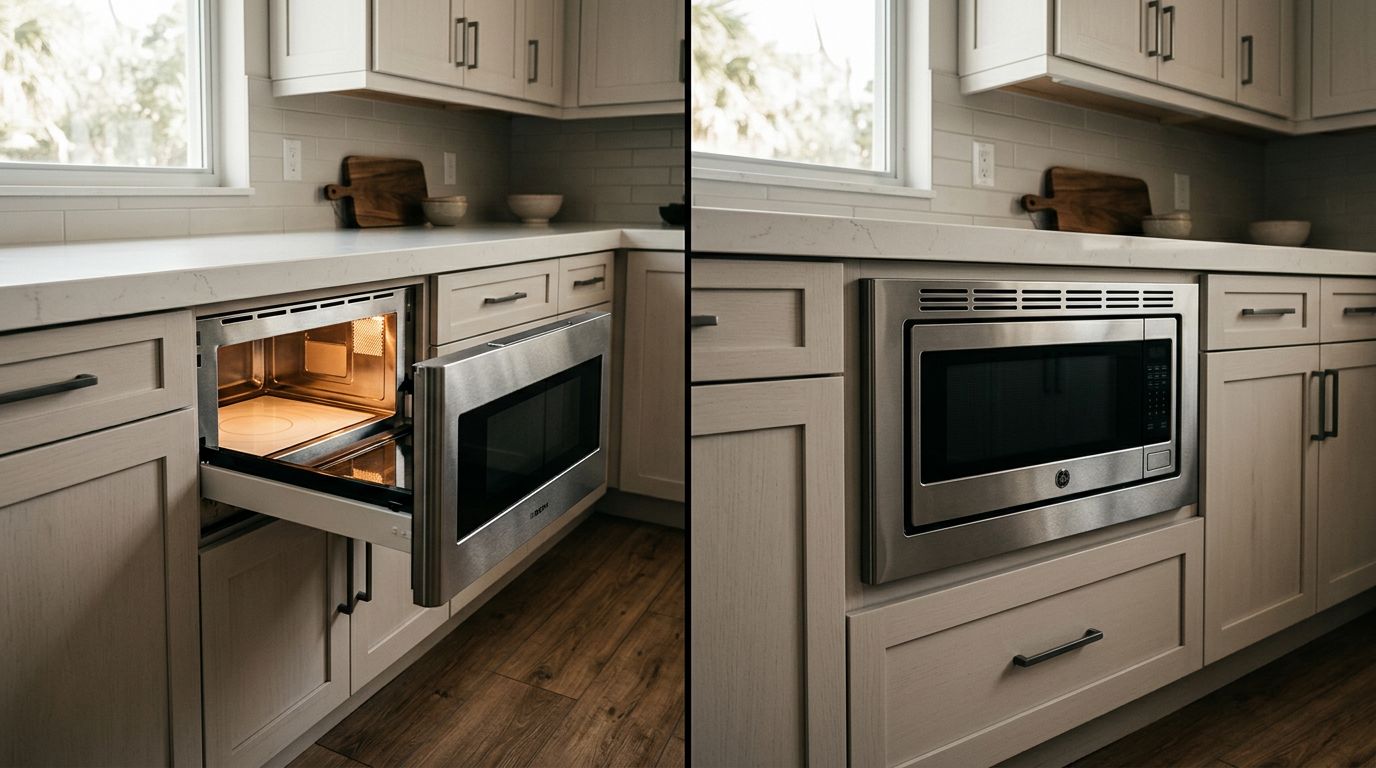
A kitchen remodel usually carries more risk because the work touches plumbing, electrical, cabinets, appliances, and often the layout. If you're comparing scopes, a page like complete kitchen remodeling solutions can help you think through how much of the room is changing.
Bathroom projects often need the highest percentage per square foot. Water damage, bad waterproofing, and subfloor repairs can add cost fast. For a project with those moving parts, bathroom remodeling services are a good reference point for the amount of work these spaces can require.
Whole-home renovations need the largest cushion because the unknowns stack up. Once multiple rooms, systems, and finishes are involved, the contingency should be sized for real discovery, not optimism.
How to set the number with your contractor
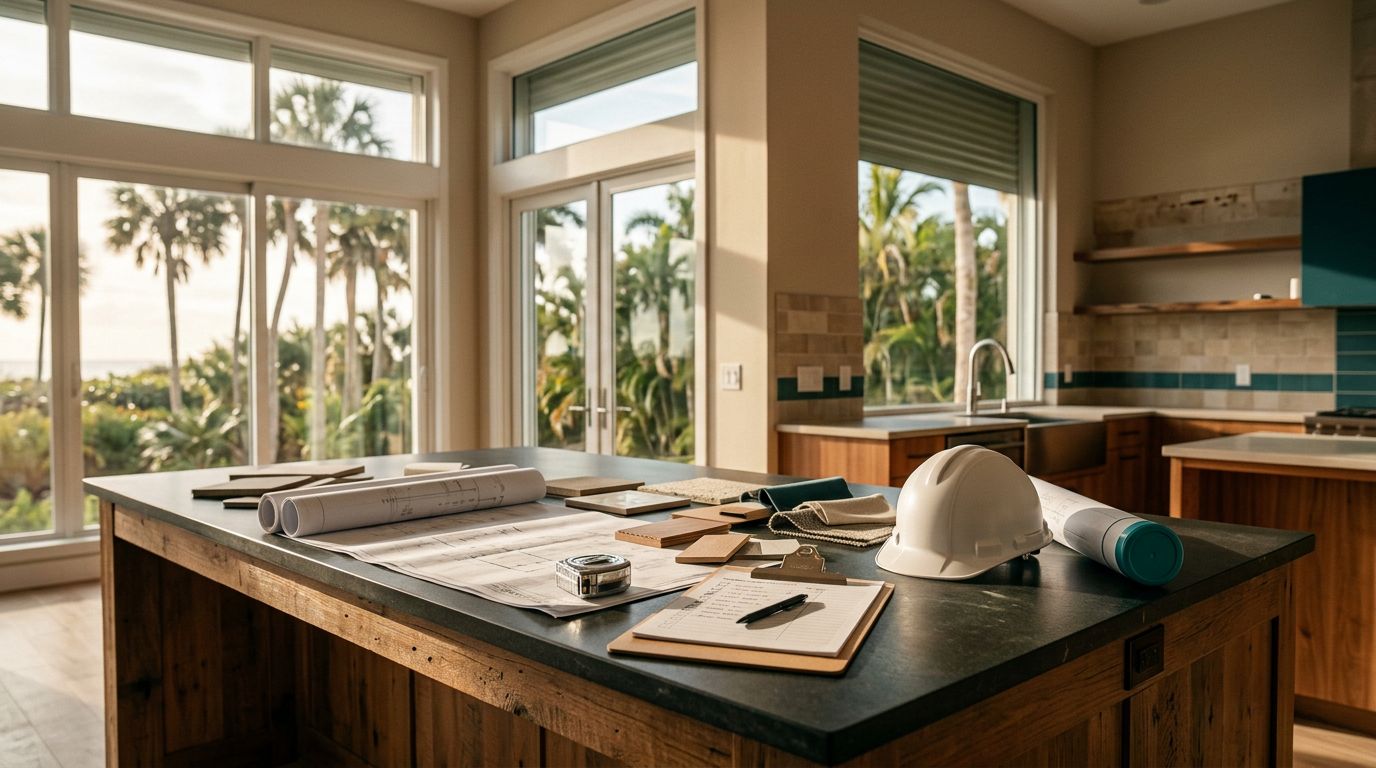
The best contingency plan starts with a clear conversation before demo day. Ask how the contractor handled hidden damage on past Southwest Florida projects. Ask what is included in the base price and what would trigger a change order.
A few questions help keep the budget honest:
- Ask whether the estimate includes likely code upgrades.
- Ask if demo is expected to reveal plumbing or electrical issues.
- Ask how moisture or mold problems are priced if they appear.
- Ask whether permit delays could affect labor or material costs.
- Ask how condo rules or HOA limits might change the schedule.
A good contractor or design-build team should be able to explain where the risk sits. If they seem vague, that usually means the budget needs more detail.
It also helps to decide how contingency will be used. Some homeowners keep it in a separate account. Others let the contractor hold the amount in reserve and draw from it only after approval. Either way, the point is control. You want to spend it on real needs, not on guesswork.
If you are still shaping the scope, Get a Free Estimate and ask for a line item that shows the base build, allowances, and contingency separately. That makes the numbers easier to compare and keeps the project from feeling fuzzy later.
Conclusion
A smart remodel budget gives the visible work and the hidden risk their own space. In Southwest Florida, that extra space matters because moisture, older materials, code updates, and storm exposure can change the job after demo begins.
For light cosmetic updates, a smaller reserve may be enough. For kitchens, bathrooms, and whole-home remodels, a larger contingency budget gives you room to respond without scrambling.
The clearest path is simple, ask for a detailed estimate, separate contingency from the base price, and talk through the local risks before the first hammer swings.