Cast Iron Pipe Replacement Costs in Southwest Florida for 2026
If your older Southwest Florida home has slow drains, sewer smells, or damp spots near a slab, cast iron pipe costs can rise fast. In 2026, a plumbing problem that looks small on the surface can turn into a major project once the line sits under concrete or finished flooring.
Homes in Cape Coral, Fort Myers, Naples, Punta Gorda, Sanibel, and nearby areas often have cast iron drain lines that are reaching the end of their useful life. The final price depends on access, damage, and how much of the system has to come out.
That is why two houses with the same symptom can get very different estimates. One may need a simple repair, while another needs concrete cut, pipe replaced, and finishes put back together.
What homeowners in Southwest Florida are paying in 2026
A quote for cast iron work includes much more than pipe. Labor, access, cleanup, and finish repair can change the total a lot.
| Scope of work | Typical 2026 cost range | Best fit |
|---|---|---|
| Spot repair | $500 to $2,500 | One small break with easy access |
| Partial replacement | $3,000 to $10,000 | A short bad run or one bathroom group |
| Trenchless sewer repair | $8,000 to $20,000 | A sewer line that can be lined without major demo |
| Full cast iron repipe | $12,000 to $30,000+ | Widespread corrosion or repeated failures |
On a per-foot basis, many projects land around $100 to $300 per linear foot , but hard-to-reach jobs can cost more. In many Southwest Florida homes, the big jump happens when the pipe is buried under slab, tile, or built-ins.
For a full replacement, the total often lands in the tens of thousands. If concrete has to be cut, flooring replaced, or drywall patched, the bill climbs again.
A low quote can leave out the messy parts, and those are often the parts that cost the most.
Why slab-on-grade homes cost more to fix
Older Southwest Florida homes are often built on slab. That works fine until the drain line fails. Then the pipe is no longer easy to reach, and the repair turns into a demo job.
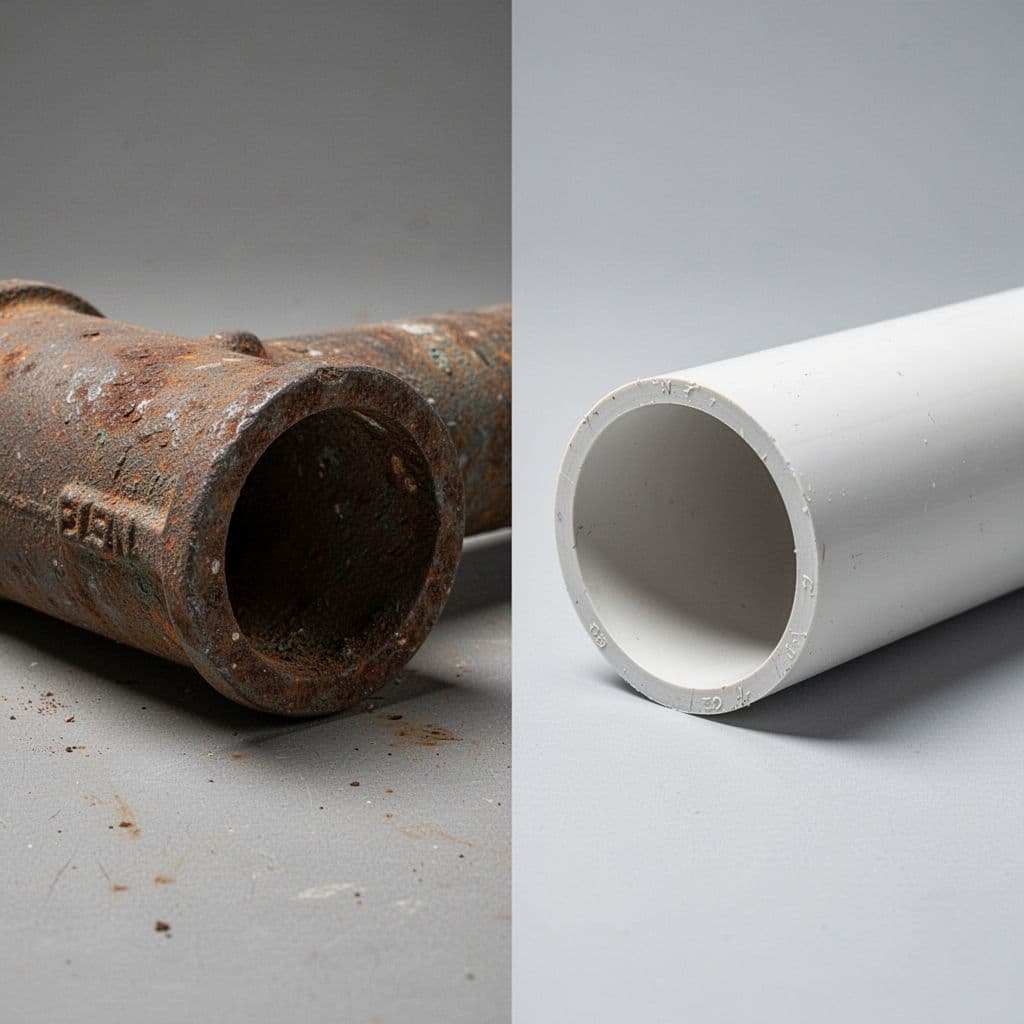
Cast iron fails from the inside out. Scale builds up, rust eats the walls, and the pipe gets rough enough to trap waste. Drains slow down first. Then backups, odors, and recurring clogs start showing up in more than one place.
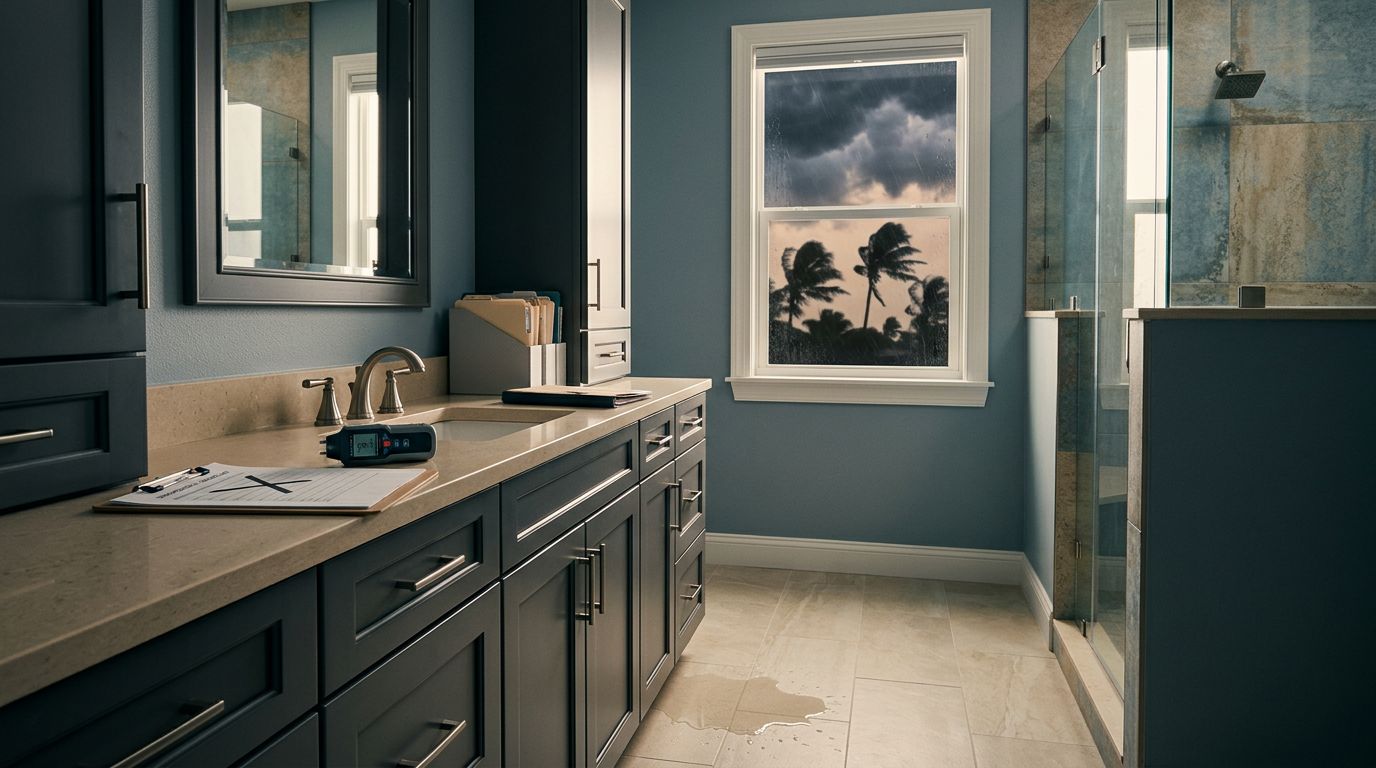
The high water table and damp soil in Southwest Florida can make problems harder to ignore. When a line leaks under a slab, you may not see water right away. You might only notice a musty smell, soft flooring, or a stain that keeps coming back.
Once a pipe sits below tile or concrete, you are paying for access as much as pipe.
That is the main reason estimates vary so much. One plumber may be pricing a short open wall repair, while another is pricing saw cuts, debris haul-off, patching, and final finish work.
Which repair option fits the damage?
The right fix depends on how far the damage has spread. A good contractor should explain why one option fits better than another.
Spot repairs still make sense in some cases
A spot repair works when the problem is small and isolated. Maybe one joint failed, or one short section rusted through, but the rest of the line still tests well. In that case, a repair can buy you time for a much lower cost.
This option works best when the pipe is easy to reach and the plumber can see healthy material on both sides of the bad section. It is less helpful when the pipe is brittle all over, because another leak may follow soon after.
Partial replacement is common in older homes
Partial replacement fits homes where one branch line, one bathroom group, or one section under a slab has failed. That is common in older slab-on-grade homes, where one part of the drain system aged faster than the rest.
This kind of work often lands between $3,000 and $10,000 , depending on access and finish repair. It is a solid middle ground when the damage is real, but not yet widespread.
Full repipe is the cleaner long-term fix
A full replacement costs more upfront, but it can stop the cycle of repeat calls. If the cast iron is thin in several spots, if backups move from room to room, or if a collapse points to more weak sections nearby, replacing the whole system usually makes more sense.
Many full jobs in Southwest Florida fall between $12,000 and $30,000 or more . Large homes, long runs, and finish work can push the number higher. That said, a full repipe can be cheaper than paying for repeated partial repairs over the next few years.
Trenchless repair can help, but only sometimes
Trenchless methods work on some sewer lines, especially when the pipe still holds its shape. They can reduce demolition and cut down on restoration work. That makes them appealing when the line is outside the main living area or when the damage is limited to a sewer run.
They are not the answer for every cast iron system. If the line has collapsed under a slab, or if branch lines inside the home are failing, open replacement is often the better choice. A trenchless quote should always explain what the line looks like now, not just what it costs.
Signs your cast iron pipes are failing
One slow drain does not prove the pipe is done. A pattern does.
- Multiple drains slow down at the same time.
- Toilets gurgle after a shower or sink use.
- Sewer odors show up near tubs, floor drains, or laundry areas.
- Water stains, peeling paint, or damp spots appear near walls or baseboards.
- Clogs keep coming back after snaking or cleaning.
If the same issue keeps returning, the pipe is telling you something. A camera inspection can help confirm whether the problem is scale, corrosion, a crack, or a partial collapse. Once the failures spread across more than one area, the case for replacement gets stronger.
How to budget without getting blindsided
The pipe price is only one piece of the budget. Ask whether the quote includes concrete cutting, debris removal, permit fees, patching, drywall repair, flooring, and paint. In Southwest Florida, those items can change the final total fast.
A smart budget also includes a contingency. Ten percent to twenty percent is common when the job involves opening walls or slabs, because no one sees every issue until the pipe is exposed. If the project runs through a kitchen or bath you plan to remodel later, it often makes sense to fix the plumbing before new finishes go in.
If you want a clear comparison, ask for three numbers. Get the cost to repair the bad section, the cost to replace the affected branch, and the cost to replace the whole line. That side-by-side view makes the decision easier.
If you're ready to compare options, Get a Free Estimate so you can see what your home actually needs before you open the slab.
Choosing the right contractor for the job
Cast iron work is messy, so the lowest bid is not always the best one. A solid contractor should explain where the line is failing, how much access is needed, and who handles the patching after the pipe goes in.
Ask for a written scope that names the pipe sections, the finish repairs, and the warranty. You should also know whether the crew will protect floors, dust-control the demo area, and clean up at the end of each day. Those details matter in occupied homes.
If you're comparing bids, client testimonials can tell you how a crew handles cleanup, communication, and surprise conditions. That matters even more in homes where plumbing work touches a future kitchen or bath remodel.
Conclusion
Cast iron pipe replacement in Southwest Florida costs more because access costs more. In 2026, a small isolated repair may still be the right answer, but repeated clogs, sewer smells, or several failing sections often point toward partial replacement or a full repipe.
The best estimate is the one that accounts for the slab, the finishes, and the cleanup. When those pieces are clear, you can compare bids with confidence and avoid paying twice for the same problem. A sound estimate starts with a real inspection, not a guess.