What Impact Window Replacement Costs Look Like in Southwest Florida for 2026
Southwest Florida homeowners are seeing a wide spread in impact window prices in 2026. Most replacements land around $800 to $1,500 per window installed , while full-house projects often reach $10,000 to $30,000+ .
That range can feel messy when you are comparing bids. The glass matters, but so do frame material, permit work, labor, and the condition of the opening.
If you are budgeting a remodel or custom build, the real number sits in the details. The sections below show where those dollars go and how to read them.
What impact window prices look like in Southwest Florida in 2026
Impact windows are sold as a full installed system, not as a box of glass. That means the quote should cover the product, removal of the old unit, labor, and the finishing work needed to close the opening cleanly.
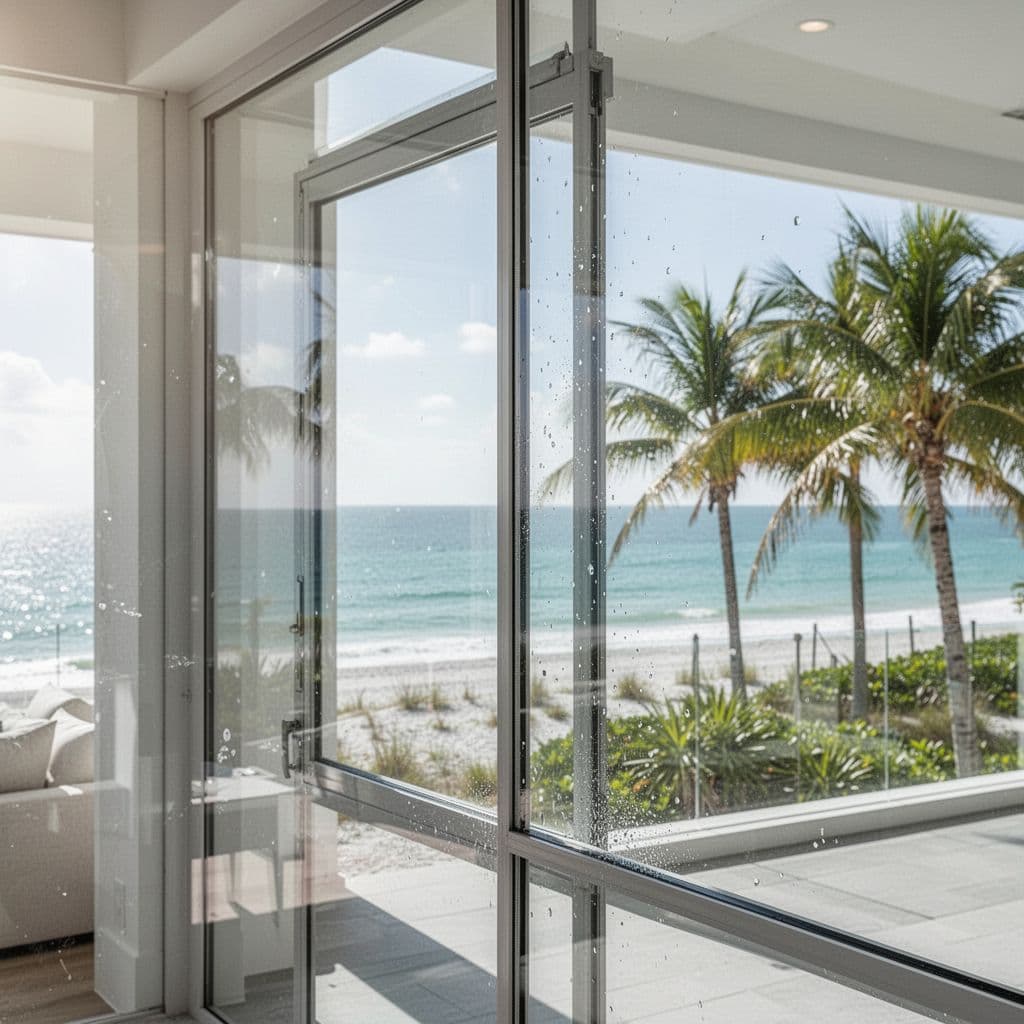
A standard replacement is one thing. A large opening on a coastal home is another. Once you move into bigger glass, custom trim, or a tougher install, the total rises fast.
Here is a practical 2026 snapshot for Southwest Florida:
| Project type | Typical installed cost | What it usually means |
|---|---|---|
| Basic impact window | $800 to $1,200 | Smaller openings, standard frame, simpler swap |
| Mid-range impact window | $1,200 to $1,800 | Casement or sliding units, better hardware, more finish work |
| Premium or oversized window | $1,800 to $3,000+ | Custom sizing, higher-end frame, large glass panels |
| Whole-home replacement | $10,000 to $30,000+ | Mixed sizes, permits, labor, and possible repairs |
A 12-window home at $1,200 each is already $14,400 before any repair work. That is why the average matters, but the site visit matters more.
A rough number on a website can help you start. It cannot tell you whether your opening is out of square, your stucco needs patching, or your trim is hiding water damage.
What changes the price of impact windows
The biggest cost shifts come from the opening itself. Two homes can look similar from the street, yet one quote may come in thousands higher because the details are not the same.
Window size and opening type
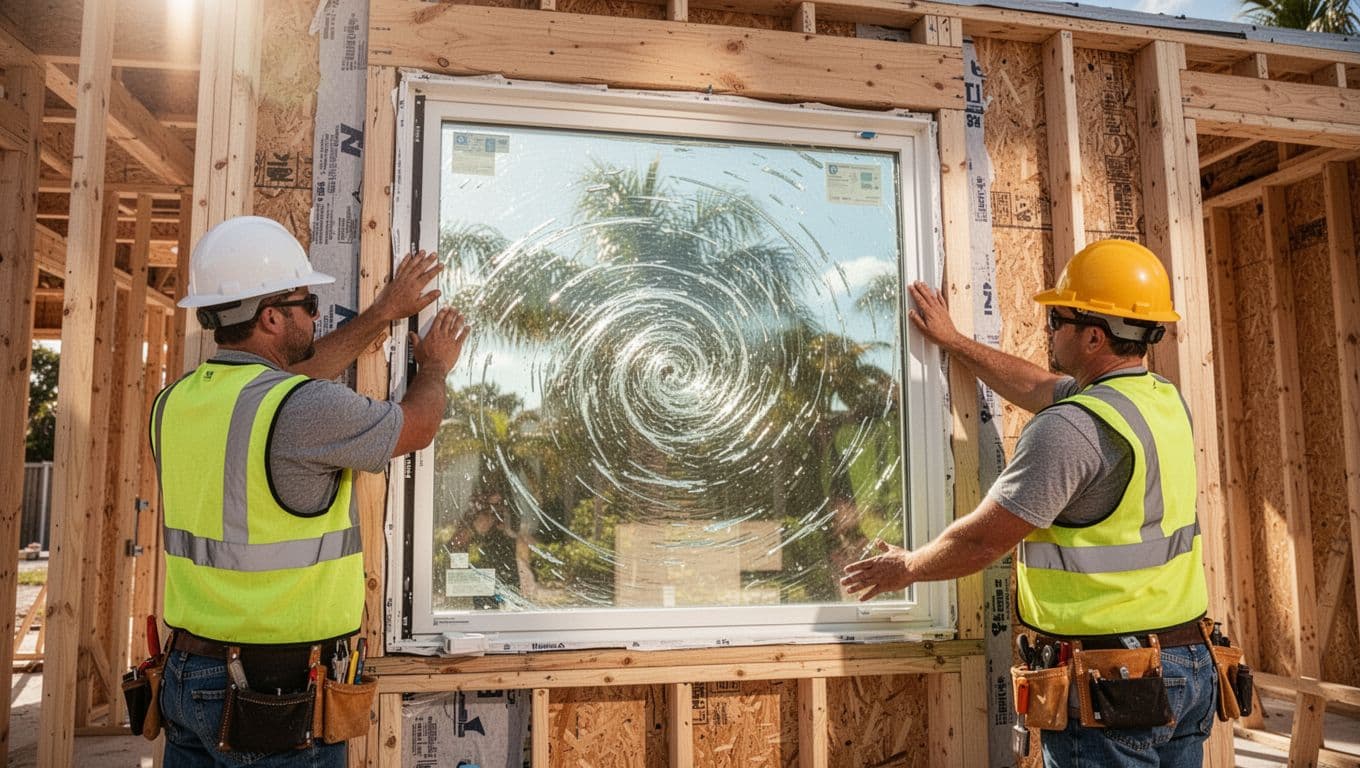
Larger windows cost more because they use more material and take more time to install. A picture window, a casement, and a sliding unit do not price the same way.
Single-hung windows often sit near the lower end of the range. Casement units usually cost more because of the hardware and moving parts. Large sliders and fixed glass walls can move the quote up quickly.
The opening shape matters too. A straight, standard swap is easier. A wide opening, an arched top, or a custom size needs more planning and more labor.
Frame material and glass package
Frame material changes the price more than many homeowners expect. Aluminum is common in Southwest Florida because it handles large openings well. Vinyl can be lower cost in some standard sizes. Fiberglass and composite frames often sit at the higher end.
Glass package choices also matter. Low-E coatings, better noise control, laminated layers, and stronger thermal performance can add to the total. In a hot climate, many homeowners pay extra for better comfort and reduced glare.
Labor, access, and hidden repairs
A clean swap is the cheapest kind of job. Once the crew has to work around second-story openings, tight driveway access, rooflines, or landscaping, labor goes up.
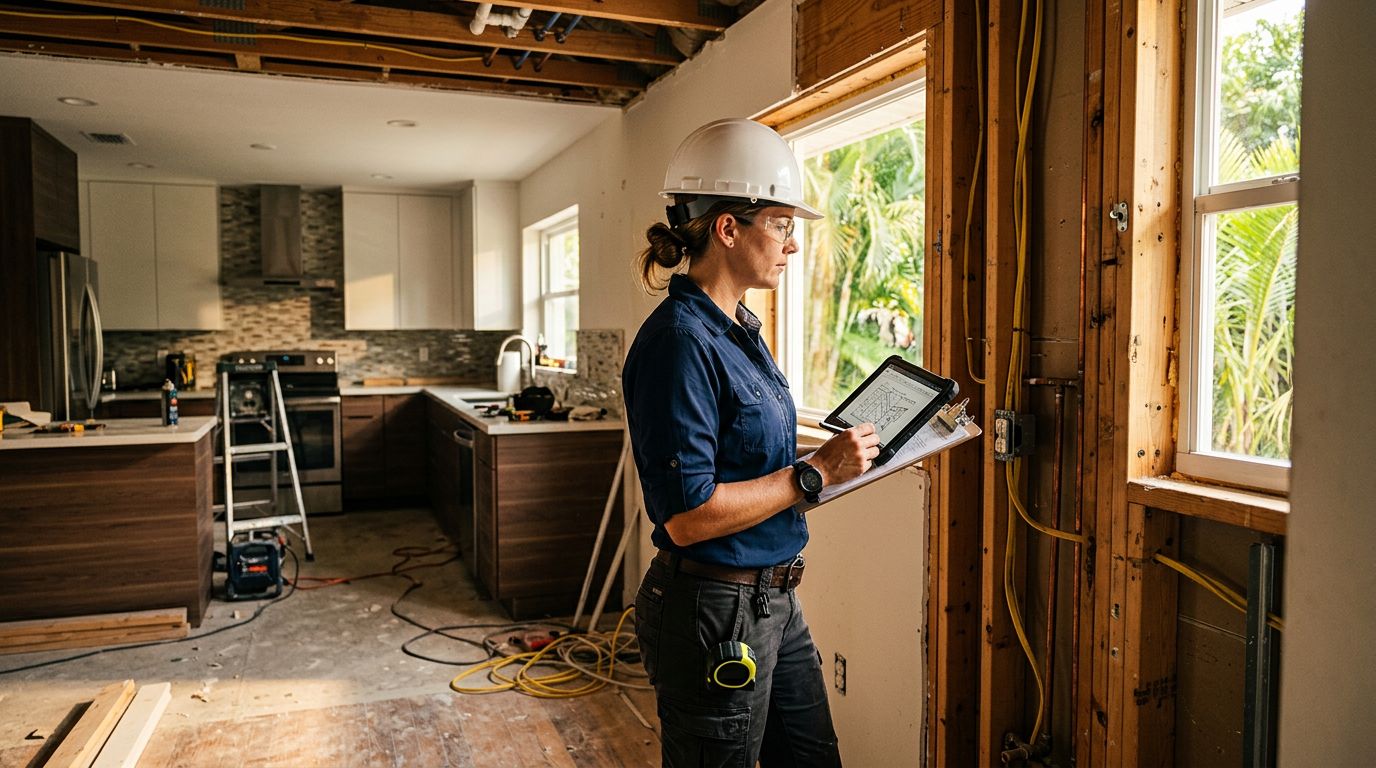
Older homes can hide extra costs. Rot around the sill, uneven framing, or damaged stucco often shows up only after the old window comes out. Then the quote changes because the installer has to repair the opening before the new unit goes in.
That is why two bids for the same number of windows can still be very different. The cheaper bid may assume the opening is perfect. The better one may assume reality.
Why Southwest Florida homes pay more
In Southwest Florida, the same window can cost more than it does inland. The reason is simple. Homes here deal with hurricane rules, corrosive air, and a busy labor market.
Code, permits, and inspections
Hurricane code compliance affects both the product and the installation. In many neighborhoods, the window has to meet local wind-load requirements and pass inspection. That means the installer needs the right product, the right fastening method, and the right paperwork.
Permits also add cost. Some jobs need more time for approvals, inspection scheduling, and document handling. If a city asks for revisions, the job can slow down and the budget can move.
This matters even more on barrier islands and other exposed areas. A home in Naples, Cape Coral, or near Sanibel may face different requirements than a house farther inland.
Coastal exposure and salt air
Salt air is hard on hardware, fasteners, tracks, and seals. Because of that, some homes need more corrosion-resistant parts and more careful sealing.
That extra protection is not a luxury in coastal zones. It is part of keeping the window working the way it should. Better materials usually cost more up front, but they often make more sense than replacing weak parts later.
Labor demand and seasonal schedules
Southwest Florida keeps contractors busy. When demand spikes before storm season or during a busy remodeling cycle, labor rates can rise.
That pressure affects scheduling too. Crews with full calendars are less flexible, and rushed jobs cost more than planned ones. A homeowner who wants a quick turnaround may pay for it.
A quote that looks cheap may simply leave out permit fees, repair work, or the finish details that make the project hold up in coastal weather.
How to budget for a full-home replacement
Whole-home budgeting gets easier when you stop looking at each window alone. The project is usually a stack of small costs, and a few of them only show up after demo.
| Home size or project mix | Rough installed budget | What usually drives it |
|---|---|---|
| 8 to 10 windows | $8,000 to $15,000 | Standard sizes, modest prep, fewer repairs |
| 11 to 15 windows | $12,000 to $25,000 | Mixed sizes, permits, trim work, and labor |
| 16+ windows | $20,000 to $40,000+ | Larger homes, premium glass, more complex installs |
Those ranges work best as planning numbers. They are not a promise, and they are not a ceiling.
A smart budget also keeps room for the surprises that show up after the old window comes out. The most common add-ons are small, but they add up fast.
- Old trim and paint that need touch-up work.
- Stucco or drywall patches around the opening.
- Rot or water damage in older framing.
- Hardware or glass upgrades once you compare options.
If you are replacing windows one side of the house at a time, start with the most exposed elevations. West and south sides take a beating from sun and weather. If the project is bigger, it often makes more sense to do all openings together so the finish work matches.
That approach also helps with scheduling. One mobilization, one cleanup, and one inspection cycle usually beat multiple small trips.
What a good estimate should include
Good estimates are clear enough that two bids can be compared line by line. If one quote is vague, it is not easier to understand, it is easier to hide things in.
A solid estimate should spell out these items:
- The exact number and size of windows.
- The product line or performance spec.
- Removal and disposal of the old windows.
- Permit and inspection costs.
- Trim, caulk, drywall, stucco, and paint repairs.
- Warranty details for both product and labor.
If those items are missing, the final bill can change after the job starts.
A strong portfolio helps too. If you want to see how finished work should look, browse completed remodeling projects. That gives you a better sense of finish quality, alignment, and cleanup before you sign anything.
If you want a number tied to your home instead of a broad average, Get a Free Estimate. A site visit catches the things a phone quote cannot, especially in older homes and coastal neighborhoods.
When window replacement is part of a larger remodel
When windows are part of a bigger remodel, the schedule matters as much as the product choice. That is common in kitchen and bath projects, room additions, and custom homes.

If drywall is already open, the window work can fit into the same sequence. That cuts repeat trips, helps the paint and trim line up, and keeps the project from circling back to the same wall twice.
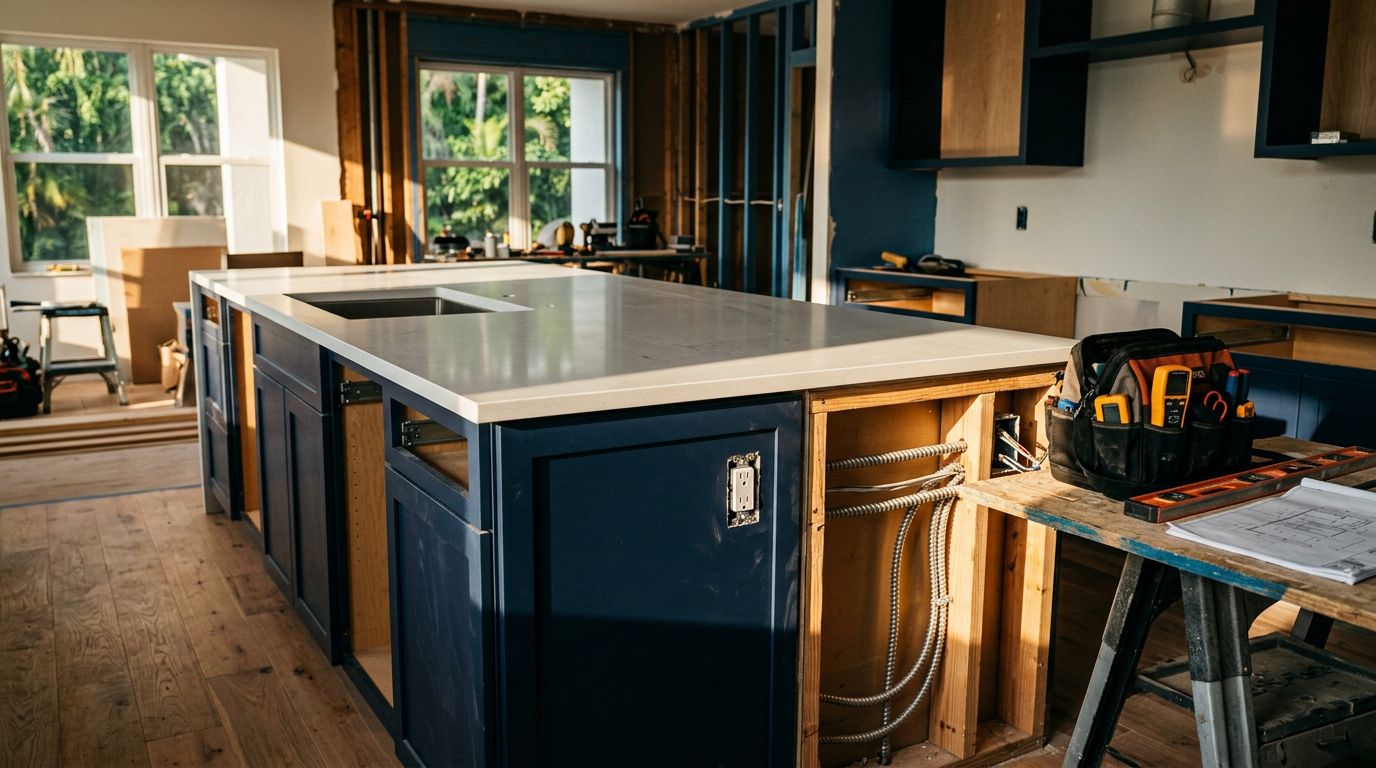
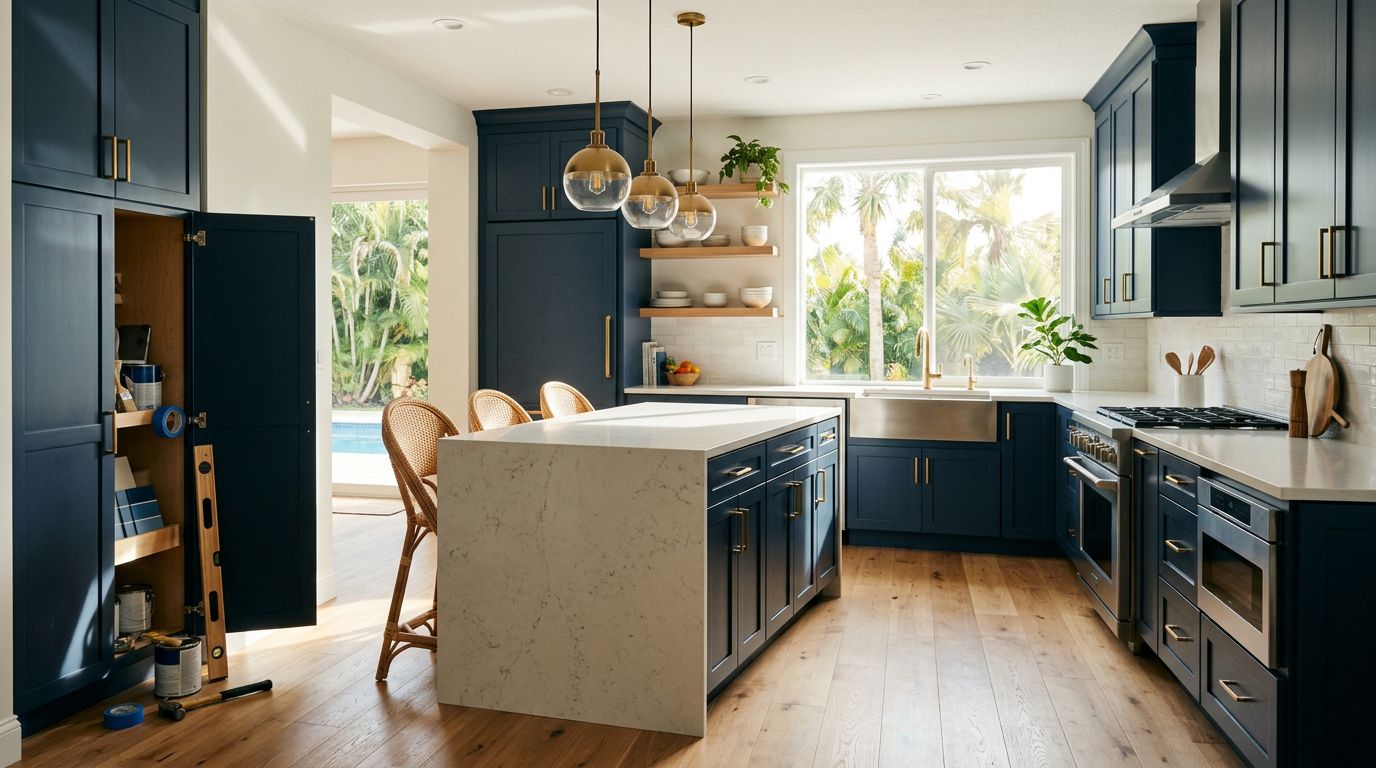
That timing matters even more in a full service kitchen renovation. Cabinets, trim, flooring, and natural light all work together. A new window can change the feel of the room, but only if the surrounding details are planned at the same time.
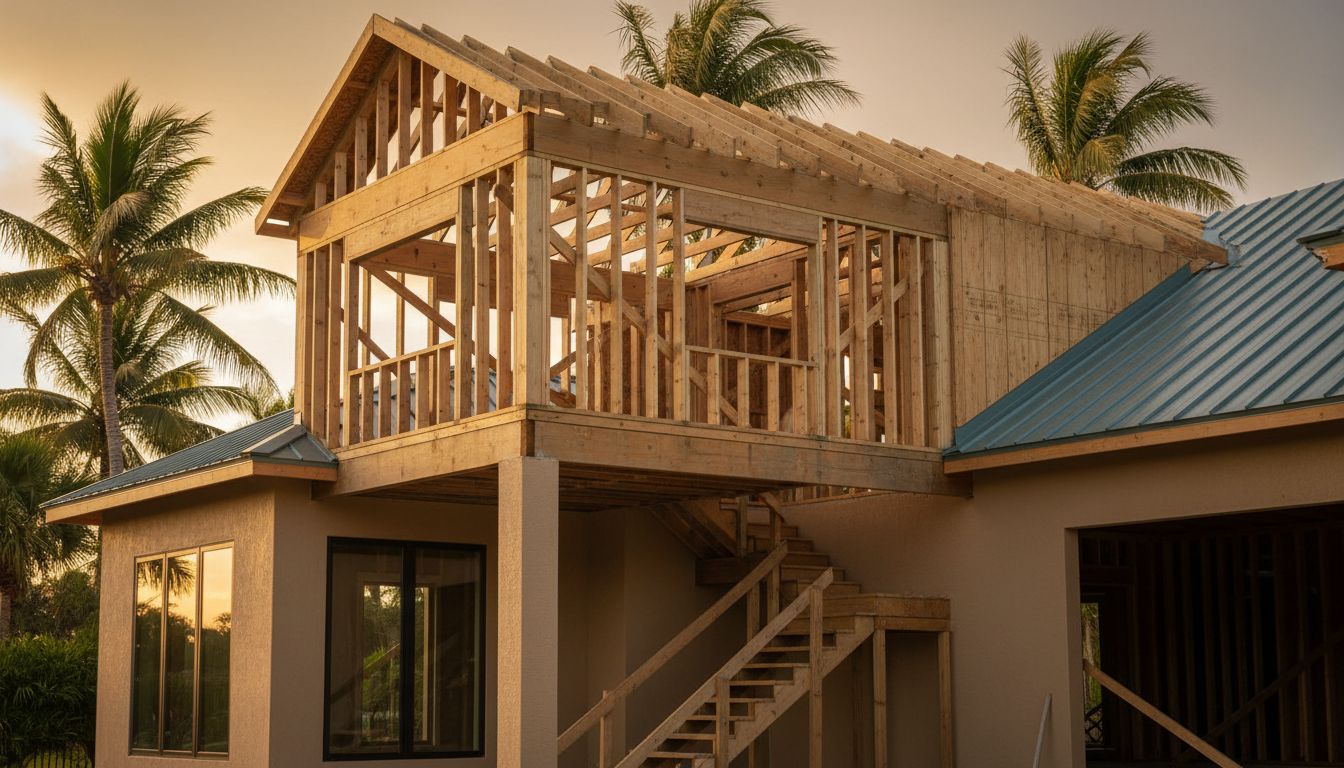
Custom home construction gives you another advantage. Window sizes, impact ratings, frame colors, and opening styles can be locked in before the walls close. That avoids change orders later and keeps the build moving.
For homeowners comparing remodeling options, the best plan is usually the one that treats windows as part of the whole house, not a separate add-on. The cost makes more sense, and the finished result usually looks cleaner.
The bottom line for your 2026 budget
Impact window pricing in Southwest Florida gets easier to read once you break it into parts. In 2026, many homeowners will spend $800 to $1,500 per window installed , but the final number depends on size, frame material, glass package, opening type, and repair work.
Southwest Florida adds its own pressure points. Hurricane code, permits, salt air, and strong labor demand can all move the price. That is normal here, not a surprise.
The safest budget is built from an onsite estimate, a clear scope, and a real look at the openings. When those pieces are in place, the numbers make a lot more sense.