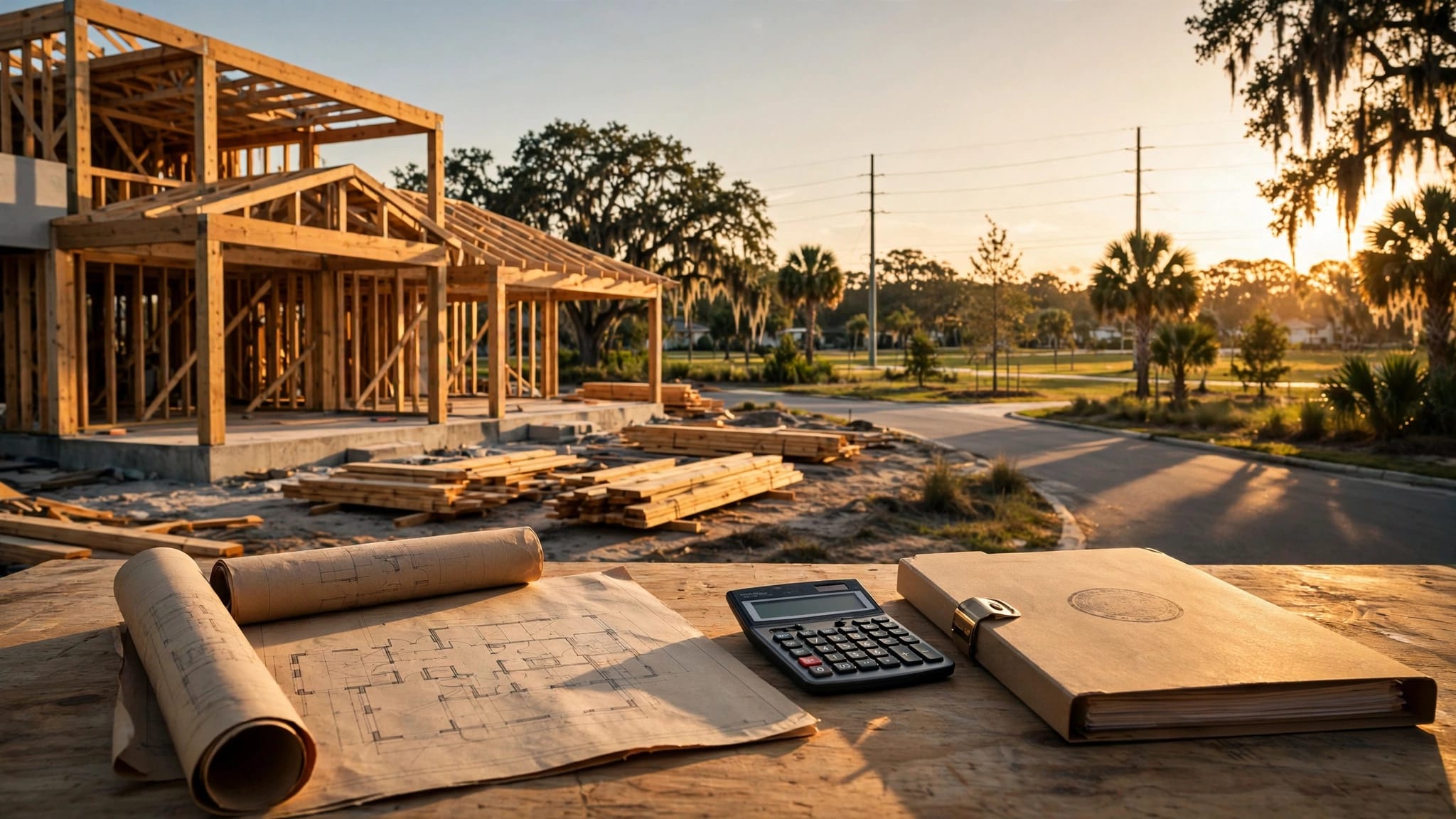
Florida 50 Percent Rule and Southwest Florida Remodels
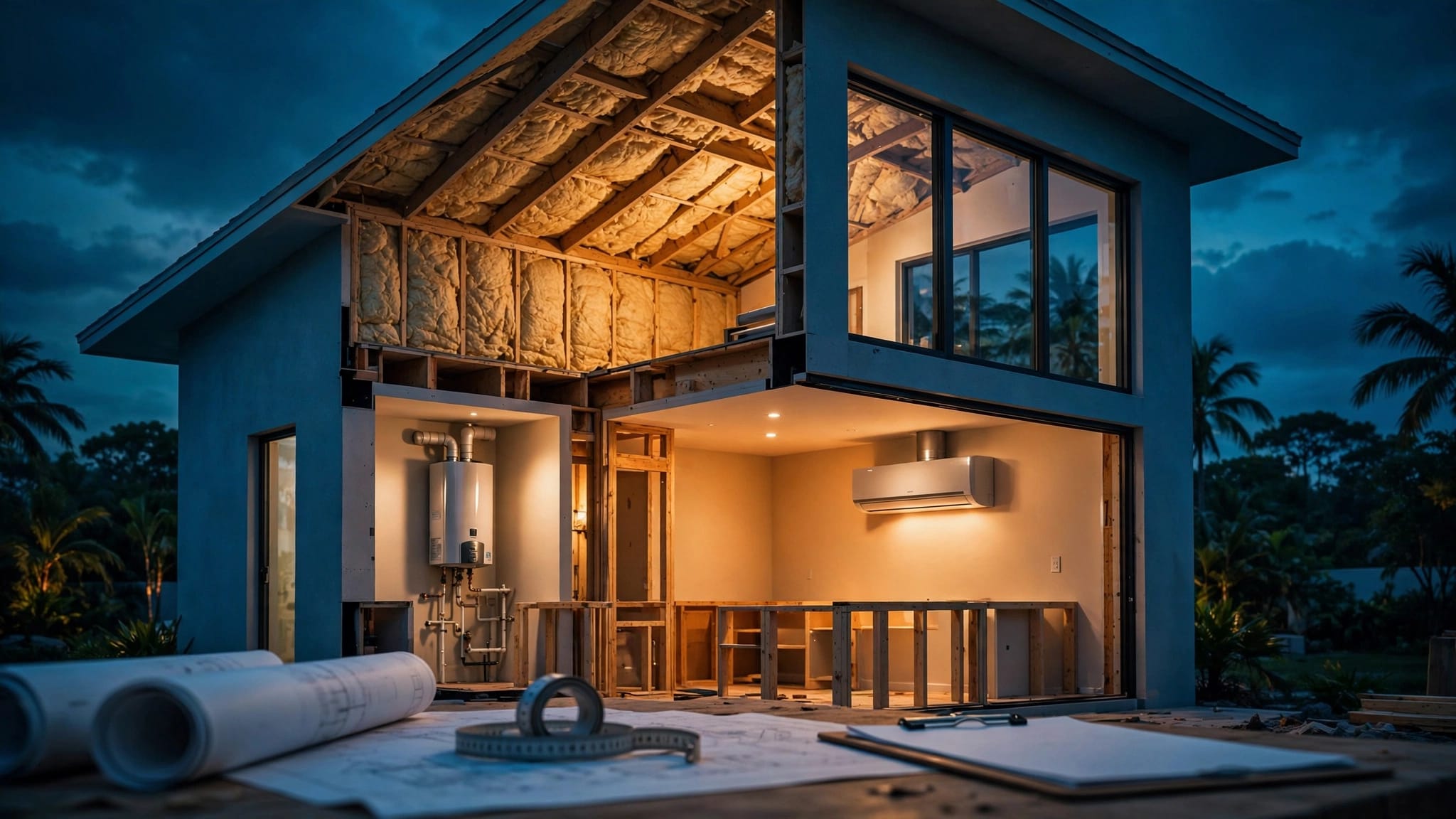
A remodel can look simple on paper and still trigger a much bigger code issue. In Southwest Florida, the Florida 50 percent rule is often tied to floodplain management, substantial improvement, and substantial damage rules, not a statewide cap on home updates.
That matters if your home is in an AE or VE flood zone, or if your property was hit by storm damage. It also matters for older homes, additions, and major kitchen or bath projects. The right answer depends on your city or county, so the safest move is to check early, before the drawings get too far along.
Why the rule matters in Southwest Florida
Southwest Florida homes face a special mix of risk. Wind, rain, storm surge, and high water all shape what a remodel can become. That is why the 50 percent rule is so important here.
In places like Cape Coral, Fort Myers, Naples, Punta Gorda, Sanibel, and nearby areas, local building departments look closely at work inside Special Flood Hazard Areas. If your home is in an AE or VE zone, your permit may need more than a standard remodel review. The project may also be reviewed through floodplain rules that affect elevation, structural work, and what has to happen if the home crosses the threshold.
In 2026, the core federal standard has not changed, but local handling still varies. Some departments rely on tax records, some want a current appraisal, and some review detailed contractor estimates. After storms, the process can become even more specific because damage reports and repair scope matter.
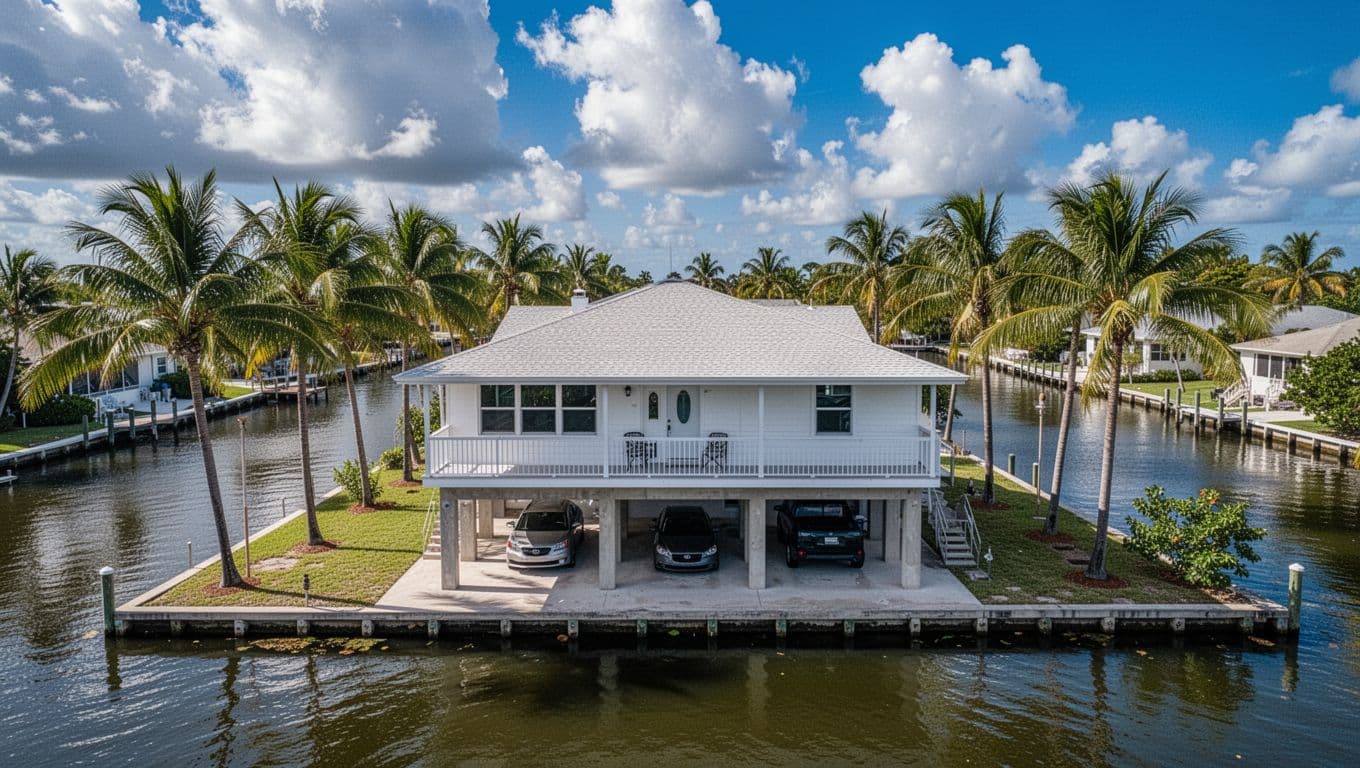
A higher home may already meet current flood standards. A lower one on the same street may need major changes before a permit moves forward. That difference can shape the entire remodel plan.
What the Florida 50 percent rule really measures
The biggest mistake homeowners make is thinking the rule looks at the total remodel budget in a simple way. It does not. The test is usually based on the cost of the work compared with the market value of the structure , before the project starts, with the land left out.
That means a home can cross the line even when the project feels modest. A kitchen upgrade, a bath remodel, new electrical work, and structural changes can stack up fast. It also means the numbers may include more than one permit if the work is tracked over time.
Here is a quick comparison of how the rule is usually applied:
| Situation | What gets reviewed | Why it matters |
|---|---|---|
| Interior remodel | Labor, materials, and related permit work | Small changes can add up fast |
| Post-storm repair | Cost to return the home to pre-damage condition | A large repair may trigger full compliance |
| Addition or major alteration | The full scope of the project | New space can push the total over 50% |
The key number is the value of the building, not the lot. That one detail changes the whole discussion.
The term substantial improvement usually covers renovations, additions, and upgrades. Substantial damage usually covers repairs after flooding, fire, or another event that damaged the structure. If the costs reach the threshold, the home may need to meet current flood requirements, which can mean elevation or other upgrades.
That is why valuation method matters so much. One local office may use a county record. Another may ask for a licensed appraisal. Another may want a line-item contractor estimate. The approach can change the result, so it pays to ask before you commit.
Remodels that often get close to the threshold
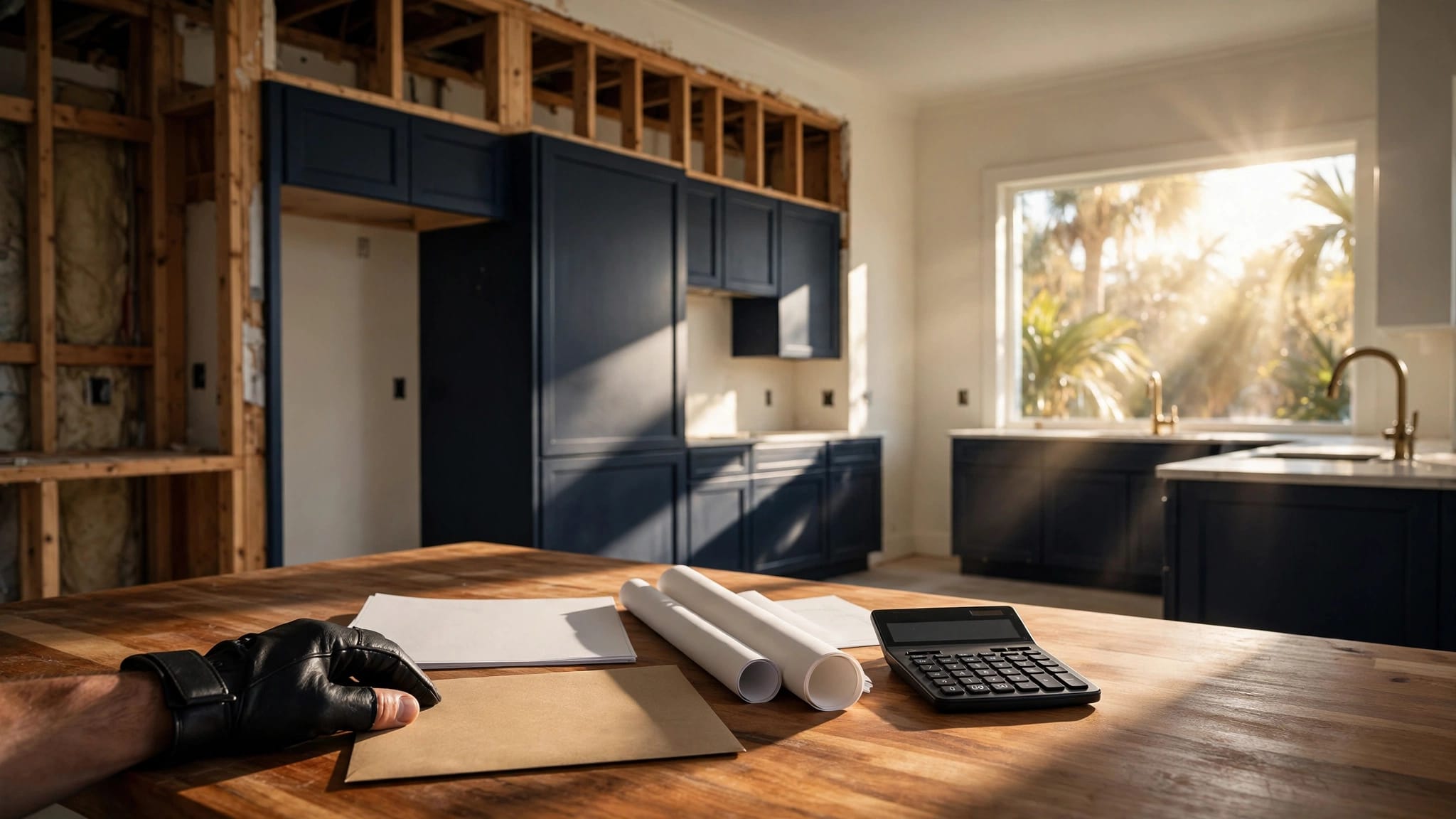
Some projects look manageable until the estimate is fully built out. Kitchens and baths are the most common examples. Once you start moving plumbing, updating electrical, changing layouts, or replacing worn finishes, the price can climb fast.
A full bath project is a good example. A simple refresh may stay below the line. A deeper renovation with a new shower, tub, tile, lighting, cabinets, and plumbing can move quickly toward the threshold. If your bath is part of a larger plan, bathroom remodeling should be reviewed early, especially in flood-prone neighborhoods.
Additions can also push a project closer to the 50 percent mark. A new bedroom, expanded kitchen, or extra living area often needs framing, roof tie-ins, HVAC changes, and finish work. That is why room additions are rarely just about square footage. They can affect structure, code, and flood compliance too.
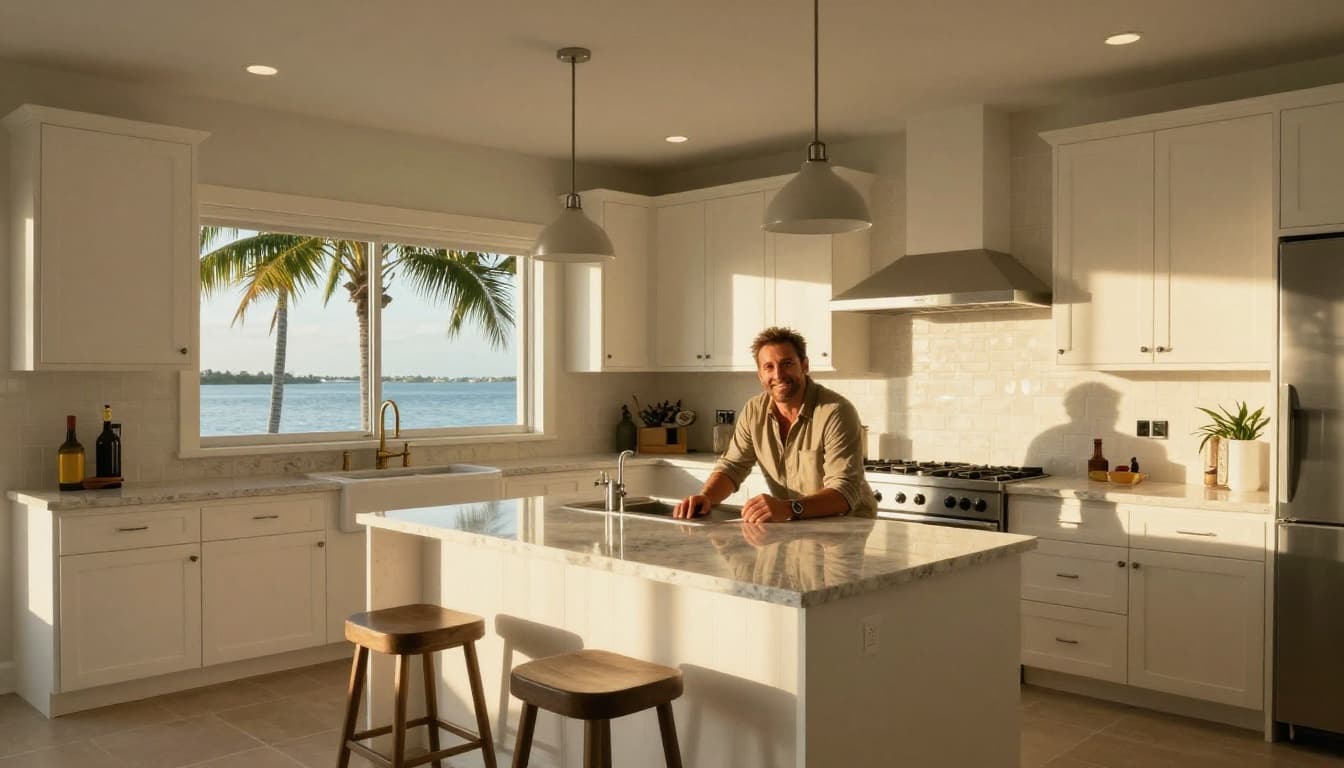
Older homes deserve extra attention. Many were built before today's flood standards. Once those homes need major repairs or updates, the gap between old conditions and current code can be large. That is often where homeowners get surprised.
Whole-home updates can do the same thing. New flooring, cabinets, baths, windows, doors, HVAC, and structural work may each feel reasonable on their own. Put together, they can trigger the rule.
When repairs turn into a rebuild
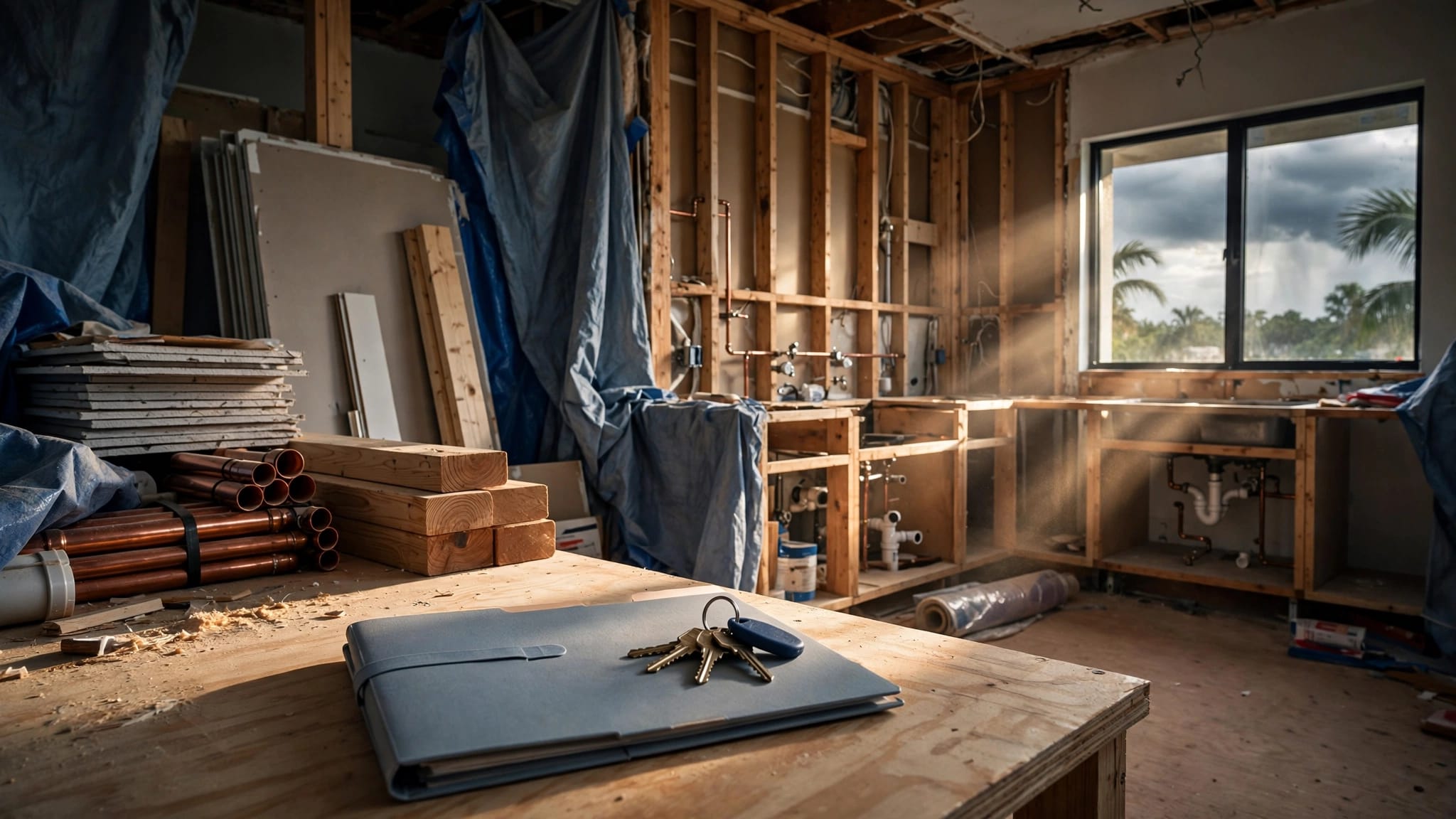
After a storm, the 50 percent rule can become a hard stop if damage is severe enough. That is especially true in coastal areas and in VE zones, where wave action and structural rules are stricter. In those cases, the project may need to meet current flood requirements across the whole structure.
Slab-on-grade homes can be the hardest to fix within the rule. If the home needs to be raised, the repair path may become too expensive or too complex. At that point, owners often compare a major repair with a full rebuild.
That is where planning matters. A property owner may need to decide whether to keep the existing footprint or move toward a new design. If that happens, working with a custom home builder and a design professional can help you understand the cost difference before permits are submitted.
The goal is not to panic. The goal is to avoid a half-finished plan. A home can still be renovated in many flood-prone areas, but the scope has to match the code path. If the project crosses the threshold, the whole house may need to come up to current standards, not just the rooms you are changing.
How to plan before you start
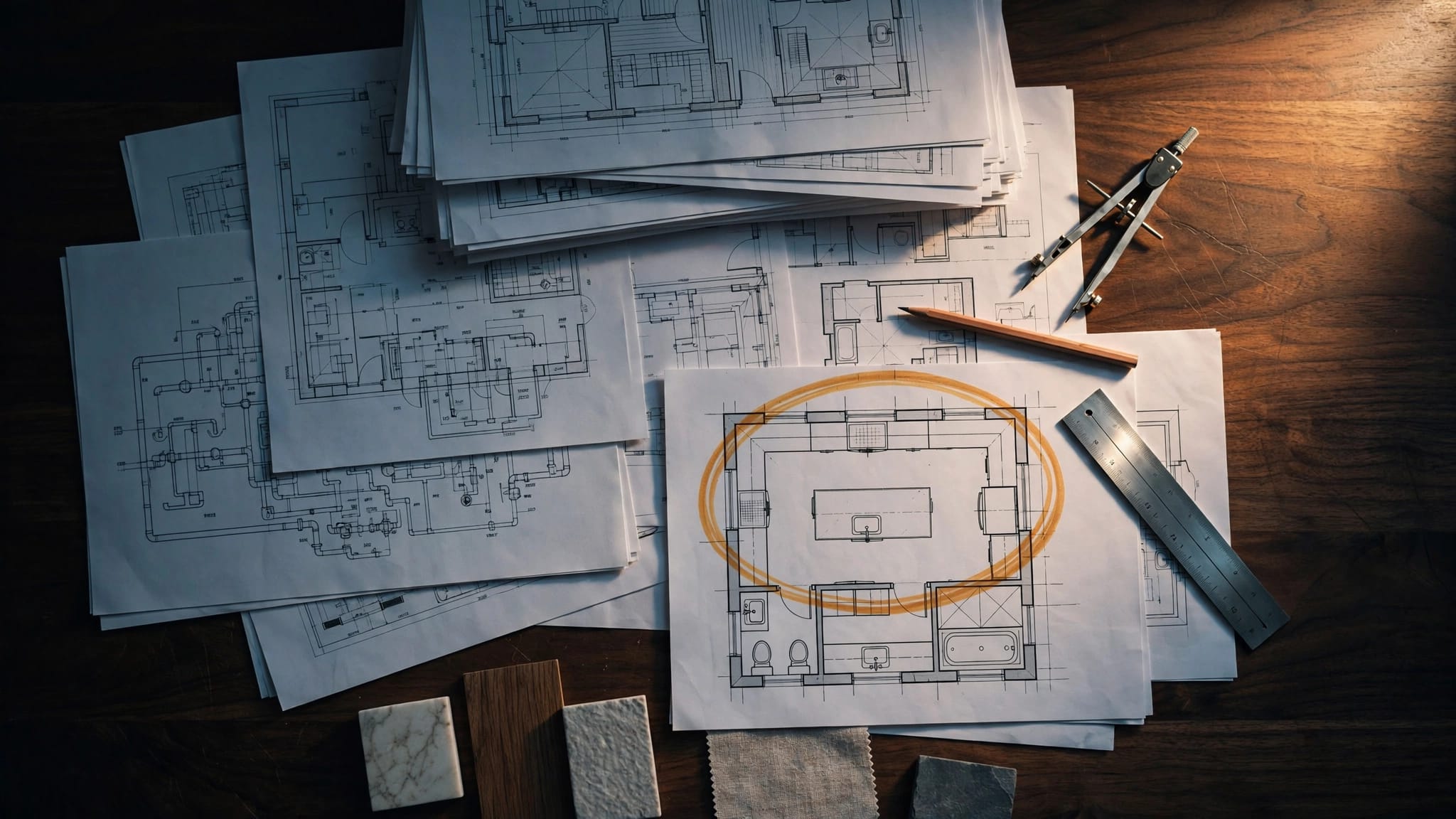
A few early checks can save months of delay. Before you sign off on drawings or demolition, gather the facts that your local office will ask for.
- Confirm the flood zone and ask whether the home sits in a Special Flood Hazard Area.
- Ask the city or county building department how it values the structure for the 50 percent test.
- Request a detailed contractor estimate that separates labor, materials, and major trade work.
- Have a designer, builder, or engineer review structural changes before permits are filed.
Those four steps help you see the real picture before the project grows. They also make it easier to compare a remodel with a larger rebuild if the numbers get close.
If you are planning a kitchen, bath, addition, or post-storm repair, Get a Free Estimate early so the scope can be checked against likely permit requirements. Then confirm everything with your city or county building department, floodplain manager, contractor, and design professional.
Conclusion
The Florida 50 percent rule is not a simple statewide remodeling limit. In Southwest Florida, it is part of floodplain management, and it can change the direction of a project fast.
The safest approach is to check the zone, confirm how value is measured, and look at the full scope before work starts. That way, your remodel has a clear path, whether you are updating a bath, adding space, or deciding if a rebuild makes more sense.