How Long Does a Whole Home Remodel Take in Southwest Florida?
A whole-house remodel can move faster than a custom build, but it still takes months, not weekends. In Southwest Florida, the schedule depends on permits, HOA review, coastal code rules, material lead times, and how many decisions you make before work starts.
A light remodel may wrap up in a few months. A full gut with custom finishes can run much longer. The best way to read a whole home remodel timeline is by stage, because each phase has its own pace.
The short answer for most Southwest Florida remodels
For many homeowners, the total timeline falls into one of three rough bands.
| Project type | Typical total time |
|---|---|
| Light whole-home refresh | 3 to 5 months |
| Mid-range remodel with kitchen, baths, and finishes | 6 to 9 months |
| Full gut with structural work and custom selections | 9 to 12+ months |
Those ranges include planning and construction, but not every project moves in a straight line. A small design change can add days. A permit correction can add weeks. Custom products can add even more time.
If your home needs layout changes, updated electrical, new plumbing, or high-end finishes, plan for the longer end of the range. If you are mostly keeping the floor plan and replacing surfaces, the schedule is usually shorter.
Why Southwest Florida remodels often take longer
Local conditions matter here more than many homeowners expect. In a coastal market, the clock is shaped by both the house and the rules around it.
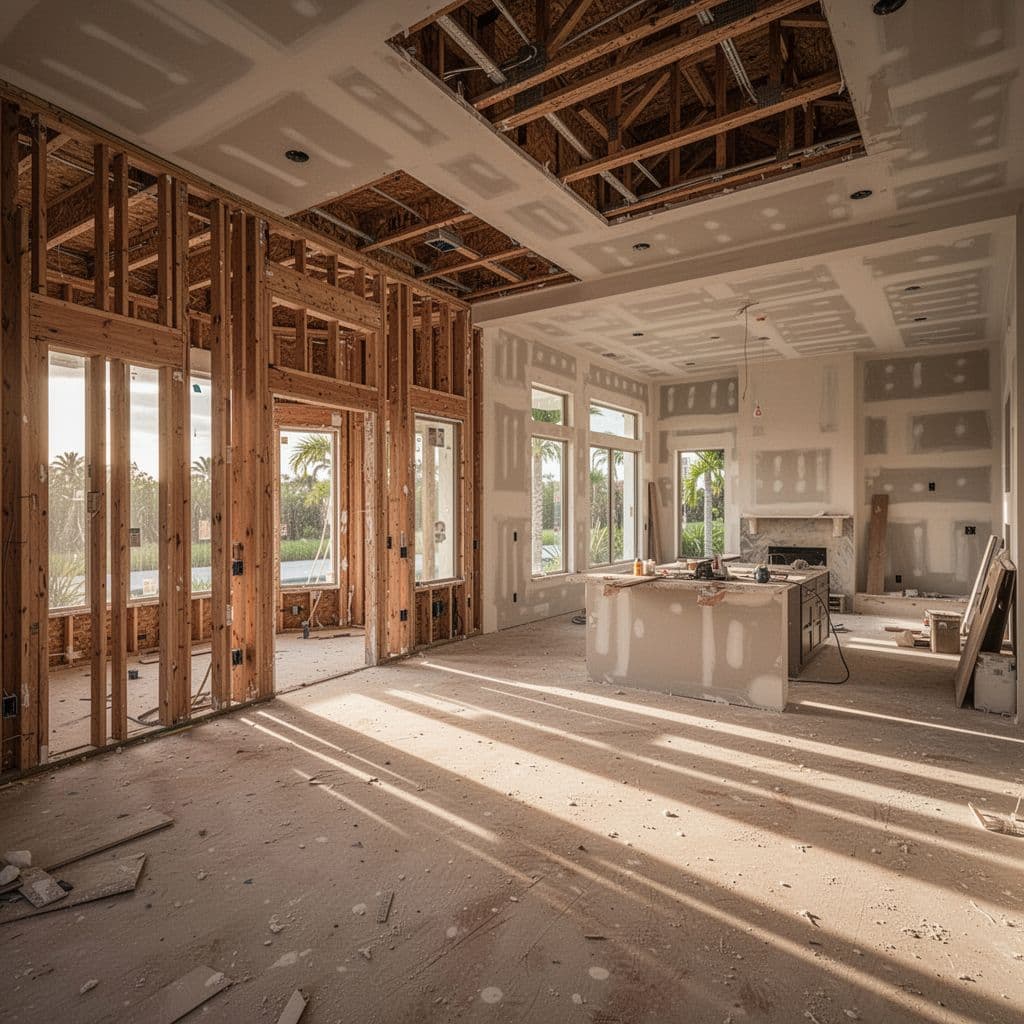
Permit processing is one of the biggest variables. Cities and counties in Southwest Florida often need detailed plan sets, engineering, and product approvals before work can begin. HOA approvals can add another layer, especially in planned communities and condo-heavy areas.
Coastal code requirements also slow some projects down. Impact-rated windows, wind-rated doors, flood-zone details, and hurricane-related rules can affect both design and ordering. Storm season adds risk too. When weather threatens deliveries or inspection schedules, work can slip.
The most common slowdowns usually come from four places:
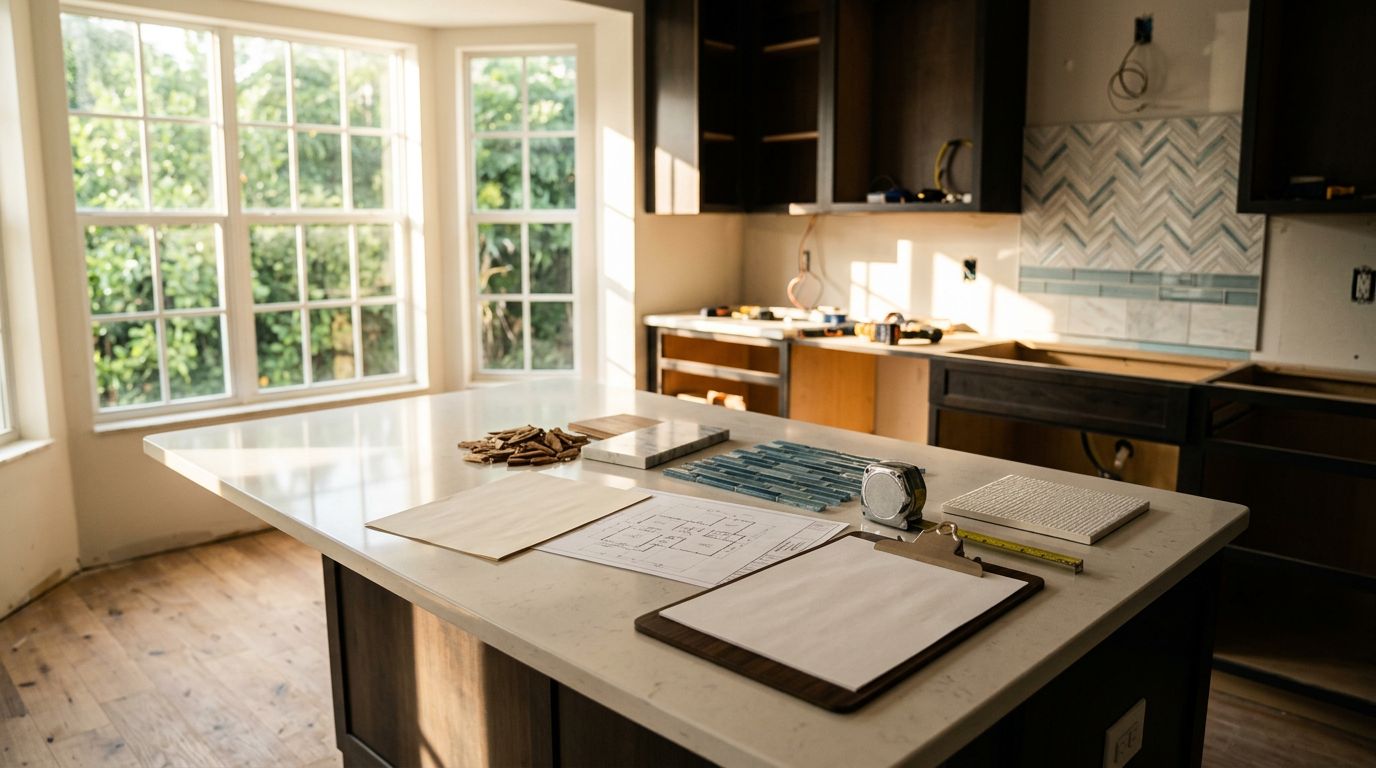
- Late selections : Cabinets, tile, fixtures, and appliances take time to order. If you are still choosing them during demo, the job can stall.
- Hidden conditions : Once walls open up, crews may find old water damage, outdated wiring, or structural repairs.
- Inspection timing : Rough-in inspections and final inspections must pass before the next step moves ahead.
- Supply delays : Custom cabinets, specialty tile, and made-to-order windows often have the longest lead times.
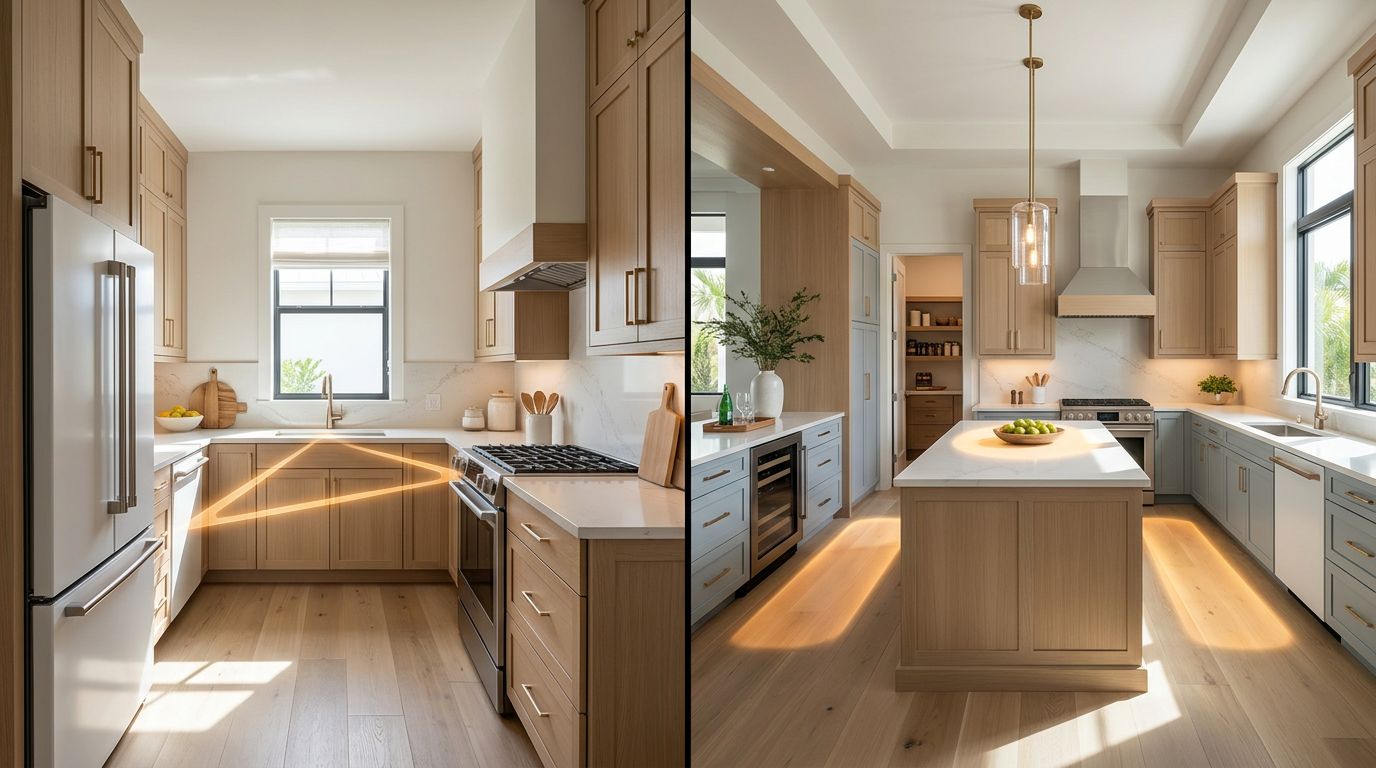
For a deeper look at how room choices affect scheduling, it helps to review custom kitchen remodeling services and bathroom renovation options early in the process. Those spaces often set the pace for the rest of the house.
Pre-construction usually takes the most patience
Many homeowners focus on demo day, but the real schedule starts before the first wall comes down. Pre-construction covers design, budgeting, engineering, selections, and permits. In Southwest Florida, that stage can take a few weeks for a simple remodel or several months for a larger one.
The more custom the project, the more time you need up front. A house that keeps the same layout and uses standard finishes will move faster. A project with new walls, new plumbing lines, or custom cabinetry needs more planning.
The fastest projects are the ones where the plan is finished before demolition starts.
That sounds simple, but it matters. When selections are locked in early, the builder can order materials, schedule trades, and line up inspections without waiting on choices.
If you already know the scope, you can Get a Free Estimate and use that conversation to compare your wish list against a realistic schedule.
What happens during construction, stage by stage
Once the paperwork is cleared, the actual remodel moves in a clear order. The time spent in each phase depends on project size, home condition, and how many rooms are affected.
| Stage | What happens | Typical span |
|---|---|---|
| Demolition | Old cabinets, flooring, fixtures, and walls come out | 1 to 2 weeks |
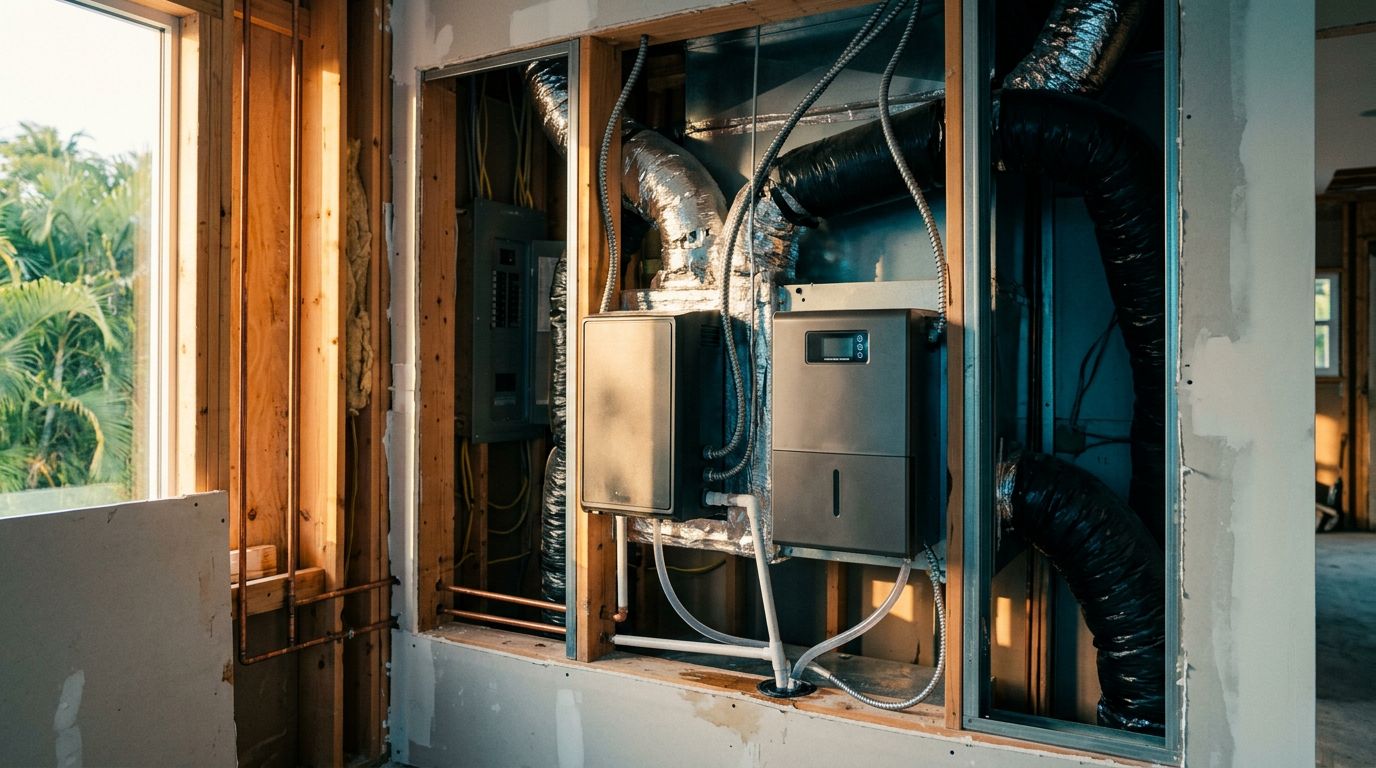
| Rough-ins | Plumbing, electrical, HVAC, framing, and any structural work go in | 2 to 4 weeks |
| Rough inspections | Inspectors review hidden work before walls close | Several days to 2 weeks |
| Drywall and paint prep | Insulation, drywall, mud, sanding, prime, and paint | 2 to 4 weeks |
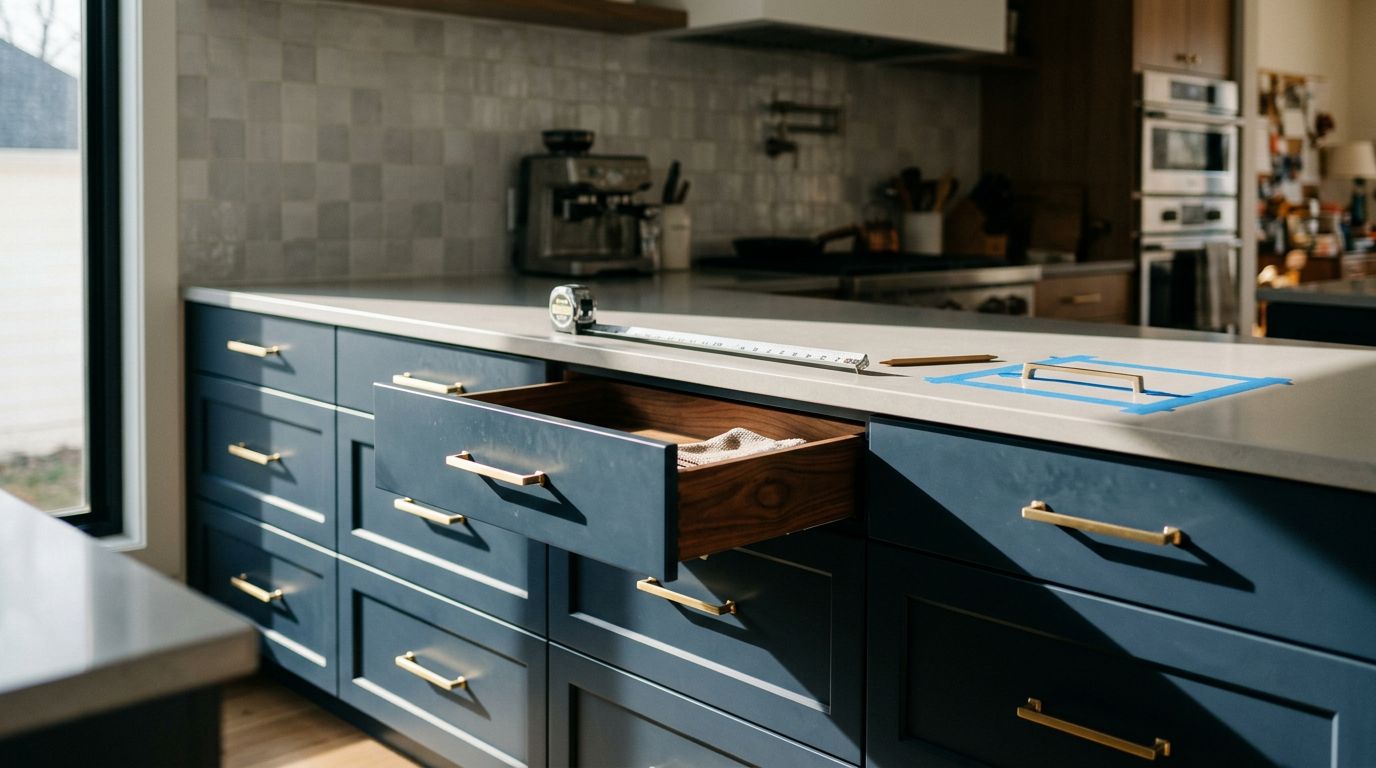
| Finishes | Cabinets, tile, trim, countertops, doors, and fixtures | 3 to 6 weeks |
| Punch list and finals | Small fixes, final inspections, and cleanup | 1 to 3 weeks |
The table shows the usual flow, but some tasks overlap. For example, cabinets may arrive before drywall is fully finished, and countertop templates may happen while painting wraps up. Good scheduling keeps those overlaps moving without creating confusion on site.
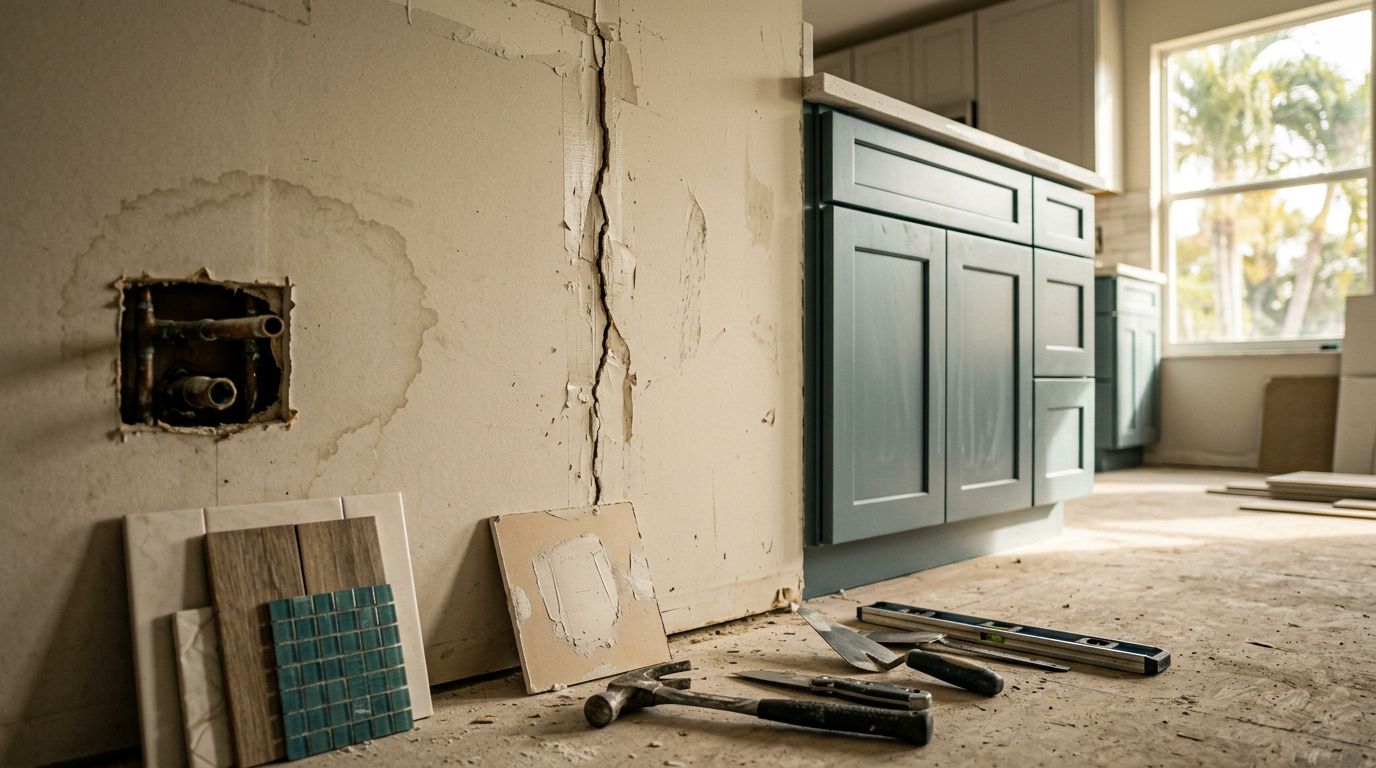
Demolition is often the quickest stage. It can still expose surprises. A wall that looks simple may hide plumbing, load-bearing framing, or old patchwork from past repairs.
Rough-ins usually take longer than people expect. That is where the house gets its working parts. If a project includes a new island sink, added recessed lights, or a relocated shower, the rough-in stage can stretch.
Drywall and finishes take patience because they depend on drying time, ordering windows, and the fit of each trade. Tile work and cabinetry also need time to install cleanly. Rushing those steps can hurt the final result.
How to keep a remodel on schedule
A smooth project does not happen by accident. It comes from clear decisions, fast responses, and early ordering.
A few habits make a real difference:
- Choose finishes early so cabinets, tile, plumbing fixtures, and appliances can be ordered before the job stalls.
- Confirm the layout before demo so you do not rethink walls after work starts.
- Review permit and HOA needs early because approvals can add time before the crew even arrives.
- Expect weather to interfere during storm season, especially when material deliveries or inspections depend on a tight schedule.
- Keep one decision-maker available so questions do not sit unanswered for days.
The biggest delay is often a late change. A small upgrade can be fine, but every change affects labor, ordering, and inspections. If you know you want a different countertop or a better appliance package, decide before the rough-ins end.
It also helps to ask what items have the longest lead times. In a full-home remodel, that usually means cabinets, impact windows, specialty tile, and custom millwork. If those are ordered early, the rest of the schedule has a better chance of holding.
When a whole home remodel needs more time
Some projects look like remodels at the start, then grow into something bigger. That happens when homeowners decide to open the floor plan, add square footage, move major plumbing, or update older systems throughout the house.
Older Southwest Florida homes can also slow down once work begins. Salt air, past water intrusion, outdated wiring, and hidden framing issues can all change the pace. Homes near the coast may need extra care with moisture, corrosion, and building codes.
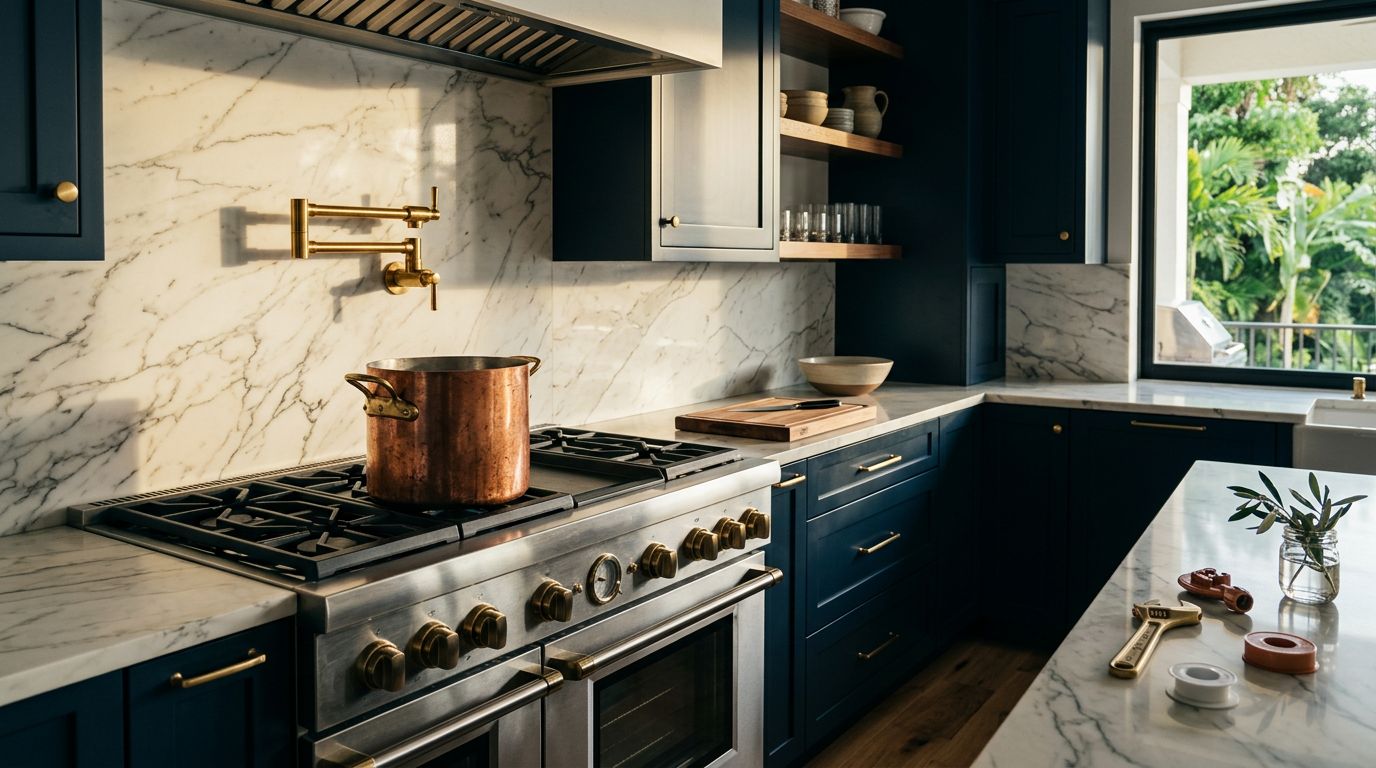
Custom kitchen and bath work can also extend the schedule because those rooms involve many trades at once. They need plumbing, electrical, tile, cabinetry, counters, and finish work to line up in the right order. A small delay in one area can affect the next trade behind it.
That is why a realistic schedule matters more than a hopeful one. A builder who gives you a wide but honest window is usually doing you a favor. It leaves room for inspections, weather, and material timing without turning the project into a guessing game.
Conclusion
A whole-house remodel in Southwest Florida usually takes longer than homeowners expect, and that is normal. The timeline is shaped by planning, permits, inspections, selections, and the condition of the home itself.
If you want a schedule that feels realistic, start with the scope, lock in key choices early, and leave room for coastal codes, storm season, and product lead times. The house may set the pace, but good planning keeps the project moving forward.