How Flood Zones Affect Remodeling Plans in Southwest Florida
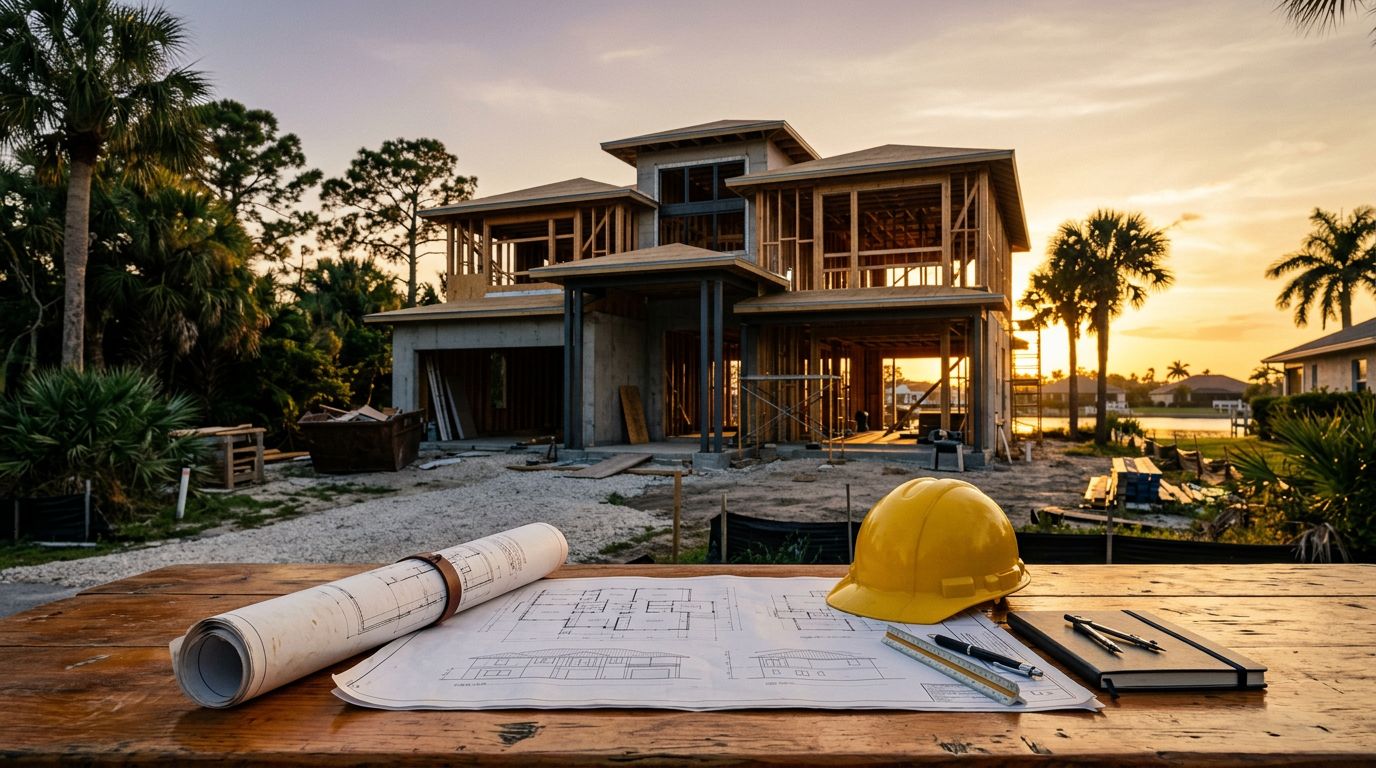
A beautiful remodel can stall fast when a home sits in the wrong flood zone. In Southwest Florida, the map can change the plan before the first cabinet is ordered.
Flood zone remodeling affects more than height. It can shape what you can build, how much it costs, and how long permits take. The smartest projects account for that early, before the design gets too far along.
Why FEMA flood maps change the starting point
FEMA flood maps are not just for insurance. They tell cities and counties how much flood risk a property carries, and that risk affects remodeling rules. In Southwest Florida, the biggest differences usually show up in AE, AH, AO, and VE zones.
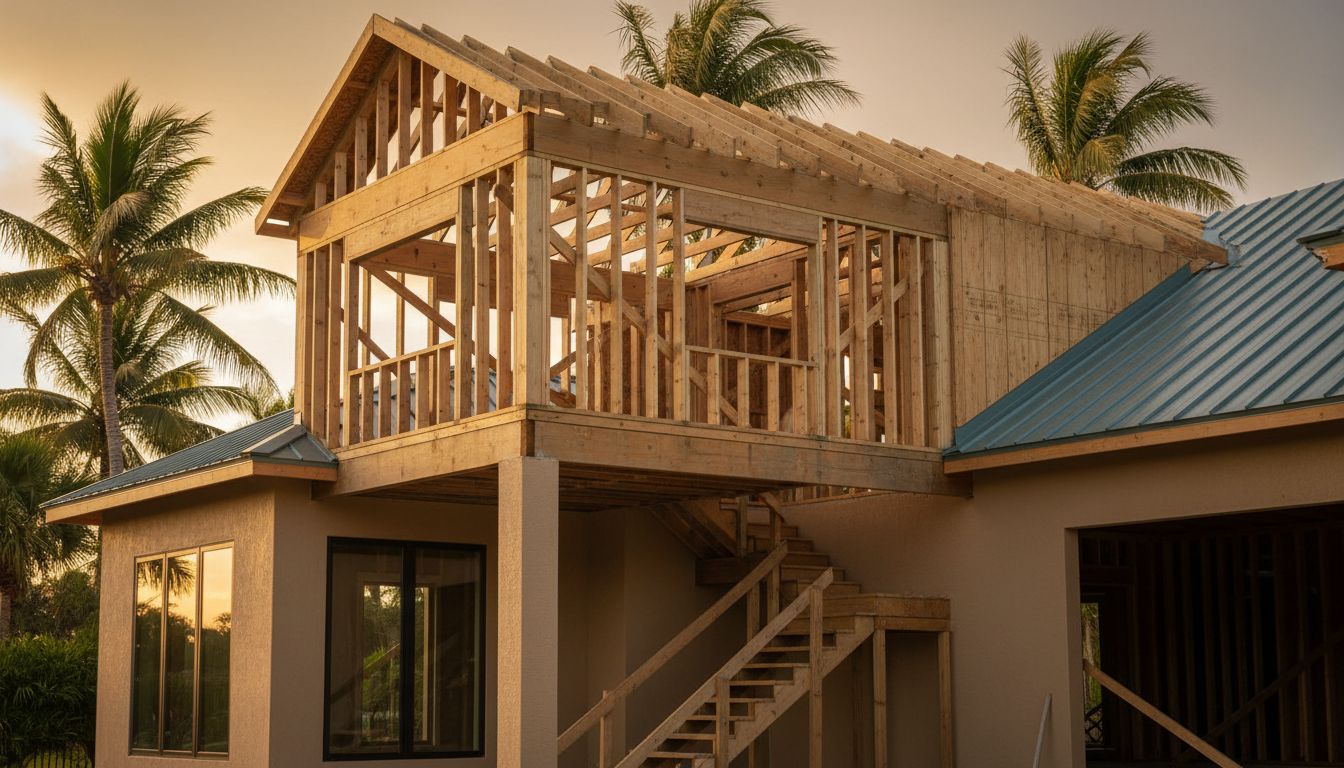
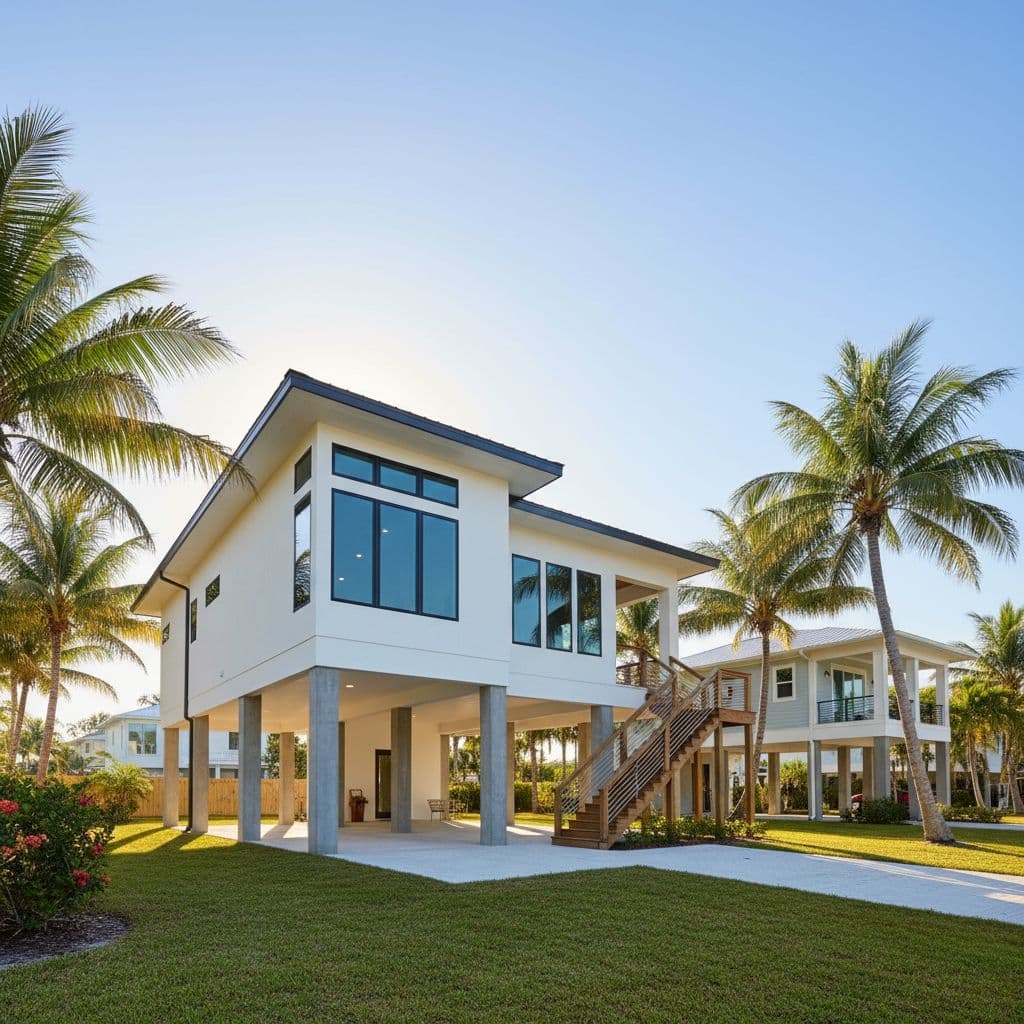
AE, AH, and AO zones often come with elevation rules. That means the home's lowest finished floor may need to sit at or above the Base Flood Elevation, or BFE. VE zones are stricter because they involve coastal wave action. X zones are lower risk, but they are not a guarantee that flooding will never happen.
BFE is the height floodwaters are expected to reach during a base flood. Freeboard is extra height added above that line.
That extra height matters. A few inches can change the foundation, the stair plan, the entry layout, and the total budget. In 2026, many owners are still dealing with map updates or revised local review steps, so old assumptions can be wrong.
When the 50% rule turns a remodel into a bigger job
The 50% rule is one of the biggest surprises in flood zone remodeling. It usually means that if the cost of repairs and improvements reaches 50% or more of the home's value, not counting land, the whole project may need to meet current flood and building codes.
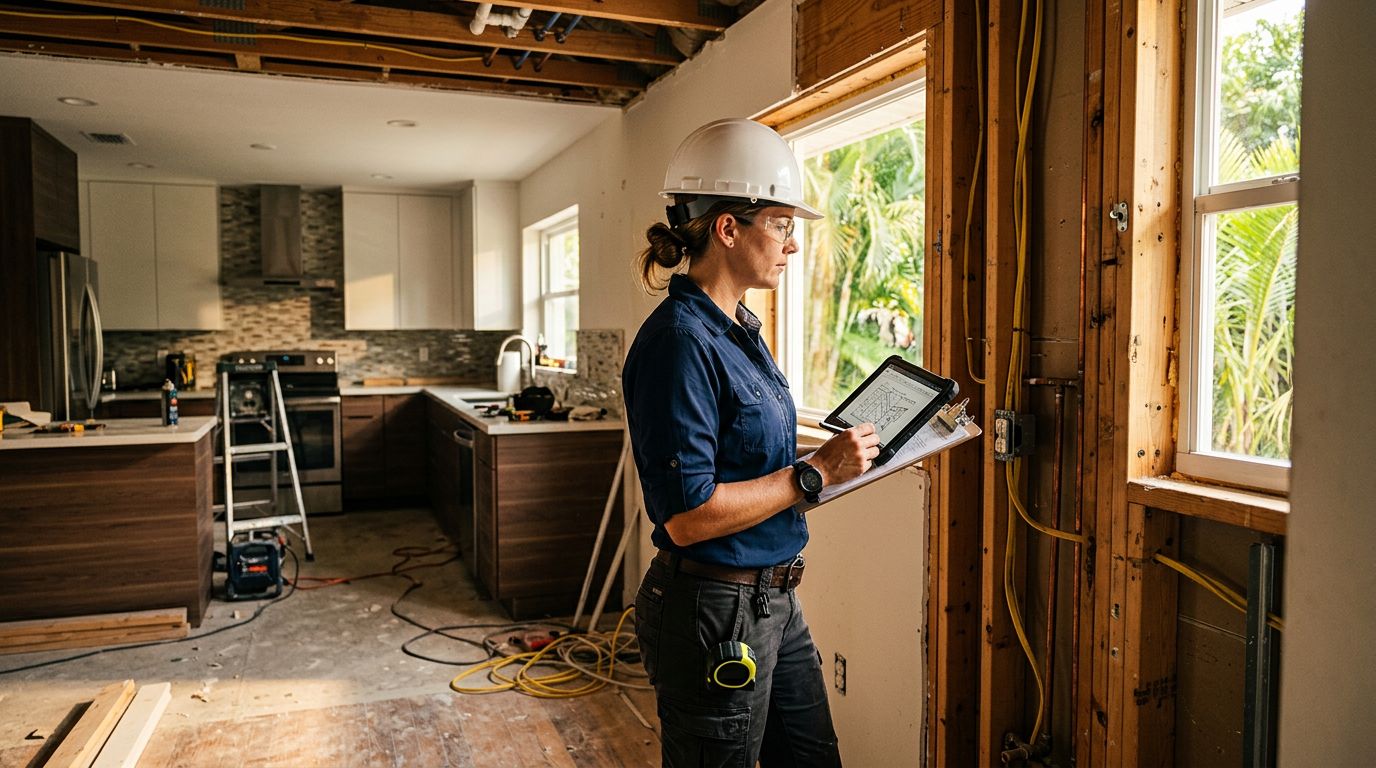
That sounds simple. In real life, it can get complicated fast. A kitchen update might start as new cabinets and flooring, then hidden damage appears behind the walls. A bathroom project can uncover old water intrusion. A first-floor renovation can reveal wiring, framing, or ductwork that needs to move.
When that total crosses the line, the scope can shift hard. The project may need elevation work, new structural details, or a different use for some parts of the home. In some cases, the change is so large that the home needs major rebuilding instead of a light remodel.
Once a remodel crosses the 50% mark, the permit review often decides the shape of the project.
That is why owners should get a realistic early estimate. If the numbers are close, the wrong assumption can waste time and money. A licensed contractor who knows local flood rules can help you see the limit before the design gets too far.
Common remodeling projects and where flood rules show up
The type of project matters, but the house itself matters more. A small update in one zone can be easy, while the same work in another zone can trigger extra drawings, higher costs, or a new layout. If you want to see how broad a remodel can get, a recent remodeling portfolio can help you picture the range of possible outcomes.
Here is a quick look at common projects and the flood-zone issues that often come with them.
| Project type | Common flood-zone issue | What it can change |
|---|---|---|
| Addition | New space may need to meet current elevation rules | Foundation type, stairs, permit review |
| First-floor renovation | Finished floors below the required height may be limited | Room layout, flooring, wall finishes |
| Garage conversion | Below-grade space may not qualify as living area | Whether the room can count as habitable space |
| Kitchen or bath update | Cabinets, plumbing, and floors may sit in risky areas | Material choices and budget |
| Window or door replacement | Openings in higher-risk zones may need the right ratings | Product selection and lead time |
| Mechanical system relocation | Equipment may need to move above flood level | Electrical, HVAC, and laundry placement |
Additions usually create the most review because they add new square footage. If the home has to rise, the porch, stairs, and entry line may all change. That can affect curb appeal as much as code compliance.
Garage conversions can be tricky too. Many garages sit low, and that makes them poor candidates for finished living space. In some homes, the garage is better kept as storage, parking, or utility space.
First-floor renovations also need careful planning. A room can look finished on paper and still fail flood requirements if the floor level is wrong. That is where design choices and code rules start talking to each other.
Materials and layout choices that hold up better
Flood zones do not just change the shell of a home. They change the inside too. Floors, cabinets, trim, and utility placement all need more thought when water risk is part of the plan.
In many projects, the safest material choices are also the simplest. Porcelain tile, sealed concrete, composite trim, and moisture-tolerant finishes usually hold up better than carpet, particleboard, or low-grade laminate. That matters even more in homes where lower areas may see water intrusion during a storm or a flood event.
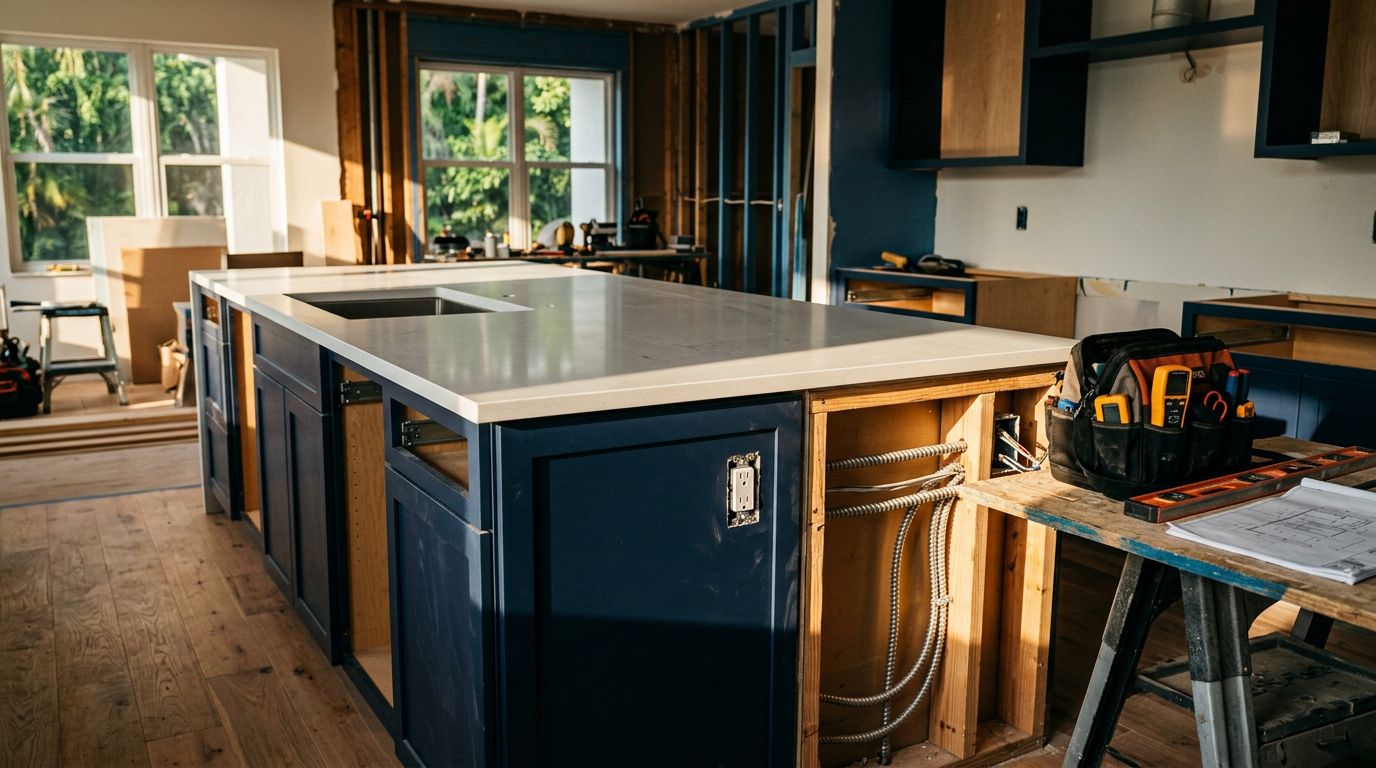
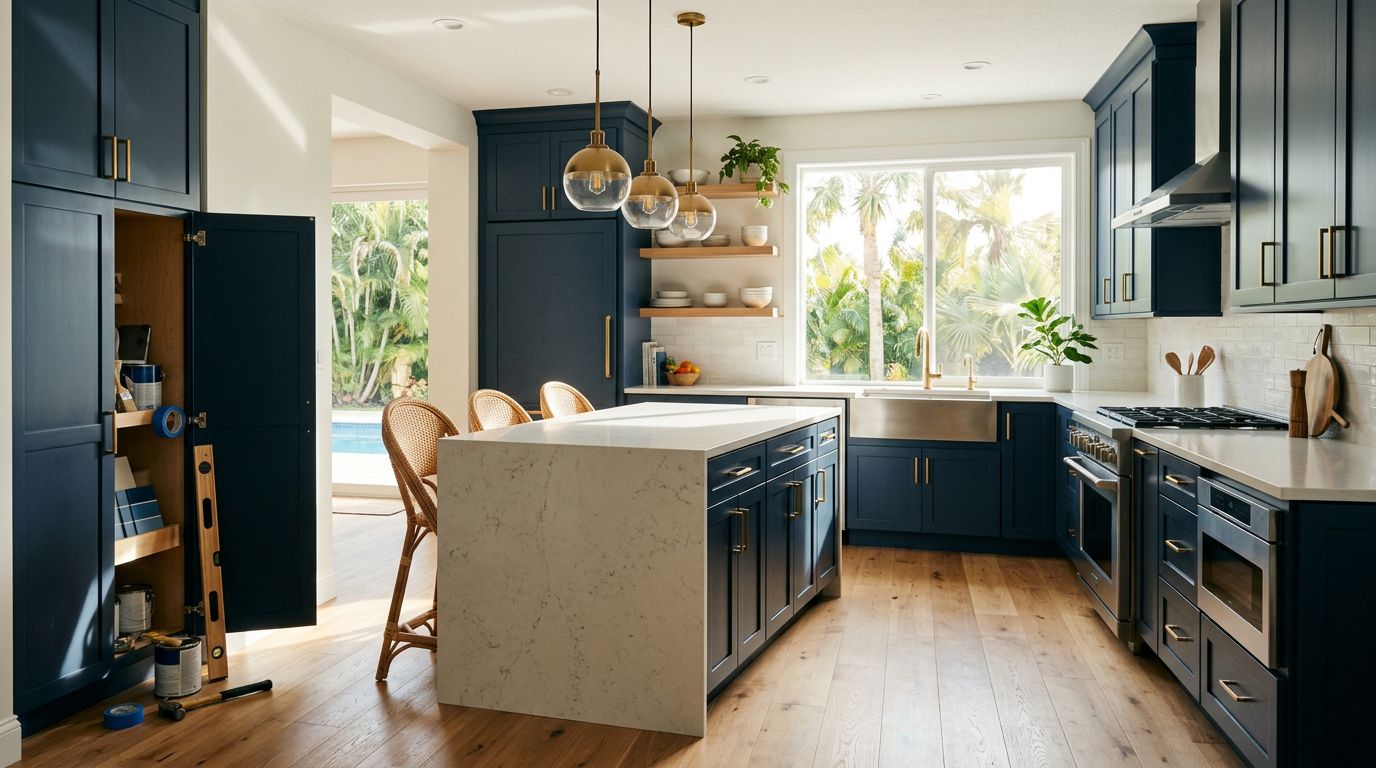
A custom kitchen renovation can still look clean and modern, but the layout has to respect elevation rules. Appliance placement, sink location, and cabinet bases should work with the flood plan, not against it. The same is true in baths, where vanities, plumbing, and wall finishes need to be chosen with care.
Raising mechanical systems is another common move. Electrical panels, outlets, HVAC equipment, and water heaters often need to sit above flood-prone levels. That usually costs more upfront, but it can save major trouble later. It also keeps key systems out of the most vulnerable part of the house.
A smart flood-zone design does not make the home feel plain. It makes the home easier to live in after a storm.
Permits, timing, and local differences across Southwest Florida
Flood rules do not play out the same way in every city. Cape Coral, Fort Myers, Naples, Punta Gorda, Sanibel, and nearby communities can all have different review habits, document requests, and timing. Local requirements can vary by municipality, so a plan that works in one place may need changes in another.
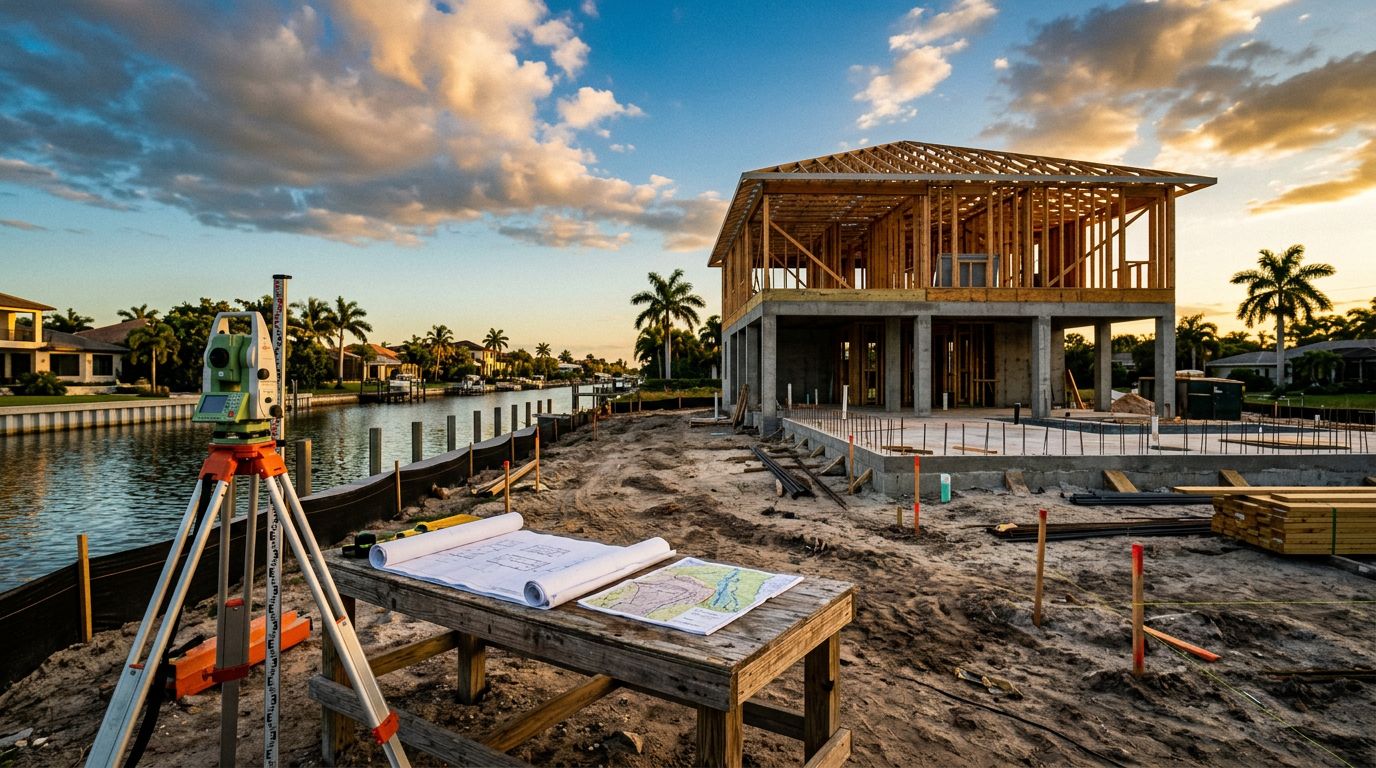
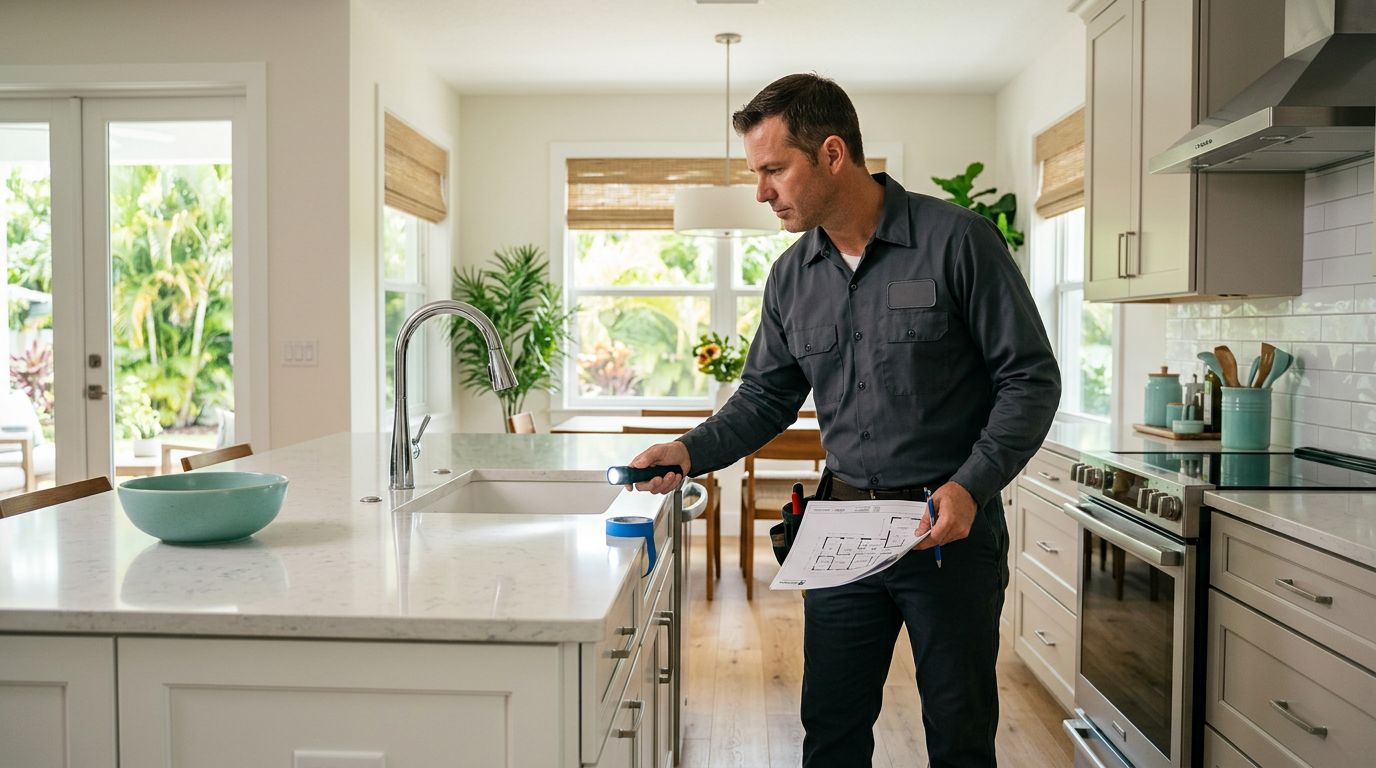
That is why the building department matters so much. So does the floodplain manager. A licensed contractor who knows local review paths can help spot problems before they slow the project down. In some cases, you may also need a survey, elevation information, or engineering support.
Timelines usually stretch because of these checks. A simple interior remodel can turn into extra rounds of review if the work affects elevation, openings, or utilities. That does not mean the project is a bad idea. It means the schedule needs room for the flood side of the file.
In 2026, owners are still running into plan changes when old assumptions meet newer map data or updated local procedures. The safest move is to verify current rules before materials are ordered.
How to plan a smarter flood zone remodel
A flood-aware remodel starts with a few clear steps.
- Confirm the flood zone and BFE before design begins.
Get the property details in plain English first. If the elevation number changes the plan, it is better to know early. - Get a real cost picture, not a guess.
Hidden repairs, utility moves, and elevation work can shift the budget fast. A builder who understands flood zone remodeling can help you price the whole job, not just the finish work. - Decide what belongs above the flood line.
Living space, equipment, and valuable finishes often make more sense higher up. Lower spaces may work better for storage, parking, or utility use. - Match materials to the risk level.
Choose finishes that can handle moisture where needed. That simple step can save time and money if a storm ever causes damage. - Leave time for permit review.
Flood-zone projects often need more drawings, more checks, and more patience. A tight schedule can fall apart quickly if the review path is rushed.
If you want a clear starting point, Get a Free Estimate can help you talk through scope, cost, and code limits before the design gets locked in.
Conclusion
Flood zones do not stop good remodeling. They set the boundaries, and those boundaries shape the project from day one. In Southwest Florida, the best remodels respect the map, the 50% rule, and the local permit path before anyone orders materials.
That early planning protects the budget and keeps the work moving. It also gives you better choices for layout, finishes, and mechanical systems. When flood risk is part of the plan, the remodel feels far less uncertain and a lot more workable.