How Long Permit Approval Takes in Southwest Florida
If you're planning a remodel or new build, permit approval in Southwest Florida can feel unpredictable. In 2026, many simple residential permits are approved in about 2 to 4 weeks , while some Lee County projects can move in 10 to 15 business days .
That said, the clock changes fast once a project touches structure, flood rules, or coastal requirements. Add a storm season backlog or a busy city office, and the wait can stretch longer than you expected.
What permit approval usually looks like in Southwest Florida
For homeowners, the biggest mistake is assuming every permit follows the same path. A cosmetic update, a kitchen remodel with plumbing changes, and a custom home all go through different levels of review.
These ranges are a practical planning tool, not a promise.
| Project type | Typical approval time | Why it may move faster or slower |
|---|---|---|
| Simple interior remodel | 1 to 3 weeks | Fewer trade reviews, fewer site issues |
| Kitchen or bath remodel with plumbing or electrical changes | 2 to 4 weeks | More plan review, more coordination between trades |
| Room addition | 3 to 6 weeks | Structural review, site layout, utility changes |
| Custom home or major rebuild | 4 to 8 weeks or more | Full plan set, zoning, flood, and engineering checks |
| Waterfront or flood-zone project | 4 to 10 weeks or more | Extra documentation and coastal review layers |
Most homeowners do best when they plan around the middle of those ranges. A permit office can review a clean set of drawings quickly. A missing page can add days or weeks.
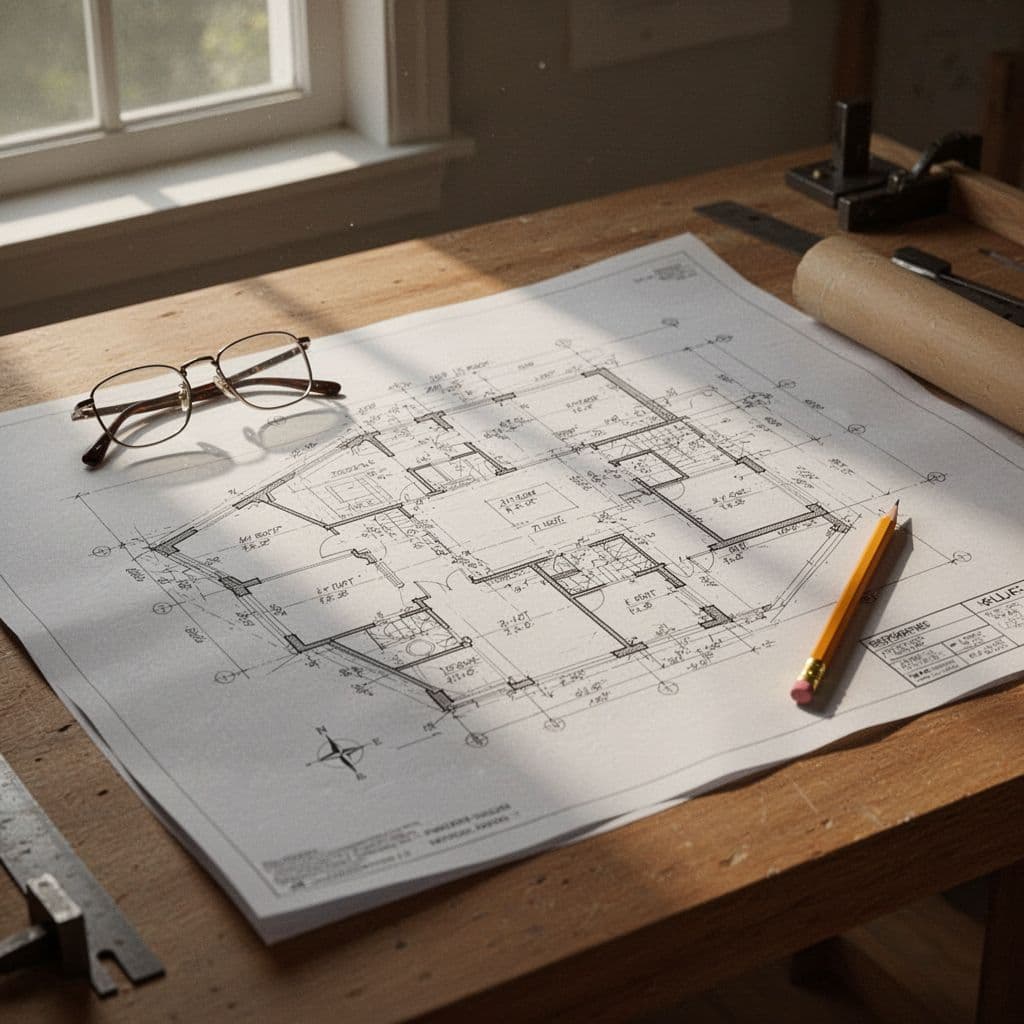
The takeaway is simple. The more your project changes the house itself, the longer the review usually takes.
Why timelines change across Southwest Florida
Southwest Florida is not one uniform permitting market. Cape Coral, Fort Myers, Naples, Punta Gorda, and Sanibel each have their own review pace and staffing load. County projects can move on a different track again.
Coastal code rules also matter. Wind-load details, impact-rated openings, roof connections, and hurricane-related requirements often show up in the review. If your plans do not clearly address those items, the reviewer may send them back.
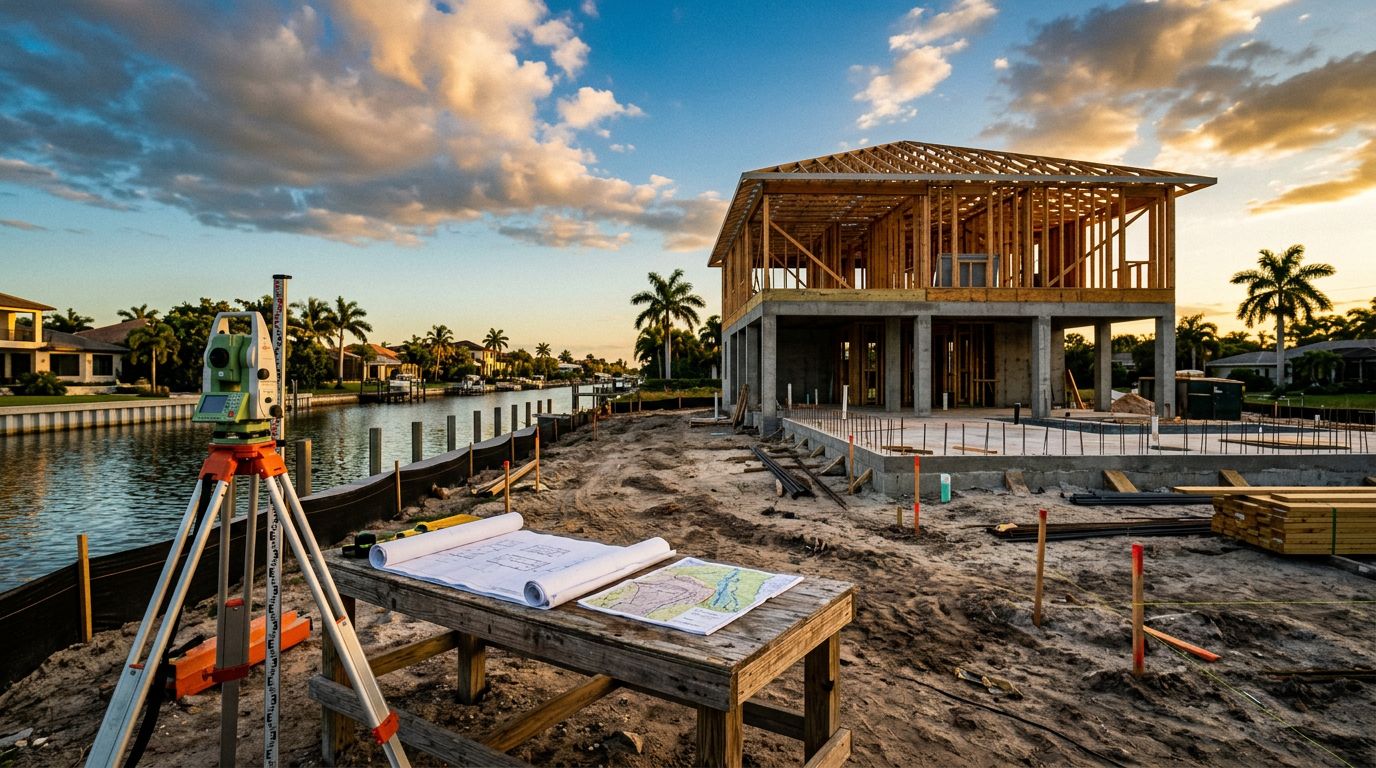
Flood zones can slow things down too. Properties near the coast, canals, or low-lying areas may need extra site data, elevation details, or floodplain review. That adds another layer before approval arrives.
A complete permit package usually moves faster than a rushed one. Missing drawings, flood notes, or product specs often cost more time than the review itself.
Seasonal demand plays a role as well. Spring and summer often bring more remodeling requests. After major storms, permit offices can face a backlog. When that happens, even a simple permit may sit longer before anyone opens it.
Many offices now accept online submissions, which helps. Still, digital intake does not remove the review steps. It only changes how the file gets into the system.
Permit approval by project type
Some projects are naturally easier to approve because they stay inside the existing footprint. Others need more coordination and more signatures.
A kitchen remodel with cabinet replacement may move faster than one that changes plumbing lines, electrical circuits, and walls. Bathroom work follows the same pattern. Once the plan touches structure or utility routing, the reviewer has more to check.
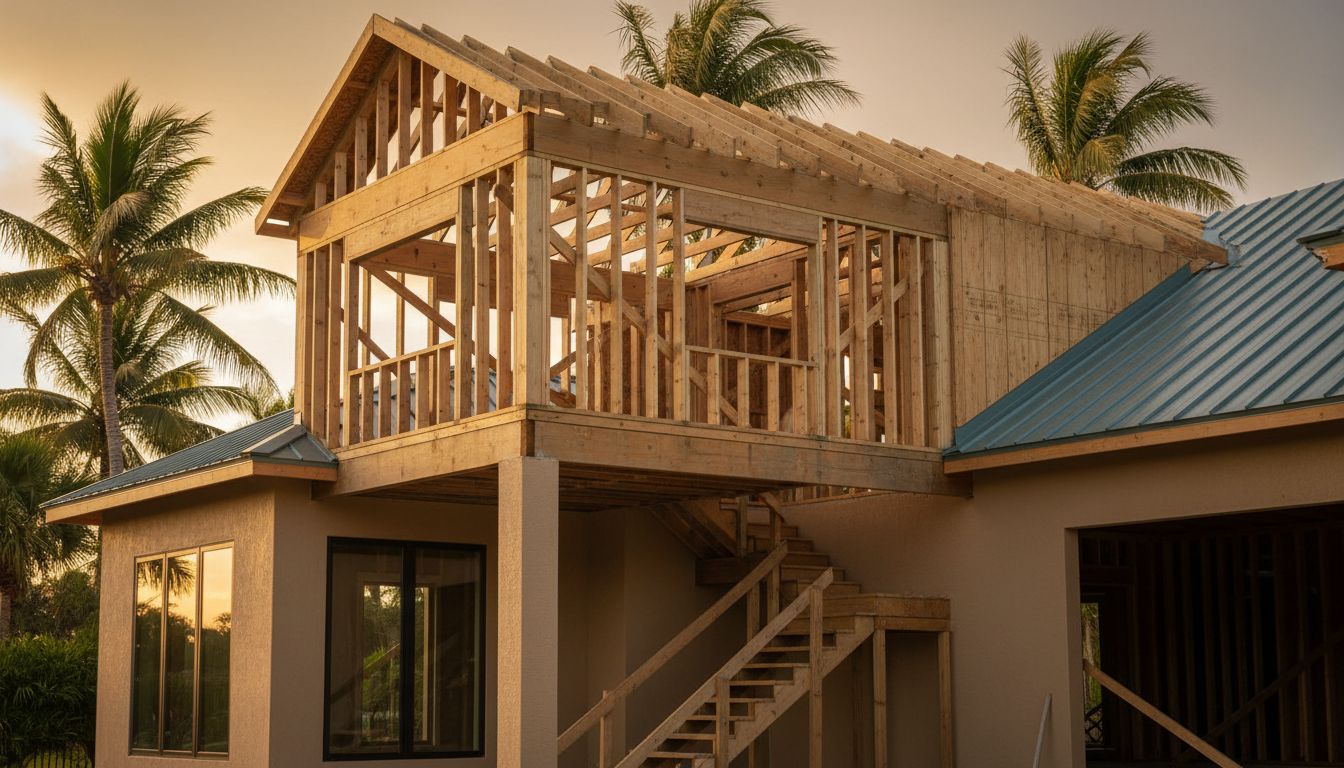
Room additions need more patience. A custom room addition construction package often includes structural drawings, foundation details, and site planning. That means more back-and-forth before approval.
Ground-up homes usually take the longest. A custom home building services application can pass through zoning, engineering, flood review, and trade checks before it clears. Each layer adds time, especially on a coastal or irregular lot.
Here is a useful way to think about it. The permit office is not only checking the house. It is also checking the site, the weather load, the flood risk, and the code compliance behind the plans.
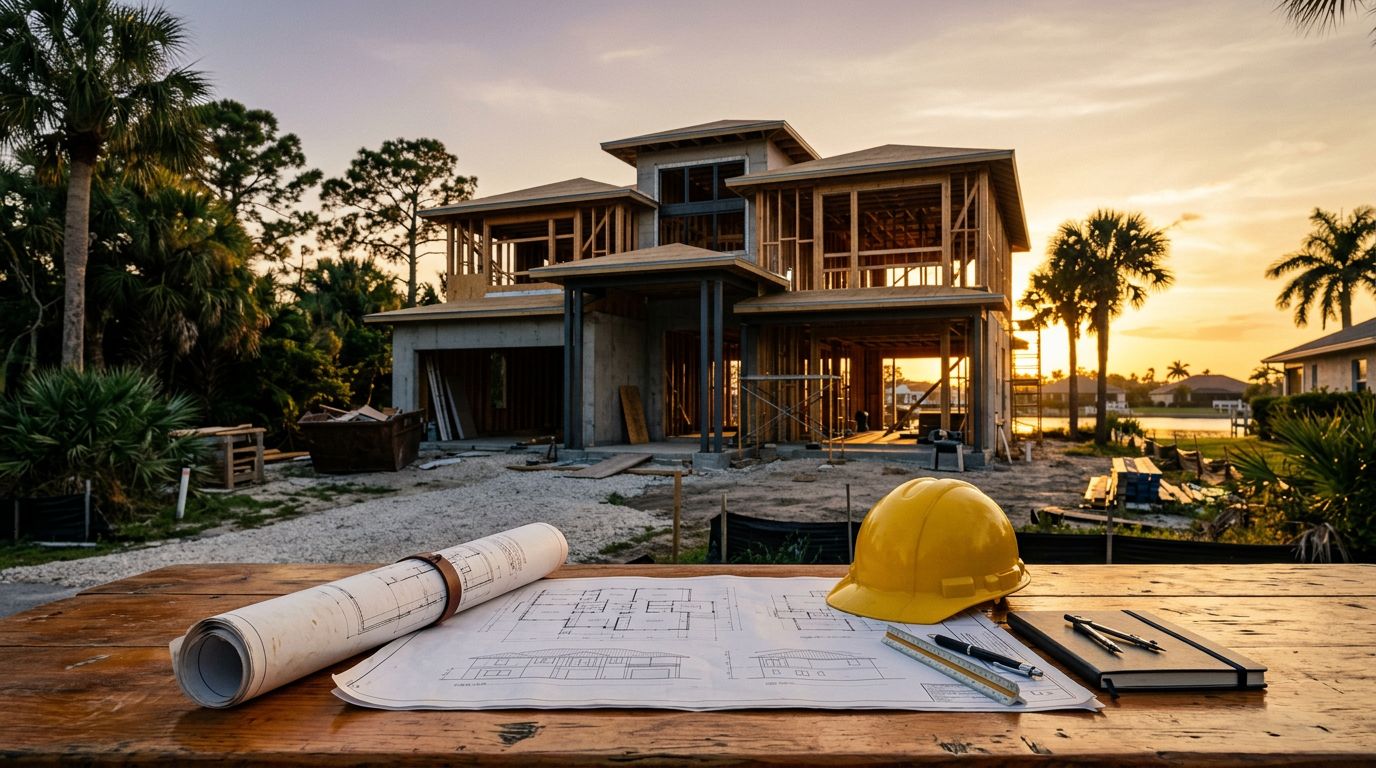
For custom homes and larger remodels, the pre-permit phase matters as much as the permit itself. Good drawings save time later. Weak drawings create delay up front.
What slows a permit down the most
The longest waits usually come from preventable issues. A permit package that looks complete on paper can still stall if one detail is off.
Common delay points include:
- Incomplete plans : Missing sheets, unclear dimensions, or vague notes often trigger a correction request.
- Engineering gaps : Structural or wind-load details may need a licensed professional's input.
- Flood and site review : Low-lying lots may need more documentation before the office can move ahead.
- Product approvals : Impact windows, doors, roofing, and similar items may need submittals that match the plans.
- Jurisdiction differences : One city may approve a type of work faster than another nearby office.
- Peak workload : Busy seasons and post-storm periods can add time even when the file is solid.
A clean submittal package is one of the best ways to shorten the wait. That means final drawings, the right forms, product data, and clear scope language. It also means answering questions quickly once the reviewer reaches out.
If you are planning a remodel, ask for a permit-ready scope early. A quick estimate is helpful, but a permit-friendly scope is better. If you're lining up a kitchen, bath, addition, or new home project, Get a Free Estimate before you lock in the schedule.
How to keep the review moving
A homeowner cannot control the county queue, but you can control your paperwork. That alone makes a real difference.
Start with the right scope. If you know walls are moving, say so. If plumbing or electrical will shift, include that early. Surprises during review are almost always slower than clear plans.
Then, match the documents to the site. A lot of delays come from a mismatch between the drawing set and the actual property conditions. A contractor who has walked the lot can spot those problems before the permit office does.
You should also think about the permit as part of the full project calendar. Cabinets, tile, flooring, and subcontractor schedules all depend on approval. When the permit slips, the rest of the job usually slips too.
For that reason, the safest move is to treat the permit as a front-end task, not a side task. If your remodel depends on a start date, build a cushion into the plan. A one-week delay can be manageable. A three-week delay can push the whole job into the next slot.
A few habits help a lot:
- Submit complete drawings the first time.
- Respond to correction requests the same day when possible.
- Confirm flood zone needs before filing.
- Ask whether the project crosses city or county review lines.
- Build extra time into storm season schedules.
These steps do not guarantee speed, but they reduce avoidable friction. That is usually the difference between a short wait and a long one.
Planning your remodel or custom home around permit timing
If your project is a kitchen or bath remodel, the permit wait may be short enough to fit into a normal planning window. Still, you should not assume approval arrives before ordering everything. Some materials have long lead times, and permit timing can drift.
For room additions and custom homes, start earlier than you think you need to. The drawings, engineering, and permit review all need room to breathe. That is especially true on coastal lots, in flood zones, or in neighborhoods with stricter local review.
The best schedule is the one that assumes a realistic delay, then leaves a little more room anyway. That may sound cautious, but it saves stress later. It also helps your contractor sequence trades with fewer interruptions.
Homeowners who plan this way usually have a smoother build. They know what is approved, what is pending, and when the real work can begin. That kind of clarity matters more than a guessed completion date.
Conclusion
In Southwest Florida, permit approval is often a 2 to 4 week process for many residential projects, but the range can widen quickly. Lee County may move faster on some files, while coastal, flood-zone, or larger custom projects often take longer.
The real answer depends on the jurisdiction, the scope of work, and the time of year. If you plan early, submit a complete package, and account for local review differences, the wait is much easier to manage.
That is the key lesson. Good permit planning does not remove delays, but it gives your project a much better chance to stay on track.