How Hurricane Season Affects Southwest Florida Remodeling Schedules
Hurricane season changes more than the forecast in Southwest Florida. It can also change when your remodel starts, how long each phase takes, and how many times a crew has to pause and reset.
That matters whether you're planning a kitchen update, a bath remodel, a room addition, or a custom home build. Southwest Florida remodeling schedules often need extra room once summer arrives, because weather, supply timing, and labor all move at a slower pace.
The good news is that hurricane season does not have to derail your project. It just asks for better planning, cleaner communication, and a schedule that expects a few interruptions.
Why hurricane season changes remodeling timelines
In Southwest Florida, hurricane season runs from June 1 through November 30. Even when a storm never makes landfall, the threat alone can change the rhythm of a job site. Crews may start and stop more often. Deliveries may shift. Outdoor work may pause for safety.
That matters because remodeling is a chain, not a single event. If framing slips, drywall waits. If drywall waits, paint and trim wait too. One weather delay can ripple through the whole project like a missing tile in a mosaic.
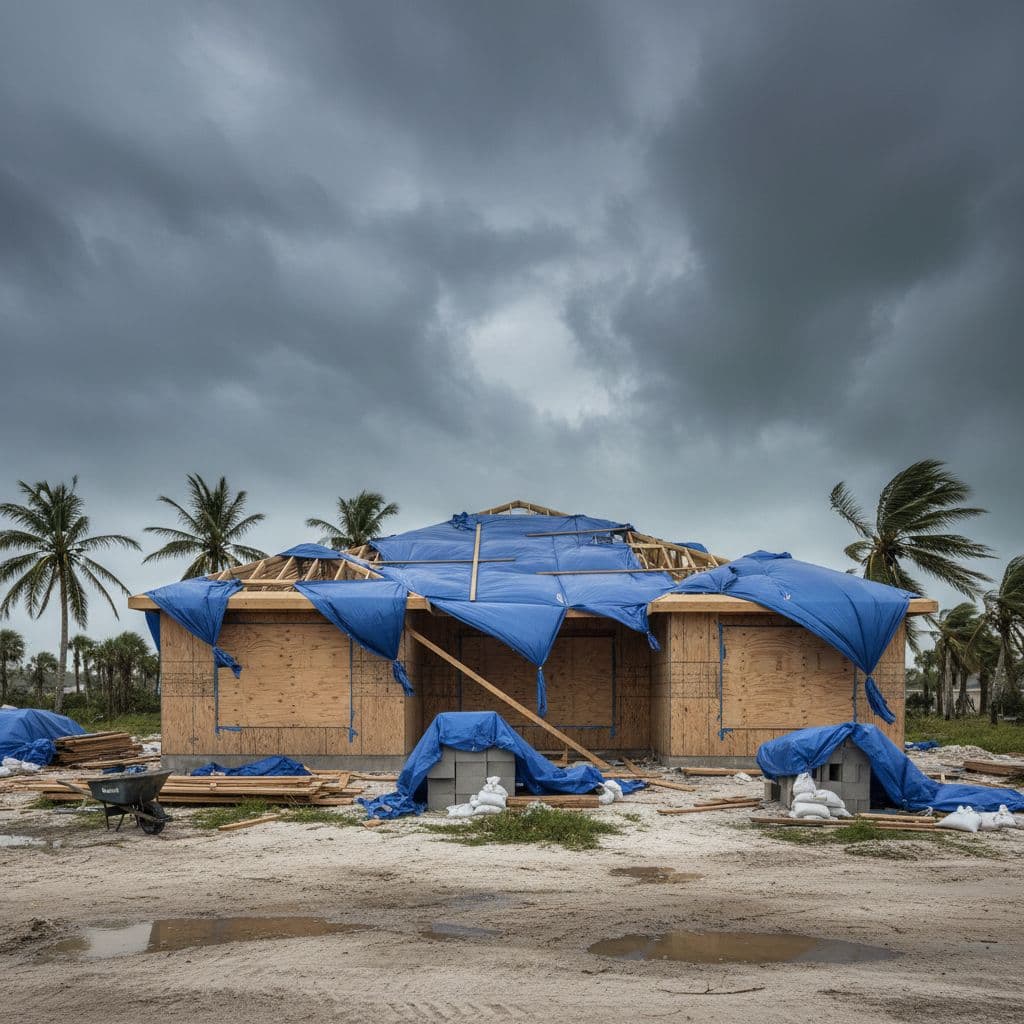
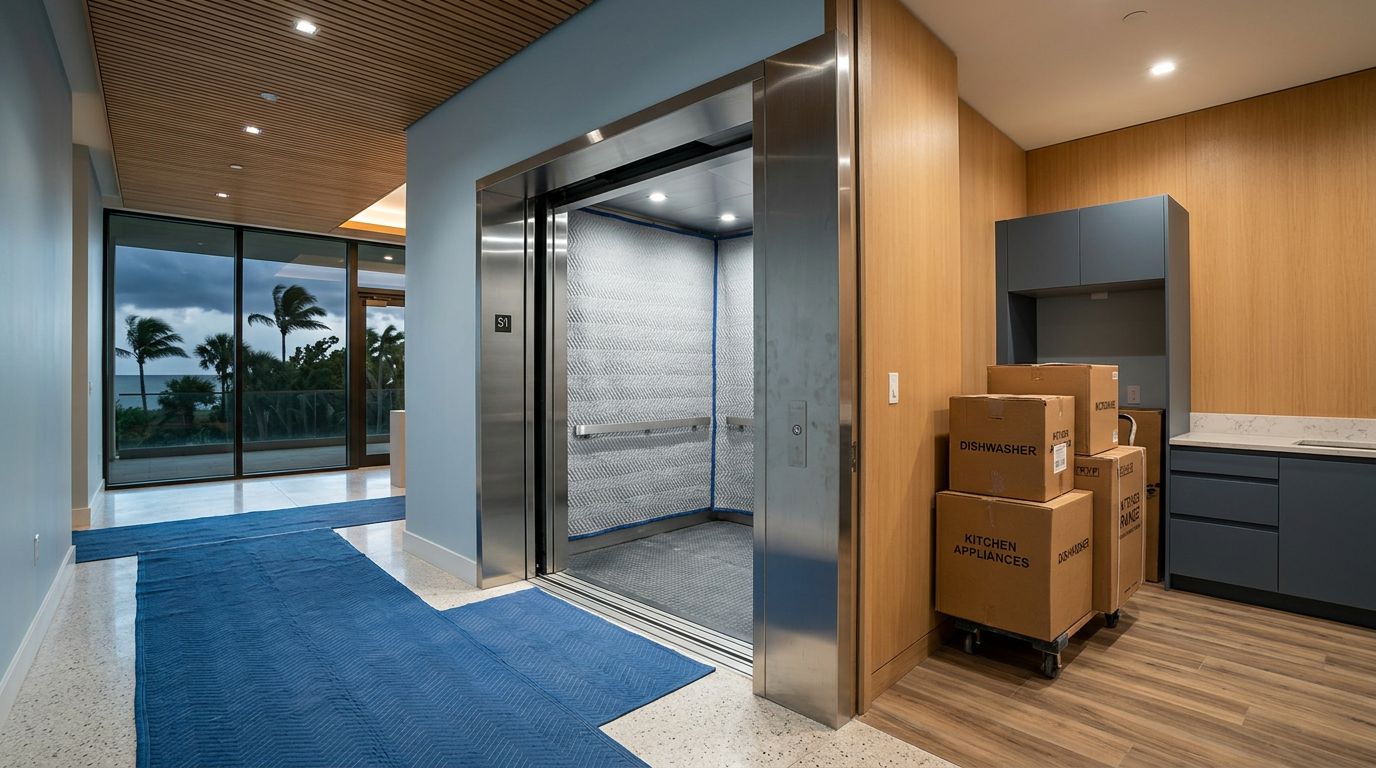
Storm season also adds site protection work. A contractor may need to secure openings, move materials, or protect finished areas before bad weather arrives. Those steps do not show up as exciting progress, but they keep the job from losing more time later.
For homeowners, the biggest shift is expectation. A summer remodel can still move well, but the schedule needs more breathing room than a winter project. That extra room is what keeps a short weather delay from becoming a long one.
Lead times get longer before the first storm
Many homeowners start thinking about weather only when a storm is named. By then, the schedule may already be tight. The smarter move is to order long-lead items before the season builds.
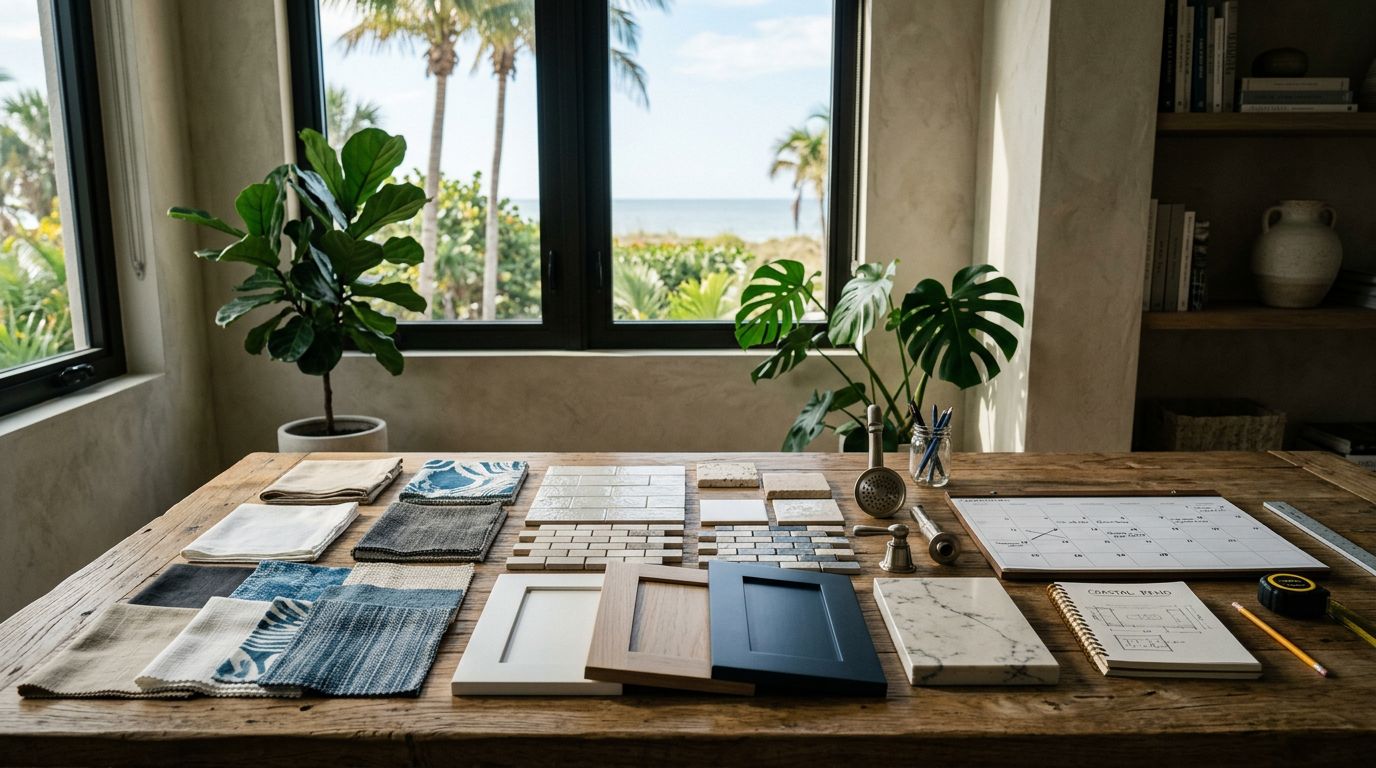
Cabinets, specialty windows, tile, plumbing fixtures, and custom millwork can all slow a project. If a supplier has inventory on hand, good. If not, shipping and production can stretch the calendar. Add a weather threat, and those delays can widen fast.
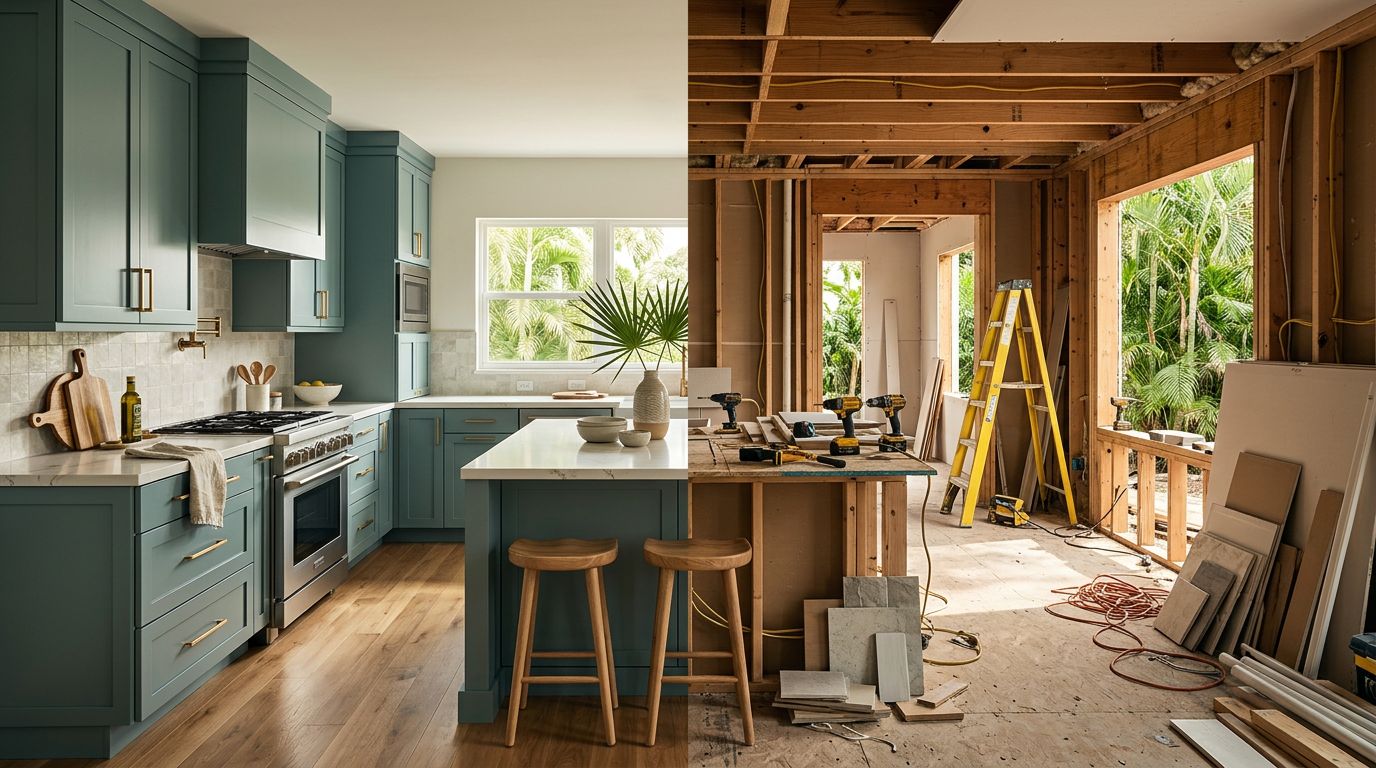
This is where kitchen and bath projects often feel the most pressure. A kitchen remodel needs cabinets, counters, appliances, and finish items to arrive in the right order. If one item is late, the whole room can sit half-finished.
If your project includes a kitchen, start with professional kitchen remodeling services early in the planning stage so material orders and install dates line up before summer storms arrive.
The same idea applies to custom homes and additions. Framing lumber may be easy to source one month, then slower the next. Specialty items take planning, especially when the schedule already has built-in weather risk.
Labor, inspections, and permits can slow the middle of the job
Weather does not only affect materials. It also affects people and the systems around them. Crews may shift to storm prep. Inspectors may have tighter calendars. Permit offices can move slower during and after severe weather events.
A job site may look ready for the next phase, but the next phase still depends on someone showing up, signing off, or delivering a needed piece. When a tropical system passes through, those small dependencies stack up.
A remodel can lose days on paper before it loses a day in the field.
That is why good scheduling matters so much. A bathroom demo might finish on Friday, but if an inspection gets pushed to Tuesday, the next trade may not start until later in the week. During hurricane season, those gaps happen more often.
The same issue shows up after a storm. Crews may be called away to secure homes, repair damage, or help existing clients protect their properties. That is normal in Southwest Florida, and it is another reason to keep realistic timing in mind.
Weather can add real costs to a remodel
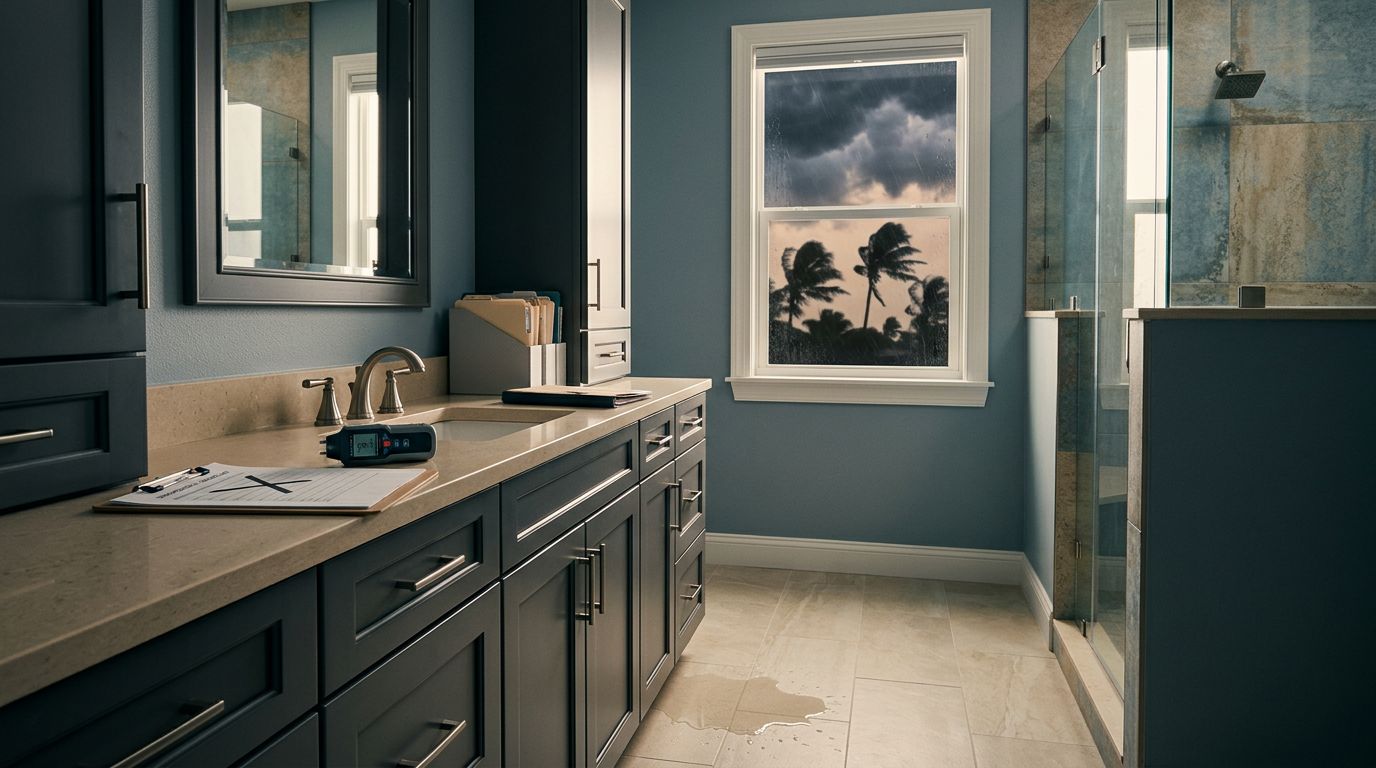
Storm season does not always create huge overruns, but it can add smaller costs that build quickly. Temporary protection materials, extra delivery fees, and site cleanup all take time and money. So does remobilizing a crew after a pause.
Here are the most common budget pressures:
- Temporary protection : Tarps, plywood, plastic barriers, and temporary sealing may be needed to protect openings or finished areas.
- Storage and handling : Some materials need to be stored off site or moved more than once.
- Extra labor time : Teams may spend part of the day securing the site instead of finishing install work.
- Rescheduling costs : A missed trade visit can push other trades back, which creates more labor hours later.
The goal is not to expect disaster. The goal is to plan for friction. A modest contingency budget gives you room to handle weather-related changes without panic.
Just as important, talk about the budget early. If you and your contractor agree on how weather delays will be handled, it gets easier to make quick decisions when the forecast changes.
Practical ways to keep your project moving
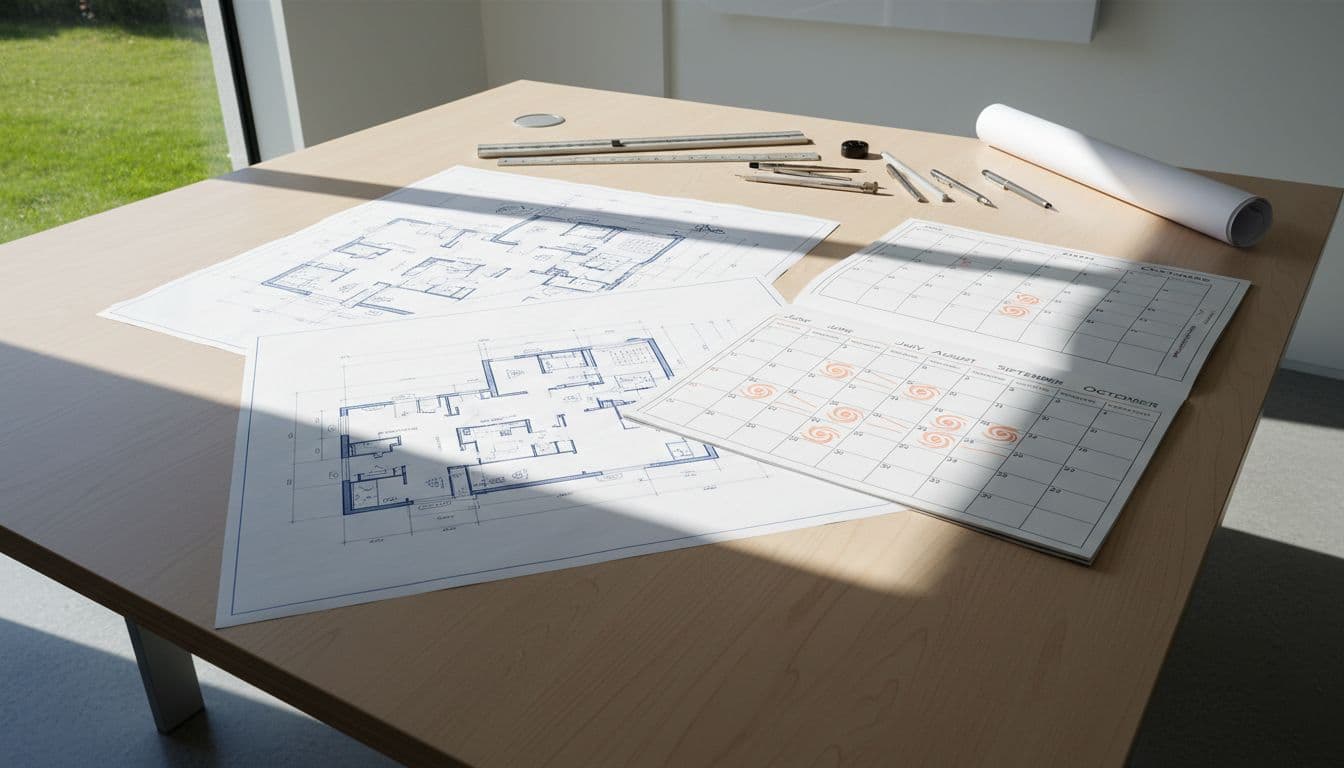
A smart schedule does not fight hurricane season. It works around it. The best plans leave room for weather, material delays, and site protection without turning the whole job into a guessing game.
Start early. If you want a remodel finished before peak storm season, book well ahead of time. Waiting until summer often means you are competing with other homeowners who had the same idea.
Build buffer days into the calendar. A buffer can absorb a missed inspection, a delayed shipment, or a storm watch that forces crews to pause. Even a few extra days in the right place can keep the rest of the schedule intact.
Choose phases with care. If the work includes both a kitchen and a bath, think about which room should go first. A project that keeps one essential space usable can feel much less stressful during a weather delay.
Protect stored materials before they are needed. Cabinets, flooring, drywall, and trim should stay dry and safe. Ask where items will be stored, how they will be covered, and what happens if a storm warning is issued while the job is in progress.
Use a clear contingency plan. Good contractors talk about backup dates, weather shutdown steps, and what happens if inspections move. That plan should be simple enough that everyone understands it quickly.
A few direct questions help here:
- Where will materials go if the site needs to close?
- Which tasks can move ahead if one trade is delayed?
- What is the backup date if weather interrupts install day?
Those answers keep the project moving even when the forecast changes. They also help homeowners feel more in control, which matters when half the summer feels unpredictable.
Phased remodels work better in storm season
Some projects are easier to manage in stages. That is often true for kitchens, bathrooms, and additions, where one phase can finish cleanly before the next starts. Phasing reduces the number of moving parts at one time.
For example, a kitchen remodel might start with demolition, then pause until cabinets are ready. A bathroom project might be split so plumbing, tile, and finish work do not crowd the same week. That approach can be especially helpful during hurricane season, when every extra trade visit carries a little more risk of delay.
Phasing also gives you better control over the living situation in your home. If one room stays functional, you have more flexibility when the weather turns rough. That can be a big relief for families staying in place during construction.
The key is sequencing. A strong remodel schedule puts the most weather-sensitive work in the safest window. Outdoor work, deliveries, and open-wall phases need the most attention. Finishing work usually has more room to move.
Working with a contractor who plans ahead
A contractor who works in Southwest Florida should plan for storm season before the first forecast gets ugly. That means more than checking the weather app. It means thinking about site protection, storage, trade coordination, and what happens if a week gets lost.
Good communication matters just as much. You should know when the crew needs access, when materials are arriving, and what happens if a storm threatens the job site. If everyone knows the backup plan, decisions get made faster.
It also helps to discuss weather language in the contract and schedule. Clear terms about delays, milestone shifts, and change orders keep small problems from becoming big ones. That kind of planning is useful for kitchen remodels, bath remodels, room additions, and custom home construction alike.
If you are ready to plan a project, Get a Free Estimate so you can talk through timing before the season tightens up.
Conclusion
Hurricane season does not mean you should delay every remodel in Southwest Florida. It does mean your schedule needs more care, more padding, and more backup plans than it would in calmer months.
When you book early, order materials ahead of time, protect the site, and keep communication open, the weather has less power over your project. A strong plan does not remove every delay, but it keeps a small storm from becoming a full stop.