Custom Home Building in Southwest Florida: From Lot Search to Move-In
In Southwest Florida, the lot can change the house before the first sketch is done. Flood zones, wind rules, soil, and county reviews all shape the plan.
If you're researching custom home building in Southwest Florida , it helps to know what drives the process early. A good build isn't only about style. It's also about drainage, elevation, storm protection, timing, and smart decisions that hold up in heat and salt air.
The lot shapes the plan and the budget
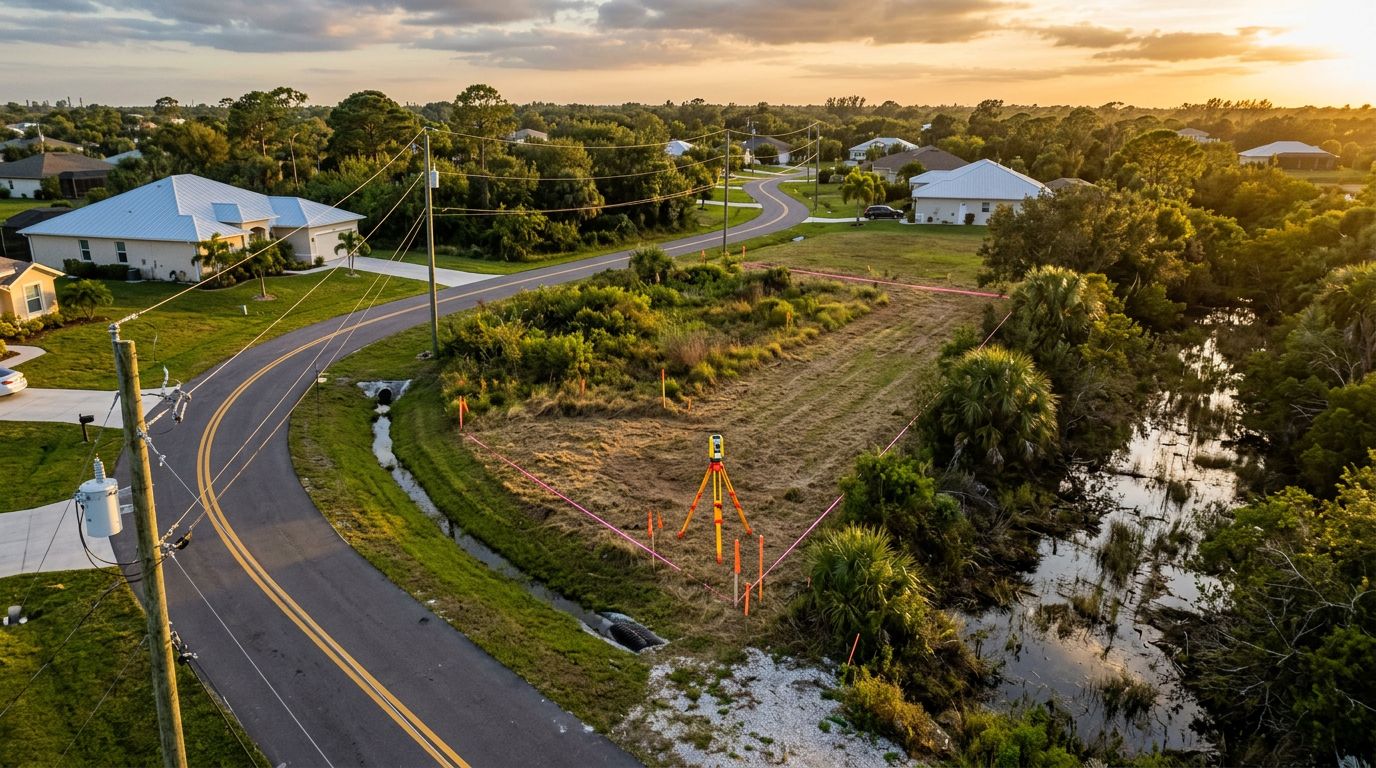
The first big step is site review. Before you fall in love with a floor plan, confirm setbacks, utilities, flood zone, and required finished-floor height. On some properties, imported fill, drainage work, or foundation changes can shift the budget fast.
That's why many owners bring the builder in early. An architect can draw a beautiful home, but the builder helps test whether it fits the site, the code, and the budget. Working with experienced Southwest Florida home builders early can save weeks of redesign later.
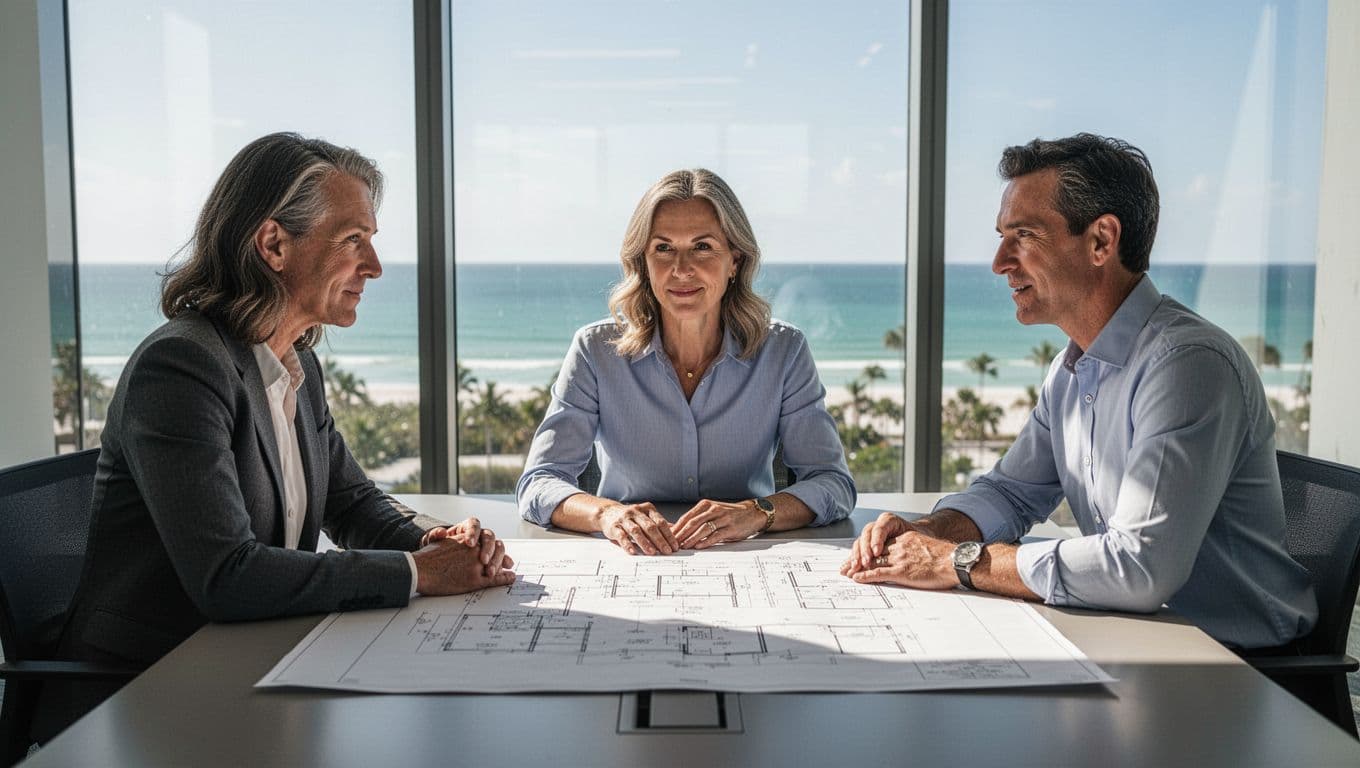
You'll also want a real budget, not a wish list. In this market, finish level matters, but site work matters just as much. Waterfront lots, barrier-island access, tall stem walls, and large impact-glass packages can add cost before cabinets and tile even enter the picture.
A simple rule helps here. Keep a contingency fund, often 10 to 15 percent, especially if the lot needs unknown work. Also ask for allowances that are honest. If you want custom cabinetry, premium plumbing fixtures, or a chef-style kitchen, low allowances only create painful change orders later.
In Southwest Florida, the lot isn't background scenery. It sets the rules for elevation, drainage, access, and part of your final cost.
Coastal codes and climate are part of the design
A custom home here has to do more than look good. It has to stand up to wind, water, sun, and humidity year after year.
As of April 2026, most projects still follow Florida's 8th Edition code, with the 9th Edition taking effect on December 31, 2026. For many Southwest Florida homes, that means planning for high wind loads, impact-rated windows and doors, strong roof tie-downs, and a continuous path from roof to foundation.
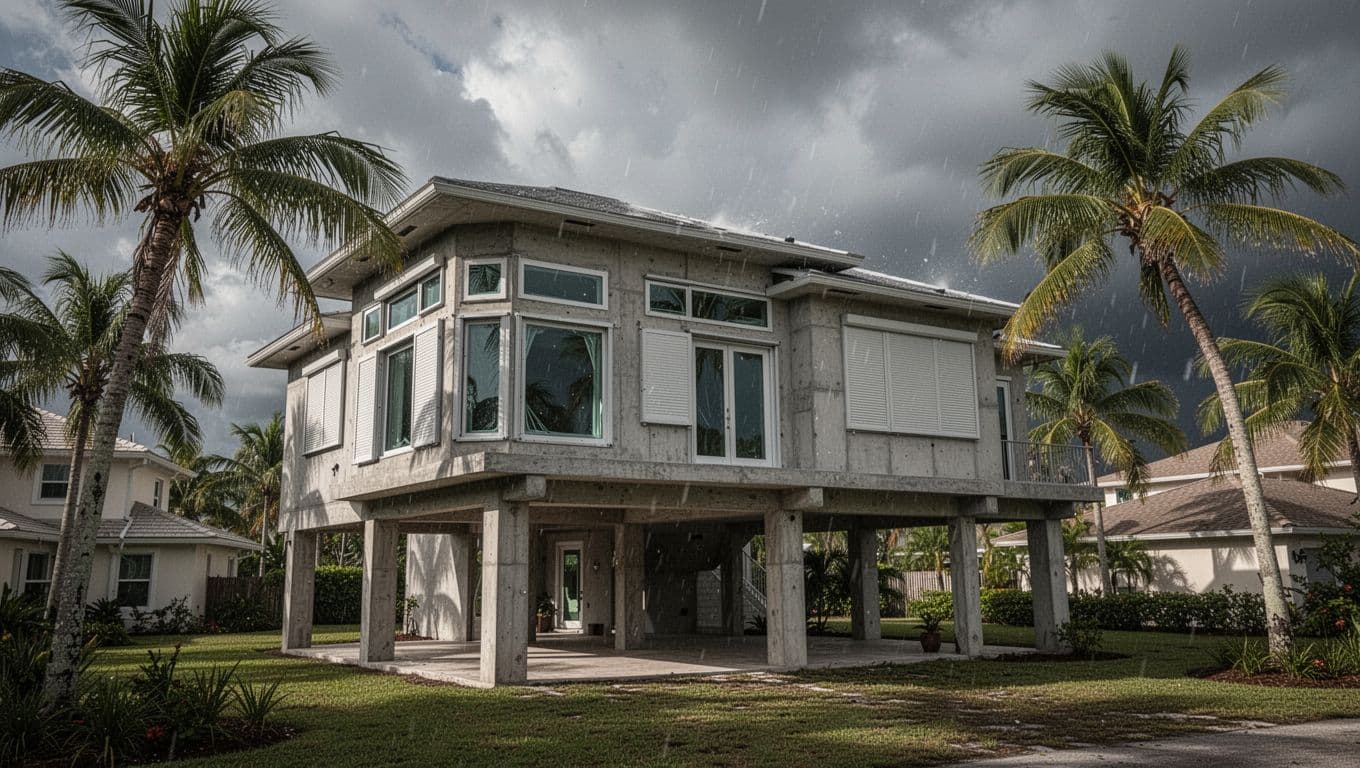
Flood rules are just as important. In many locations, the finished floor must sit at or above the Base Flood Elevation, often with added freeboard. On coastal sites, lower areas may need flood-resistant materials only, and mechanical systems may need to sit higher too. A plan that ignores those rules can trigger redraws, delays, or insurance headaches.
Material choices should match the climate. Concrete block, reinforced connections, durable roof systems, and moisture-tolerant finishes tend to make sense here. Inside, porcelain tile, quality sealants, and cabinet finishes that handle humidity usually age better than cheaper options. Outside, salt air can wear out low-grade hardware fast.
Insurance should enter the conversation early, not after framing starts. Ask about wind coverage, flood coverage, deductibles, and documentation for mitigation features. Proper elevation, impact protection, and code-compliant roof details can affect both approval and long-term insurance cost.
What the timeline looks like, from permits to punch list
Most owners underestimate the front end. Design, engineering, surveying, and permitting often take longer than the visible build.
For a new custom home in Lee or Collier County, permit review commonly lands in the 4 to 12 week range, depending on the site and the complexity of the plans. New statewide forms may help, but flood review, engineering comments, and revisions still take time.
The build itself usually moves through a clear sequence:
- Site work, foundation, and slab or elevated structure
- Framing, roofing, windows, and dry-in
- Rough mechanicals, insulation, and interior wall work
- Finishes, trim, inspections, punch list, and closeout
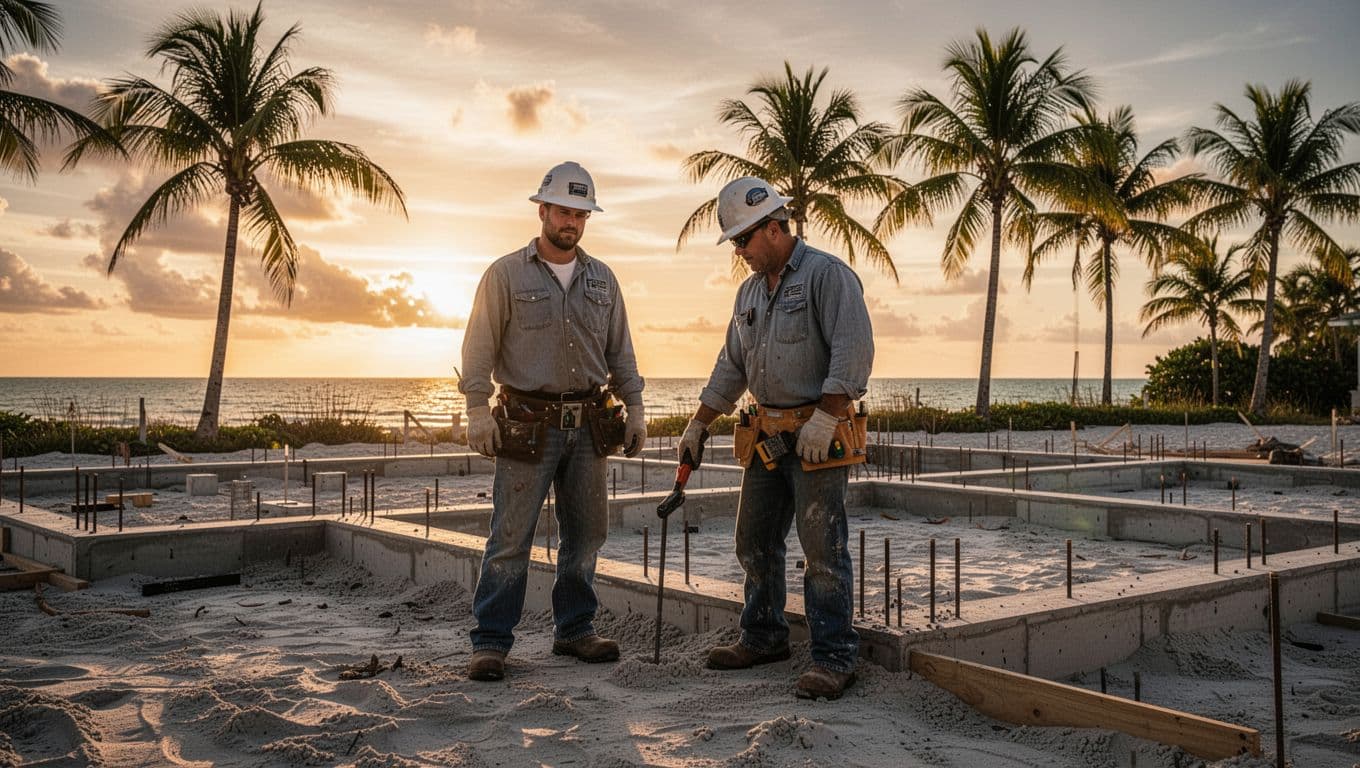
A realistic full timeline, from first planning meetings to move-in, often lands around 10 to 18 months. Larger homes, complex waterfront builds, or homes with heavy customization can take longer.
Common delays are usually predictable. Weather can slow site work. Owner selections can stall ordering. Long-lead windows, specialty tile, custom cabinetry, and switchgear can hold up progress. Utility coordination and inspection backlogs can also add time.
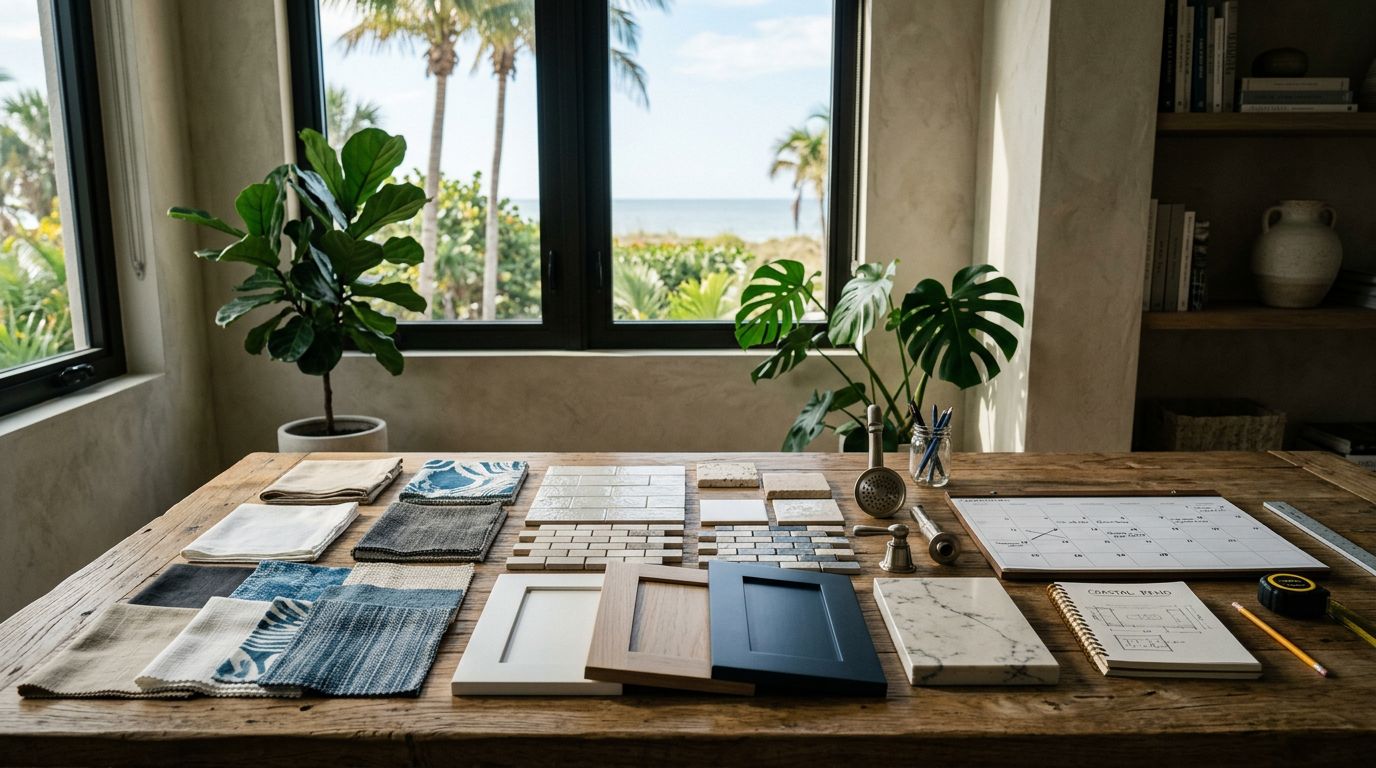
You can reduce surprises by making finish selections early and sticking to them. It also helps to review similar completed work before finalizing details. If you want a better feel for finish quality and style choices, view our project portfolio.
How to keep the team aligned and the project moving
The smoothest custom builds usually share one trait, clear decisions made at the right time. Your builder, architect, and designer should work from the same set of plans, finish schedules, and site facts.
Set up a simple system from day one. Keep one decision log. Approve changes in writing. Review allowances before orders are placed. If you're unsure about a layout or finish, decide before rough-ins begin, not after tile arrives.
Communication matters even more if you live out of state part of the year. Ask how often you'll get updates, photos, schedule notes, and budget tracking. Reading client feedback from past projects can also show how a builder handles communication once the work gets busy.
If you're ready to discuss your lot, ideas, or early budget range, Get a Free Estimate. An onsite conversation often answers more than a dozen online searches.
A custom home in Southwest Florida should fit both your life and the place it stands in. When the team plans for wind, water, timing, and real-world costs from the start, the process feels less like guesswork and more like building on solid ground.