Naples Condo Remodel HOA Approval Steps That Prevent Delays
A condo remodel can stall before demo day, even with a good contractor ready to go. In Naples, the slow part is often paperwork, not construction. A smooth Naples condo remodel HOA approval process starts with the rules your building already has.
That matters because board approval, contractor paperwork, and municipal permits are separate tracks. Get those lined up early, and your project has a much better chance of starting on time.
Start with your condo documents, not your demo date
Before you pick tile or order cabinets, ask for every remodeling document your association uses. That may include house rules, alteration forms, contractor requirements, elevator rules, and finish standards. Some buildings want a simple application. Others want scaled plans, material sheets, insurance certificates, and a security deposit for common-area damage.
Requirements also change from one building to the next. Older high-rises often review plumbing, waterproofing, floor sound control, and shutoff access more closely. Newer buildings may still be strict about work hours, loading dock use, and hallway protection. Your association manager and board are the best first stop for current rules in 2026.
Municipal review is separate. Depending on the address, permits may run through the City of Naples, Collier County, or another local department. That's why you should confirm permit rules with the local building department, not only with the HOA.
If you're still shaping the project, it helps to see before-and-after remodel examples for Naples before you lock in a layout that your building may reject.
The HOA approval process, step by step
Most boards want a clear package, not a rough idea. When the scope is vague, approval slows down.
- Define the scope in plain terms. List every planned change, including cabinets, flooring, tile, lighting, plumbing fixtures, electrical work, and any wall changes.
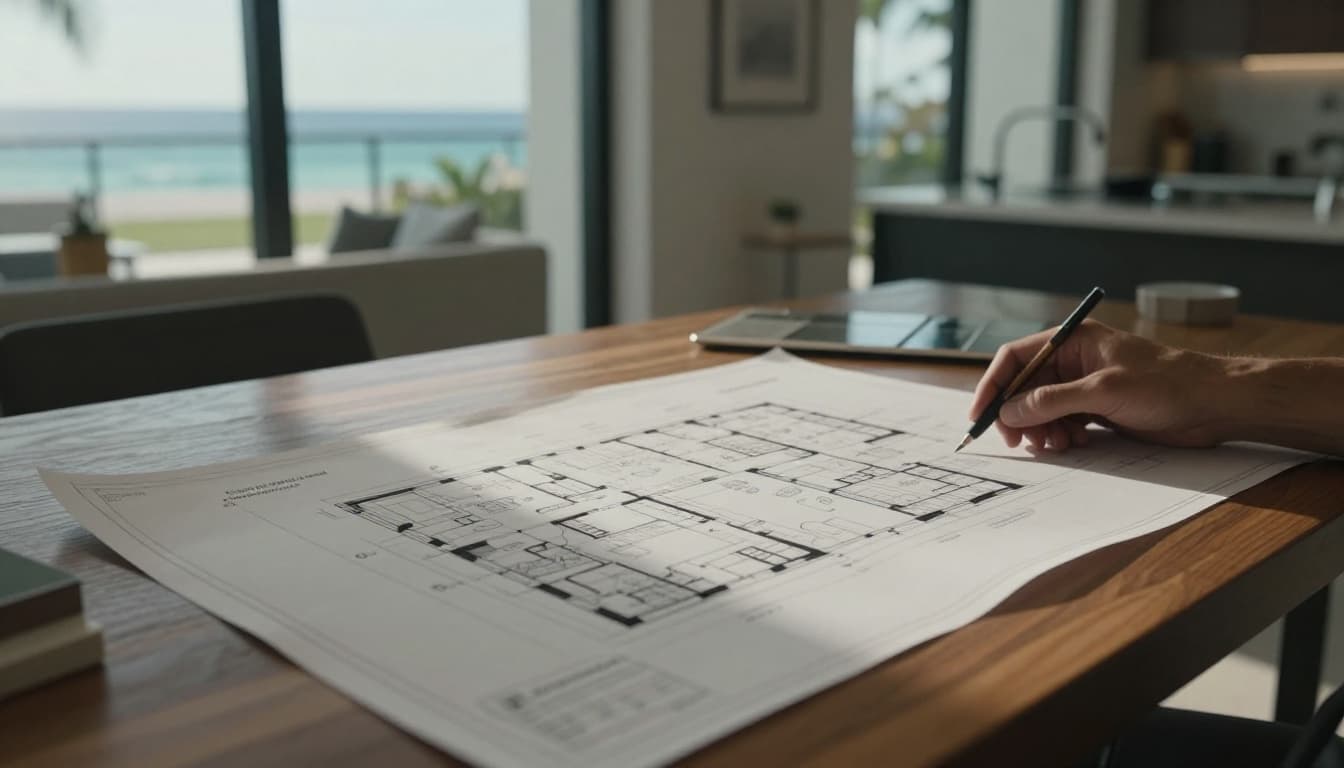
- Build the submission package. Include floor plans, finish selections, product sheets, start and finish dates, daily work hours, and your debris-removal plan. If the project affects a kitchen or bath layout, show that clearly.
- Collect contractor documents. Many Naples associations ask for license information, general liability coverage, workers' comp, and certificates of insurance (COIs). Some also want a list of subs or a refundable deposit, often around $1,000 to $5,000.
- Submit early and wait for written approval. Review often takes two to six weeks, and sometimes longer if the board meets only once a month or asks for revisions.
- Secure permits and building logistics. Plumbing, electrical, mechanical, and structural work often need permits, even after HOA approval. Reserve elevators, confirm loading access, and ask about seasonal work windows, which many buildings prefer during the off-season.
Board approval does not replace permits, and permits do not replace board approval.
Once you have the rules packet, plans, and scope, you can Get a Free Estimate for a project that fits both your unit and your building's requirements.
Common Naples condo remodel concerns boards watch closely
Interior work still affects shared spaces, neighbors, and building systems. That's why associations focus on details that owners often miss.
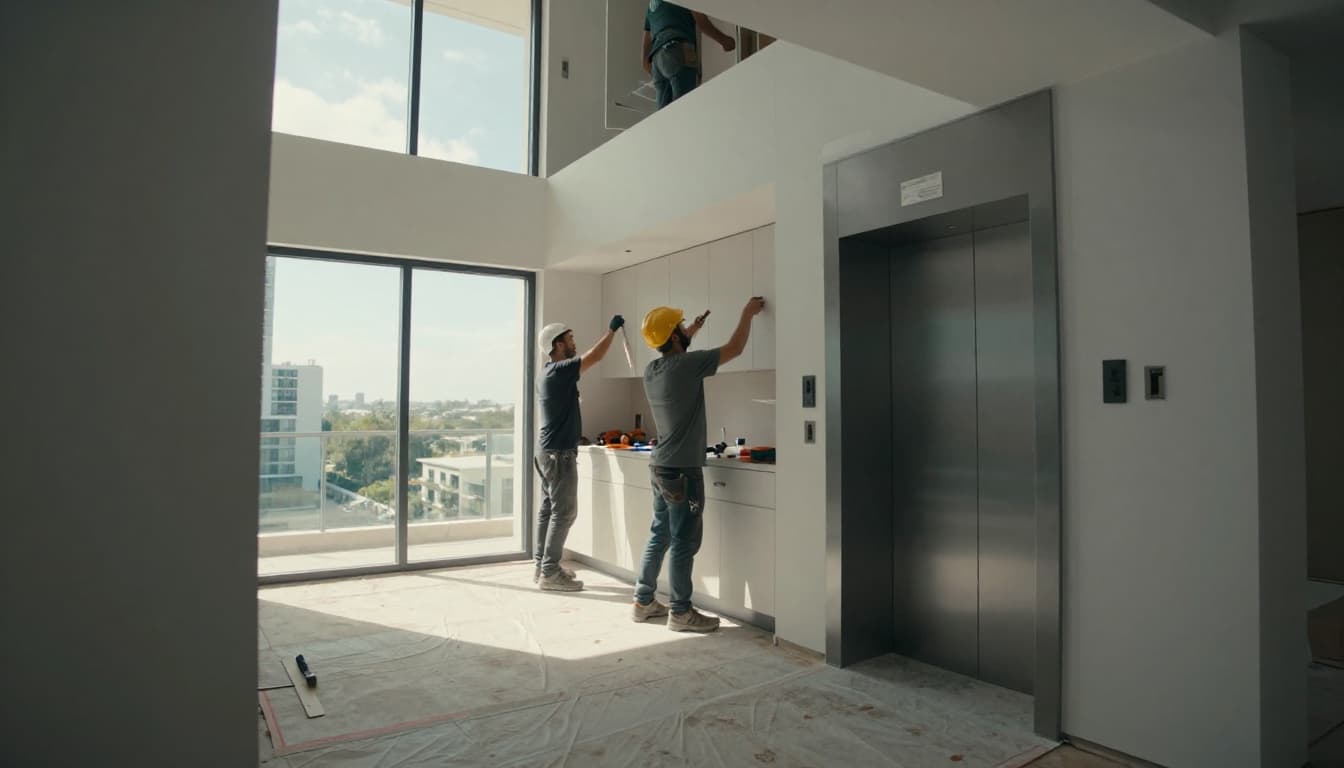
Work hours and noise limits are usually the first issue. Many buildings allow louder work only on weekday daytime schedules. Some also limit renovation season, often from May through October, because winter occupancy is higher. Always verify your building's exact window.
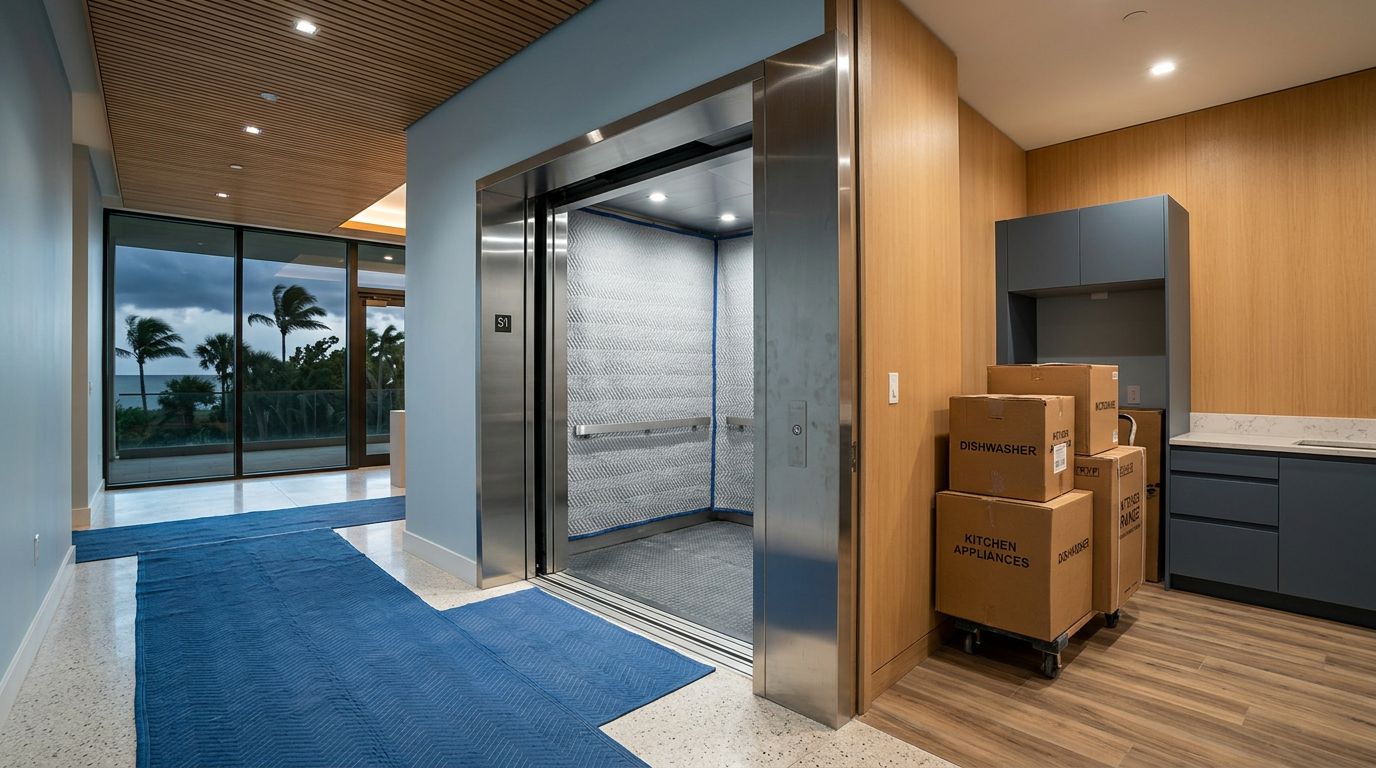
Elevator reservations are another big one. High-rises may require service-elevator bookings, protective padding, loading rules, and strict start times. Debris removal usually needs protected routes, daily cleanup, and no staging in hallways.
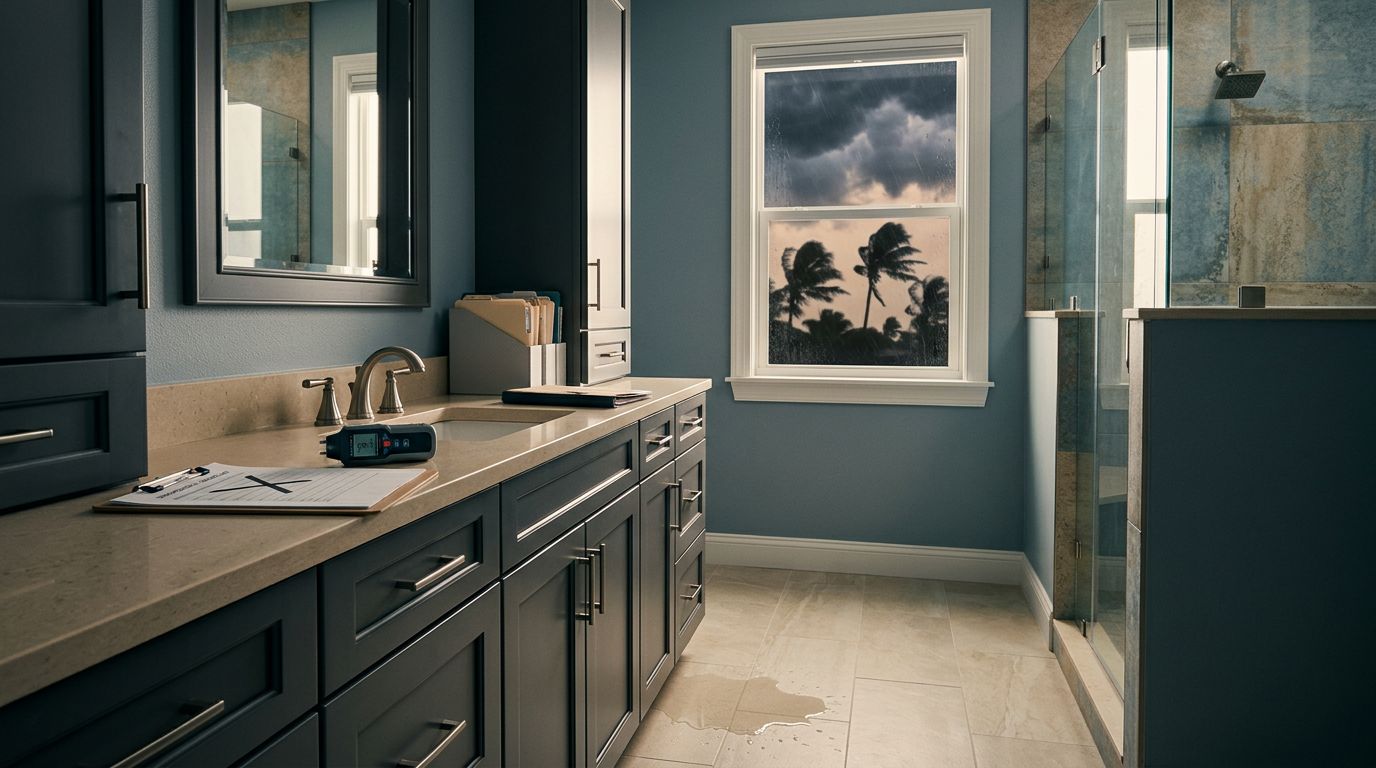
Wet areas get extra attention. Bathroom waterproofing, shower pans, floor underlayment, and plumbing changes can affect units below. Some associations also restrict moving sinks, tubs, or showers if the new location sits over a neighbor's dry space. Hard flooring may need sound-control underlayment.
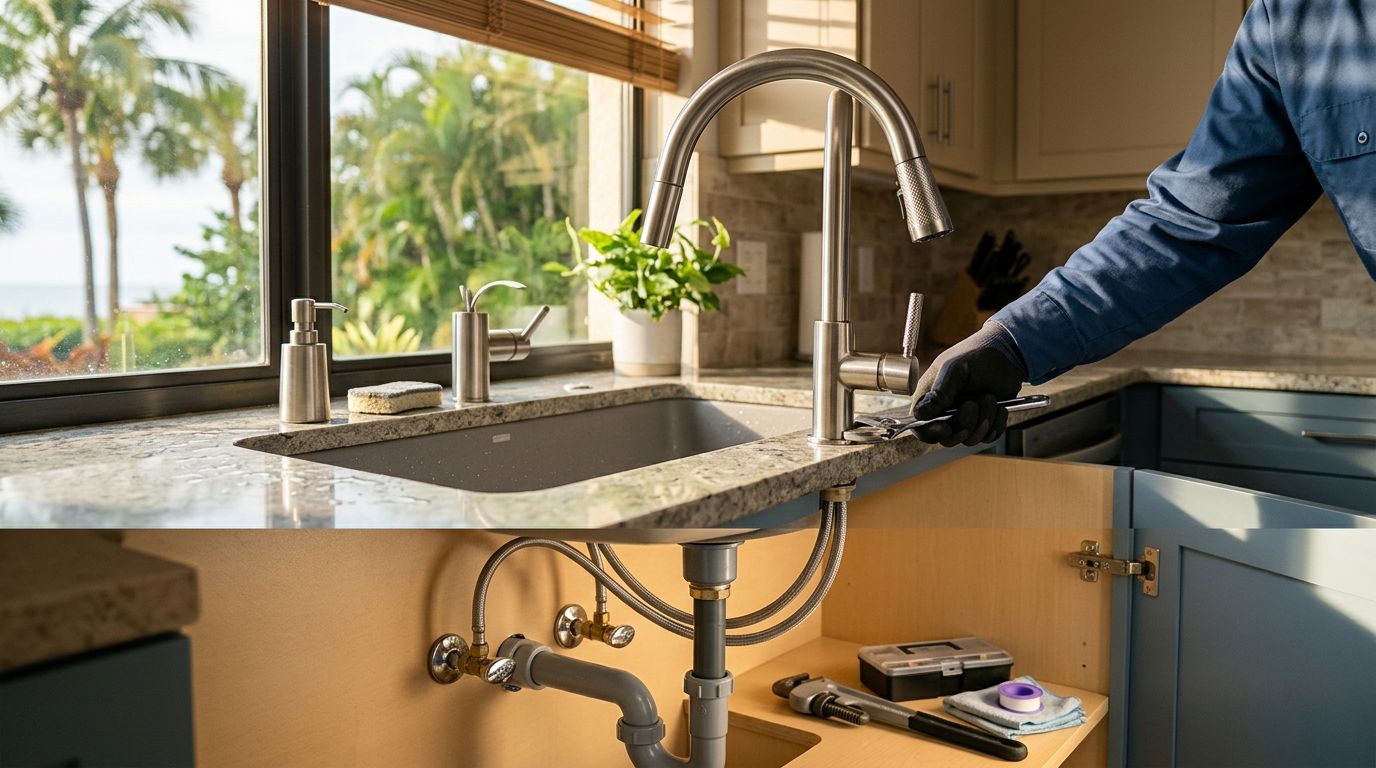
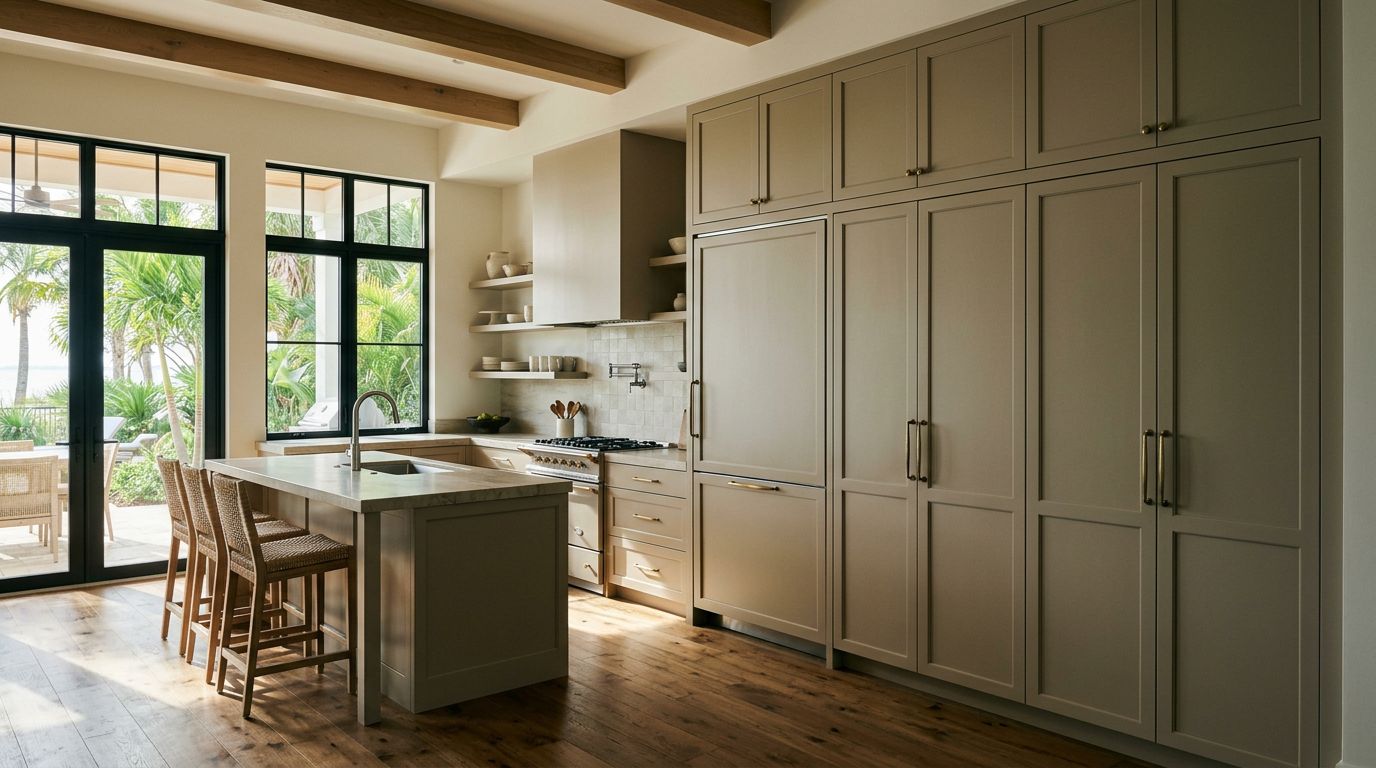
Plumbing and electrical changes can trigger shutoffs or inspections, so boards want licensed trades and good planning. In kitchen projects, even a small sink move can affect stacks, venting, or shared access points. If you're planning new cabinetry and layout changes, explore Sozio's kitchen remodeling projects serving Naples to see the level of detail these spaces often require.
A pre-submission checklist that saves time
Before you send anything to the board, confirm that your package includes:
- The association's remodel form and any alteration agreement
- A scope of work tied to the exact rooms being changed
- Floor plans, product sheets, and finish selections
- Contractor licenses, COIs, and workers' comp proof
- Proposed work hours and an estimated schedule
- Elevator reservation needs and common-area protection plan
- Daily debris-removal and cleanup plan
- Waterproofing details for baths and sound-control details for flooring
- Permit information, if your scope includes plumbing, electrical, or wall changes
- Manager or board contact for questions during review
A complete package reads like a plan, not a wish list. That difference often saves weeks.
Mistakes that trigger delays, revisions, and denials
The most common mistake is submitting pretty finishes without construction details. A tile sample doesn't explain floor buildup, sound mat thickness, shower waterproofing, or whether plumbing moves are involved. Boards often send those packages back.
Another problem is hiring a contractor who knows houses but not condos. Condo work has extra layers, such as elevator bookings, neighbor notice, limited work hours, and protection of shared areas. A strong remodel team should ask about those rules before pricing the job. When you're comparing companies, ask for condo references and hear from satisfied Naples condo remodel customers.
Owners also get in trouble when they order materials too soon. If the board changes the flooring spec or denies a layout shift, that early order can turn into wasted money. Start with approval, then lock in long-lead items.
The safest first step isn't demolition. It's a clear package, a condo-savvy contractor, and written approval from the people who control the building.
That approach won't remove every delay, because each association, building, and municipality has its own rules. Still, it gives your remodel a clean start, and in Naples condos, that usually makes all the difference.