Do You Need a Permit for Remodeling in Southwest Florida
Start demo too soon in Southwest Florida, and a simple remodel can turn into a stop-work notice, reinspection fees, or trouble at resale.
For most homeowners, the bottom line is simple: if your project changes structure, plumbing, electrical, HVAC, roofing, doors, windows, or layout, you likely need a permit . Because rules can shift by county, city, condo, flood zone, coastal location, and project scope, it pays to confirm the details before work begins.
When a remodeling permit is usually required
The phrase "remodeling permit florida" usually leads to the same answer in Southwest Florida: many remodels need one.
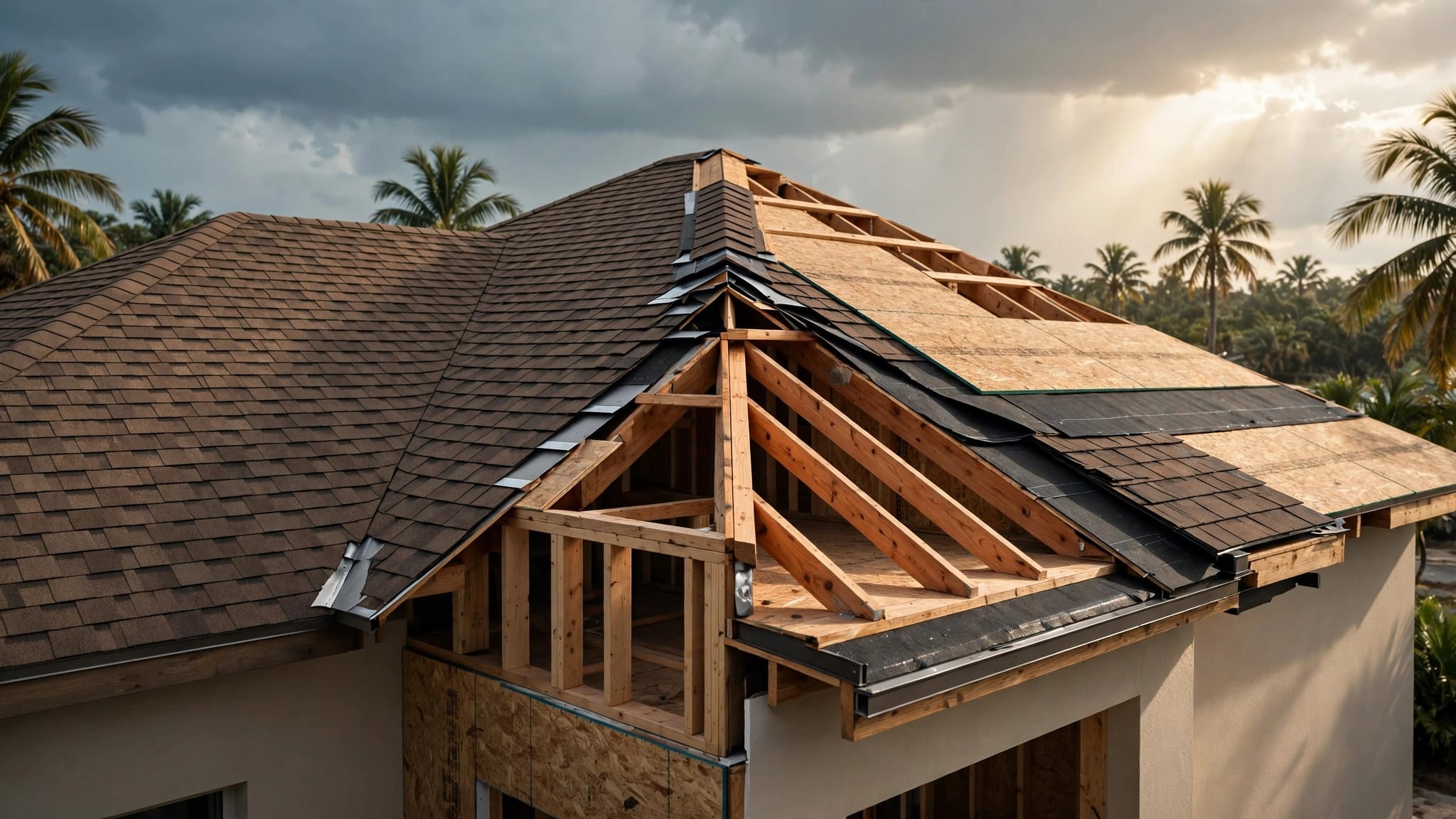
A permit is commonly required when work affects the home's bones or systems. That includes removing a wall, moving a sink, adding recessed lights, replacing ductwork, changing a shower layout, or installing a new electrical panel. Room additions, garage conversions, lanais, roof replacements, and most window or exterior door replacements also fall into permit territory.
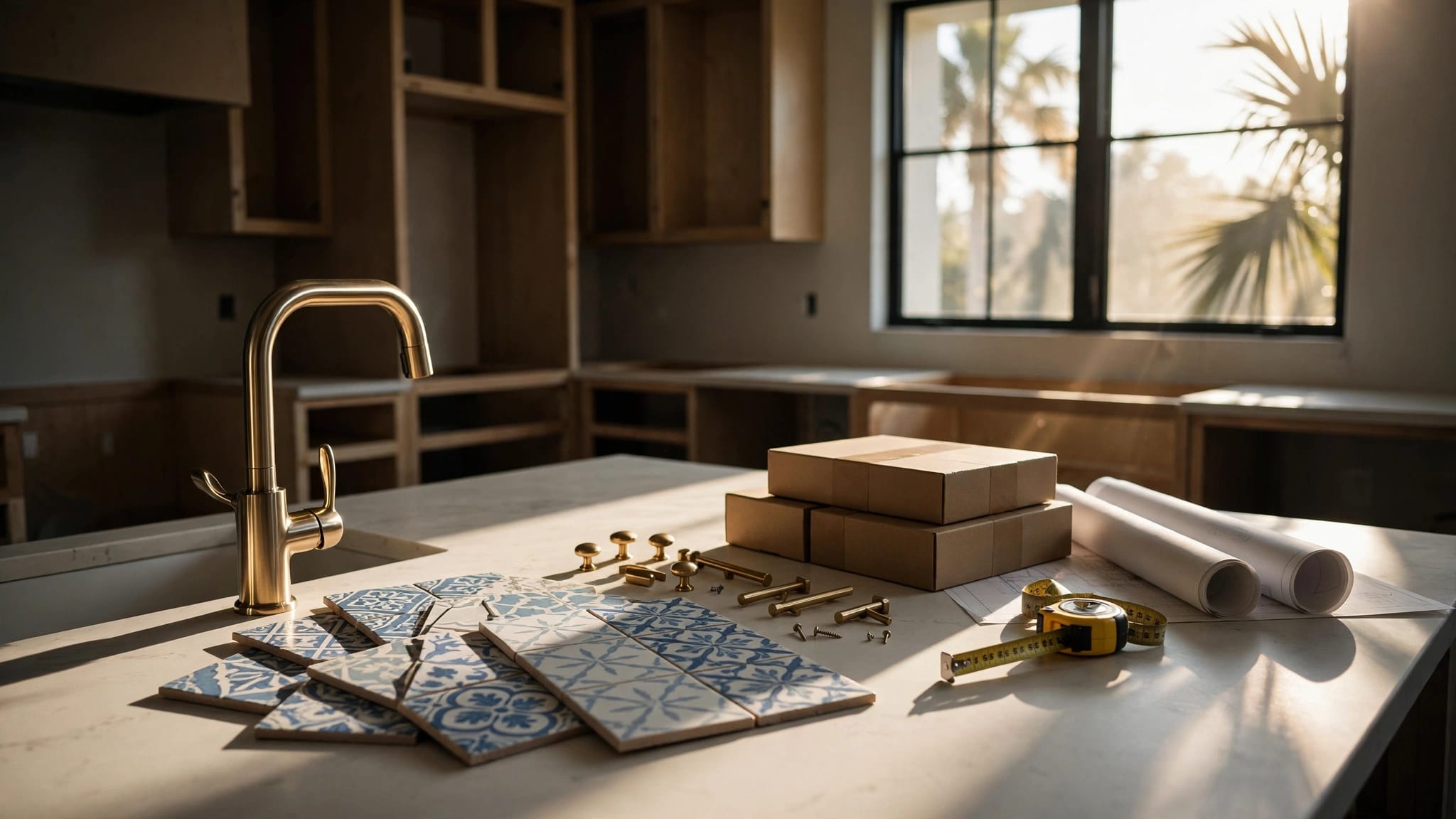
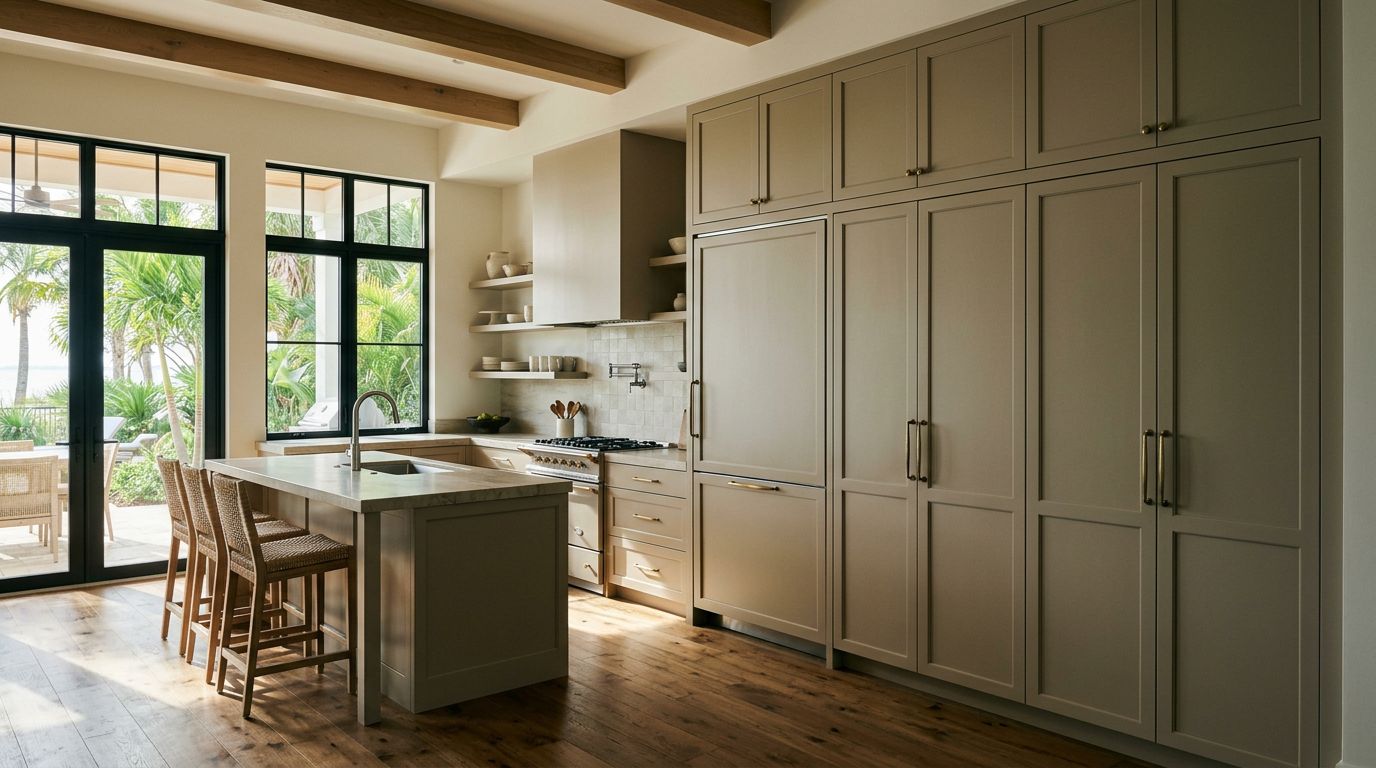
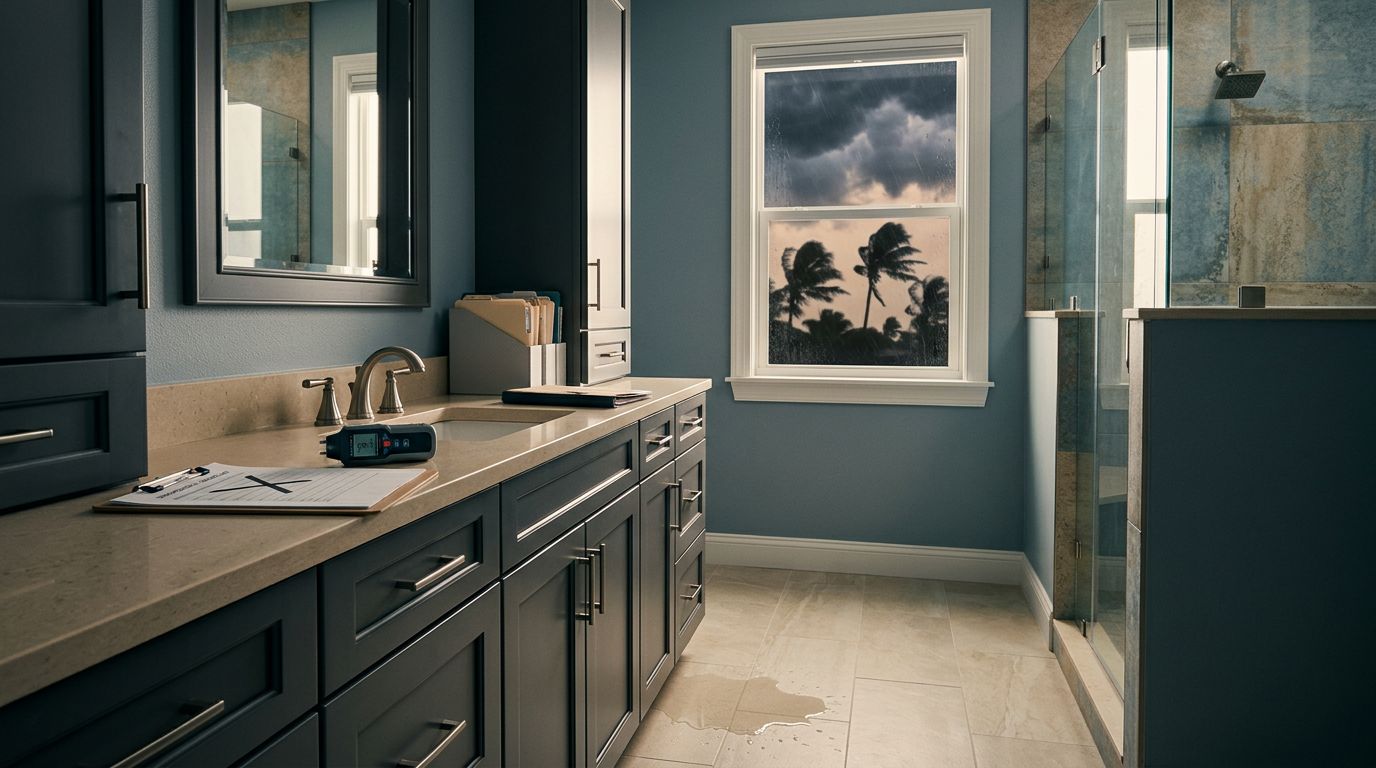
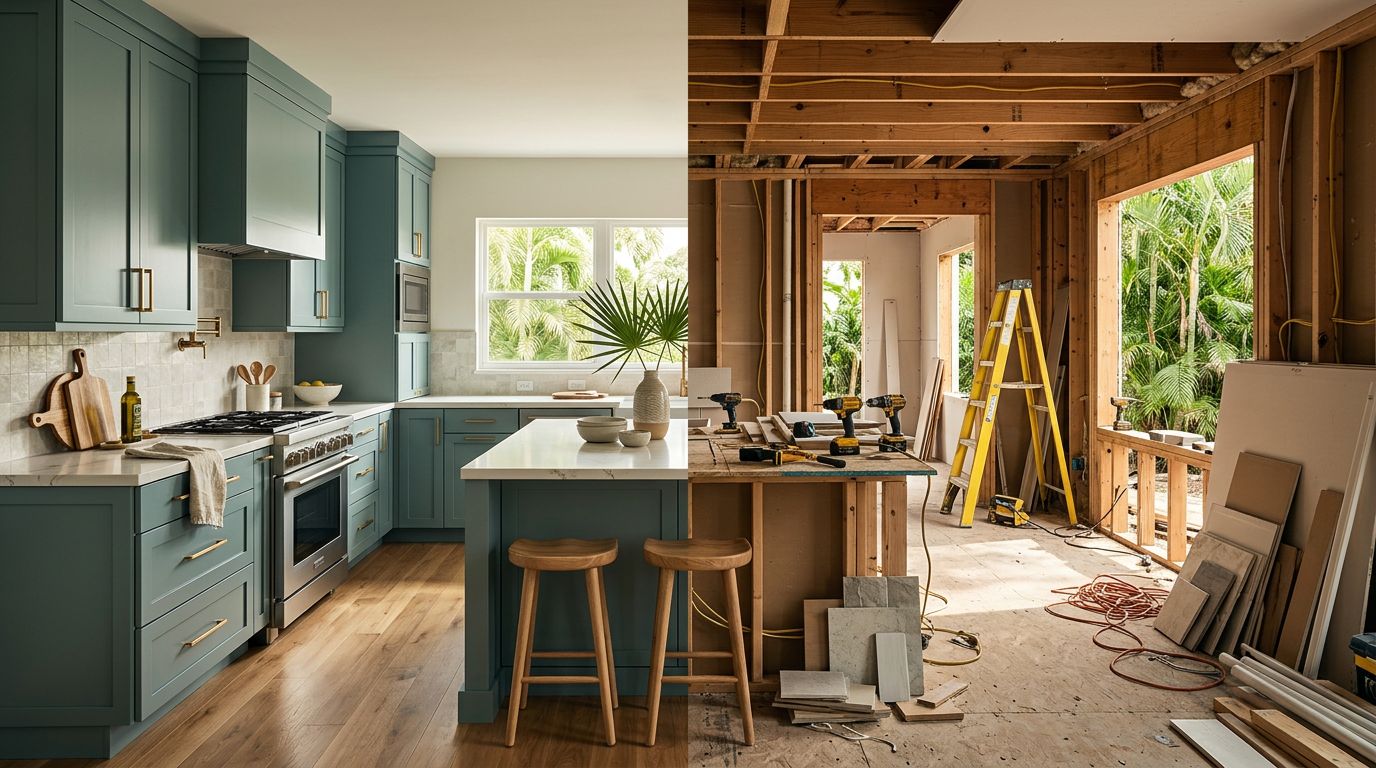
That matters for custom kitchens and baths. A Southwest Florida kitchen renovation often starts as cabinets and counters, then grows into new lighting, island plumbing, venting, or a wall change. The same pattern shows up in a Southwest Florida bathroom renovation, where moving a shower, toilet, or exhaust fan usually triggers review and inspections.
This quick guide helps frame what is common:
| Project | Permit Likely? | Why |
|---|---|---|
| Paint, trim, cabinet hardware | Usually no | Cosmetic only |
| New tile or flooring | Sometimes | Depends on scope and condo rules |
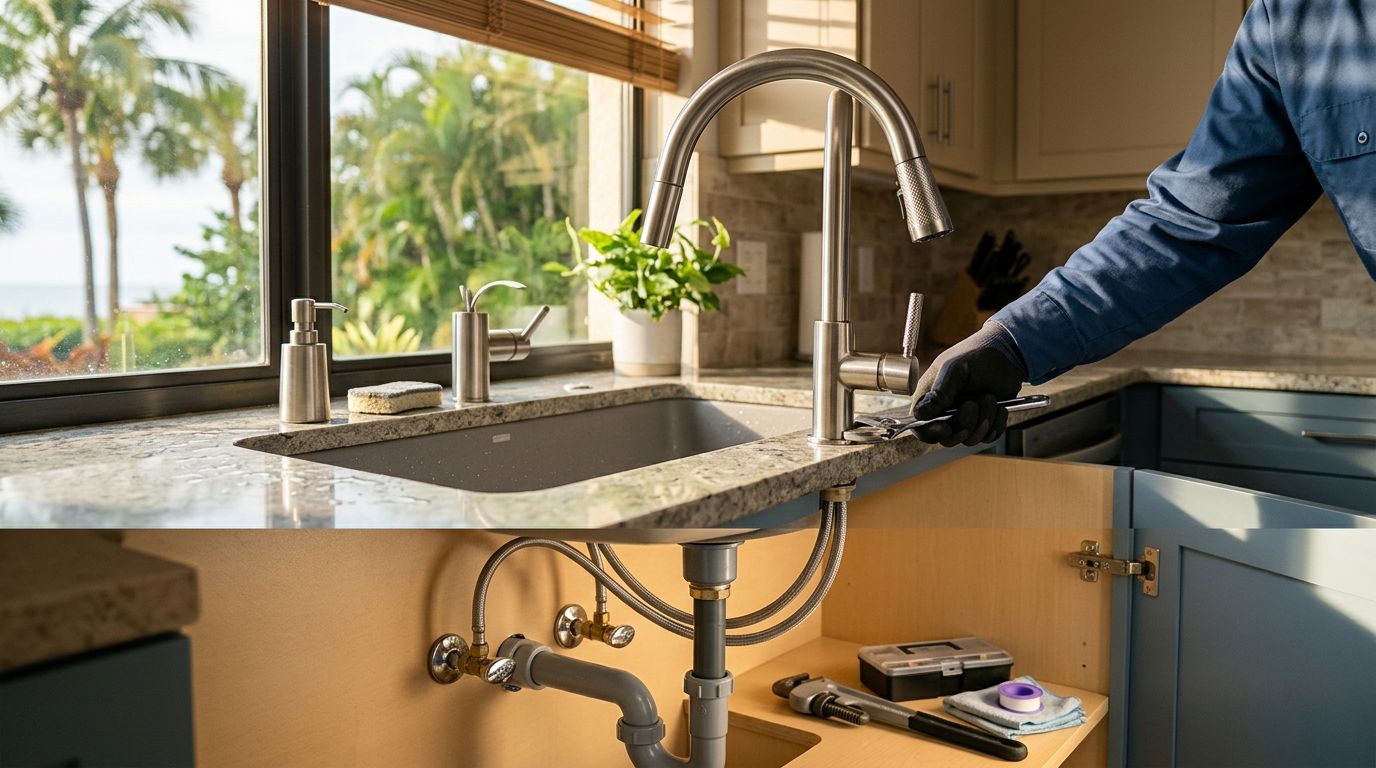
| Replace faucet or light fixture in place | Often no | No system change |
| Move plumbing or wiring | Yes | System work |
| Remove a wall | Yes | Structural change |
| Hurricane-impact windows and doors | Yes | Wind-load and opening protection |
| New lanai enclosure or room addition | Yes | Structural and code review |
| Roof replacement | Yes | Weather and code compliance |
What may not need a permit, and what can change the answer
Cosmetic work often does not need a permit. Fresh paint, new countertops, replacing cabinet doors, or swapping a faucet for a similar one may be fine without formal review. Still, "cosmetic" can be a slippery word. Once a remodel opens walls or reroutes anything behind them, the job changes.
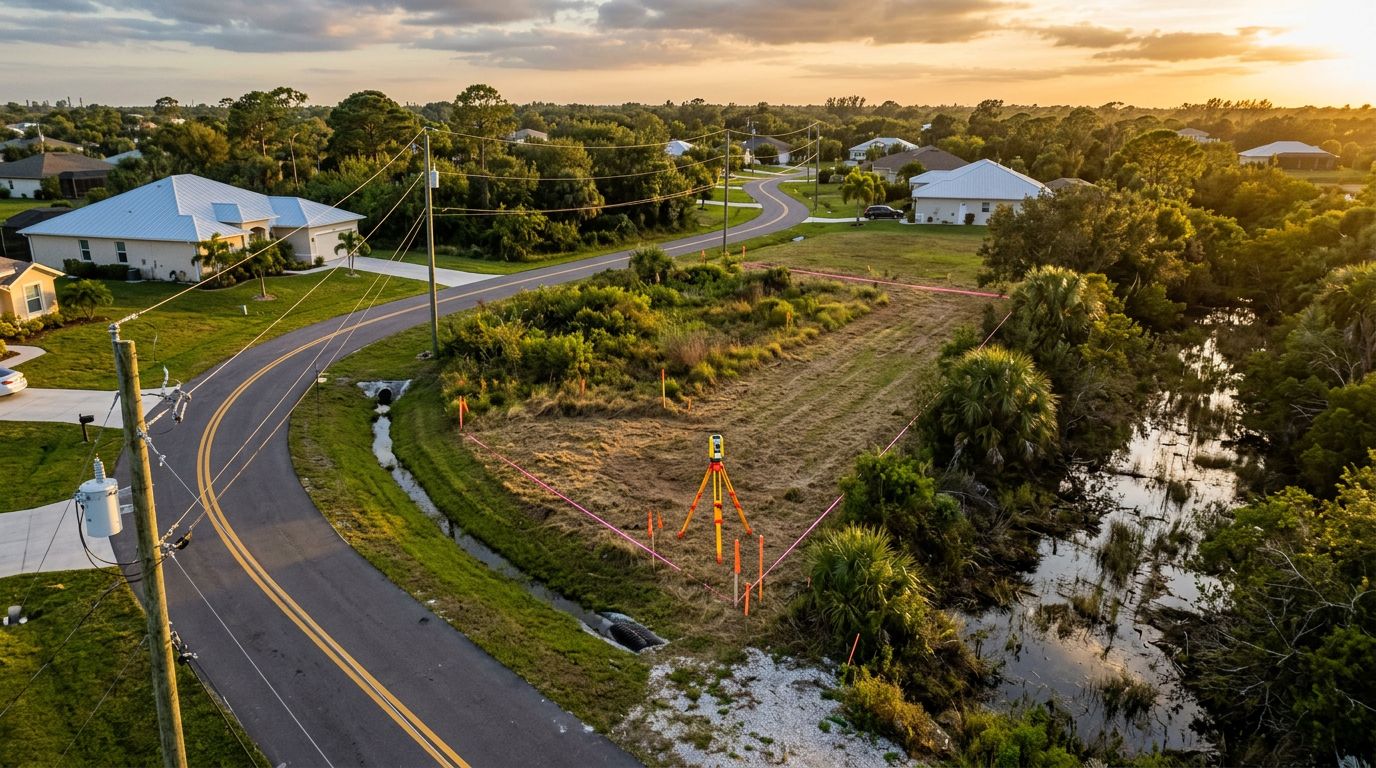
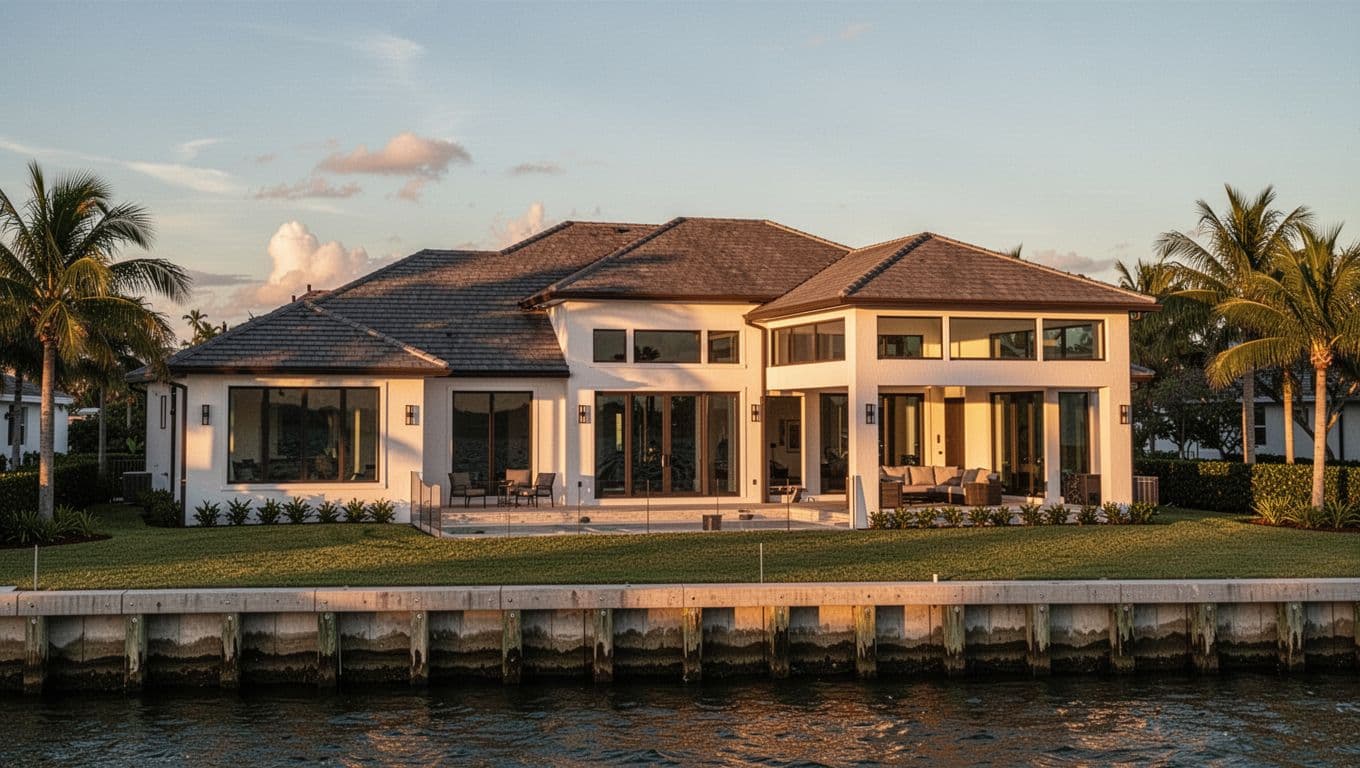
Southwest Florida adds a few local twists. Homes in flood-prone areas may face stricter rules when repair or improvement costs climb too high compared with the home's value. Post-storm repairs can also trigger deeper code review, especially in older homes near the coast or along canals. If your property sits near a seawall, in a VE or AE flood zone, or close to the water on Sanibel, Naples, Fort Myers Beach, or Punta Gorda, expect closer scrutiny.
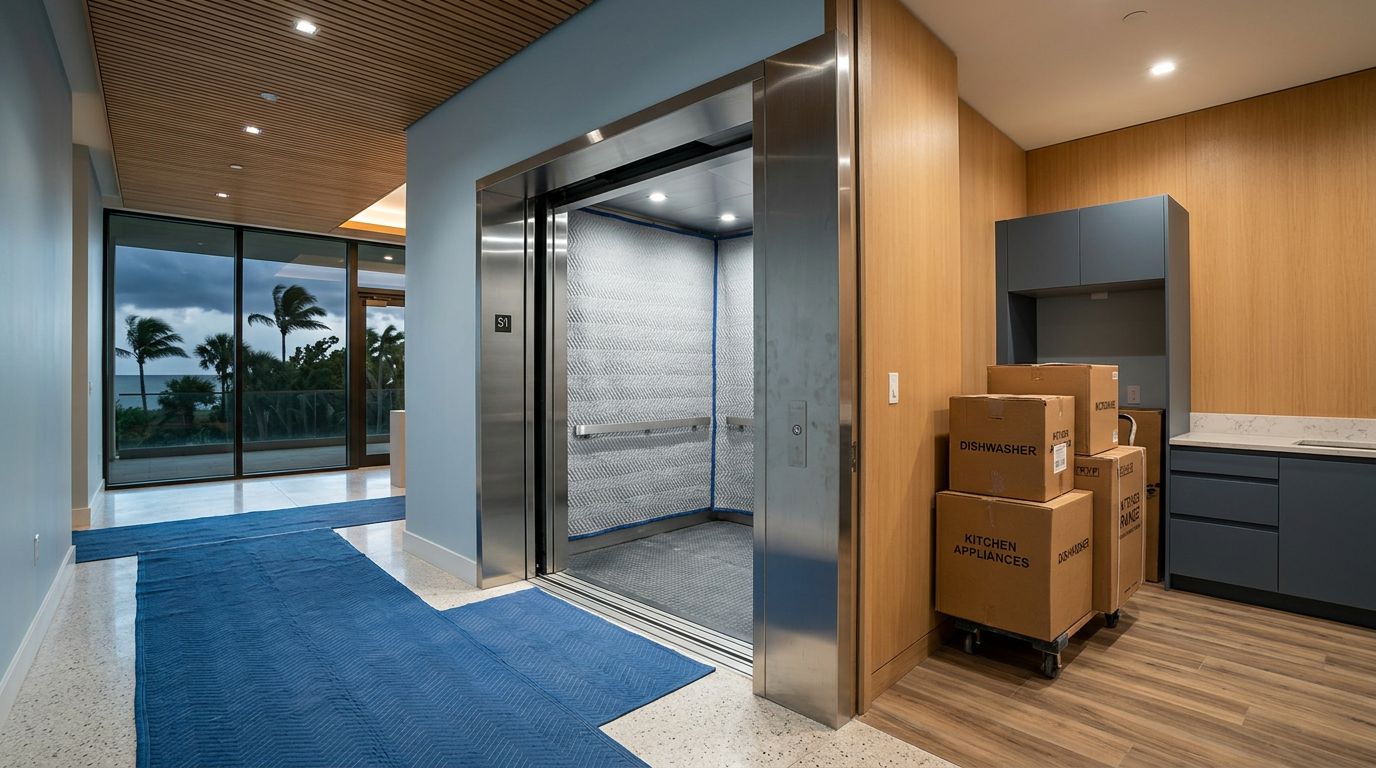
Condo owners have another layer. Even if the city or county does not require much for a small interior update, the condo board may require plans, contractor approval, work hours, elevator protection, or proof of insurance. HOA rules can also affect exterior colors, doors, windows, lanais, and roofing materials.
Permit requirements can change fast, and the answer may differ by county, city, condo, flood zone, historic district, and the exact scope of work.
That is why two "similar" bathroom remodels may get different answers. One only swaps finishes. The other moves drains, changes ventilation, and enlarges the shower. On paper they sound alike. In practice, one is light maintenance and the other is construction.
How local permitting works in Lee, Collier, Charlotte, and Sarasota areas
Across Southwest Florida, statewide building code sets the baseline, but local departments handle the permit process. So your address matters.
As of April 2026, Lee County permitting materials state that a permit is required to construct, enlarge, alter, repair, move, demolish, or change occupancy of a structure. The same applies to regulated electrical, plumbing, gas, and mechanical work. Lee County also notes a permit fee schedule update effective April 15, 2026, which is a good reminder that costs and forms can change.
Charlotte County treats several residential jobs as their own permit categories, including roofing. That lines up with what many homeowners already suspect: a new roof is not a casual repair. It is a permitted project.
In Collier and Sarasota County areas, the same common rule still holds. If the remodel changes layout, systems, openings, or square footage, plan on permit review. Yet city rules may differ from county rules. A home in unincorporated Lee County does not follow the exact same process as one in Cape Coral or Fort Myers. The same goes for Naples, Punta Gorda, Venice, and Sarasota city limits.
Historic districts, island communities, and coastal exposure can add more review. Hurricane-impact windows and doors, for example, often need product approvals and installation details because wind resistance matters here more than in many other states.
How to avoid delays, rework, and permit headaches
Most permit problems start before the first hammer swing. The scope was vague, the wrong party pulled the permit, or nobody checked local rules until materials were already ordered.
A cleaner process looks like this:
- Define the full scope early, not only the finishes.
- Ask who is pulling the permit, homeowner or contractor.
- Confirm county, city, condo, HOA, and flood-zone rules before demo.
- Keep inspection records for insurance and future resale.
A licensed contractor should be able to flag permit needs early, especially for kitchens, baths, additions, roofing, window replacements, and storm-related repairs. If you are still shaping the project, you can Get a Free Estimate and talk through scope before plans harden.
Skipping a permit can cost more than the permit itself. Unpermitted work may lead to fines, extra engineering, torn-out finishes, insurance questions, and delays when you sell. Buyers notice when a polished remodel has no paper trail.
The safest rule is plain: if your remodel changes anything behind the surfaces, assume you need a permit until your local building department and licensed contractor say otherwise.
That extra phone call can save weeks of delay and a lot of money. In Southwest Florida, where storms, flood rules, and coastal code concerns shape construction, permit clarity is part of a smart remodel.