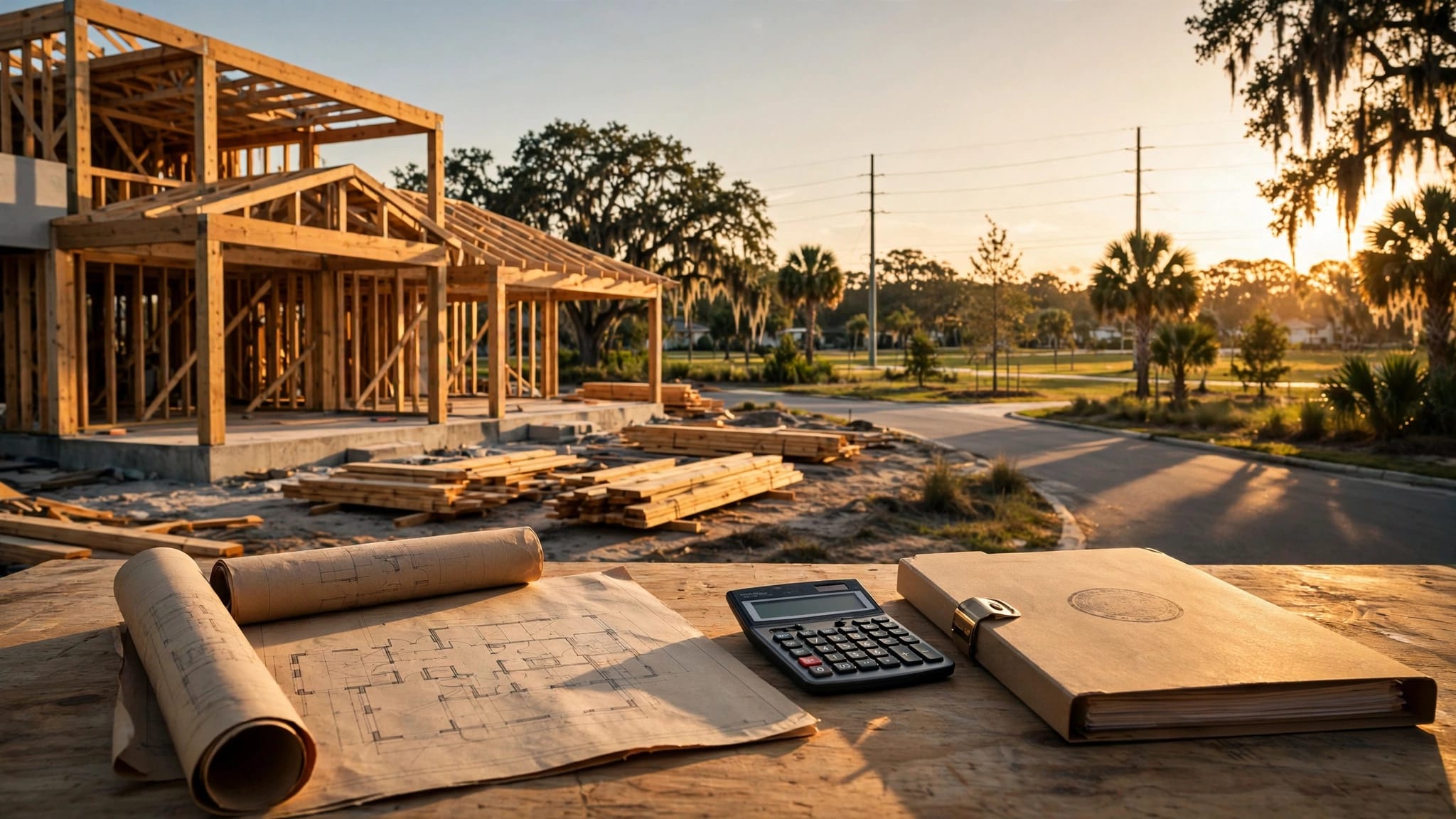
Preparing Your Southwest Florida Home for a Remodel
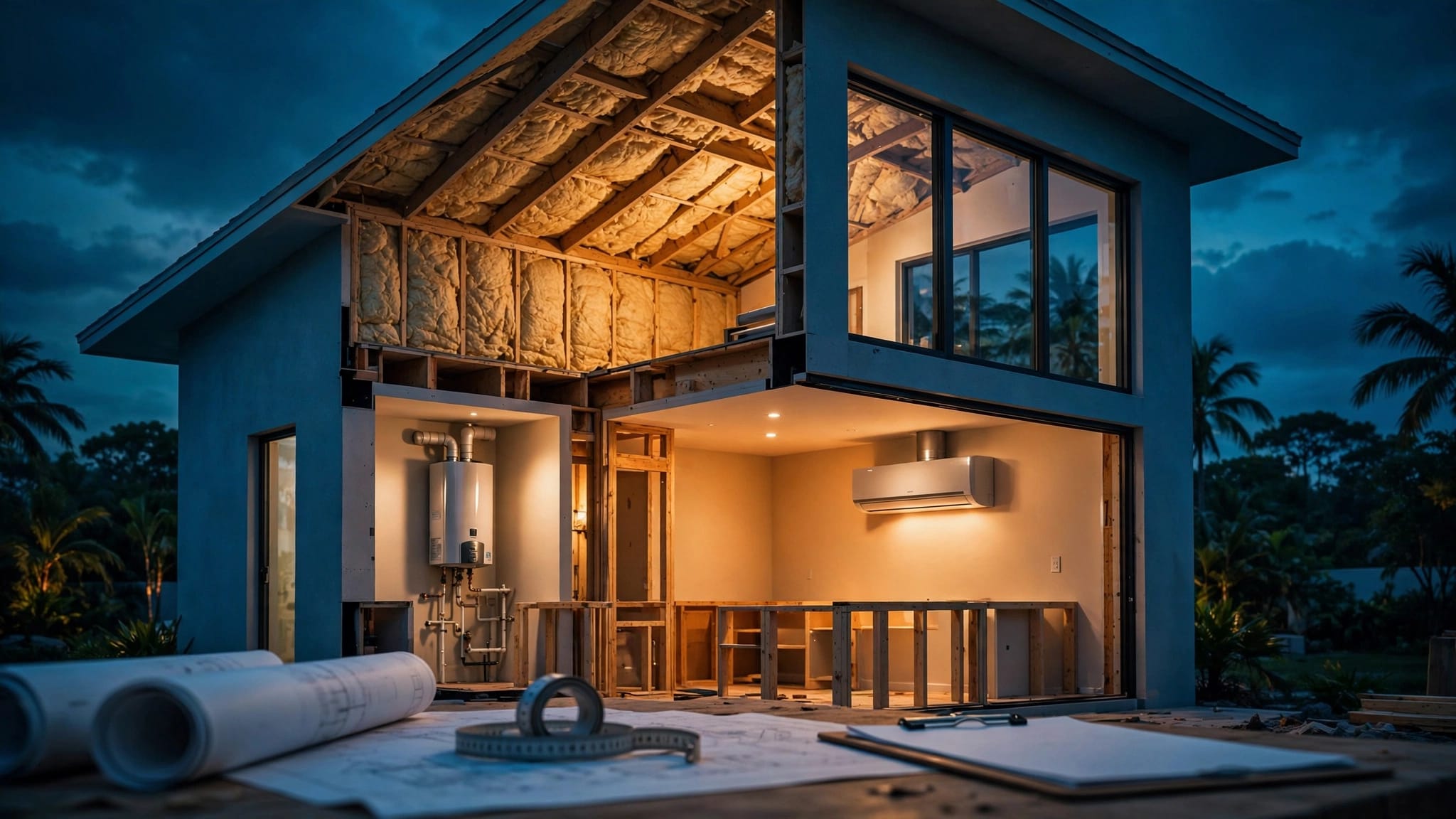
A remodel gets easier when the prep is done before the first cabinet comes out. In Southwest Florida, home remodel preparation matters even more because humidity, storm season, and HOA rules can slow a job fast.
A smart start protects your home and keeps the crew moving. It also helps you avoid the small problems that turn into long delays, like blocked access, missing approvals, or a room that stays half-packed for too long. Start with the basics, then adjust for local conditions.
Set the scope and schedule before anything moves
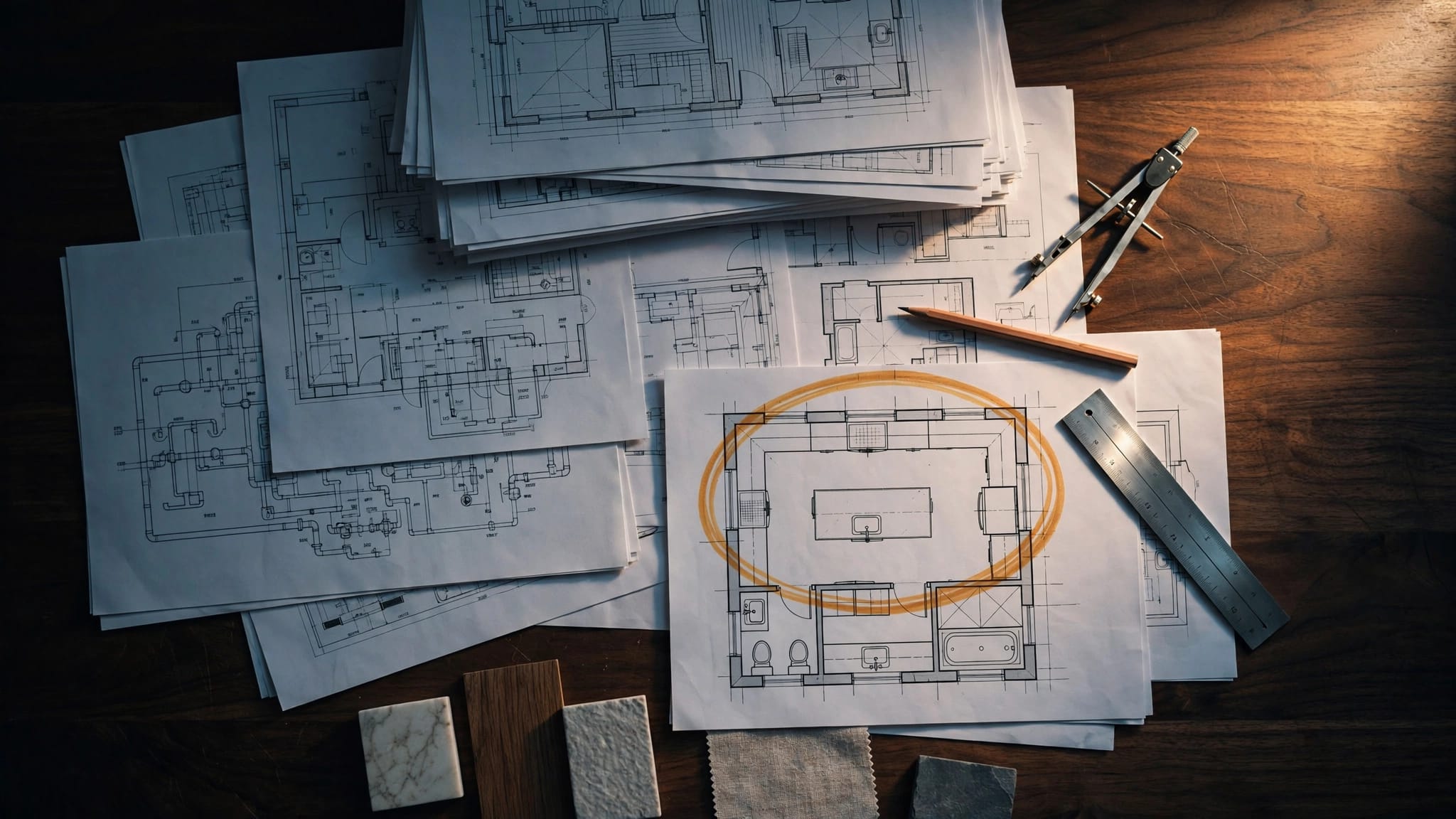
Before demo begins, lock down the project scope in plain language. Which room is changing? Which walls stay? Which fixtures, cabinets, or flooring are being removed? The clearer this is, the easier it is to protect the rest of the house.
Ask your contractor about work hours, parking, material drop-offs, and daily cleanup. In gated neighborhoods or HOA communities, share access rules early. If crews need to use a side yard, garage, or lanai, that should be part of the plan too.
It also helps to know when water, power, or HVAC access will be limited. A kitchen can lose its sink and appliances fast, while a bath project can shut down a shower for days. Put those decisions in writing, especially cabinet choices, fixture lead times, and anything you plan to supply yourself.
If you are living in the home during the remodel, that written plan matters even more. It gives everyone the same roadmap and helps avoid guesswork once work starts.
For room-specific projects, review kitchen remodeling services and bathroom remodeling services so your prep matches the work ahead.
The same planning matters for room additions and custom home construction, where staging, deliveries, and inspection timing all affect the schedule.
Clear the space and protect what stays
Declutter first, then pack. Empty cabinets, drawers, closets, and shelves before the crew arrives. Sort items into keep, donate, store, and toss. That simple pass makes demo day faster and gives you a clean look at what the room really needs.
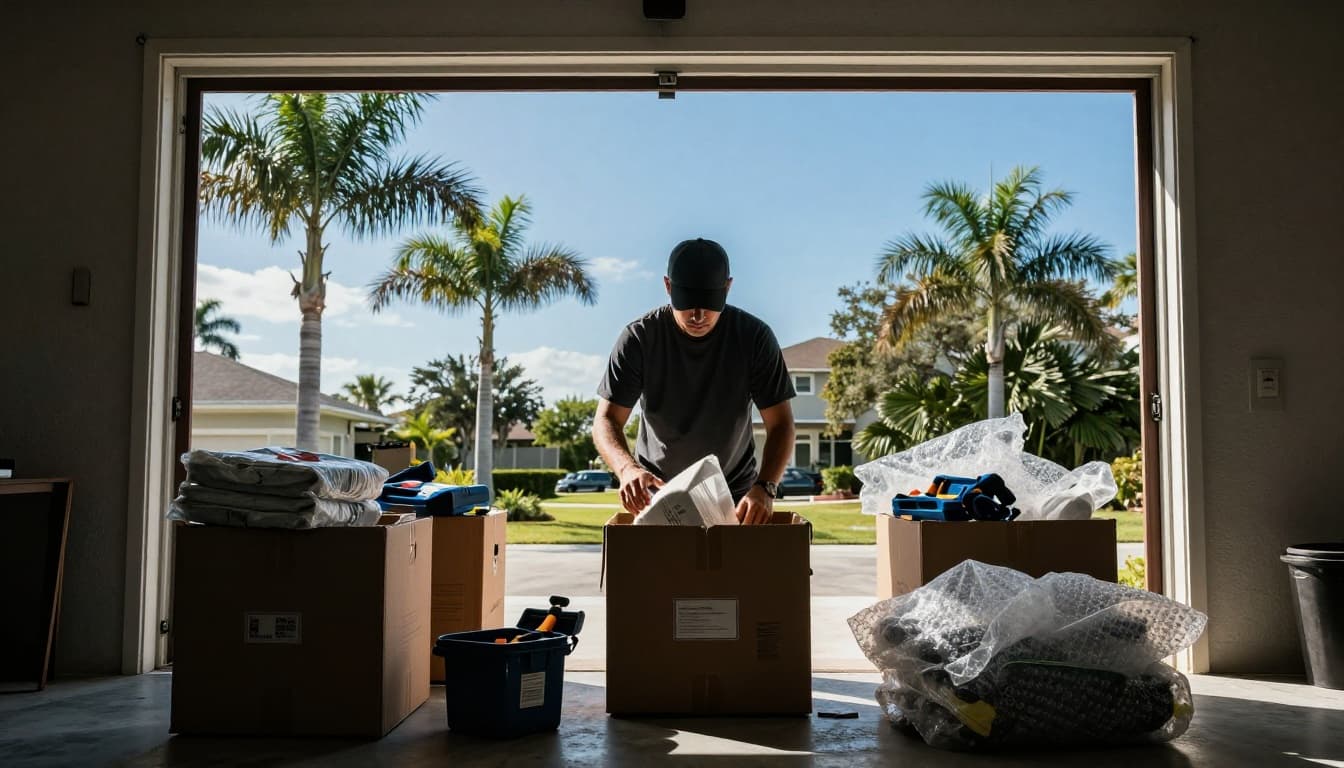
Move valuables, papers, photos, and electronics out of the work zone. If something is fragile or expensive, store it offsite. A safe deposit box, locked closet, or friend's garage is better than a dusty counter near a saw.
Don't forget pantry items, linens, and anything stored in the garage. Those spaces often become overflow zones during a remodel, so they need the same attention as the main room. Label boxes by room and by how soon you'll need them back.
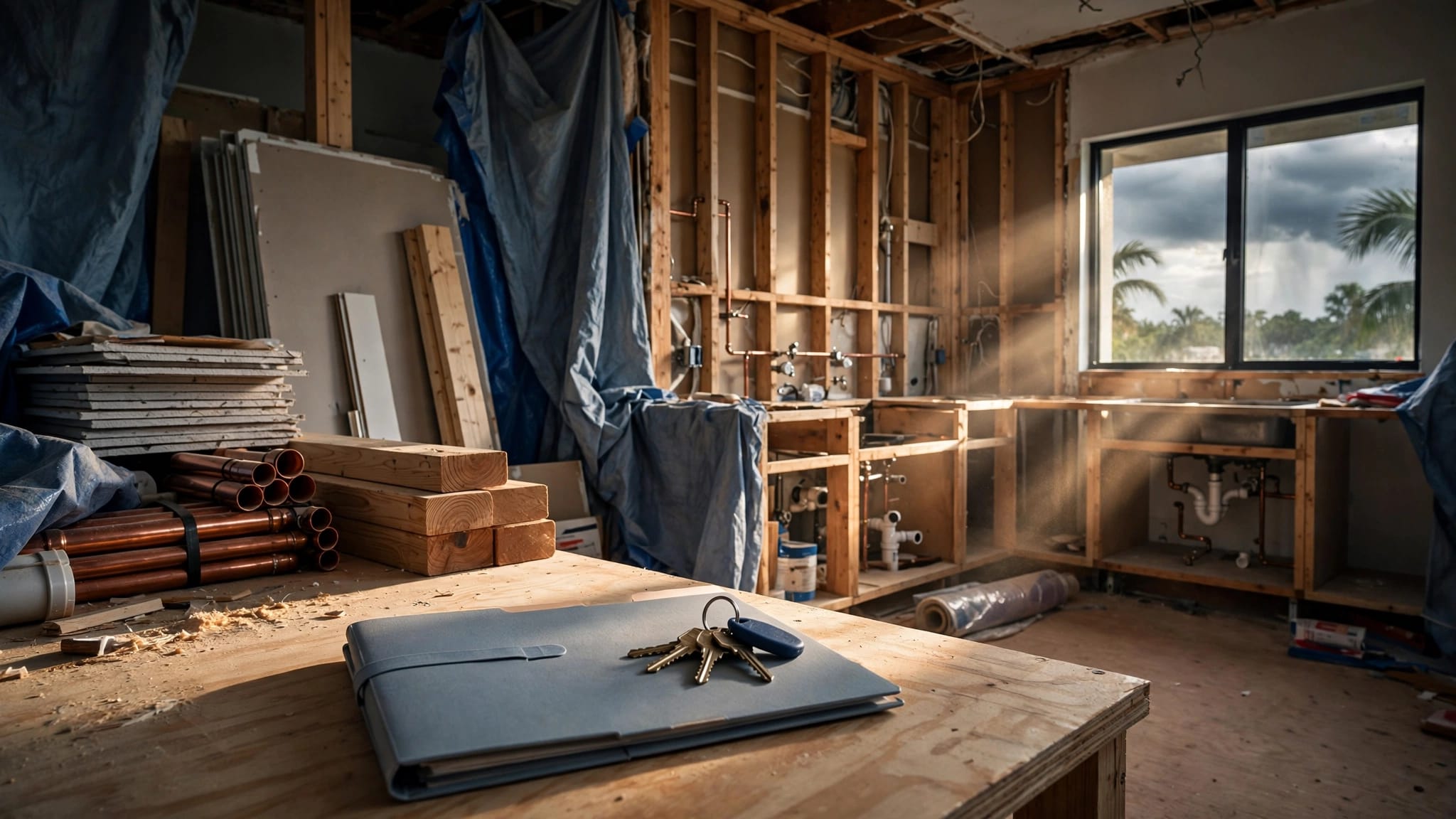
Once the room is empty, protect what stays. Close doors, seal gaps, and cover floors before demolition starts. In humid weather, dust sticks to everything, so barriers matter more than most people expect. Cover vents, returns, and open shelving if they sit near the work area.
A clear path also helps if the home stays occupied during the project. Set one route for daily use and keep it free of tools, cords, and moving boxes. That small step makes the house feel less crowded.

Photo by ClickerHappy
A little protection now keeps the rest of the house livable while the project moves ahead.
Plan for humidity, storms, and moisture before demolition
Southwest Florida adds a few extra pieces to the puzzle. The 2026 Atlantic hurricane season runs from June 1 through November 30, and forecasts point to another active year. If your project overlaps that window, ask how materials will be stored, protected, and rescheduled if a storm watch appears.
Moisture control matters too. Humid air can warp wood, damage drywall, and feed mold in a hurry. Keep cabinets, flooring, trim, and drywall indoors until they are needed. Store leftovers, paint, and spare flooring somewhere dry, not in a garage that gets hot and damp.
If the home sits in a flood-prone area, talk through what happens if rainwater gets in while the room is open. Ask whether the contractor will use a dehumidifier or temporary HVAC during open-wall work. That can help keep the house more stable while surfaces are exposed.
Salt air is another local issue, especially near the coast. It can be rough on fasteners, fixtures, and exterior finishes. Ask for materials that are suited to coastal use, not just standard stock items. A little extra planning here saves repair work later.
In Southwest Florida, moisture control starts before demo. Keep approvals moving, and keep materials dry.
HOA and condo rules can slow things down too. Some communities want design review, work-hour limits, or notice before any debris is removed. Get those steps out of the way early, before the first hammer swing. If a storm warning comes, you should already know who secures openings and who checks the site.
A practical pre-remodel checklist for kitchens and baths
If your project centers on the heart of the house, kitchen remodeling services and bathroom remodeling services can help you line up your prep with the real scope of work.
Use this quick checklist to catch the common misses before demolition starts.
| Area | What gets affected | Prep move |
|---|---|---|
| Kitchen | Cabinets, counters, sink, appliances | Empty it early and set up a temporary prep area |
| Bathroom | Shower, vanity, toilet, storage | Move toiletries, towels, and meds, then plan another bathroom |
| HVAC | Dust, temperature, airflow | Ask how vents, filters, and returns will be covered |
| Power and access | Breakers, outlets, parking, deliveries | Confirm shutoffs, gate codes, and work hours in writing |
A temporary kitchen with a microwave, coffee maker, and one sink setup can make a long project easier. For bathroom work, plan the order of use if the house has more than one bath. Small routines matter when daily life has to keep moving.
After that, handle the small jobs that save the most stress.
- Photograph the room before demo.
- Label boxes by room and priority.
- Move pet bowls, litter boxes, and kid gear away from dust.
- Set up a spot for contractor notes, permits, and daily questions.
- Ask who you call if something in the house changes after work starts.
- Share gate codes, truck rules, and delivery instructions before day one.
These steps sound simple because they are. The payoff is a home that stays organized while the remodel moves forward.
Conclusion
A remodel feels smoother when the prep is done early. Define the scope, clear the space, and plan for Southwest Florida weather before demolition starts.
That kind of home remodel preparation keeps dust down, protects the rooms you still need, and cuts down on delays. If you're ready to talk through your project, Get a Free Estimate.