Home Remodeling Financing Options in Southwest Florida for 2026
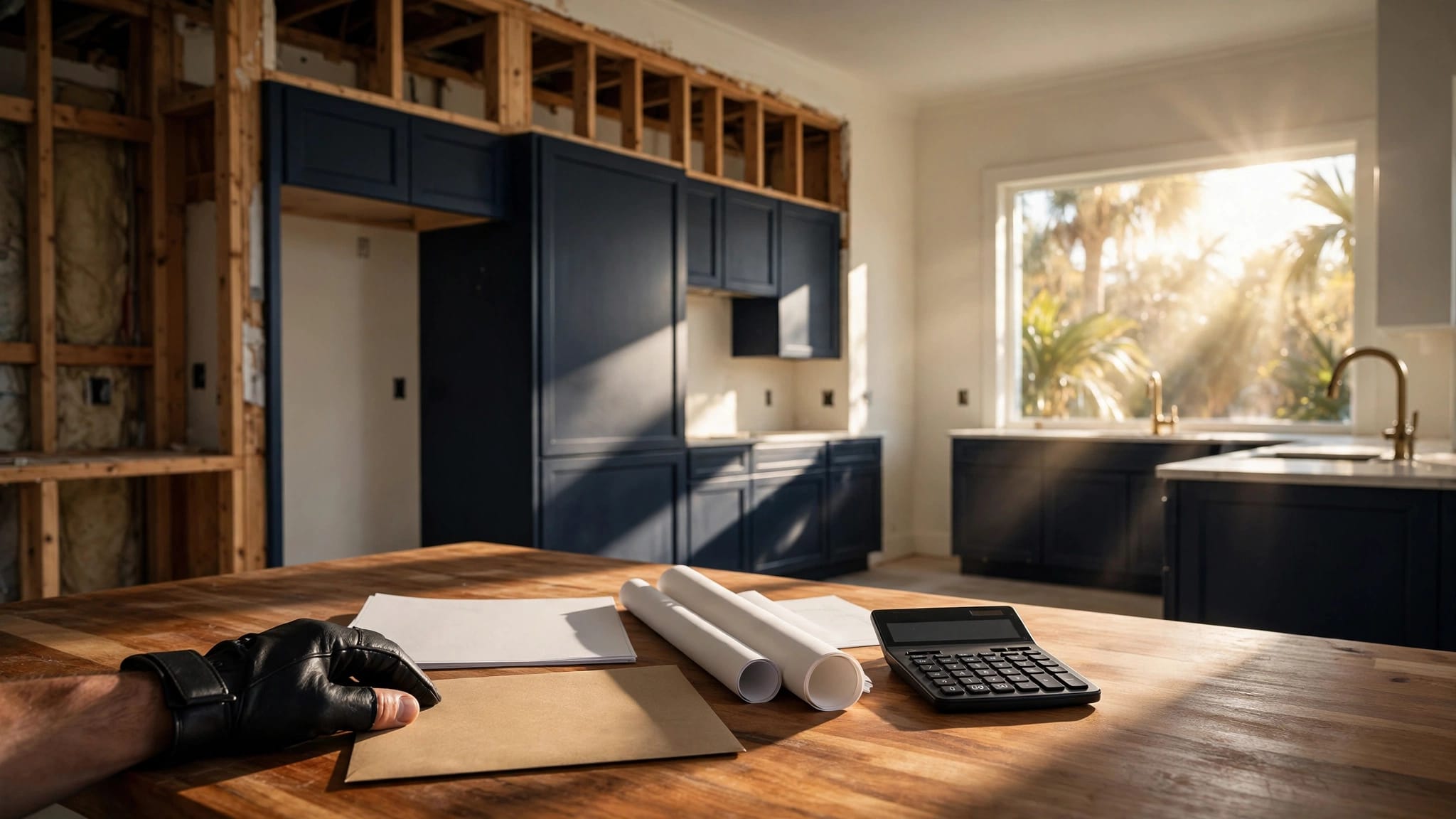
Remodel costs in Southwest Florida can climb fast once cabinets, tile, labor, and permits hit the budget. If you want a new kitchen, a safer bath, or a storm-ready home in 2026, the money plan matters almost as much as the design.
The best home remodeling financing depends on the size of the project and how soon work needs to start. A $25,000 bath update and a $200,000 whole-home remodel should not use the same financing.
Start with the project, not the loan
In Southwest Florida, smaller cosmetic work often fits cash savings. You avoid interest, lender fees, and another monthly bill. That matters when insurance, HOA dues, and flood costs already press the budget. Still, draining too much cash can leave you exposed when an AC unit fails or a storm season repair lands.
For fixed-price projects, a home equity loan is often the cleanest option. The rate is usually lower than unsecured borrowing, the payment is fixed, and larger remodels are easier to budget. If you're planning kitchen remodeling services with custom cabinets, layout changes, or premium finishes, a fixed second mortgage can make the numbers more predictable.
A HELOC works better when the scope may shift. That's common with whole-home remodels, aging-in-place work, or insurance-driven repairs where hidden damage shows up after demolition. You draw only what you need, but the trade-off is a variable rate .
Cash-out refinancing only makes sense when the full mortgage picture still works. If you locked a low first mortgage years ago, replacing it in 2026 could raise the cost of your entire housing payment, not only the remodel.
For urgent, smaller jobs, personal loans and contractor financing can move faster. They can also cost more each month, so speed should not be the only reason you choose them.
Comparing the main financing options in 2026
This quick comparison helps sort the field before you start applying.

| Option | Works best when | Cost and payment notes | Typical timing |
|---|---|---|---|
| Cash savings | Small kitchen, bath, or deductible-sized jobs | No interest or fees, but it cuts reserves | Immediate |
| Home equity loan | Mid-size to large fixed-scope remodels | Fixed rate, fixed payment, closing costs apply | 2 to 6 weeks |
| HELOC | Phased work or uncertain scope | Variable rate, flexible draws, possible interest-only period | 2 to 6 weeks |
| Cash-out refinance | Large project when first-mortgage pricing still makes sense | New first mortgage, usually the most closing costs | 3 to 8 weeks |
| Personal loan | Fast funding, usually under $50,000 | Higher rates, shorter term, little or no closing costs | Days to 1 week |
| Contractor financing | One-contractor projects like windows, baths, cabinets | Promo terms vary, watch for deferred interest | Same day to 2 weeks |
| Renovation loan | Major rehab or limited home equity | More paperwork, lender draw rules, slower close | 30 to 60+ days |
| Insurance proceeds plus gap financing | Claim-funded repairs with a timing gap | Claim money helps, but you may still need short-term funds | Depends on claim |
As of late April 2026, national averages were about 7.91% for a 5-year home equity loan and 7.09% for a HELOC. Some Florida credit unions advertised lower examples, including a 4.99% APR 5-year home equity loan. Those better offers usually require strong credit, enough equity, and sometimes membership. Personal loans often run much higher, commonly in the 10% to 20% range or more.
Many lenders look for roughly 620+ credit for home equity products, while the best pricing usually goes to stronger borrowers. Equity matters too. In many cases, total borrowing is capped around 80% to 90% of the home's value.
Your monthly payment should drive the decision. A $75,000 remodel at 8% over 10 years lands around $900 per month before fees. Stretch the term and the payment falls, but total interest rises.
The lowest rate is not always the best deal if closing costs, draw rules, or timing do not fit the project.
Florida factors that can change the math
Florida adds one financing angle that many national articles miss: storm-hardening incentives. In 2026, My Safe Florida Home remained the clearest statewide option. The program starts with a free wind inspection, then offers a 2-to-1 matching grant up to $10,000 for approved hurricane upgrades. Eligible low-income homeowners may qualify for up to $10,000 with no match. Funding, lender rules, and program availability can change, so confirm current details before you count on it.
For Southwest Florida owners, that can shrink how much you need to borrow for impact windows, exterior doors, garage protection, or some roof improvements. Reported insurance savings can help too, but your carrier decides the actual discount. If the remodel mixes storm work with interior repairs, pairing the grant with cash or equity financing often costs less than putting the whole project on higher-rate debt.
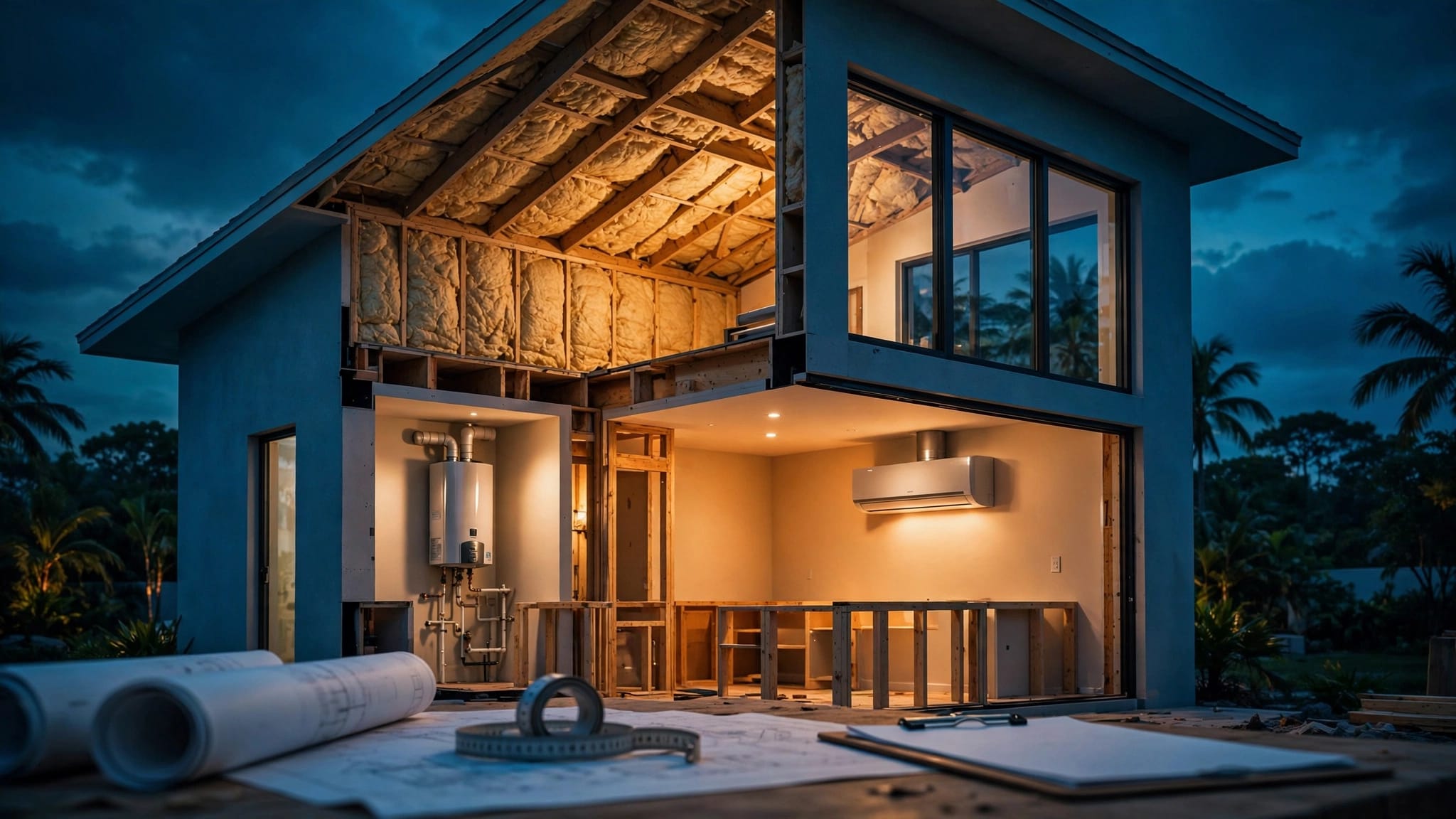
Aging-in-place projects need a different lens. Many start with bathroom remodeling, because curbless showers, grab bar blocking, wider openings, and better lighting can change plumbing, framing, and tile choices. We did not find a confirmed statewide Florida grant for those updates in 2026, so most homeowners are still using cash, equity, or renovation loans.
Insurance-driven remodels also need planning. Claim checks, lender endorsements, permit timing, and contractor draw schedules do not always line up neatly. In Cape Coral, Fort Myers, Naples, and nearby areas, that timing matters even more as summer storms approach.
Conclusion
The right loan should support the remodel, not strain the rest of your budget. For many Southwest Florida homeowners, smaller jobs fit cash, fixed-scope projects fit home equity loans, and larger or less certain projects fit a HELOC or renovation loan.
Rates, credit standards, closing costs , and grant funding can shift fast in 2026. Before you borrow, lock down the scope, test the payment against your real monthly budget, and Get a Free Estimate so the financing matches the work.