How Change Orders Affect Remodeling Costs in Southwest Florida
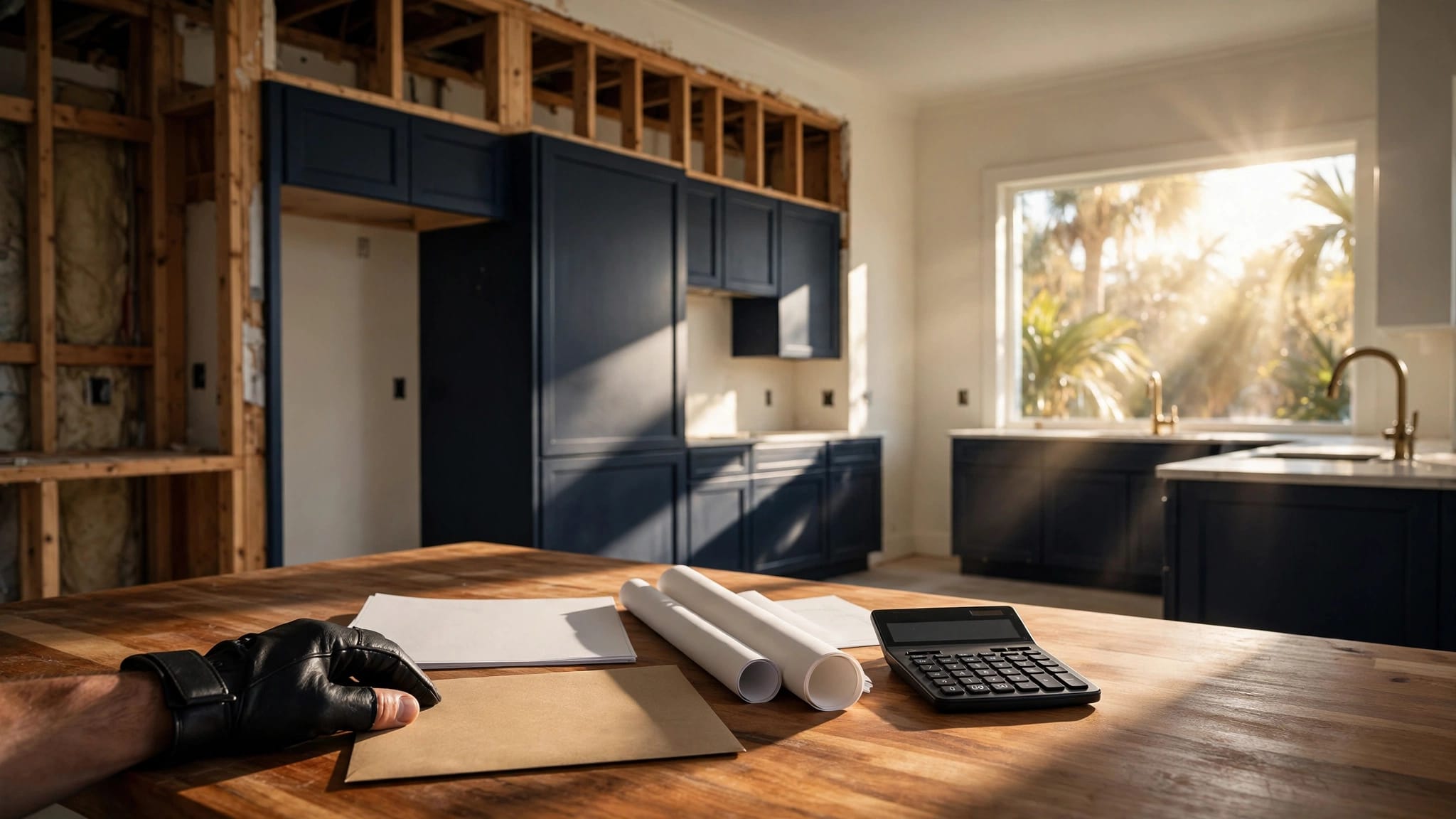
A remodel can stay on budget for weeks, then one small change sends the numbers climbing. That jump often comes from a change order , and in Southwest Florida it can affect both price and schedule faster than many homeowners expect.
The issue is simple. When a project changes after plans, permits, or materials are already in motion, the contractor has to adjust labor, ordering, and sometimes code compliance too. In a coastal market, that ripple can be bigger than people think.
What a Change Order Really Means
A change order is a written update to the original scope of work. It covers anything that changes the plan, the cost, or the timeline after the job has started.
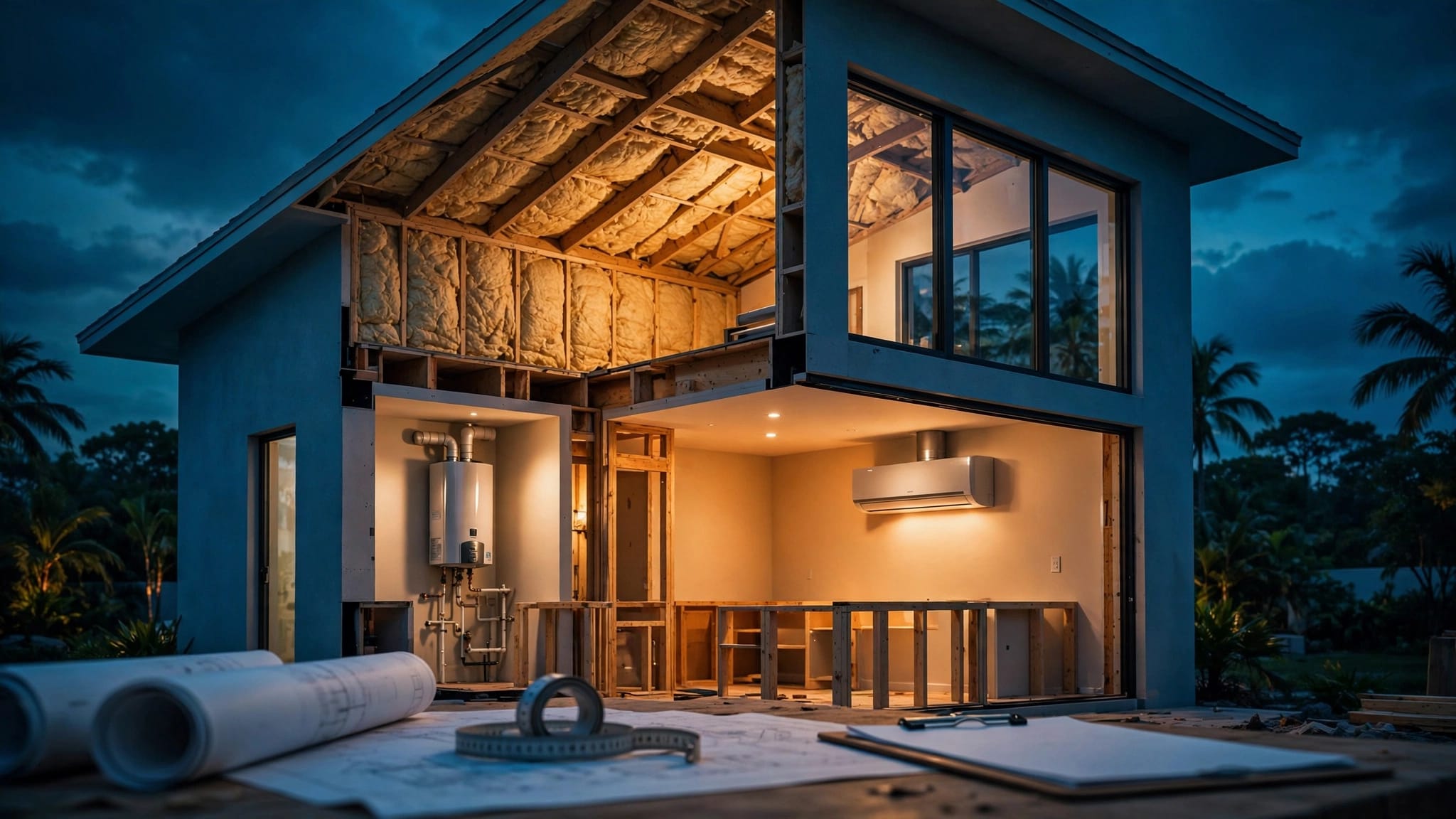
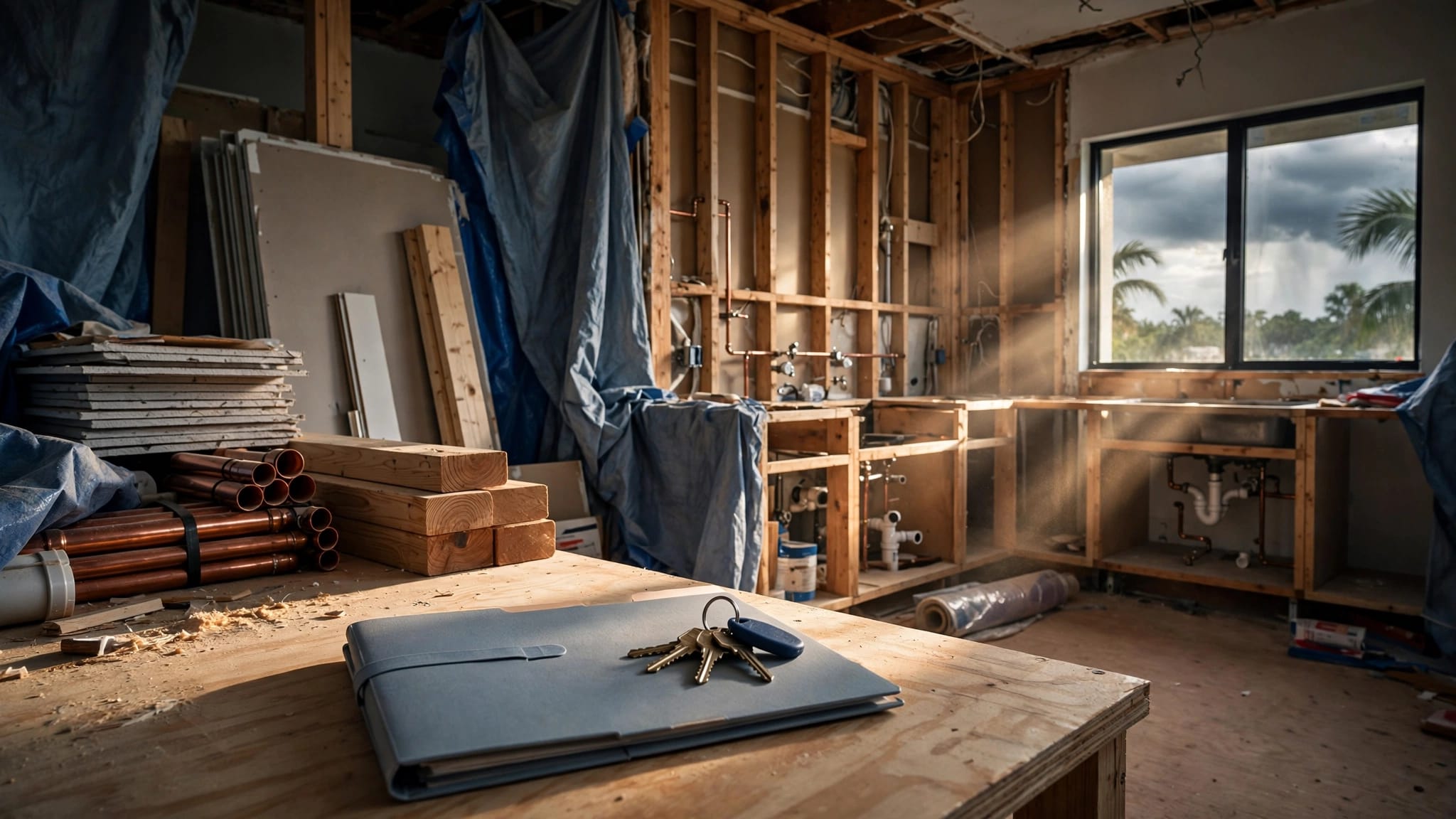
That could mean moving a sink, upgrading tile, changing cabinet layout, adding outlets, or opening a wall after demolition starts. It can also happen when the crew finds hidden damage, such as rot, mold, or old wiring.
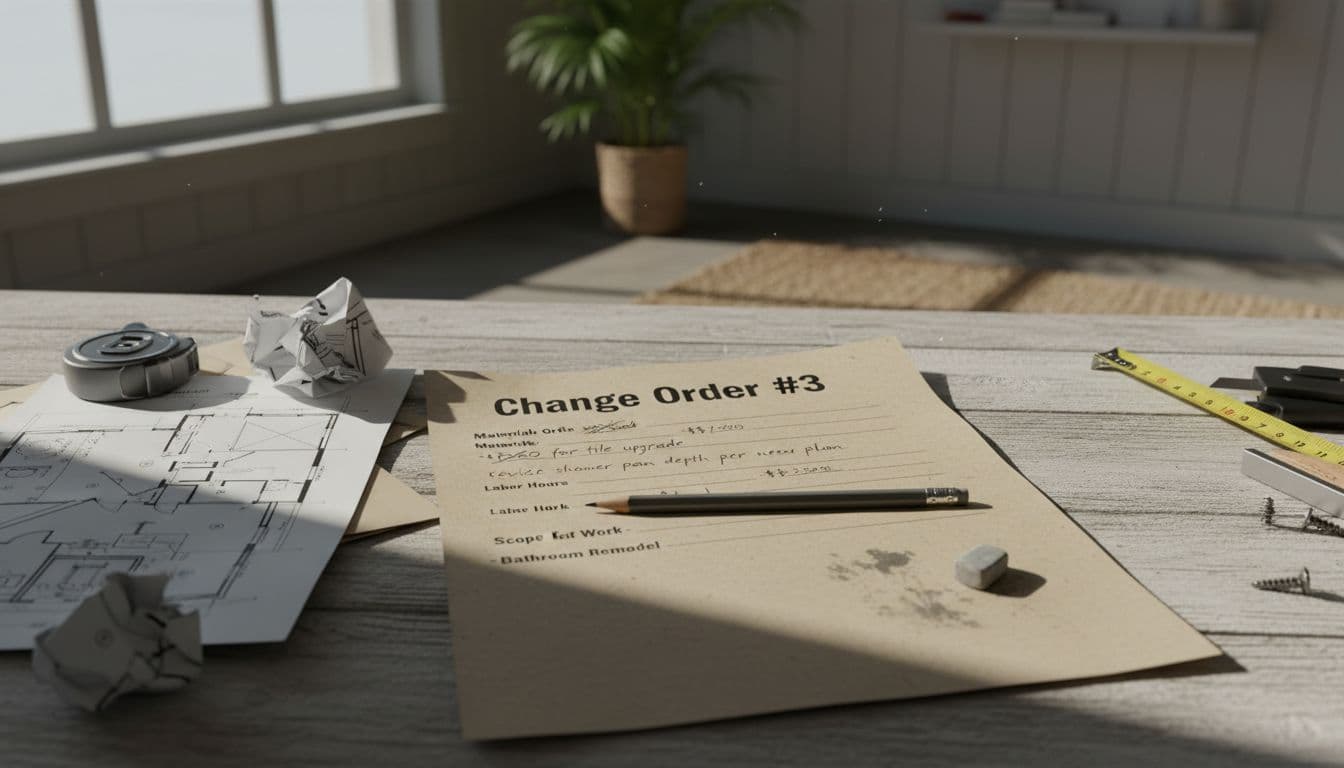
A solid change order should spell out three things, the added cost, the added time, and the exact work being changed. If one of those is missing, the budget gets harder to track.
A change order is easiest to handle before labor starts and materials are ordered.
That is why the timing matters so much. A late change can turn into extra demolition, extra ordering, and extra labor, all in the same week.
Why Costs Rise Fast in Southwest Florida
Southwest Florida remodels have a few cost pressures that make change orders sting more. Permits, coastal code rules, and seasonal demand all shape the final price.
Permits and code compliance
In 2026, Florida building code changes are already influencing remodel planning. Some coastal envelope rules start midyear, and the full update takes effect later in the year. That matters if your change touches windows, exterior doors, roof openings, or framing near the coast.
A late design shift can mean new product approvals, stronger fasteners, or impact-rated materials. In some cases, a roof repair or replacement that passes the 25 percent threshold may trigger wider upgrades to meet current code. Those are not optional add-ons. They are part of staying compliant.
Labor and material timing
Local schedules matter too. Winter and early spring are busy across Cape Coral, Fort Myers, Naples, Punta Gorda, and Sanibel. Crews book out faster, and specialty trades can take longer to line up.
Material lead times can add another layer. If a change order calls for a different tile, a custom cabinet finish, or a special window package, the new order can hold up the whole job. That delay costs money because other trades may need to return later.

Insurance-related upgrades can also affect price. A change that improves wind resistance may help long term, but it still raises the upfront bill. In other words, the work may be smart, yet it still changes the budget.
Necessary Changes vs Avoidable Ones
Some change orders are unavoidable. Others happen because the scope was not locked in early enough.
Necessary changes often come from hidden conditions. A wall opens up and reveals damaged wiring. A shower pan fails. A window opening needs to meet updated wind or impact requirements. These changes protect the home and keep the project moving.
Avoidable changes usually come from second-guessing the plan after the work starts. A homeowner changes cabinet style after ordering. The island moves after plumbing rough-in. The tile pattern changes after waterproofing is in place.
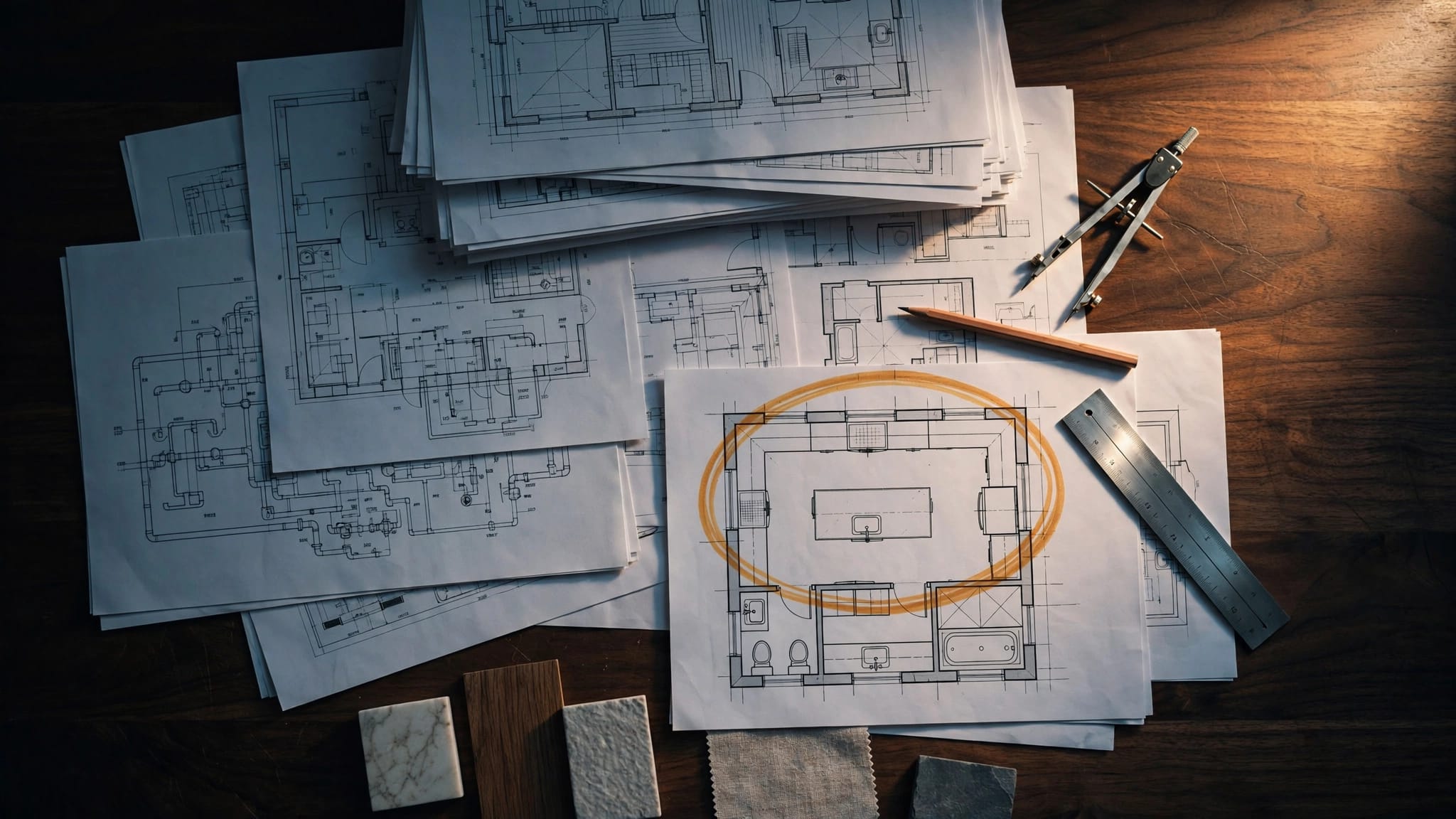
For a kitchen remodeling project, a late island move can mean new plumbing, electrical changes, and cabinet waste. During bathroom remodeling, a new shower size can force waterproofing and tile work to be redone.
With room additions, even a small design tweak can affect framing, roof tie-ins, and inspections. Whole-home renovations can feel even more sensitive because one change can touch several trades at once.
The lesson is plain. Necessary changes keep the house safe and code-compliant. Avoidable changes usually cost more than the upgrade itself.
How to Prevent Surprise Costs Before You Approve Anything
The best defense is a clear plan before demolition starts. That means making finish choices early, confirming structural details, and asking for pricing before anyone swings a hammer.
Use this checklist before approving a change order:
- Ask what work is changing and why it matters.
- Ask whether the change affects permits, inspections, or code compliance.
- Ask if the new material is in stock or has to be reordered.
- Ask how many days the change adds to the schedule.
- Ask whether the price includes labor, disposal, and any return trip.
- Ask if this is a true need or an upgrade choice.
Those questions cut through a lot of confusion. They also help you separate a necessary fix from a nice-to-have upgrade.
It also helps to review allowances early. If your contract only set a rough placeholder for tile, fixtures, or cabinets, you may see change orders as soon as you choose higher-end finishes. That is not a surprise, but it is often a missed conversation.
If you want a local team to review scope before the numbers start shifting, Get a Free Estimate before you approve the next round of changes.
Conclusion
Change orders are a normal part of remodeling, but they have a real cost in Southwest Florida. They can raise your budget, slow your timeline, or do both at once.
The biggest problems usually come from late decisions, not the change itself. When you lock in the plan early, ask direct questions, and account for coastal code and scheduling issues, you keep the project much easier to manage.
A remodel always has some moving parts. The goal is to keep the change order costs under control before they start steering the whole job.